Loading market data...
Sun, 06 Sept 2026
02:41:13 pm
Sun, 06 Sept 2026
02:41:13 pm

Rudransh Sangwan
Published at: June 8, 2026, 5:53 AM
Synopsis
Learn how the US stock market influences Nifty and Sensex through Federal Reserve policy, FII flows, Nasdaq, DXY, crude oil, and global investor sentiment. Complete guide for Indian investors.
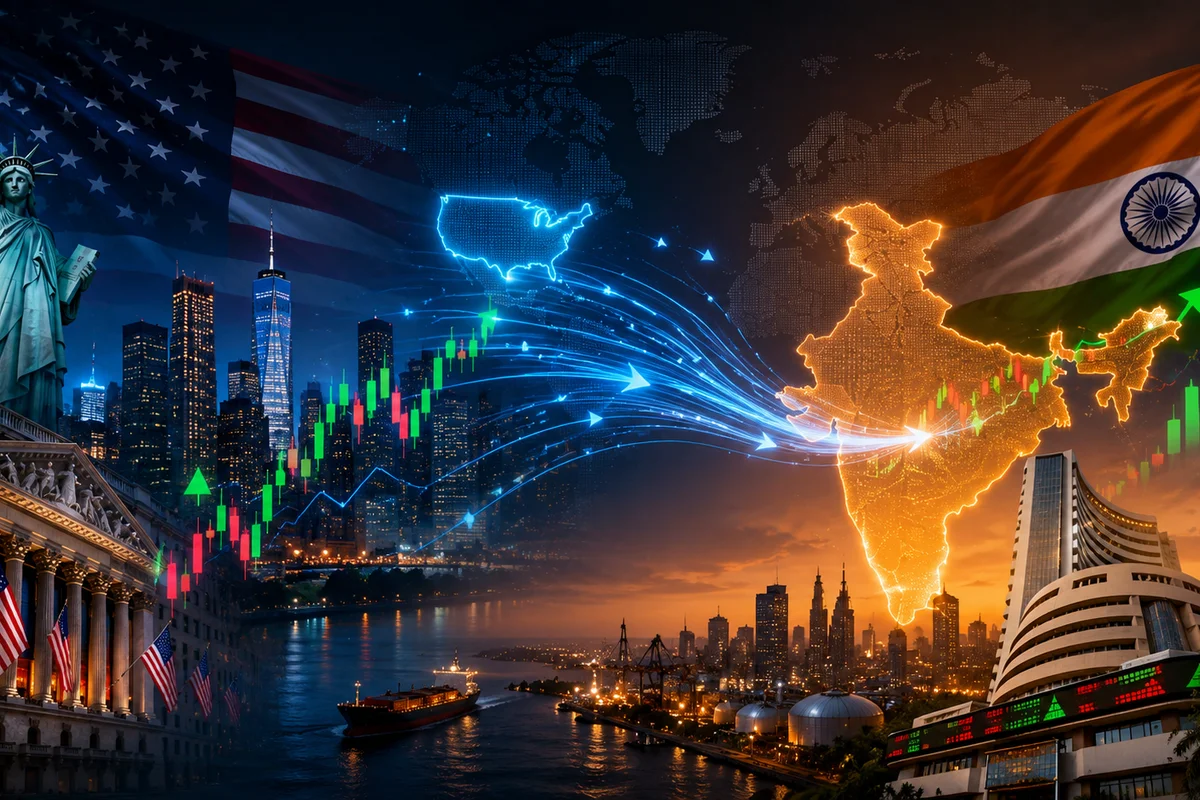
The United States stock market remains the single most influential external force affecting Indian equities. From Wall Street rallies and Federal Reserve decisions to dollar movements, crude oil prices, and foreign institutional investor flows, the performance of the S&P 500, Nasdaq, and Dow Jones can significantly shape the direction of Nifty 50 and Sensex. Understanding these relationships has become essential for every Indian investor and trader.
| Global Factor | Impact on Indian Markets |
|---|---|
| S&P 500 | Very High |
| Nasdaq | Very High |
| Dow Jones | High |
| US Federal Reserve | Very High |
| Dollar Index (DXY) | Very High |
| US Bond Yields | Very High |
| Crude Oil Prices | Very High |
| FII Flows | Very High |
| China Markets | Medium |
| European Markets | Medium |
The Indian stock market operates within a global financial ecosystem where capital, sentiment, and risk appetite move across borders almost instantly.
Although India's long-term market performance is driven by domestic economic growth, corporate earnings, consumption, and investment cycles, short-term movements are often heavily influenced by developments in the United States.
The reason is simple.
The US remains:
As a result, movements in American markets frequently ripple across global equities, including India.
Indian markets open nearly twelve hours after Wall Street closes.
This timing difference creates what traders call the "overnight sentiment effect."
| Impact Area | Expected Outcome |
|---|---|
| Gift Nifty | Positive |
| Nifty Opening | Strong |
| Banking Stocks | Positive |
| Large Caps | Positive |
| Market Sentiment | Bullish |
| Impact Area | Expected Outcome |
|---|---|
| Gift Nifty | Weak |
| Nifty Opening | Gap Down Risk |
| Risk Appetite | Lower |
| FII Activity | Cautious |
| Market Volatility | Higher |
A sharp rally or selloff in the S&P 500 frequently influences how Asian markets open the following morning.
During periods of market stress, this relationship becomes even stronger.
The S&P 500 is considered the most important benchmark for global equity markets.
| Impact Area | Influence |
|---|---|
| Global Sentiment | Very High |
| FII Behaviour | High |
| Emerging Markets | High |
| Nifty Direction | High |
When the S&P 500 performs well, investors generally become more willing to take risk globally.
The Nasdaq is heavily weighted toward technology companies.
Major constituents include:
The Nasdaq has a particularly strong influence on India's information technology sector.
The Dow reflects broader industrial and economic sentiment.
Although less influential than the S&P 500 and Nasdaq, it remains an important indicator of global investor confidence.
If there is one institution capable of moving markets worldwide, it is the US Federal Reserve.
The Federal Reserve controls:
| Impact | Outcome |
|---|---|
| Global Liquidity | Increases |
| FII Flows | Positive |
| Emerging Markets | Attractive |
| Nifty | Positive |
| Sensex | Positive |
| Impact | Outcome |
|---|---|
| US Bonds | Attractive |
| Dollar Strength | Increases |
| FII Flows | Negative |
| Rupee | Weakens |
| Nifty | Pressure |
This explains why Indian investors closely monitor:
Foreign Institutional Investors serve as the primary transmission mechanism between US markets and Indian equities.
US Market Rally
↓
Higher Risk Appetite
↓
Global Funds Increase Exposure
↓
FII Inflows into India
↓
Nifty and Sensex Rise
US Market Selloff
↓
Risk Aversion
↓
FII Outflows
↓
Selling Pressure in India
↓
Nifty and Sensex Decline
| Scenario | Market Impact |
|---|---|
| Strong FII Buying | Bullish |
| Moderate FII Buying | Positive |
| Neutral Flows | Range Bound |
| FII Selling | Bearish |
| Aggressive FII Selling | Sharp Correction |
Historically, large FII flows have often been among the biggest drivers of Indian market trends.
The Dollar Index measures the strength of the US dollar against major global currencies.
Institutional investors monitor DXY daily because it often predicts capital flows.
| Effect | Impact |
|---|---|
| Strong Dollar | Negative |
| Emerging Markets | Weak |
| FII Flows | Outflows |
| Rupee | Pressure |
| Effect | Impact |
|---|---|
| Weak Dollar | Positive |
| Emerging Markets | Strong |
| FII Flows | Inflows |
| Rupee | Stable |
Many professional traders view DXY as one of the most important leading indicators for Indian equities.
The US 10-Year Treasury Yield is another critical indicator.
When Treasury yields rise:
| US Yield Trend | Impact on India |
|---|---|
| Rising Rapidly | Negative |
| Moderately Rising | Cautious |
| Stable | Neutral |
| Falling | Positive |
The technology sector has one of the strongest relationships between the US and Indian markets.
Major Indian IT companies derive a significant portion of their revenues from North America.
| Company | NSE Code |
|---|---|
| Infosys | INFY |
| TCS | TCS |
| HCLTech | HCLTECH |
| Wipro | WIPRO |
| Tech Mahindra | TECHM |
| Outcome | Effect |
|---|---|
| Technology Spending Expectations Rise | Positive |
| AI Investment Outlook Improves | Positive |
| Indian IT Stocks | Positive |
| Outcome | Effect |
|---|---|
| Technology Budgets Tighten | Negative |
| Growth Expectations Fall | Negative |
| Indian IT Stocks | Weakness |
Crude oil represents one of the most important macroeconomic variables for India.
India imports nearly 85% of its crude oil requirements.
| Impact Area | Effect |
|---|---|
| Inflation | Higher |
| Rupee | Weak |
| Corporate Margins | Lower |
| Fiscal Balance | Negative |
| Nifty | Pressure |
| Impact Area | Effect |
|---|---|
| Inflation | Lower |
| Rupee | Stronger |
| Corporate Earnings | Positive |
| Market Sentiment | Positive |
Because oil prices often react to US economic conditions and geopolitical developments, they form another indirect channel linking Wall Street and Dalal Street.
Changes in the US dollar affect different sectors differently.
| Sector | Weak Rupee | Strong Rupee |
|---|---|---|
| IT | Positive | Negative |
| Pharma | Positive | Negative |
| Oil Marketing | Negative | Positive |
| Airlines | Negative | Positive |
| Auto | Negative | Positive |
| Chemicals | Mixed | Mixed |
Understanding currency movements helps investors identify sector rotation opportunities.
| Indicator | Importance |
|---|---|
| S&P 500 Futures | Very High |
| Nasdaq Futures | Very High |
| Dow Futures | High |
| Gift Nifty | Very High |
| US 10-Year Yield | Very High |
| Dollar Index (DXY) | Very High |
| Brent Crude | Very High |
| USD/INR | High |
| FII Data | Very High |
| Geopolitical News | High |
Monitoring these indicators can significantly improve market awareness before trading begins.
| Indicator | Desired Direction |
|---|---|
| S&P 500 | Rising |
| Nasdaq | Rising |
| DXY | Falling |
| Crude Oil | Falling |
When all four conditions align, the probability of a strong Nifty session rises substantially.
| Indicator | Direction |
|---|---|
| S&P 500 | Falling |
| Nasdaq | Falling |
| DXY | Rising |
| Crude Oil | Rising |
This combination often creates pressure on Indian equities.
Recent market weakness has been driven by:
This environment demonstrates how global developments can quickly influence domestic market sentiment.
Reality:
India's long-term direction is driven by:
Reality:
Strong domestic fundamentals can offset negative global cues.
Reality:
Long-term investors benefit from understanding global capital flows and macroeconomic cycles.
The US stock market remains the single most important global factor influencing Indian equities. Through multiple channels including foreign investment flows, Federal Reserve policy, currency markets, bond yields, technology spending trends, and commodity prices, developments on Wall Street can significantly shape short-term movements in Nifty and Sensex.
However, while US markets often determine daily sentiment and opening direction, India's long-term market trajectory continues to depend on domestic economic growth, corporate earnings, infrastructure investment, and structural reforms.
For traders, monitoring Wall Street has become essential.
For investors, understanding these global relationships provides valuable context for navigating volatility and identifying opportunities.
The most successful market participants recognize that while Dalal Street ultimately follows India's growth story, Wall Street frequently influences the path it takes to get there.
Because global capital flows, investor sentiment, interest rates, and foreign institutional investment are heavily influenced by the US economy.
The S&P 500 is generally considered the most influential benchmark.
Indian IT companies earn a large portion of their revenues from US clients.
Fed rate decisions influence liquidity, FII flows, bond yields, and risk appetite.
DXY is the US Dollar Index, which measures the strength of the dollar against major currencies.
India imports most of its crude oil, making oil prices a major economic variable.
Gift Nifty, US futures, DXY, crude oil, bond yields, USD/INR, and FII data.
Yes, strong domestic fundamentals can sometimes offset negative global cues.
Financial journalist specializing in market analysis, stock research, and investment trends. Dedicated to providing accurate, timely insights for informed decision-making.
Credentials: Experienced financial journalist with expertise in equity markets and economic analysis
The information provided in this article is for educational and informational purposes only and should not be construed as financial, investment, or legal advice. welomoney does not provide personalized investment recommendations.
For detailed terms and conditions, please read our Disclaimer and Terms of Service.
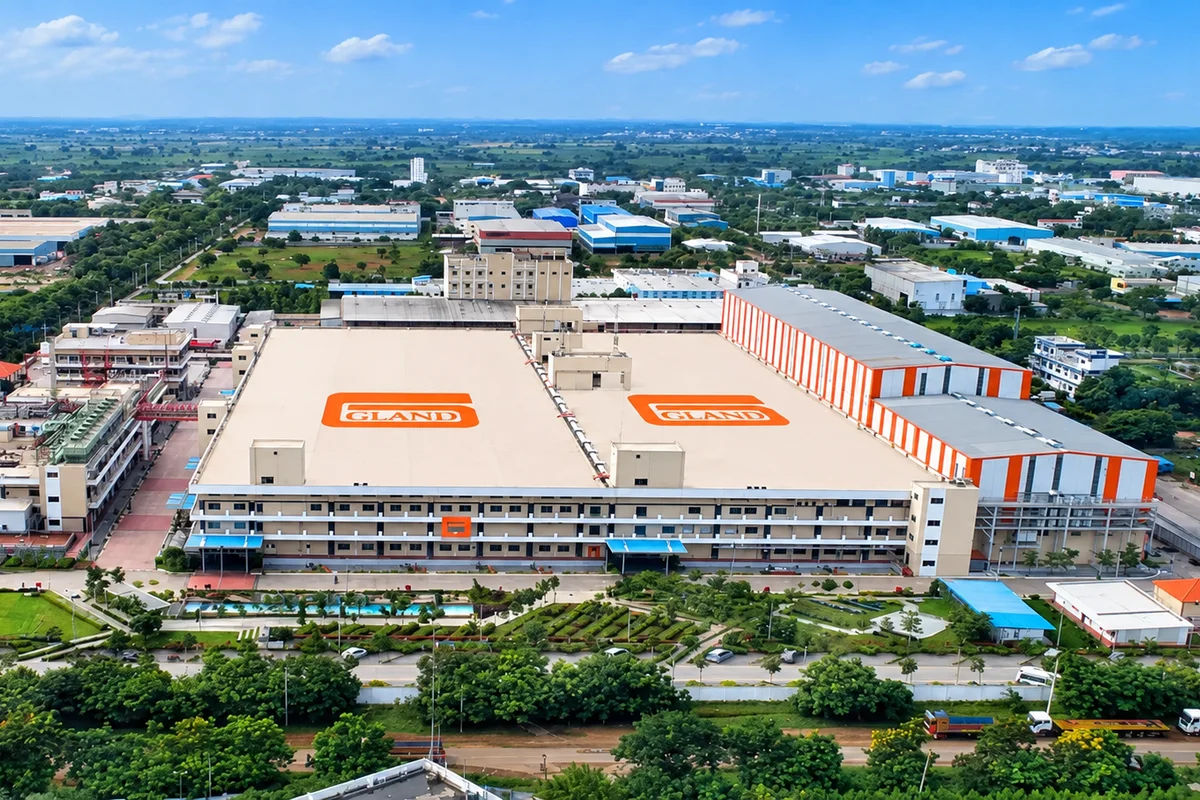
Gland Pharma, Tata Technologies and Nexus Select Trust remain in focus as major investors and shareholders make significant market transactions.

Ola Electric opens partner dealerships across India and plans a wider sales and service network as the company expands its electric scooter business.
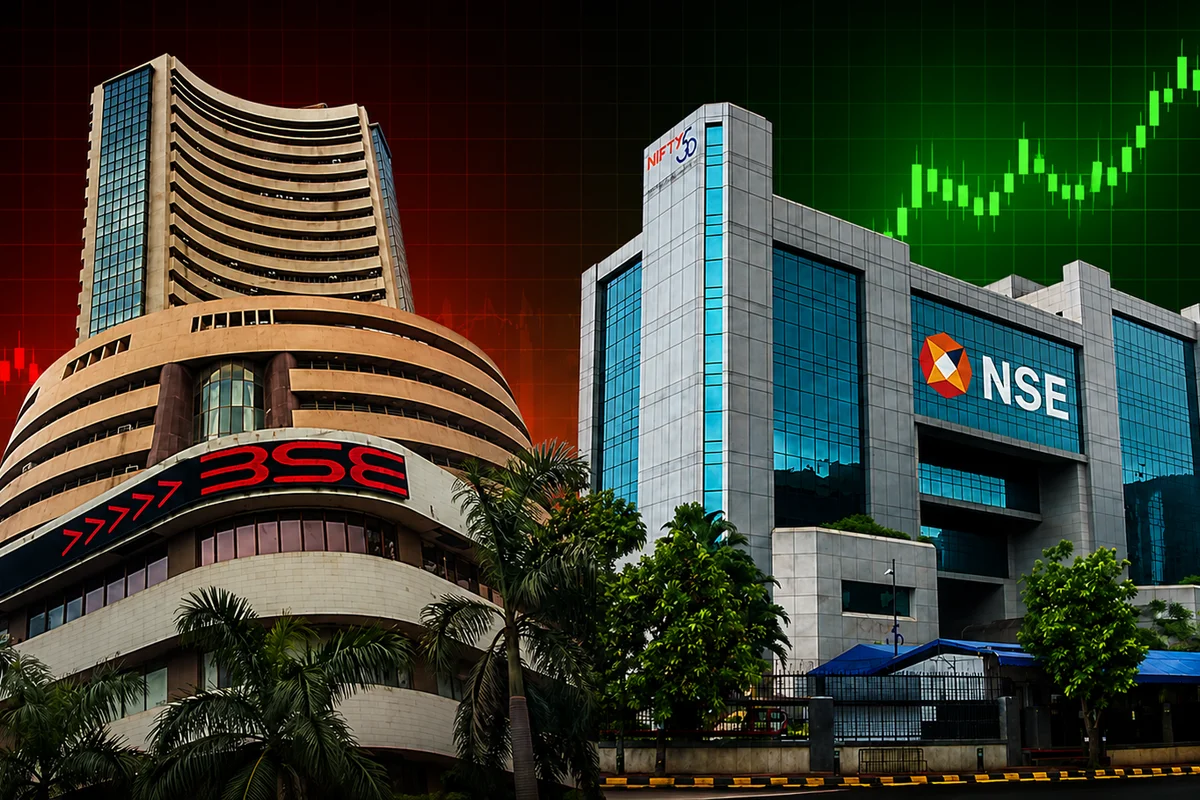
Indian stock market today update covering Nifty 50, Sensex, Bank Nifty, FinNifty, Midcap Nifty, gold, silver, crude oil and top gainers and losers.
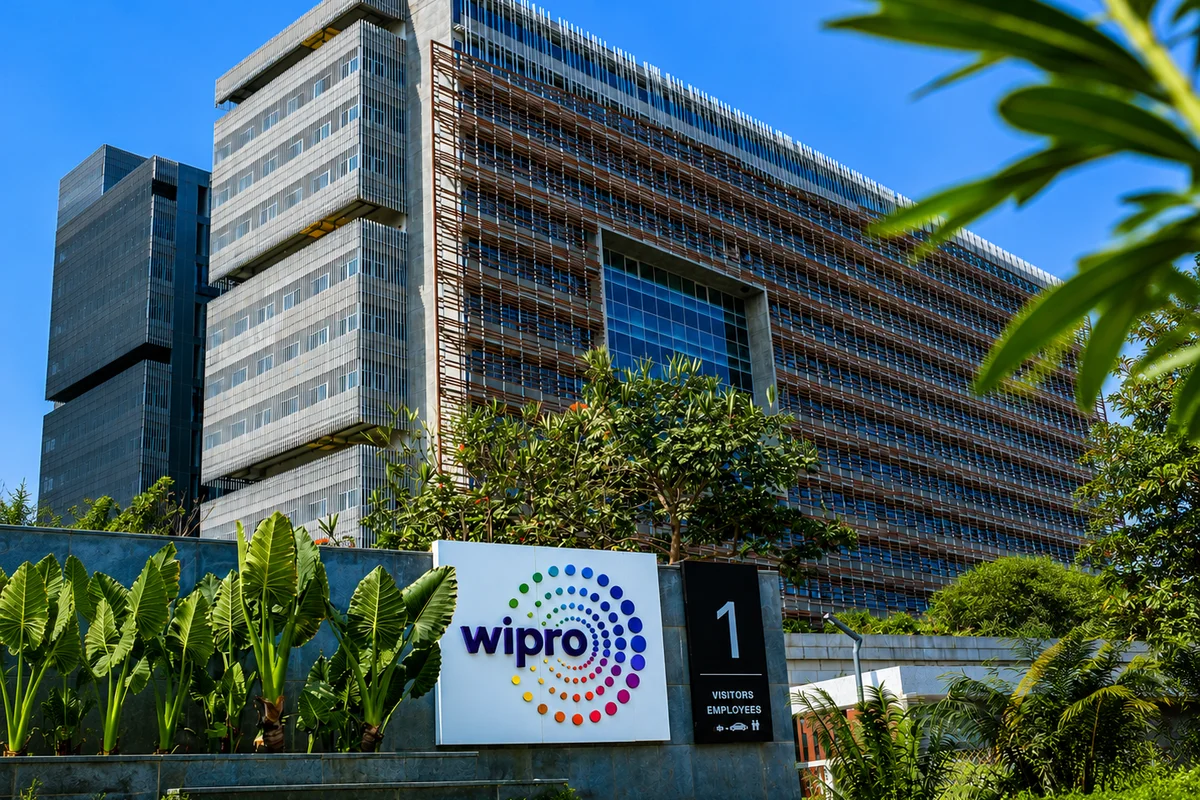
Wipro employee monitoring and TimeScope tracking are drawing attention as workplace activity, laptop usage and employee privacy come under discussion.
Indian stock market today update covering Nifty 50, Sensex, Bank Nifty, FinNifty, gold, silver, crude oil and top gainers and losers.