Loading market data...
Fri, 18 Sept 2026
06:20:09 pm
Fri, 18 Sept 2026
06:20:09 pm
Synopsis
Petrol and diesel prices across India remained stable on May 6, 2026, despite continued volatility in global crude oil markets and rising geopolitical tensions in West Asia. Major oil marketing companies including Indian Oil, BPCL, and HPCL kept fuel prices unchanged, offering relief to consumers in cities like Delhi, Mumbai, Noida, Lucknow, Jaipur, and Indore. Petrol prices in India continue to remain lower than several neighboring countries including Pakistan, Sri Lanka, and China, even as international oil markets remain sensitive to Iran-related developments and crude price fluctuations.
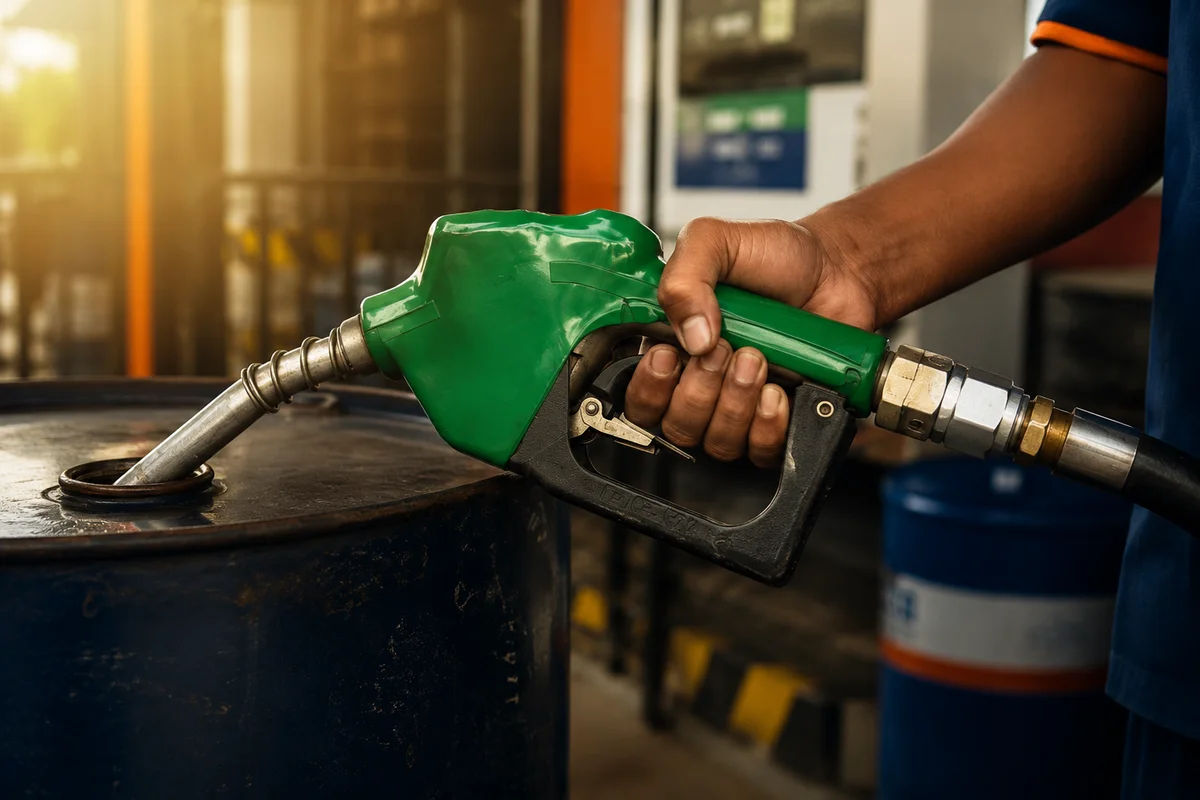
Petrol and diesel prices across India remained largely stable on Wednesday, May 6, 2026, offering relief to consumers despite ongoing volatility in global crude oil markets and rising geopolitical uncertainty in West Asia. India’s major oil marketing companies continue to maintain retail fuel prices without major revisions, even as international oil prices fluctuate sharply amid developments surrounding the US-Iran conflict and Strait of Hormuz tensions.
State-run fuel retailers including Indian Oil Corporation, Bharat Petroleum and Hindustan Petroleum revise fuel prices daily at 6 AM based on international crude prices and rupee-dollar exchange rates.
The current stability in domestic fuel prices comes at a time when Brent crude remains elevated near the $105-$110 per barrel range. However, easing fears around supply disruptions and hopes of diplomatic progress in the Middle East have helped prevent another sharp rise in retail fuel prices across India.
| City | Petrol Price (Per Litre) | Diesel Price (Per Litre) |
|---|---|---|
| Delhi | ₹94.72 | ₹87.62 |
| Mumbai | ₹103.44 | ₹89.97 |
| Noida | ₹95.12 | ₹87.98 |
| Lucknow | ₹95.58 | ₹87.86 |
| Jaipur | ₹104.86 | ₹90.34 |
| Ghaziabad | ₹95.12 | ₹87.47 |
| Varanasi | ₹95.09 | ₹88.30 |
| Agra | ₹94.42 | ₹87.41 |
| Indore | ₹106.48 | ₹91.88 |
| Ballia | ₹96.18 | ₹88.77 |
Among the listed cities, Agra continues to have one of the lowest petrol prices, while Ballia remains among the costliest locations in Uttar Pradesh for fuel.
Domestic and commercial LPG cylinder prices also remained unchanged in most cities.
| City | Domestic LPG Cylinder (14.2 kg) | Commercial LPG Cylinder (19 kg) |
|---|---|---|
| New Delhi | ₹913.00 | ₹3,071.50 |
| Noida | ₹910.50 | ₹3,071.50 |
| Lucknow | ₹950.50 | ₹3,194.00 |
| Patna | ₹1,002.50 | ₹3,346.50 |
One of the key reasons behind the temporary stability is the recent correction in crude oil prices after fears of a prolonged closure of the Strait of Hormuz slightly eased. Oil prices had surged sharply in recent weeks due to geopolitical tensions between the US and Iran, raising concerns about inflation and fuel supply disruptions globally.
However, India’s fuel pricing mechanism absorbs some of the short term volatility through calibrated pricing decisions by oil marketing companies.
Data suggests crude oil volatility impacts import costs This leads to pressure on oil marketing companies Which results in delayed or gradual retail fuel price revisions
India currently remains relatively better positioned compared to several neighboring nations where fuel prices have risen more sharply.
| Country | Petrol Price Per Litre |
|---|---|
| India | ₹101 Approx |
| Bhutan | ₹102.78 |
| Pakistan | ₹136.75 |
| China | ₹126.46 |
| Sri Lanka | ₹139.65 |
| Bangladesh | ₹108.49 |
| Nepal | ₹135.41 |
| Myanmar | ₹141.40 |
The comparison highlights how India’s fuel tax adjustments and pricing interventions have helped moderate retail fuel inflation despite rising global energy costs.
One under-discussed factor supporting fuel price stability is the relative management of the Indian rupee despite external pressure.
Although the rupee recently touched record lows against the US dollar, RBI intervention and controlled import strategies have helped prevent an even sharper rise in domestic fuel prices.
Many consumers assume petrol prices move instantly with crude oil prices.
This is incorrect.
Retail fuel prices in India depend on multiple factors including
This means crude oil corrections do not always translate into immediate price cuts.
| Scenario | Possible Impact |
|---|---|
| Crude falls below $100 | Fuel prices may soften |
| Strait tensions worsen | Prices may rise sharply |
| Rupee weakens further | Import costs may increase |
| Global inflation cools | Stability likely |
Analysts believe fuel prices could remain range-bound in the near term if geopolitical tensions ease further and crude oil remains below recent highs.
Petrol and diesel prices across India remain stable for now, but global energy markets continue to remain highly volatile. While easing oil prices and improving diplomatic signals in the Middle East have provided temporary relief, any escalation in geopolitical tensions or a further weakening of the rupee could quickly reverse the trend. Consumers and businesses alike are likely to remain closely focused on crude oil movement over the coming weeks.
Fuel prices remained stable due to easing crude oil prices and the absence of major changes in global supply conditions.
Among the listed cities, Agra has one of the lowest petrol prices at ₹94.42 per litre.
Fuel prices vary because each state imposes different VAT rates and local taxes on petrol and diesel.

Financial journalist specializing in market analysis, stock research, and investment trends. Dedicated to providing accurate, timely insights for informed decision-making.
Credentials: Experienced financial journalist with expertise in equity markets and economic analysis
The information provided in this article is for educational and informational purposes only and should not be construed as financial, investment, or legal advice. welomoney does not provide personalized investment recommendations.
For detailed terms and conditions, please read our Disclaimer and Terms of Service.
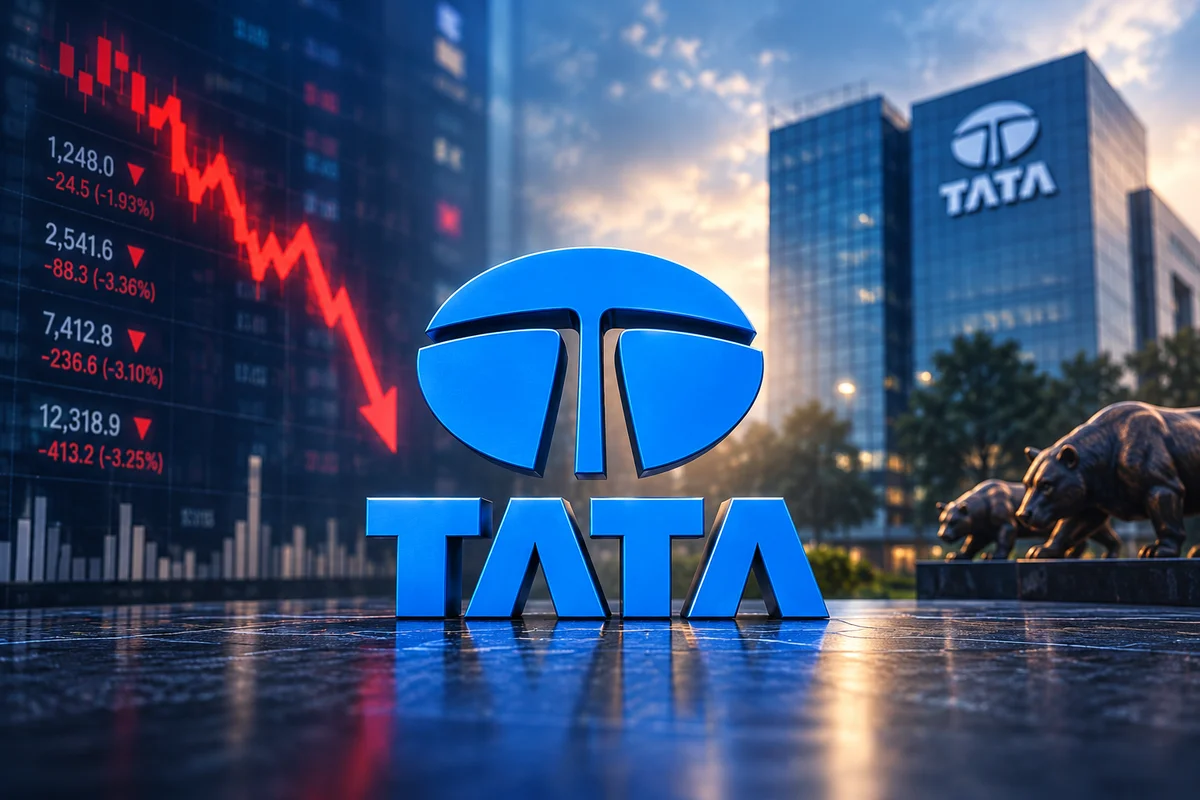
Share market today updates as Tata stocks come under pressure amid developments at Tata Sons.

Explore Mukul Agrawal’s portfolio, including his latest stock holdings, stake details, major positions, new additions and historical investments.
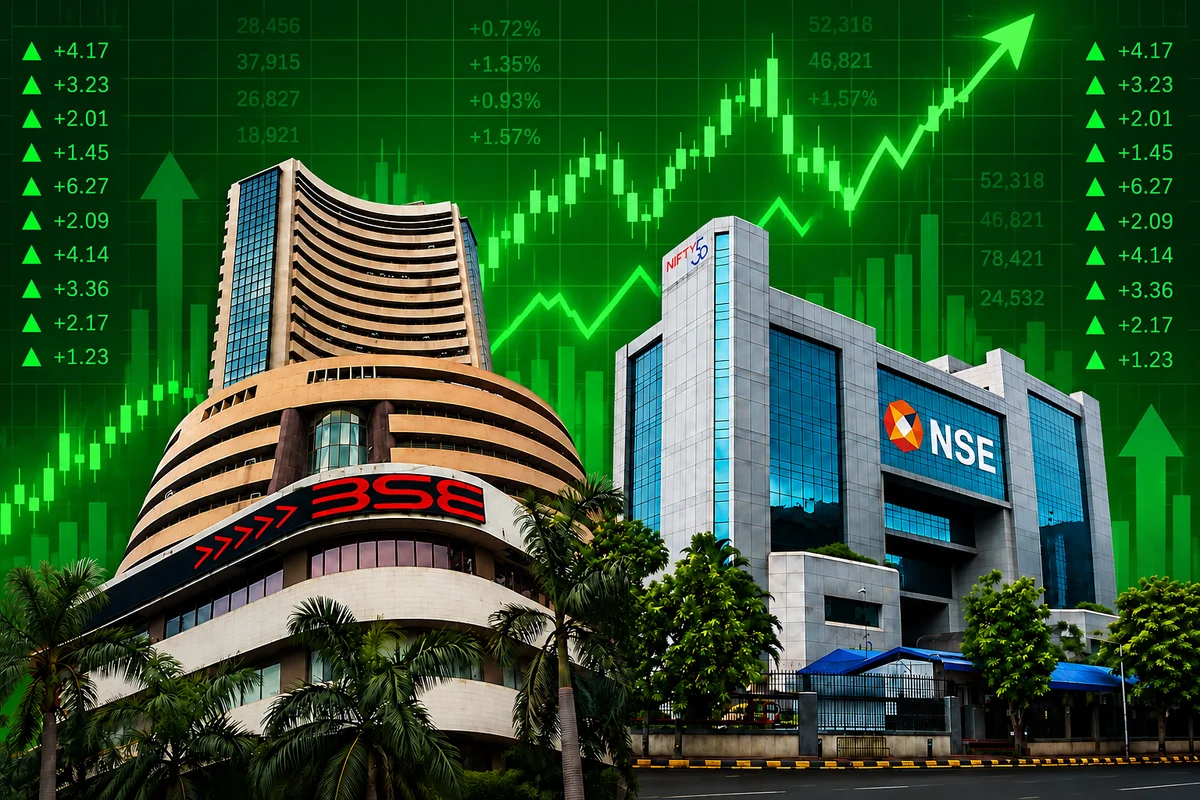
Sensex and Nifty trade higher as investors assess the Federal Reserve's latest rate decision, rupee movement, IT stocks and broader market trends.
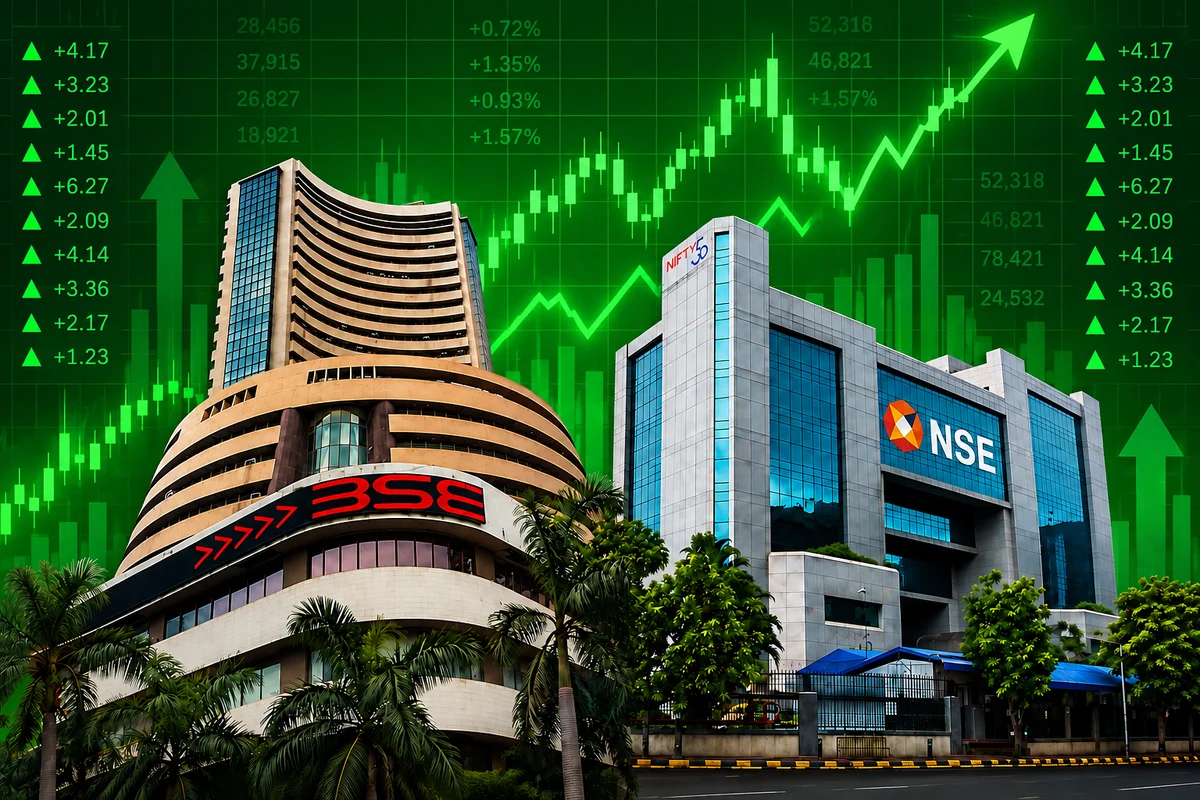
Stock market today: Sensex and Nifty trade higher as HCL Tech, M&M and Axis Bank gain, while broader markets remain under pressure amid volatile...
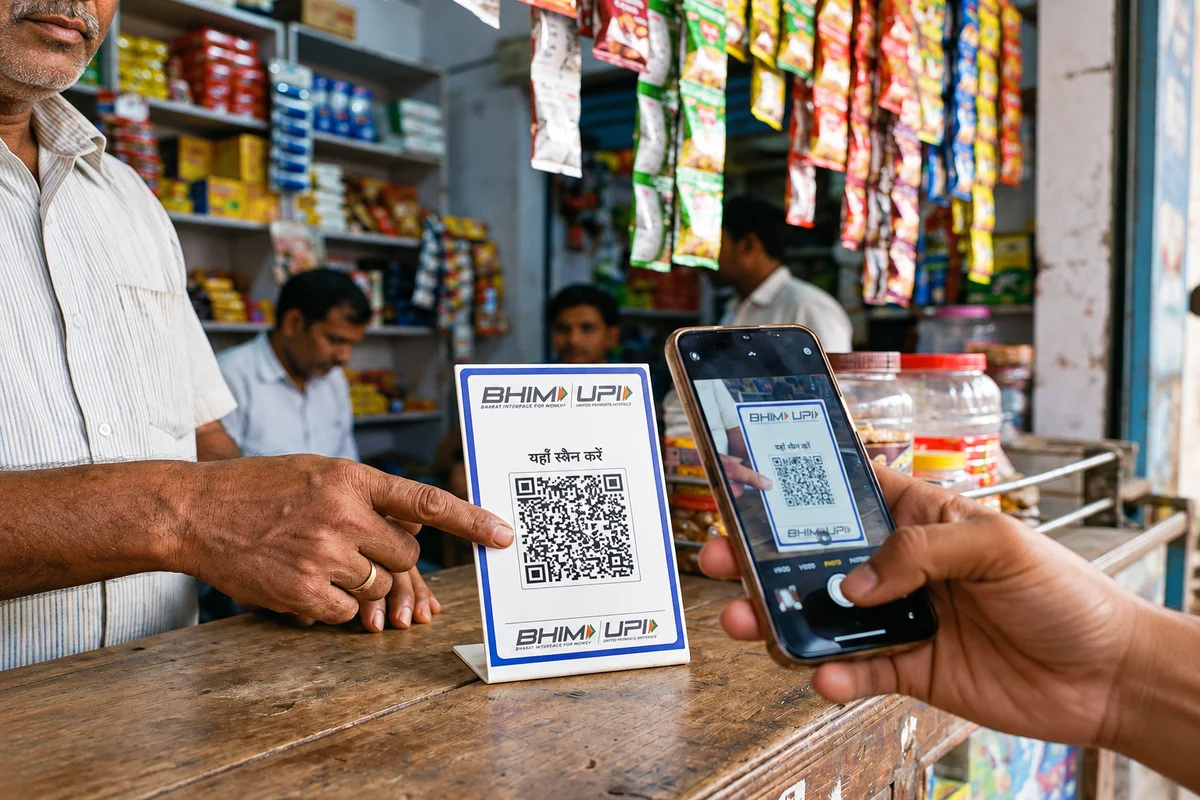
UPI payments up to ₹2,000 remain protected from direct or indirect charges under the latest government notification.