Loading market data...
Thu, 17 Sept 2026
12:04:30 pm
Thu, 17 Sept 2026
12:04:30 pm

Rudransh Sangwan
Published at: May 3, 2026, 7:27 AM
Synopsis
Indian stock markets are entering a volatile phase as Iran peace talks and crude oil movements drive sentiment. While rising oil prices and a weak rupee are creating pressure, any progress in negotiations could stabilize markets and trigger a relief rally across key sectors.
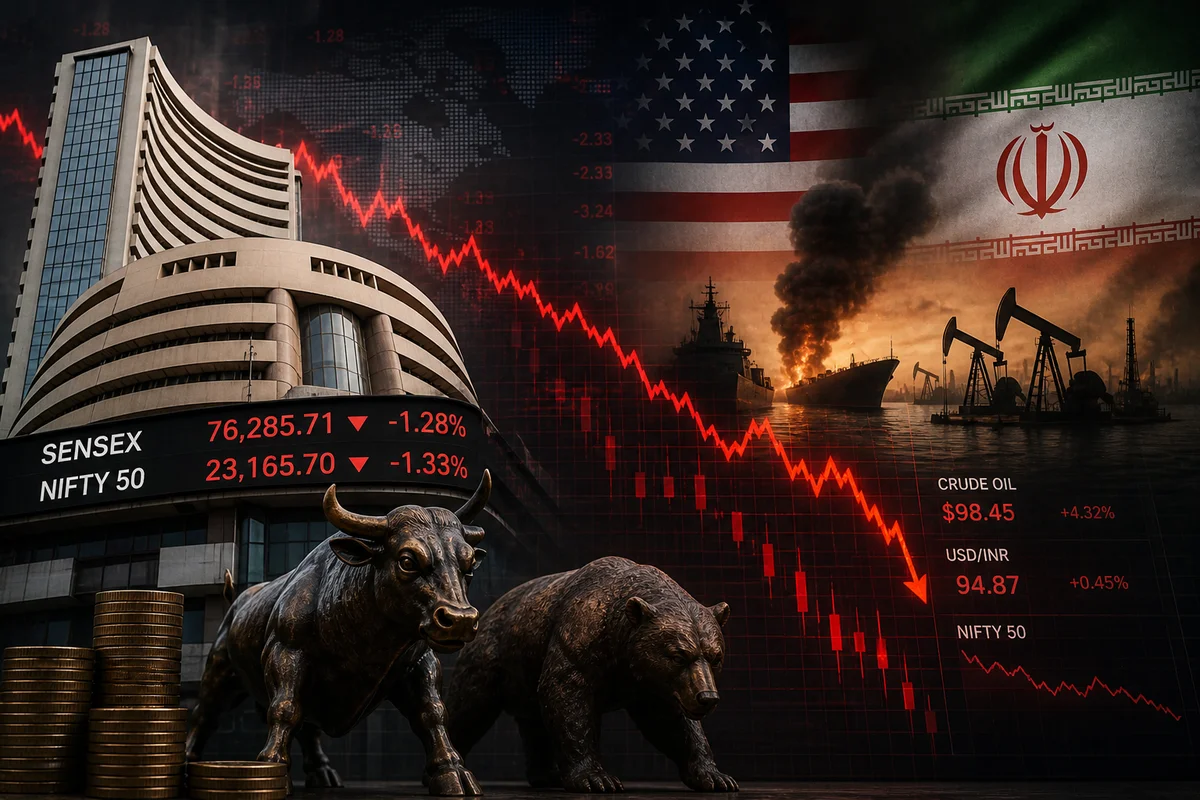
The Indian stock market is entering a highly sensitive phase where global geopolitics is directly influencing domestic sentiment. Movements in Sensex and Nifty 50 are no longer driven only by earnings or domestic data, but increasingly by developments in the US Iran conflict. The possibility of peace talks creates a sharp divergence scenario where markets could either stabilize quickly or extend volatility depending on how negotiations unfold.
The biggest transmission channel between Iran talks and Indian markets is crude oil. India imports over 80 percent of its crude requirement, making it extremely sensitive to price shocks.
When tensions rise, oil prices surge. When talks resume, prices cool down.
| Factor | Market Impact |
|---|---|
| Rising oil prices | Higher inflation |
| Inflation rise | Rate cut delay |
| Higher rates | Market pressure |
| Falling oil prices | Market relief |
Data suggests crude moving above $100 increases inflation risks This leads to tighter monetary expectations Which results in pressure on equity valuations
If talks progress positively, oil could fall below $100, giving immediate relief to Indian markets.
Nearly 20 percent of global oil supply passes through the Strait of Hormuz. Any disruption here directly impacts global prices.
| Scenario | Oil Price Range | Market Impact |
|---|---|---|
| Escalation continues | $110 to $150 | Bearish |
| Talks progress | $90 to $100 | Positive |
| Full resolution | Below $90 | Strong rally |
If the blockade risk continues, sectors like aviation, paints, and FMCG could face margin pressure.
The Indian rupee recently touched record lows near ₹95 against the dollar.
A weaker rupee leads to
| Indicator | Impact |
|---|---|
| Weak rupee | Negative for markets |
| Strong dollar | FPI outflows |
| Oil spike | Currency pressure |
If Iran talks ease tensions, the rupee could stabilize, supporting equities.
Different sectors react differently to geopolitical shocks.
| Sector | Impact | Reason |
|---|---|---|
| Oil Marketing | Positive | Better margins if crude falls |
| Aviation | Positive | Lower fuel cost |
| Paints/Chemicals | Positive | Raw material cost decline |
| IT | Neutral | Dollar strength benefit |
| Banking | Mixed | Sensitive to macro risks |
Companies like Avenue Supermarts and Kotak Mahindra Bank will also be influenced indirectly through consumption and liquidity trends.
From a technical perspective, markets are currently at a crucial zone.
| Index | Resistance | Support |
|---|---|---|
| Nifty 50 | 24,300 to 24,400 | 23,800 |
| Sensex | 78,000+ | 76,500 |
Markets are showing hesitation near resistance, indicating lack of strong conviction.
One under-discussed factor is global bond yields.
When oil rises
This means even if domestic fundamentals remain strong, global liquidity conditions can override them.
Many investors believe geopolitics impacts markets only temporarily.
In reality
This creates a multi-layered impact that lasts longer than expected.
Despite recent market corrections, a large part of geopolitical risk may already be reflected in prices.
If talks show even minor progress
This means upside reaction could be faster than downside continuation.
| Scenario | Market Direction |
|---|---|
| Talks fail, oil spikes | Further correction |
| Talks uncertain | Sideways volatility |
| Talks succeed | Sharp rally |
The next 1 to 2 weeks will be crucial in determining trend direction.
The outcome of Iran peace talks is not just a geopolitical event but a key macro trigger for Indian markets. While short-term volatility is likely to remain high, the direction of crude oil prices will ultimately decide whether markets stabilize or extend their correction. Investors who focus on macro signals rather than reacting emotionally to headlines will be better positioned to navigate this phase.
Financial journalist specializing in market analysis, stock research, and investment trends. Dedicated to providing accurate, timely insights for informed decision-making.
Credentials: Experienced financial journalist with expertise in equity markets and economic analysis
The information provided in this article is for educational and informational purposes only and should not be construed as financial, investment, or legal advice. welomoney does not provide personalized investment recommendations.
For detailed terms and conditions, please read our Disclaimer and Terms of Service.

Explore Mukul Agrawal’s portfolio, including his latest stock holdings, stake details, major positions, new additions and historical investments.
Sensex and Nifty trade higher as investors assess the Federal Reserve's latest rate decision, rupee movement, IT stocks and broader market trends.
Stock market today: Sensex and Nifty trade higher as HCL Tech, M&M and Axis Bank gain, while broader markets remain under pressure amid volatile...
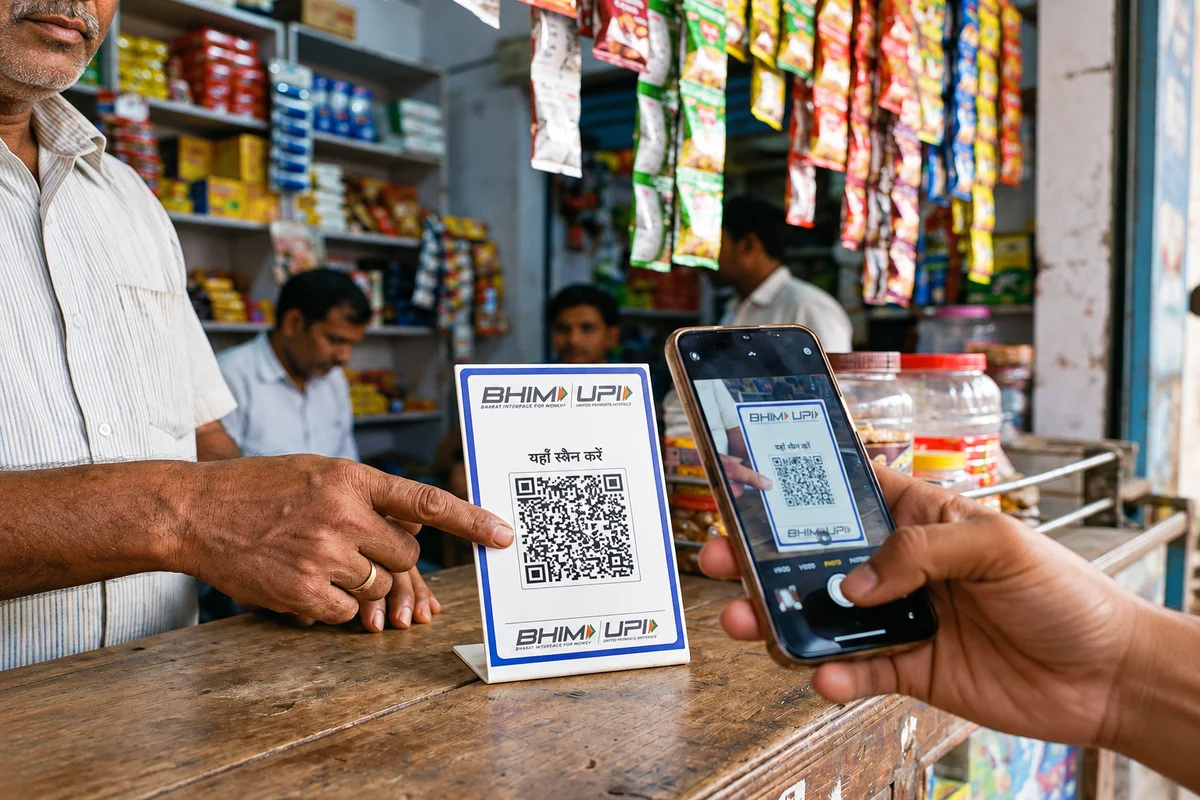
UPI payments up to ₹2,000 remain protected from direct or indirect charges under the latest government notification.

52 Week Low Stocks: Check the full list of stocks hitting fresh lows today, including HEG, Gujarat Energy, Muthoot Finance, IEX and Bikaji Foods,...