Loading market data...
Thu, 17 Sept 2026
07:51:59 pm
Thu, 17 Sept 2026
07:51:59 pm

Rudransh Sangwan
Published at: May 3, 2026, 3:52 PM
Synopsis
UPI recorded over 22.35 billion transactions worth ₹29.03 lakh crore in April 2026, maintaining strong growth momentum. Explore key trends, market share dynamics, and what’s driving India’s digital payments surge.

India’s digital payments ecosystem continues to expand at an unprecedented scale, with Unified Payments Interface maintaining volumes above 22 billion transactions for the second consecutive month. While April saw a slight moderation compared to March’s record high, the broader trend reflects deepening adoption, increasing transaction frequency, and sustained structural growth across the economy.
UPI processed 22.35 billion transactions worth ₹29.03 lakh crore in April 2026. On a year-on-year basis, transaction volume grew 25 percent, while value increased 21 percent.
| Month | Transactions (Bn) | Value (₹ Lakh Cr) | Trend |
|---|---|---|---|
| Feb 2026 | 20.39 | 26.84 | Strong growth |
| Mar 2026 | 22.64 | 29.53 | Record high |
| Apr 2026 | 22.35 | 29.03 | Slight dip |
The marginal decline from March is largely attributed to fewer days in April. When adjusted for daily averages, the growth trajectory remains intact.
| Metric | Value |
|---|---|
| Daily Transactions | 745 million |
| Daily Value | ₹96,766 crore |
Data suggests daily usage remains extremely high This leads to consistent transaction growth Which results in deeper penetration of digital payments across India
The UPI ecosystem continues to be dominated by a few major players, led by PhonePe and Google Pay.
| Platform | Transactions | Market Share |
|---|---|---|
| PhonePe | 10+ billion | ~45% |
| Google Pay | 7.5 billion | ~33% |
| Paytm | 1.7 billion | ~8% |
| Others | Remaining | Fragmented |
Paytm continues to lag behind the top two, while smaller players are struggling to scale.
This concentration has triggered concerns among emerging platforms like Amazon Pay, Cred, Navi, and MobiKwik, which are pushing for regulatory intervention to ensure fair competition.
One under-discussed factor behind UPI’s growth is the shift in consumer behavior.
UPI is no longer just a payment method. It has become
This behavioral transformation is what sustains long-term growth beyond just user acquisition.
Many assume UPI growth is reaching saturation because volumes are already high.
This is misleading.
Growth is now coming from
This means the next phase of growth will be driven by depth rather than just new users.
While transaction volume growth may gradually moderate, transaction value is expected to rise faster.
Reasons include
This shift could make UPI more valuable for fintech companies even if volume growth stabilizes.
| Driver | Impact |
|---|---|
| Rural expansion | New user base |
| Credit integration | Higher transaction value |
| Merchant adoption | Increased usage |
| Government push | Policy support |
Additionally, regulatory decisions by National Payments Corporation of India will play a crucial role in shaping competition and ecosystem balance.
UPI’s ability to sustain over 22 billion transactions per month highlights the strength of India’s digital payments infrastructure. While short-term fluctuations may occur, the long-term trajectory remains firmly upward, driven by behavioral shifts, ecosystem expansion, and continuous innovation. The real opportunity now lies not in volume growth alone, but in monetization, value expansion, and deeper financial integration.
The decline was mainly due to fewer days in April compared to March, rather than a drop in usage or demand.
PhonePe and Google Pay dominate the market, followed by Paytm, while smaller players hold relatively minor shares.
Not significantly. While volume growth may moderate over time, transaction value and usage depth are expected to continue rising.
Financial journalist specializing in market analysis, stock research, and investment trends. Dedicated to providing accurate, timely insights for informed decision-making.
Credentials: Experienced financial journalist with expertise in equity markets and economic analysis
The information provided in this article is for educational and informational purposes only and should not be construed as financial, investment, or legal advice. welomoney does not provide personalized investment recommendations.
For detailed terms and conditions, please read our Disclaimer and Terms of Service.

Explore Mukul Agrawal’s portfolio, including his latest stock holdings, stake details, major positions, new additions and historical investments.
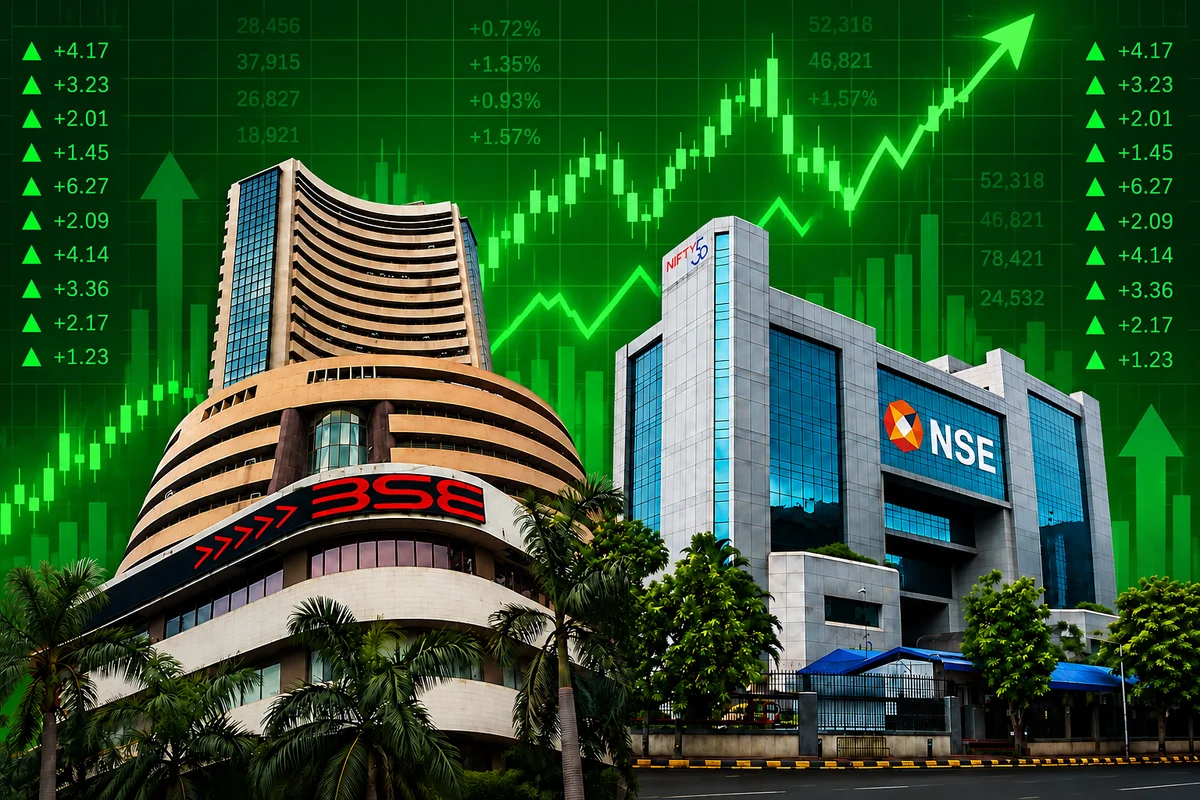
Sensex and Nifty trade higher as investors assess the Federal Reserve's latest rate decision, rupee movement, IT stocks and broader market trends.
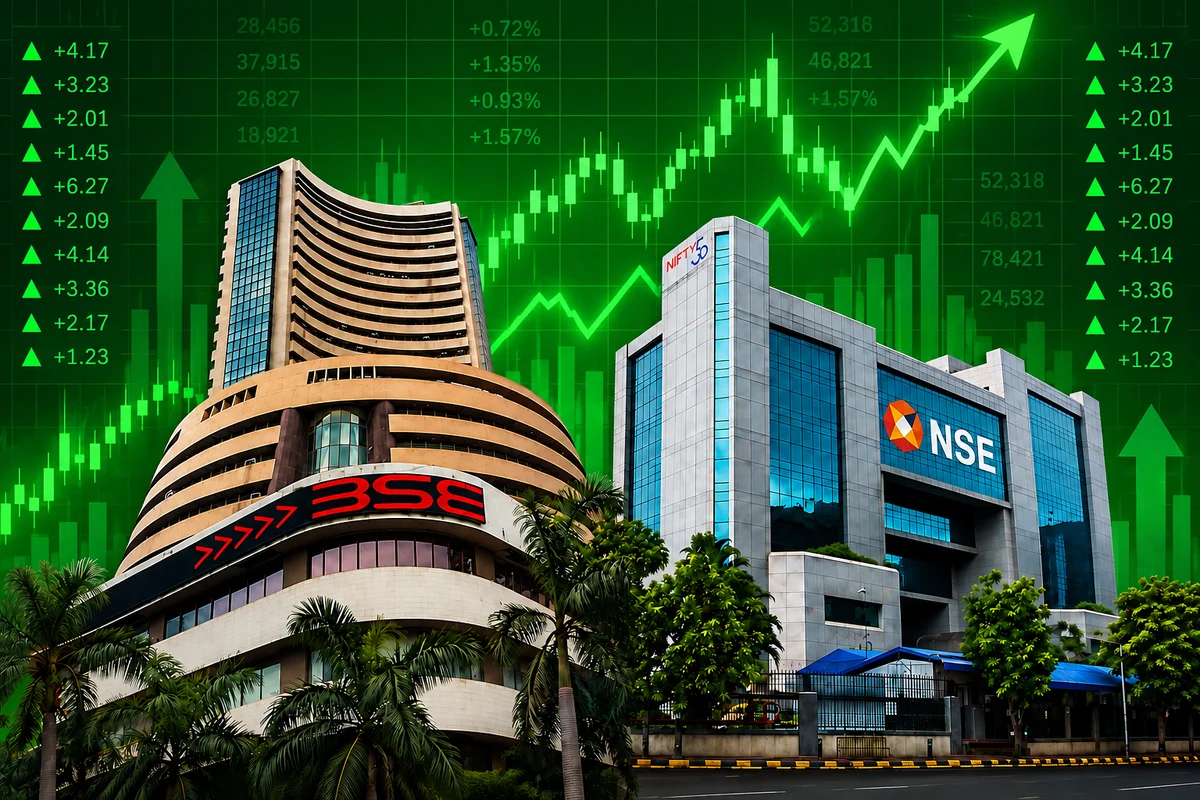
Stock market today: Sensex and Nifty trade higher as HCL Tech, M&M and Axis Bank gain, while broader markets remain under pressure amid volatile...
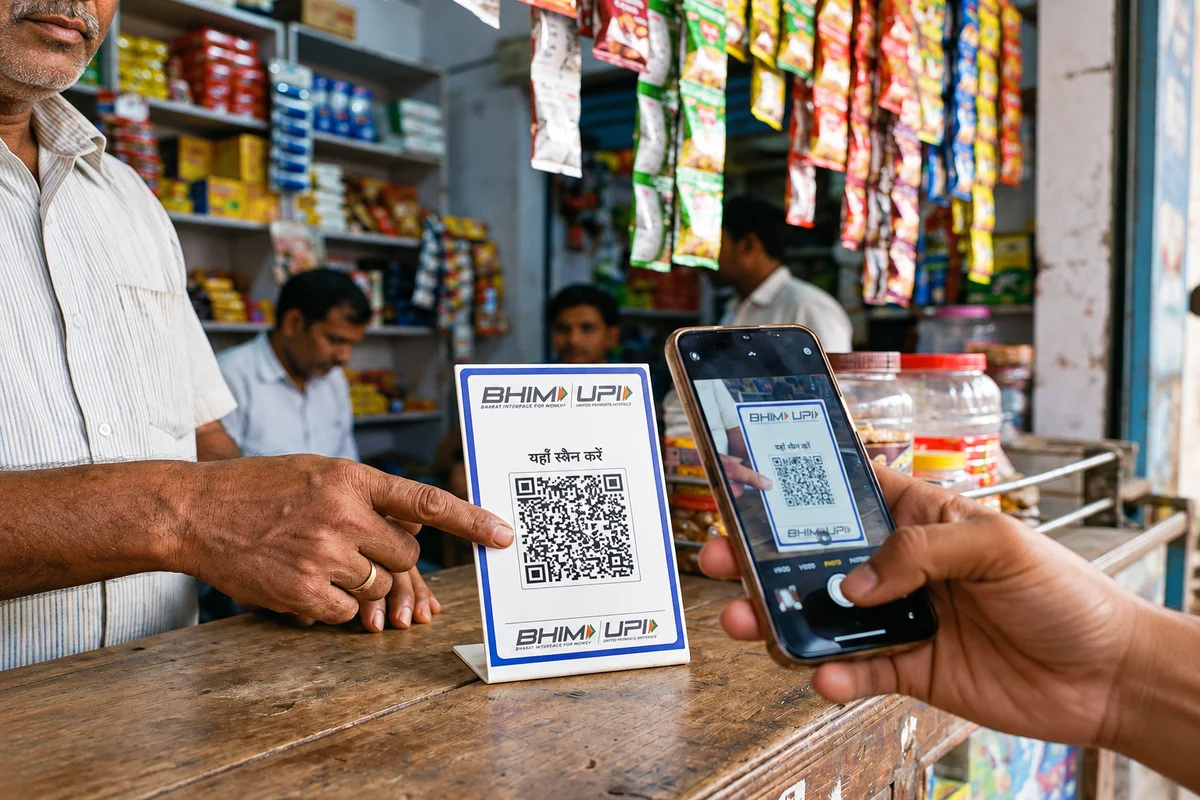
UPI payments up to ₹2,000 remain protected from direct or indirect charges under the latest government notification.

52 Week Low Stocks: Check the full list of stocks hitting fresh lows today, including HEG, Gujarat Energy, Muthoot Finance, IEX and Bikaji Foods,...