Loading market data...
Wed, 02 Sept 2026
06:57:49 am
Wed, 02 Sept 2026
06:57:49 am

Rudransh Sangwan
Published at: June 1, 2026, 7:46 PM
Synopsis
NSE vs BSE explained: Learn the key differences between India's two largest stock exchanges, compare Nifty and Sensex, trading volume, liquidity, listed companies, market capitalization, and discover which exchange is better for investors and traders in 2026.
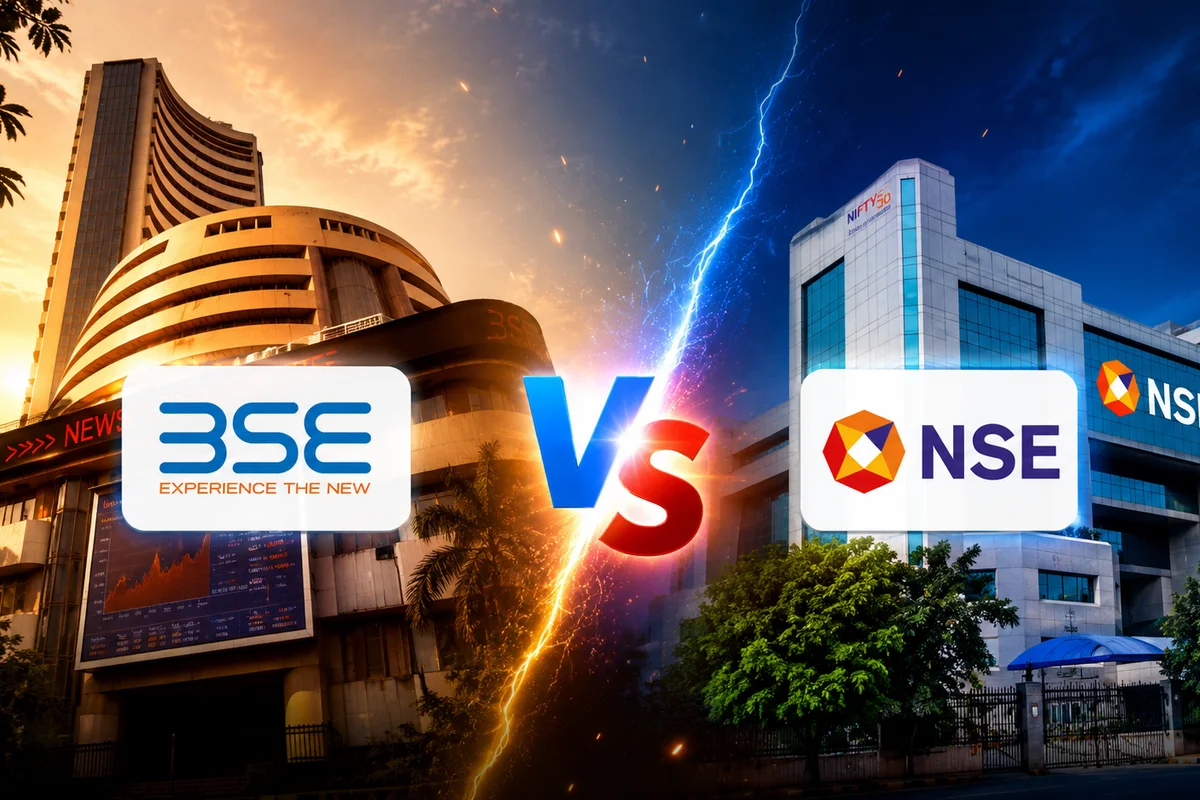
India's stock market is primarily driven by two major exchanges the National Stock Exchange (NSE) and the Bombay Stock Exchange (BSE). Every day, billions of rupees worth of shares, derivatives, exchange-traded funds (ETFs), and other securities are traded across these platforms by retail investors, institutions, mutual funds, foreign investors, and traders.
For new investors entering the stock market, one of the most common questions is whether NSE and BSE are the same, what differentiates them, and which exchange is better for buying and selling stocks.
While both exchanges perform the same fundamental function of facilitating stock market transactions, they differ significantly in terms of history, trading volume, liquidity, listed companies, benchmark indices, technology infrastructure, and investor participation.
Understanding these differences is essential for investors seeking to make informed decisions in India's rapidly growing capital markets.
A stock exchange is a regulated marketplace where investors can buy and sell financial securities such as stocks, bonds, ETFs, derivatives, and mutual fund units.
Stock exchanges ensure:
India's two dominant stock exchanges are:
| Stock Exchange | Full Name | Established |
|---|---|---|
| BSE | Bombay Stock Exchange | 1875 |
| NSE | National Stock Exchange | 1992 |
Together, these exchanges form the backbone of India's capital markets.
The Bombay Stock Exchange (BSE) is Asia's oldest stock exchange and one of the oldest stock exchanges in the world.
Founded in 1875, BSE has played a crucial role in India's economic development for over 150 years.
Today, BSE hosts thousands of listed companies across sectors including banking, IT, pharmaceuticals, manufacturing, energy, infrastructure, and consumer goods.
| Particulars | Details |
|---|---|
| Founded | 1875 |
| Headquarters | Mumbai |
| Benchmark Index | Sensex |
| Listed Companies | 5,000+ |
| Ownership | Publicly Listed |
| Market Position | Largest by number of listed companies |
BSE's benchmark index, the Sensex, is one of the most widely tracked indicators of India's stock market performance.
The National Stock Exchange (NSE) was established in 1992 with the objective of bringing greater transparency, technology, and efficiency to India's financial markets.
NSE introduced electronic screen-based trading in India and revolutionized stock market participation.
Today, NSE is India's largest stock exchange by trading volume and liquidity.
| Particulars | Details |
|---|---|
| Founded | 1992 |
| Headquarters | Mumbai |
| Benchmark Index | Nifty 50 |
| Trading Volume | Highest in India |
| Technology Platform | Fully Electronic |
| Market Position | Largest by trading activity |
NSE's Nifty 50 index is considered the benchmark for institutional investors and fund managers globally.
| Parameter | NSE | BSE |
|---|---|---|
| Founded | 1992 | 1875 |
| Benchmark Index | Nifty 50 | Sensex |
| Trading Volume | Higher | Lower |
| Liquidity | Very High | Moderate |
| Number of Listed Companies | Around 2,000+ | 5,000+ |
| Derivatives Trading | Market Leader | Smaller Market Share |
| Technology Infrastructure | Advanced | Advanced |
| Institutional Participation | Higher | Moderate |
| Retail Participation | Very High | High |
| Market Capitalization | Among world's largest | Among world's largest |
One of the biggest differences between NSE and BSE lies in their benchmark indices.
The Nifty 50 tracks the performance of 50 large-cap companies listed on NSE.
The index represents multiple sectors including:
The Sensex tracks the performance of 30 large and financially strong companies listed on BSE.
The index serves as one of India's oldest and most respected market indicators.
| Factor | Nifty 50 | Sensex |
|---|---|---|
| Exchange | NSE | BSE |
| Number of Stocks | 50 | 30 |
| Launch Year | 1996 | 1986 |
| Market Representation | Broader | Concentrated |
| Popularity Among Institutions | Very High | High |
NSE dominates daily trading activity for several reasons.
Higher trading volumes result in:
Most futures and options trading in India occurs on NSE.
Domestic and foreign institutional investors generally prefer NSE due to deeper liquidity.
NSE pioneered electronic trading systems that transformed India's stock market infrastructure.
Despite NSE's dominance in trading volume, BSE continues to play a critical role.
BSE has more listed companies than NSE.
BSE has become a leading platform for small and medium enterprises seeking public listings.
Many iconic Indian companies have been associated with BSE for decades.
BSE remains one of the world's most respected stock exchanges.
| Exchange | Approximate Listed Companies |
|---|---|
| BSE | 5,000+ |
| NSE | 2,000+ |
BSE leads significantly in terms of listed companies, making it one of the largest exchanges globally by company count.
| Category | Winner |
|---|---|
| Large-Cap Stocks | NSE |
| Futures & Options | NSE |
| Intraday Trading | NSE |
| Institutional Trading | NSE |
| Small-Cap Listings | BSE |
| SME Listings | BSE |
For active traders and institutional participants, NSE generally offers better liquidity.
Yes.
Many companies are listed on both NSE and BSE.
Examples include:
Prices may differ slightly between exchanges because of liquidity and order flow differences, but arbitrage opportunities usually keep prices aligned.
| Session | Time |
|---|---|
| Pre-Open Market | 9:00 AM – 9:15 AM |
| Normal Trading | 9:15 AM – 3:30 PM |
| Closing Session | 3:30 PM – 4:00 PM |
Trading hours remain identical on both exchanges.
India's stock market has become one of the world's largest capital markets.
| Exchange | Market Standing |
|---|---|
| NSE | Among Top Global Exchanges |
| BSE | Among Oldest & Largest Exchanges |
Both exchanges collectively represent trillions of dollars in market capitalization and play a crucial role in attracting global investment into India.
India is expected to remain one of the fastest-growing major economies over the coming decades.
Several factors are expected to support growth:
Both NSE and BSE are likely to benefit significantly from India's long-term capital market expansion.
There is no absolute winner in the NSE vs BSE debate because both exchanges serve important functions within India's financial system.
NSE dominates trading volume, liquidity, derivatives trading, and institutional activity, making it the preferred choice for traders and active investors.
BSE remains India's oldest stock exchange and offers a significantly larger universe of listed companies, particularly in the SME and small-cap segments.
For most retail investors, the practical difference is minimal because major stocks are listed on both exchanges. The choice often comes down to liquidity preferences, trading style, and specific investment objectives.
As India's stock market continues to grow, both NSE and BSE are expected to remain at the center of the country's financial ecosystem, providing investors with access to wealth creation opportunities across sectors and market capitalizations.
NSE is India's largest stock exchange by trading volume and liquidity, while BSE is Asia's oldest stock exchange and has the highest number of listed companies.
Both are suitable for beginners. However, NSE is generally preferred for its higher liquidity and trading activity.
Yes. If your broker supports inter-exchange transactions, shares purchased on one exchange can generally be sold on the other after settlement.
NSE offers higher liquidity, larger derivatives volumes, better price discovery, and greater institutional participation.
Both are important benchmarks. Nifty 50 covers 50 companies and provides broader market representation, while Sensex tracks 30 large and established companies.
Financial journalist specializing in market analysis, stock research, and investment trends. Dedicated to providing accurate, timely insights for informed decision-making.
Credentials: Experienced financial journalist with expertise in equity markets and economic analysis
The information provided in this article is for educational and informational purposes only and should not be construed as financial, investment, or legal advice. welomoney does not provide personalized investment recommendations.
For detailed terms and conditions, please read our Disclaimer and Terms of Service.
Oracle layoffs 2026: Employees brace for possible September 1 job cuts after 21,000 layoffs.
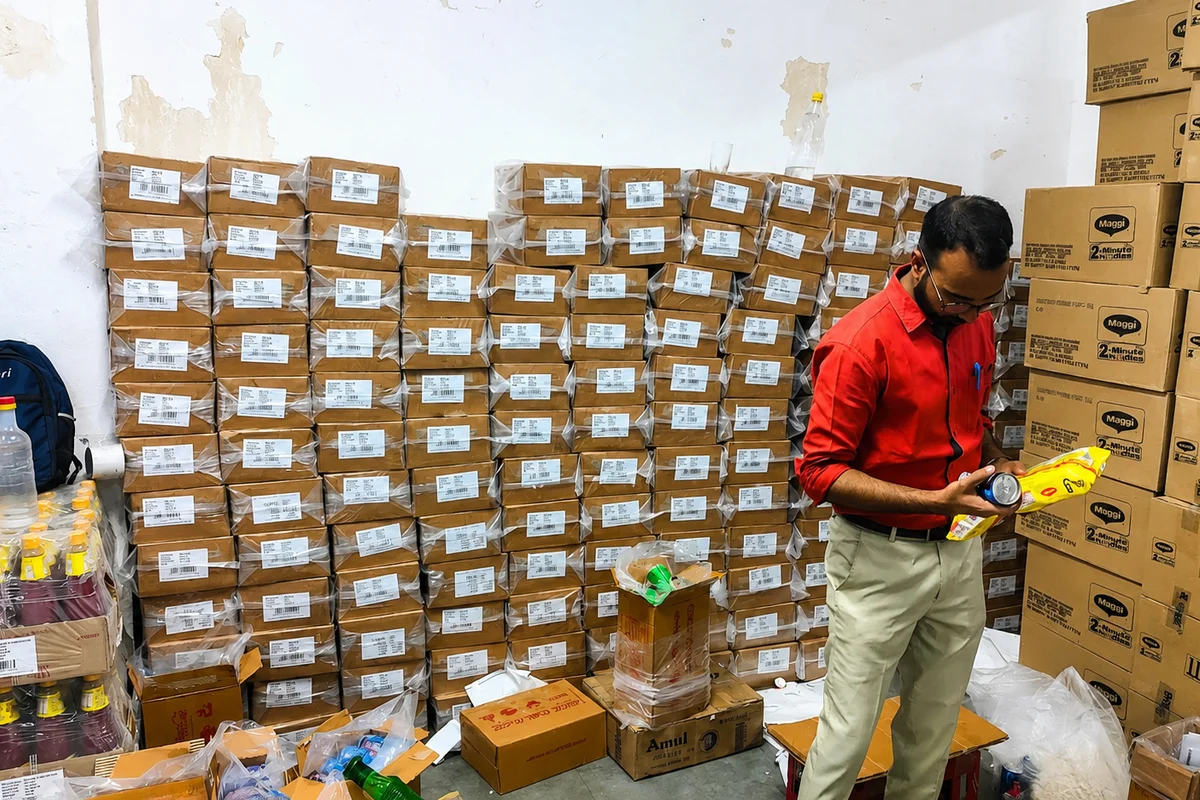
Mumbai warehouse raid uncovers tampered food labels on popular packaged food products, raising fresh concerns over food safety and export supply...
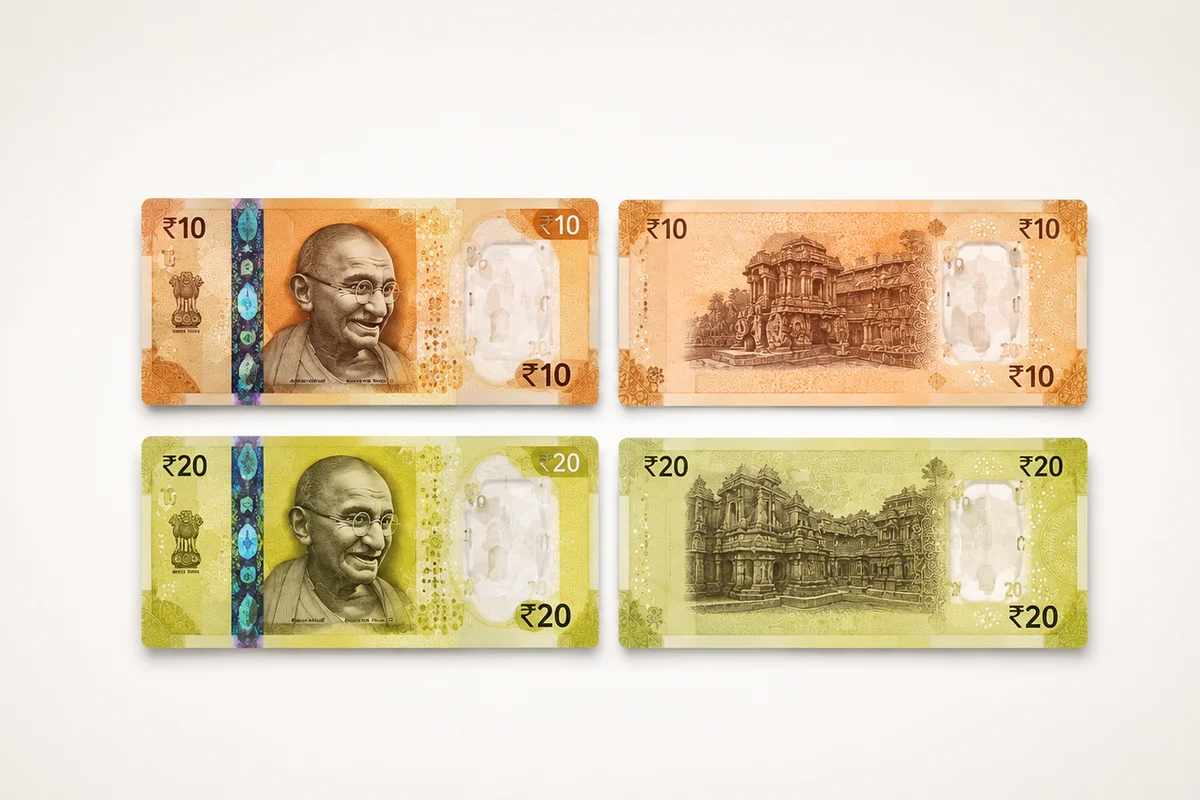
RBI plans polymer ₹10 and ₹20 notes with strict tender conditions. Check the latest on animal fat, China-Pakistan links, companies in the race and...
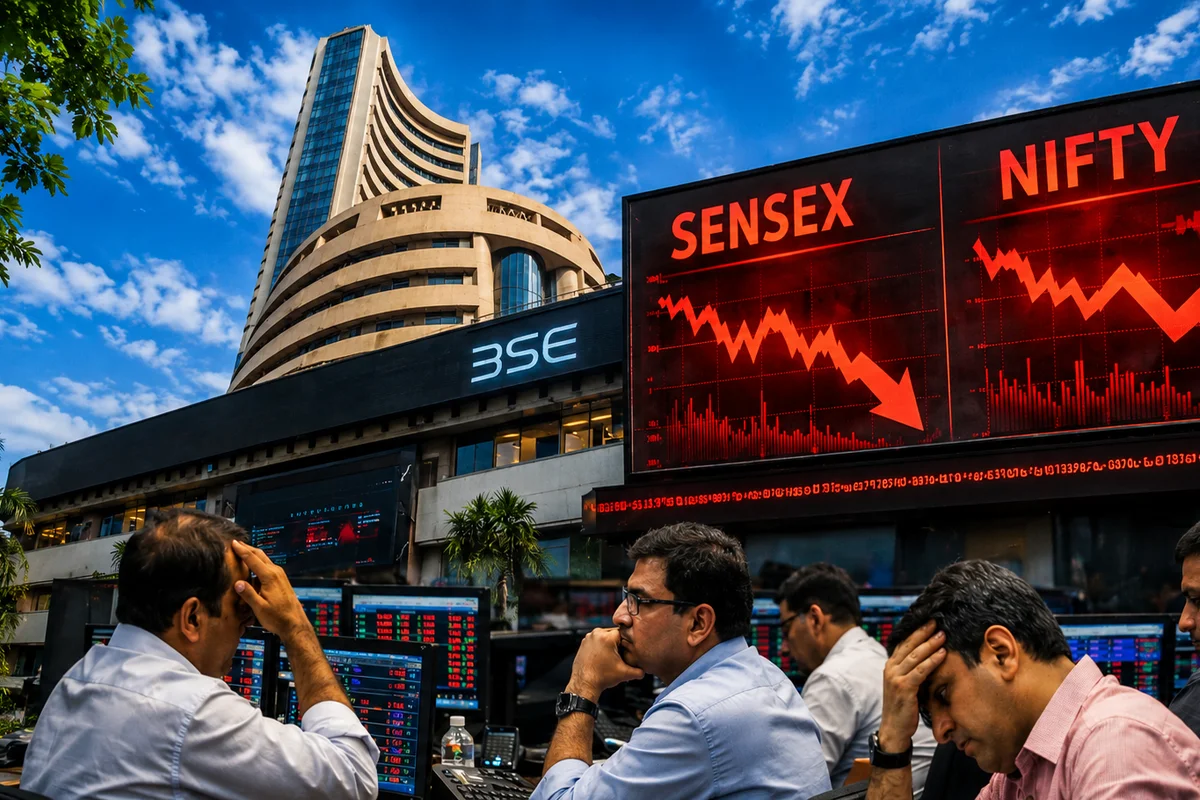
Indian stock markets fell on August 31, 2026, as renewed West Asia tensions pushed crude oil prices higher.

Indian stock market today saw sharp movements across key sectors, with major gainers and losers driving notable volatility on the NSE.