Loading market data...
Sun, 06 Sept 2026
11:45:58 am
Sun, 06 Sept 2026
11:45:58 am
Synopsis
India's stock market may open lower on June 8, 2026 as Wall Street's selloff, rising U.S. yields and weak Gift Nifty signals pressure Nifty and Sensex.
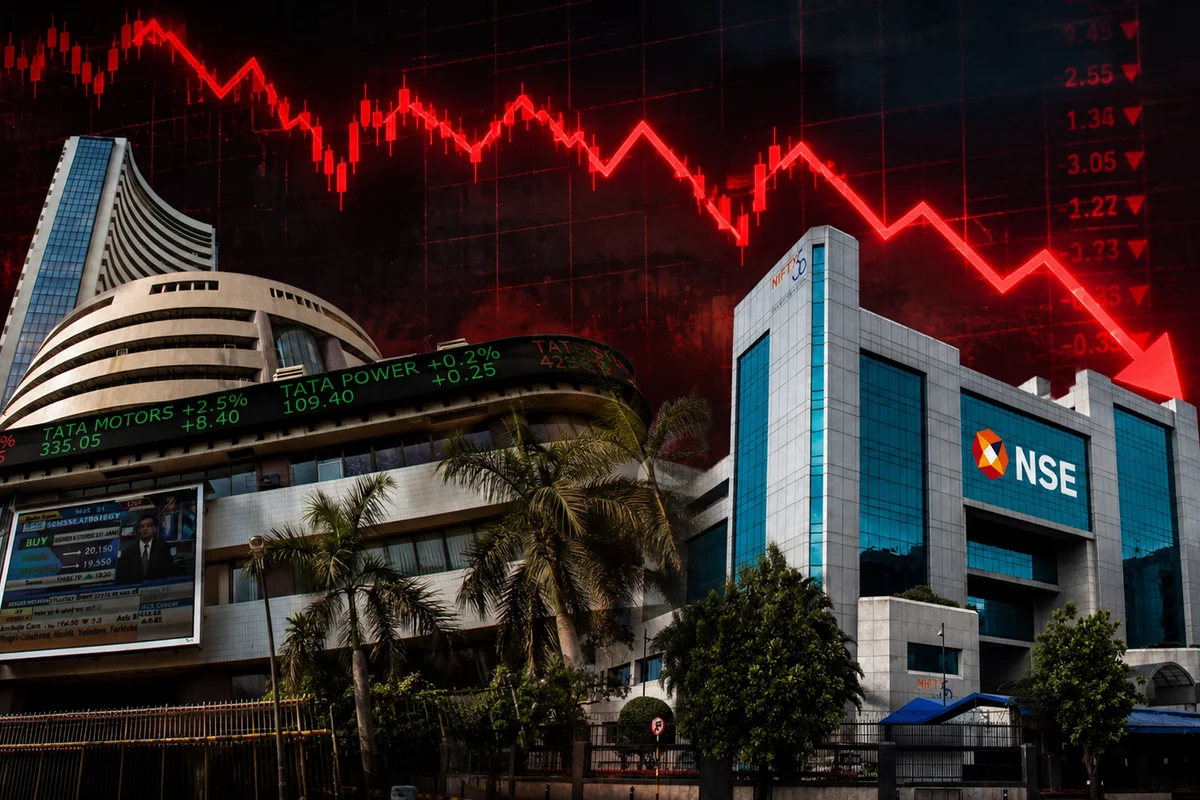
Indian equities are set for a cautious start to the week as a sharp Wall Street selloff, rising U.S. Treasury yields, and risk-off global sentiment weigh on market mood. However, supportive RBI measures, a strengthening rupee, and resilient domestic liquidity could help limit downside pressure later in the session.
| Metric | Outlook |
|---|---|
| Opening Bias | Negative |
| Nifty Outlook | Gap-Down Likely |
| Sensex Opening | 300–800 Points Lower |
| Bank Nifty | Weak Start, Recovery Possible |
| FII Sentiment | Risk-Off |
| DII Support | Expected |
| Market Volatility | High |
| Overall View | Bearish to Neutral |
| Scenario | Probability |
|---|---|
| Bearish Opening | 70% |
| Flat to Slightly Negative Opening | 20% |
| Positive Opening | 10% |
| Index | Expected Trend |
|---|---|
| Nifty 50 | Gap-Down Opening |
| Sensex | Negative Start |
| Bank Nifty | Initial Pressure |
| Midcap Index | Volatile |
| Smallcap Index | Weak Bias |
The primary catalyst for Monday's expected weakness is not domestic but global.
A significant selloff on Wall Street during Friday's session has increased risk aversion across global financial markets. Investors reacted negatively after stronger-than-expected U.S. economic data revived concerns that the Federal Reserve could maintain higher interest rates for longer than previously anticipated.
| Index | Performance |
|---|---|
| Nasdaq | -4.2% |
| S&P 500 | -2.6% |
| Technology Stocks | Significant Weakness |
| AI-Related Stocks | Broad Selling |
The sharp decline in technology and artificial intelligence stocks has important implications for emerging markets, particularly India’s technology-heavy export sector.
Global institutional investors often adjust exposure to emerging markets when risk sentiment deteriorates in developed economies.
| Global Trigger | Impact on India |
|---|---|
| Wall Street Selloff | Negative |
| Rising U.S. Yields | FII Pressure |
| Strong Dollar | Emerging Market Outflows |
| Higher Fed Expectations | Risk-Off Sentiment |
| Technology Weakness | IT Sector Pressure |
Historically, periods of aggressive U.S. market corrections often result in short-term foreign institutional selling across emerging markets, including India.
The latest U.S. jobs data strengthened expectations that interest rates may remain elevated for longer.
| Asset Class | Impact |
|---|---|
| Growth Stocks | Negative |
| Technology Sector | Negative |
| Emerging Markets | Negative |
| U.S. Dollar | Positive |
| Foreign Capital Flows | Risk |
Higher Treasury yields increase the attractiveness of U.S. assets relative to emerging market equities, often leading to temporary capital outflows.
Gift Nifty indications ahead of Monday's session suggest significant weakness at the opening bell.
| Indicator | Signal |
|---|---|
| Gift Nifty | Negative |
| Global Equities | Weak |
| Risk Appetite | Lower |
| Volatility Expectations | Elevated |
Gift Nifty has historically served as an important indicator of opening sentiment for Indian benchmark indices, particularly when global cues dominate market direction.
While global cues remain negative, India's domestic macroeconomic backdrop continues to show resilience.
Recent policy initiatives announced by the Reserve Bank of India are expected to support capital inflows and financial stability.
Key initiatives include:
| Measure | Expected Market Impact |
|---|---|
| NRI Deposit Incentives | Positive |
| Easier Borrowing Norms | Supportive |
| Bond Market Access | Positive |
| Capital Inflows | Improving |
These measures have already supported the rupee and domestic bond markets.
The Indian rupee has delivered one of its strongest weekly performances in nearly two months.
| Indicator | Trend |
|---|---|
| Rupee Performance | Positive |
| Weekly Trend | Strongest in Two Months |
| Consecutive Gains | Three Weeks |
| Import Cost Impact | Improving |
A stronger rupee helps reduce imported inflation and provides stability to foreign investors evaluating Indian assets.
Indian government bond yields have remained supportive for equity valuations.
| Indicator | Status |
|---|---|
| 10-Year Yield | Below 7% |
| Bond Sentiment | Positive |
| Domestic Liquidity | Stable |
| Interest Rate Pressure | Moderate |
Lower yields often support equity valuations by reducing financing costs and improving the attractiveness of risk assets.
The benchmark index remains trapped within an important technical range.
| Level | Significance |
|---|---|
| 23,860 | Major Breakout Zone |
| 23,500 | Immediate Resistance |
| 23,366 | Previous Close Zone |
| 23,100 | Critical Support |
| 23,000 | Major Support |
| Zone | Interpretation |
|---|---|
| Above 23,500 | Positive Bias |
| 23,100–23,500 | Consolidation |
| Below 23,100 | Bearish Risk |
| Below 23,000 | Strong Selling Pressure |
The 23,000–23,100 region remains the most important technical zone for traders and investors.
The IT sector remains the weakest segment heading into Monday's session.
| Driver | Impact |
|---|---|
| Nasdaq Correction | Negative |
| AI Stock Selloff | Negative |
| Higher U.S. Rates | Negative |
| Growth Stock Weakness | Negative |
| Company | NSE Code |
|---|---|
| Tata Consultancy Services Limited | TCS |
| Infosys Limited | INFY |
| HCL Technologies Limited | HCLTECH |
| Wipro Limited | WIPRO |
Banks could emerge as relative outperformers if domestic investors absorb foreign selling pressure.
| Positive Factors | Negative Factors |
|---|---|
| RBI Support | Global Risk-Off Mood |
| Domestic Liquidity | FII Selling Risk |
| Strong Credit Growth | Volatility |
| Stable Asset Quality | Sentiment Pressure |
| Company | NSE Code |
|---|---|
| HDFC Bank Limited | HDFCBANK |
| ICICI Bank Limited | ICICIBANK |
| State Bank of India | SBIN |
Domestic policy support continues to favor infrastructure and public-sector companies.
| Growth Driver | Impact |
|---|---|
| Government Capex | Positive |
| Infrastructure Pipeline | Strong |
| Defence Spending | Supportive |
| Domestic Investment Cycle | Positive |
| Company | NSE Code |
|---|---|
| Larsen & Toubro Limited | LT |
| Bharat Electronics Limited | BEL |
| NTPC Limited | NTPC |
| Scenario | Range |
|---|---|
| Bullish | Above 53,000 |
| Base Case | 52,000–52,800 |
| Bearish | Below 52,000 |
Banking stocks could act as a stabilizing force if domestic institutional investors remain active buyers.
One of the key themes of Monday's session will likely be the battle between foreign and domestic institutional flows.
| Participant | Expected Activity |
|---|---|
| FIIs | Likely Sellers |
| DIIs | Buy on Dips |
| Retail Investors | Selective Buying |
| Proprietary Traders | Volatility Focus |
This pattern has repeatedly emerged during periods when global weakness clashes with relatively strong domestic fundamentals.
The first 30–45 minutes after market open could determine the session's direction.
| Scenario | Suggested Approach |
|---|---|
| Gap-Down + Support Holds | Buy-on-Dips Possible |
| Gap-Down + Support Breaks | Avoid Aggressive Longs |
| Recovery Above Resistance | Momentum Trades |
| Continued Selling | Defensive Positioning |
| Positive Drivers | Impact |
|---|---|
| RBI Measures | Positive |
| Rupee Strength | Positive |
| Bond Yield Stability | Positive |
| DII Support | Positive |
| Domestic Growth Story | Strong |
| Negative Drivers | Impact |
|---|---|
| Wall Street Selloff | High |
| Rising U.S. Yields | High |
| Weak Gift Nifty | Negative |
| FII Selling Risk | Elevated |
| IT Sector Weakness | Significant |
| Outcome | Probability |
|---|---|
| Negative Close | 55% |
| Flat Close | 25% |
| Recovery Close | 20% |
Indian markets are likely to begin the week under pressure as global risk aversion triggered by Friday's sharp Wall Street correction spills into Asian and emerging-market equities.
The biggest near-term challenge for investors remains the combination of rising U.S. yields, technology-sector weakness, and the possibility of foreign institutional selling. These factors create a meaningful risk of a gap-down opening and elevated volatility during the first half of trading.
However, India's domestic fundamentals remain considerably stronger than many global peers. Supportive RBI measures, improving rupee performance, healthy domestic liquidity, and active participation from domestic institutional investors could help cushion downside risks.
The 23,000–23,100 zone on the Nifty remains the single most important level to watch. If this support region holds, markets may witness a meaningful intraday recovery. A decisive breakdown below this zone, however, could trigger a broader round of risk reduction.
For investors and traders, Monday's session is likely to be defined by volatility, sector rotation, and the ongoing battle between global risk-off sentiment and India's resilient domestic growth story.
Weak global cues, Wall Street's selloff, and negative Gift Nifty indications are weighing on sentiment.
The 23,000–23,100 zone is the most critical support area.
The IT sector is likely to face the highest pressure due to Nasdaq weakness.
Yes, banks could outperform if domestic investors absorb foreign selling.
Higher yields attract capital toward U.S. assets and away from emerging markets.
RBI measures aimed at improving capital inflows are supporting the rupee and bond markets.
FIIs are expected to remain cautious and could be net sellers.
Support levels, banking stocks, institutional flows, and early market volatility.

Financial journalist specializing in market analysis, stock research, and investment trends. Dedicated to providing accurate, timely insights for informed decision-making.
Credentials: Experienced financial journalist with expertise in equity markets and economic analysis
The information provided in this article is for educational and informational purposes only and should not be construed as financial, investment, or legal advice. welomoney does not provide personalized investment recommendations.
For detailed terms and conditions, please read our Disclaimer and Terms of Service.
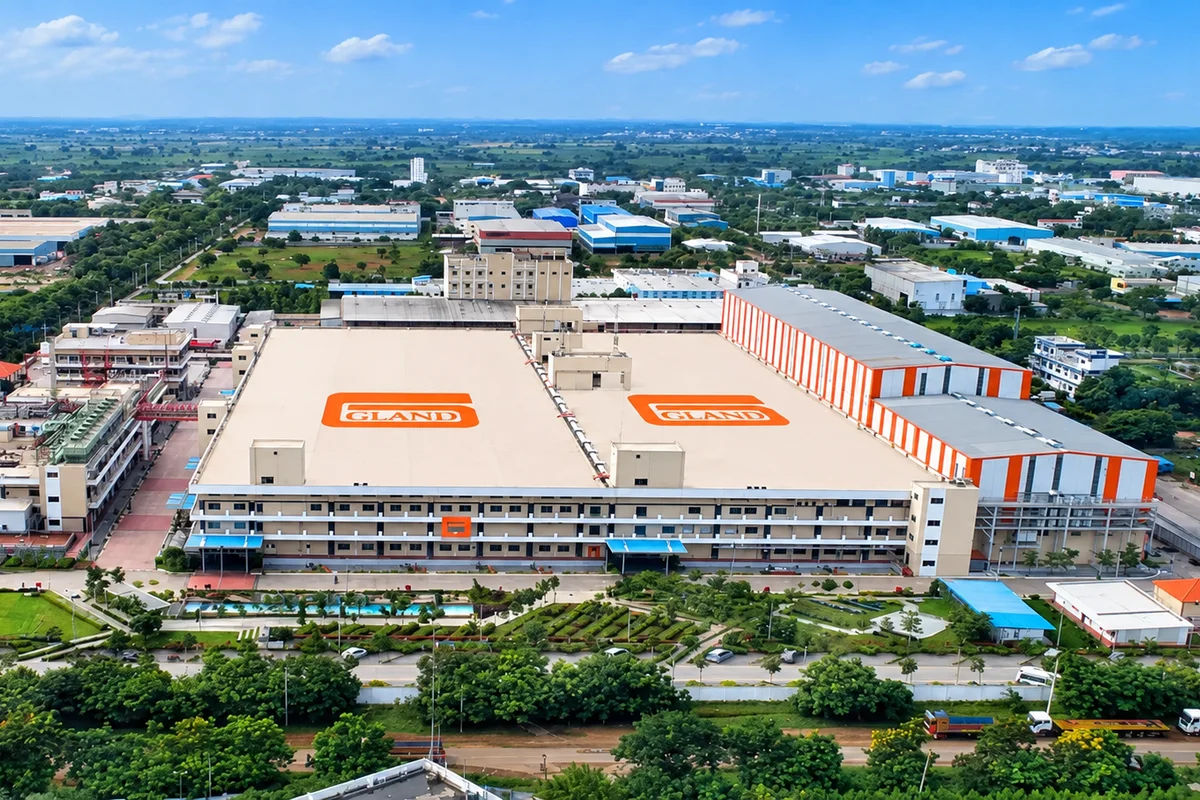
Gland Pharma, Tata Technologies and Nexus Select Trust remain in focus as major investors and shareholders make significant market transactions.

Ola Electric opens partner dealerships across India and plans a wider sales and service network as the company expands its electric scooter business.
Indian stock market today update covering Nifty 50, Sensex, Bank Nifty, FinNifty, Midcap Nifty, gold, silver, crude oil and top gainers and losers.
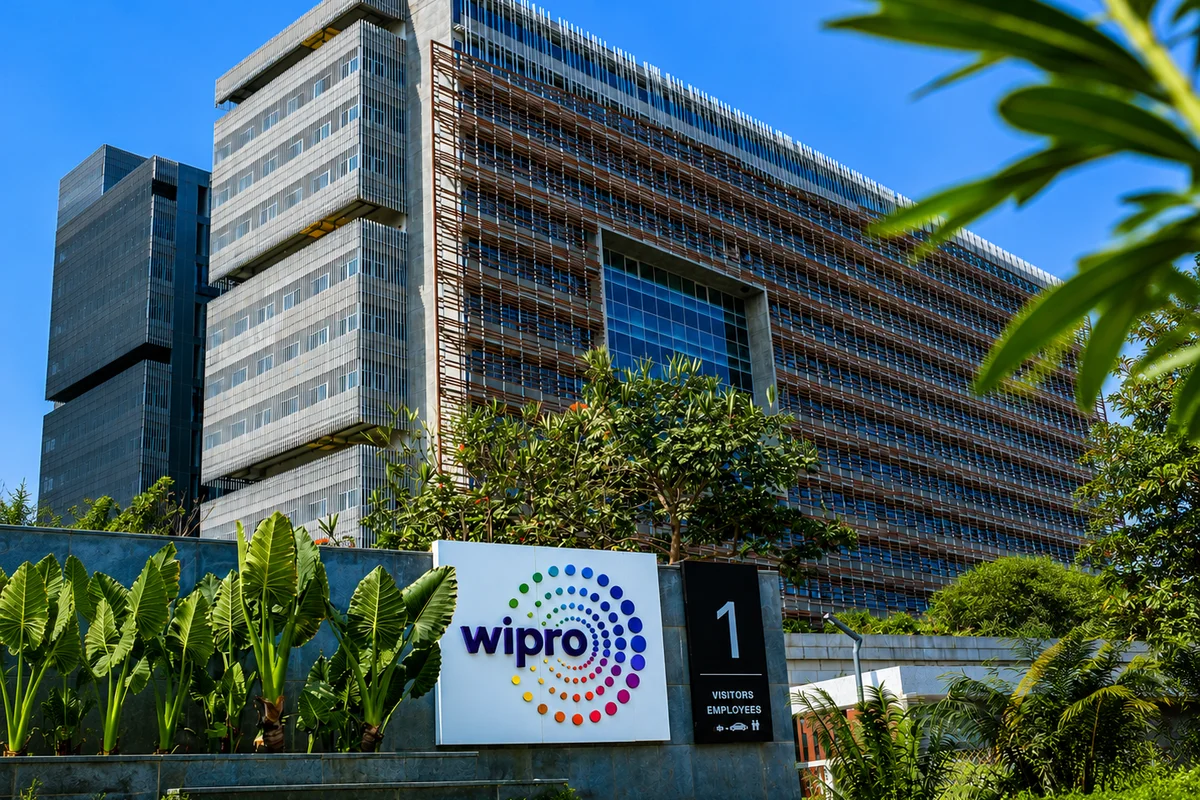
Wipro employee monitoring and TimeScope tracking are drawing attention as workplace activity, laptop usage and employee privacy come under discussion.
Indian stock market today update covering Nifty 50, Sensex, Bank Nifty, FinNifty, gold, silver, crude oil and top gainers and losers.