Loading market data...
Tue, 20 Oct 2026
03:28:54 pm
Tue, 20 Oct 2026
03:28:54 pm

Rudransh Sangwan
Published at: October 9, 2026, 6:40 AM
Synopsis
Goldman Sachs expects RBI hikes in December, February and April or June, while warning that crude oil above $100 and El Nino could threaten India's growth.
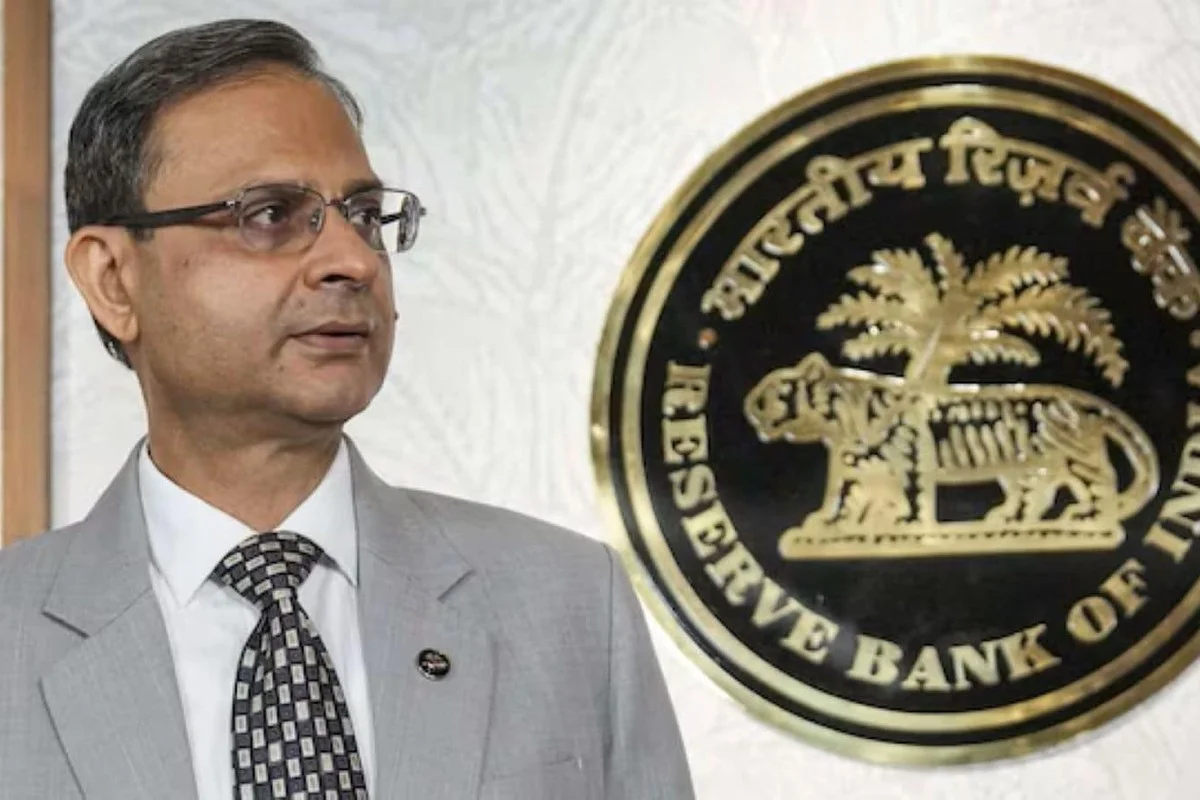
Goldman Sachs expects the Reserve Bank of India (RBI) to raise interest rates three more times by June, adding a total of 75 basis points (bps) to borrowing costs. Despite the expected monetary tightening, the investment bank forecasts that India's economic growth will remain close to 7%.
Goldman Sachs Chief India Economist Santanu SenGupta expects the RBI to take a gradual approach to rate increases, with potential hikes in December, February and either April or June. He said India's domestic demand and private sector investment could help the economy withstand pressure from global conditions.
However, higher crude oil prices, elevated US interest rates and the risk of an El Nino weather event in 2027 could complicate the outlook. Goldman Sachs sees El Nino as a particular risk to food inflation and agricultural output later in the forecast period.
Goldman Sachs expects the RBI to raise interest rates by a further 75 bps by June. The forecast points to three separate increases, although the timing of the final move remains uncertain.
SenGupta expects a rate hike in December, followed by another in February. The RBI could then pause to assess economic conditions before considering a final increase in April or June.
The bank's assessment also suggests that a larger, immediate increase may not be its base case. Some market participants have considered a 50 bps hike in December following the Indian rupee's response to a recent policy announcement. SenGupta said Goldman Sachs expects a gradual tightening cycle instead.
The bank's own measure of monetary policy hawkishness indicated that a December rate increase was likely. However, the timing and size of any move will depend on the RBI's assessment of inflation, growth and external financial conditions.
| Particulars | Goldman Sachs forecast |
|---|---|
| Additional RBI rate hikes | Three |
| Total expected rate increase | 75 bps |
| First expected hike | December |
| Second expected hike | February |
| Final expected hike | April or June |
| India's projected economic growth | About 7% |
These are Goldman Sachs' expectations, not confirmed RBI decisions. The central bank may change its approach if inflation, currency movements or economic growth differ from current assumptions.
Goldman Sachs has pointed to elevated US interest rates as a constraint on India's monetary policy choices. SenGupta noted that US 10 year Treasury yields were at levels not seen for at least 20 years, adding pressure on interest rates across emerging markets.
When US interest rates remain high, emerging market assets can become less attractive to international investors relative to US assets. This can affect foreign capital flows and put pressure on local currencies. Central banks in emerging economies may then face a more difficult balance between domestic growth, inflation and currency stability.
For India, the challenge is particularly relevant because the country imports crude oil. Higher global oil prices can increase the cost of imports and add to domestic inflation. If the rupee also faces pressure, imported goods and energy can become more expensive in local currency terms.
Goldman Sachs expects India's interest rates to adjust to these external conditions. However, its forecast does not imply that the RBI will follow a fixed schedule regardless of new economic data.
The RBI's decisions in the coming months will depend on how inflation develops and whether the economy can sustain growth while monetary policy becomes tighter.
Goldman Sachs sees El Nino as a potential threat to India's growth and inflation outlook in 2027. The weather pattern can affect rainfall and agricultural output, with weaker reservoir levels posing a risk to the rabi, or winter, harvest.
SenGupta expects the kharif, or summer, harvest to remain relatively unaffected by the anticipated El Nino event. Existing inventory levels could also help contain food inflation in the near term.
The risk may become more pronounced later. If agricultural stocks fall by 2027 and reservoir levels remain low, the rabi harvest could come under pressure. Lower food supplies could then push prices higher while weaker agricultural output weighs on economic activity.
Goldman Sachs considers this a risk that financial markets may not have fully accounted for. The bank sees the potential effects as more relevant to the later part of the forecast period than to immediate economic conditions.
The main risks to monitor are:
The timing and severity of these effects remain uncertain. Goldman Sachs continues to expect growth of about 7%, even with the potential weather related risks.
Goldman Sachs has based its projections on crude oil prices ranging between $85 and $95 per barrel. SenGupta warned that prices staying at $100 per barrel or higher would create a greater challenge for India.
India's reliance on imported oil exposes the economy to changes in global energy prices. A sustained increase can raise import costs and put pressure on domestic inflation. It can also reduce the government's fiscal flexibility if more resources are needed to manage the economic effects.
Higher oil prices can therefore create a difficult combination of slower growth and faster inflation. The RBI may have less room to ease monetary policy if energy costs feed into broader prices, while households and businesses could face higher expenses.
Goldman Sachs' growth forecast depends in part on crude oil remaining within its assumed range. A prolonged move above that range would create a downside risk to the projected expansion of the Indian economy.
Despite shocks including the COVID 19 pandemic, the Russia Ukraine conflict and tensions in the Middle East, SenGupta said India's economy had shown resilience. Domestic demand received support from fiscal measures, including GST cuts, income tax cuts and reductions in fuel excise duty. A monetary easing cycle lasting about 1.5 years also helped support activity.
Goldman Sachs believes the scope for further stimulus through tax cuts is now limited. The next phase of growth may therefore depend more heavily on private investment and the ability of businesses to expand capacity.
The bank sees early signs of a recovery in private sector capital expenditure. Investment activity is growing in areas such as power generation, defence manufacturing, electric vehicles, battery production and data centres.
SenGupta also expects earnings growth to remain in the mid teens this year. That outlook provides another indication of the bank's confidence in domestic economic activity, although the source does not provide a specific earnings growth figure for individual sectors or companies.
The broader question is whether private investment and domestic consumption can sustain growth as earlier fiscal and monetary support fades. Higher interest rates could raise financing costs, making the pace and quality of new investment important to the outlook.
Foreign investment flows remain a concern for India, according to SenGupta. He attributed the pressure partly to global investors directing capital towards artificial intelligence related opportunities in markets such as the United States, China, South Korea and Taiwan.
The movement of capital towards these markets creates an external headwind for India. It also comes at a time when higher US interest rates could influence how international investors allocate funds across emerging economies.
The situation matters because foreign capital flows can affect financial markets and currency movements. However, the source does not provide a quantified estimate of the outflows or their direct effect on India's growth forecast.
Goldman Sachs' view is that external conditions are currently a major source of pressure, while domestic investment continues to show signs of improvement.
The RBI's next policy decisions will provide a clearer indication of how the central bank is balancing inflation risks against economic growth. The expected December and February moves will be followed by a possible pause before a final hike in April or June, according to Goldman Sachs.
The outlook could change if crude oil prices remain above $100 per barrel, inflation rises faster than expected or global interest rates create further pressure on emerging market currencies. Weather conditions and agricultural stock levels will become more important as the economy moves towards 2027.
Investors and businesses will also watch whether private capital expenditure continues to grow in power, defence, electric vehicles, batteries and data centres. These investment trends, alongside earnings growth and foreign capital flows, will help indicate whether India can maintain growth near 7% during a period of tighter monetary policy.
For context, WeloMoney has also covered the RBI's repo rate and growth forecast outlook. Its earlier discussion of potential RBI rate increases in 2027 provides further context for readers tracking monetary policy expectations.
Goldman Sachs expects the RBI to raise interest rates three more times by June, adding a total of 75 bps. The expected schedule includes December, February and either April or June. These are forecasts, not confirmed policy decisions.
Goldman Sachs expects India's economic growth to remain close to 7%, even with further rate increases. The bank cites the resilience of domestic economic activity and early signs of a recovery in private sector capital expenditure.
El Nino could affect India's economy by reducing agricultural output and increasing food inflation. Goldman Sachs expects the kharif harvest to be relatively unaffected but sees lower reservoir levels and a weaker rabi harvest as risks later in the forecast period.
Goldman Sachs sees crude oil prices staying between $85 and $95 per barrel in its projections. Prices remaining at $100 per barrel or above could put greater pressure on India's economic growth and inflation.
High US interest rates can influence capital flows and put pressure on emerging market currencies and interest rates. Goldman Sachs says US 10 year Treasury yields are at levels not seen for at least 20 years, limiting the room available to emerging market central banks.
Goldman Sachs sees early signs of a private capital expenditure recovery in power generation, defence manufacturing, electric vehicles, battery manufacturing and data centres. The bank expects India's earnings growth to be in the mid teens this year.
Financial journalist specializing in market analysis, stock research, and investment trends. Dedicated to providing accurate, timely insights for informed decision-making.
Credentials: Experienced financial journalist with expertise in equity markets and economic analysis
The information provided in this article is for educational and informational purposes only and should not be construed as financial, investment, or legal advice. welomoney does not provide personalized investment recommendations.
For detailed terms and conditions, please read our Disclaimer and Terms of Service.
Diwali Muhurat Trading 2026 is scheduled for November 8 from 2:20 PM to 3:30 PM. See NSE and BSE timings, pre-open session and market schedule.
Sugar stocks fell up to 5.79% after the government barred sugarcane juice and syrup for FY27 ethanol procurement. Analysts flag earnings pressure.
NSE indices on October 16, 2026: Nifty IT rises 3.12%, Nifty 50 gains 0.49%, while Nifty FMCG, Capital Market and Bank indices decline.
India-US trade deal could influence Sensex, Nifty 50 and export stocks. Explore five sectors to watch and the key factors investors should track.
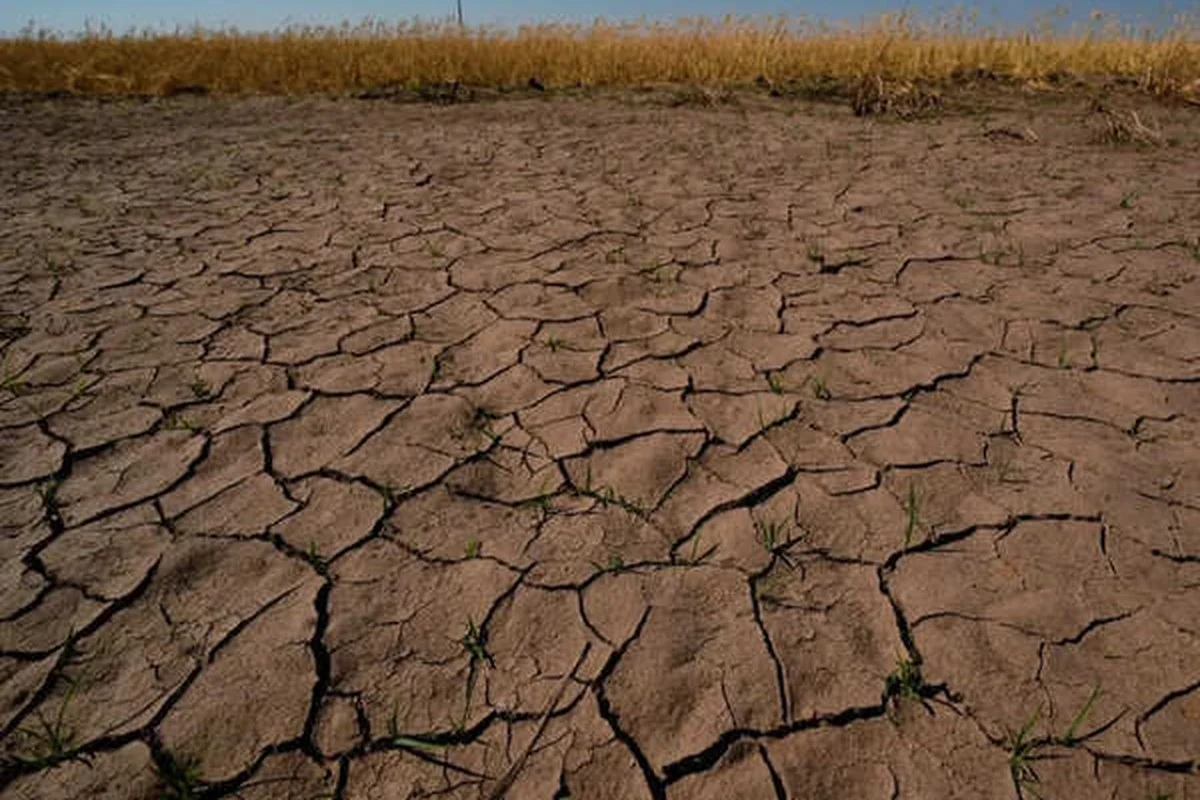
India agricultural growth may approach zero as El Niño threatens crops, with output potentially falling 4%.