Loading market data...
Tue, 20 Oct 2026
03:31:28 pm
Tue, 20 Oct 2026
03:31:28 pm

Rudransh Sangwan
Published at: October 12, 2026, 12:01 PM
Synopsis
India's rural inflation reached 6.08% and urban inflation rose to 4.88% in September, while restaurant services inflation stood at 9.36%.
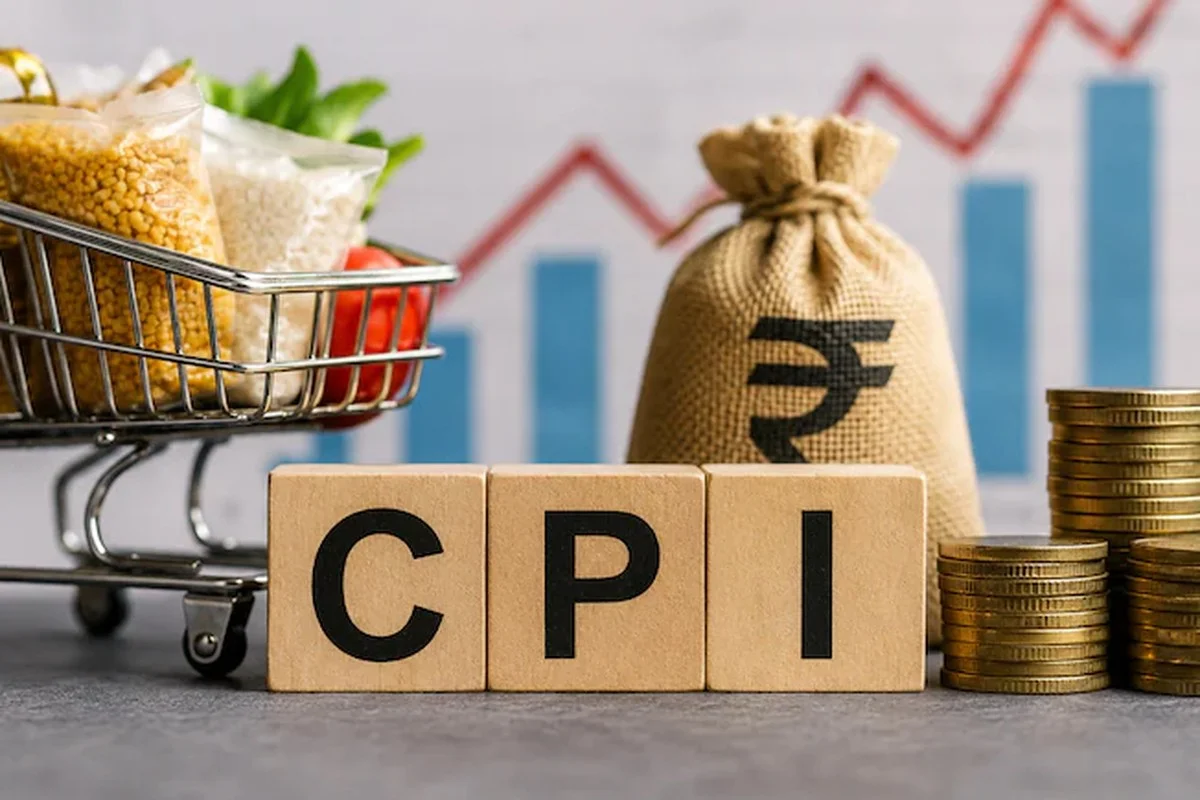
India's consumer price index inflation rose to 5.54% in September, its highest level in 23 months, as food prices increased. Data released by the Ministry of Statistics and Programme Implementation on Monday showed that retail inflation accelerated from the previous month.
The September reading was slightly below the market estimate of 5.58%. However, inflation remained above the Reserve Bank of India's target for the fourth consecutive month, with food prices adding to pressure on household budgets.
Food inflation rose to 7.74% in September from 5.97% in August. Inflation in food and beverages also increased, while both rural and urban areas recorded higher retail inflation during the month.
Food prices were the main factor behind the increase in India's retail inflation. The Consumer Food Price Index, which tracks changes in food prices, rose to 7.74% in September from 5.97% in August. This increase indicates that households faced faster price rises for food items than they did a month earlier.
Inflation in food and beverages climbed to 7.36% from 5.66% in August. Since food is a regular household expense, a sustained increase in this category can put pressure on monthly spending, particularly for families that devote a large share of their income to essential goods.
The rise in food inflation also pushed the overall Consumer Price Index higher. Although the headline reading came in below market expectations, the increase to 5.54% marked the highest retail inflation rate in 23 months. The data points to continued price pressure even as the headline figure remained below the market forecast.
The latest data showed an increase in overall retail inflation and food inflation, alongside a wider gap between rural and urban price pressures.
| Inflation measure | September | August |
|---|---|---|
| Retail inflation, CPI | 5.54% | Not specified |
| Consumer Food Price Index | 7.74% | 5.97% |
| Food and beverages inflation | 7.36% | 5.66% |
| Rural inflation | 6.08% | 5.97% |
| Urban inflation | 4.88% | 4.31% |
| Market estimate for CPI | 5.58% | Not applicable |
The September CPI reading was 0.04 percentage points below the market estimate. However, the data also showed that food inflation accelerated by 1.77 percentage points from August, making food prices an important contributor to the overall increase.
Rural inflation rose to 6.08% in September from 5.97% in August. Urban inflation increased to 4.88% from 4.31% over the same period. Rural inflation was therefore 1.20 percentage points higher than urban inflation in September.
The difference matters because households in rural and urban areas can face different spending patterns and price pressures. The latest figures show that the increase in inflation was not confined to one area of the country.
Urban inflation also accelerated by 0.57 percentage points between August and September. Rural inflation rose by 0.11 percentage points. These changes show that price pressures increased in both categories, although the pace of the monthly rise differed.
The figures do not, by themselves, identify the exact contribution of individual food items or explain why inflation differed between rural and urban areas. The available data establishes the direction of the change but does not provide a detailed breakdown of the causes of the regional gap.
Food was not the only category with changing prices. The September figures showed different inflation rates across household goods and services, including clothing, housing, education and restaurant services.
| CPI category | September inflation |
|---|---|
| Clothing and footwear | 3.93% |
| Housing and utilities | 2.74% |
| Paan, tobacco and intoxicants | 4.80% |
| Restaurants and accommodation services | 9.36% |
| Education services | 3.94% |
| Recreation, sport and culture | 2.16% |
| Information and communication | 2.44% |
| Furnishings and household equipment | 3.11% |
| Health | 1.40% |
| Personal care and miscellaneous | 13.75% |
Restaurants and accommodation services recorded inflation of 9.36%, while education services inflation rose to 3.94% from 3.73% in August. These increases indicate that price pressures extended to certain services as well as food.
Inflation in personal care and miscellaneous items moved in the opposite direction. It fell to 13.75% in September from 15.17% in August. Despite the decline, the category continued to record a higher inflation rate than the other listed categories.
Clothing and footwear inflation stood at 3.93%, while housing and utilities recorded 2.74%. Health inflation was reported at 1.4%, with a minor month on month uptick. The source data does not provide August figures for every category, so a full comparison of monthly changes across all components is not available.
The rise in retail inflation suggests that households continued to face pressure from higher prices, particularly for food. When food inflation rises faster than overall CPI inflation, families may need to spend more to maintain their usual consumption, depending on the items they buy and how their spending is distributed.
The rural inflation rate of 6.08% was above the national CPI figure of 5.54%. Urban inflation was lower at 4.88%, although it also increased from August. This difference provides a useful view of how inflation pressures varied across the two areas.
The category figures also show why the headline inflation rate does not tell the full story of household expenses. A household spending a larger share of its budget on food may experience a different change in living costs from one with higher spending on housing, education or services.
For broader household cost comparisons, readers can also follow changes in petrol and diesel prices across states. Fuel prices are a separate component of household expenses, and the supplied inflation figures do not establish how much fuel prices contributed to the September CPI increase.
The September CPI figure remained above the Reserve Bank of India's inflation target for the fourth consecutive month. That is an important development for monetary policy because the RBI monitors consumer inflation when assessing price stability.
However, the September reading alone does not establish what the central bank will do next. The supplied data does not include a new RBI policy decision, a change in interest rates or an updated inflation forecast from the central bank.
Food inflation will remain an important part of the picture because it rose substantially between August and September. The next inflation release will help show whether the latest increase was followed by further acceleration or whether price pressures eased.
Changes in household expenses can also affect consumer spending and business costs. For example, persistent food price increases may leave households with less money for discretionary purchases. The September CPI data, however, does not quantify any resulting change in consumption.
The next set of inflation data will help establish whether September marked a temporary increase or part of a longer period of rising prices. The figures to monitor include:
Readers following the broader Indian economy can also track developments in India's financial services sector, although company share price movements are distinct from the official measure of consumer inflation.
The next CPI release will provide a clearer picture of whether food price pressures have eased and how inflation is moving across rural and urban India. Until then, the September data establishes that retail inflation reached a 23 month high even though the reading was marginally below market expectations.
India's retail inflation rate was 5.54% in September, the highest in 23 months. The figure was slightly below the market estimate of 5.58%, but inflation remained above the RBI's target for the fourth consecutive month.
India's CPI inflation rose mainly because food prices increased. The Consumer Food Price Index climbed to 7.74% in September from 5.97% in August, while food and beverages inflation rose to 7.36% from 5.66%.
India's food inflation rate, measured by the Consumer Food Price Index, was 7.74% in September, up from 5.97% in August. Food and beverages inflation separately stood at 7.36% during September.
Yes, rural inflation was 6.08% in September, compared with urban inflation of 4.88%. Rural inflation increased from 5.97% in August, while urban inflation rose from 4.31%.
Personal care and miscellaneous recorded the highest inflation among the listed CPI categories at 13.75% in September. The rate was lower than the 15.17% recorded in August, while restaurants and accommodation services inflation stood at 9.36%.
September's CPI inflation rate of 5.54% remained above the RBI's target for the fourth consecutive month. The figure is relevant to monetary policy, but the September data alone does not confirm any change in interest rates or the central bank's next decision.
Financial journalist specializing in market analysis, stock research, and investment trends. Dedicated to providing accurate, timely insights for informed decision-making.
Credentials: Experienced financial journalist with expertise in equity markets and economic analysis
The information provided in this article is for educational and informational purposes only and should not be construed as financial, investment, or legal advice. welomoney does not provide personalized investment recommendations.
For detailed terms and conditions, please read our Disclaimer and Terms of Service.

Diwali Muhurat Trading 2026 is scheduled for November 8 from 2:20 PM to 3:30 PM. See NSE and BSE timings, pre-open session and market schedule.
Sugar stocks fell up to 5.79% after the government barred sugarcane juice and syrup for FY27 ethanol procurement. Analysts flag earnings pressure.

NSE indices on October 16, 2026: Nifty IT rises 3.12%, Nifty 50 gains 0.49%, while Nifty FMCG, Capital Market and Bank indices decline.

India-US trade deal could influence Sensex, Nifty 50 and export stocks. Explore five sectors to watch and the key factors investors should track.
India agricultural growth may approach zero as El Niño threatens crops, with output potentially falling 4%.