Loading market data...
Tue, 29 Sept 2026
07:40:12 pm
Tue, 29 Sept 2026
07:40:12 pm

Rudransh Sangwan
Published at: May 11, 2026, 7:05 AM
Synopsis
Brent crude climbed above $105 and WTI neared $100 on May 11, 2026, as escalating Iran-related geopolitical tensions and continued disruptions around the Strait of Hormuz triggered renewed volatility in global oil markets. Supply concerns, OPEC+ production decisions, and macroeconomic pressures continue driving energy prices higher.
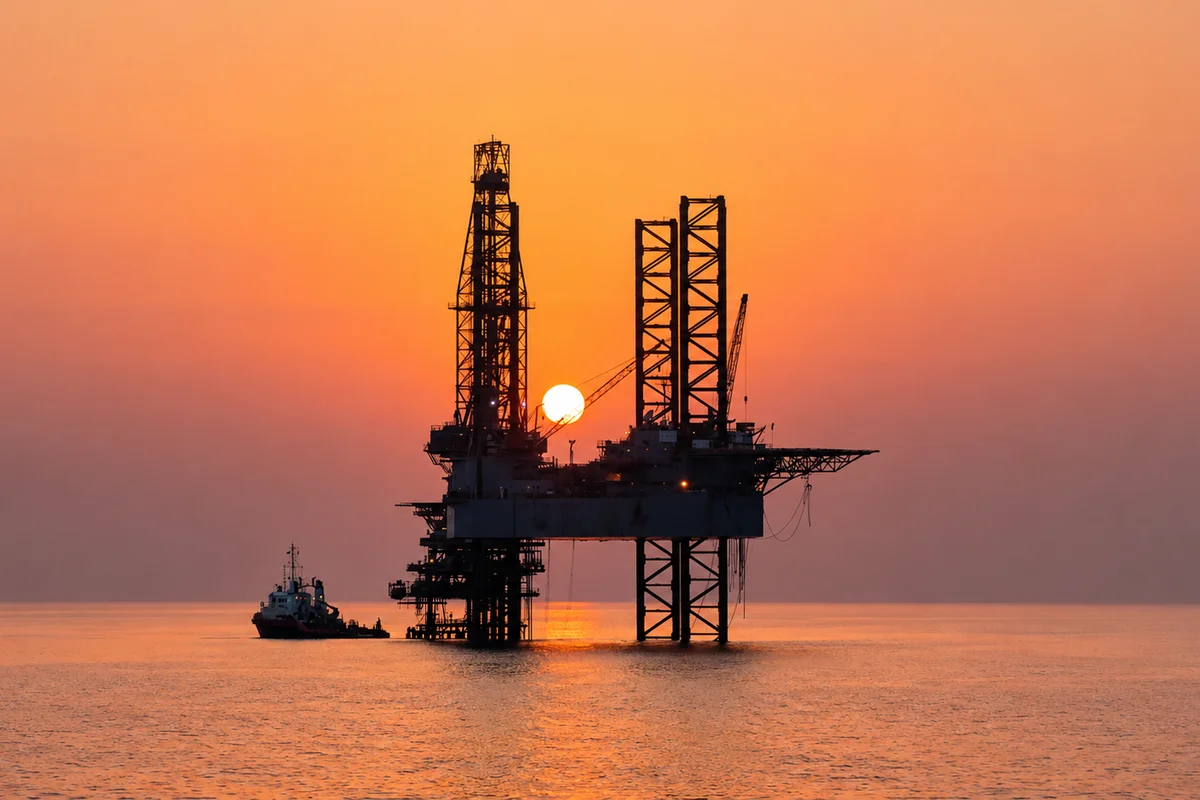
Global crude oil prices surged sharply on Monday, May 11, 2026, as escalating geopolitical tensions involving Iran and continued disruptions around the Strait of Hormuz pushed energy markets back into extreme volatility mode. Brent crude climbed above the critical $105 per barrel level, while WTI crude approached the $100 mark as traders reacted to persistent supply concerns and growing fears of prolonged disruptions in global energy trade routes.
The oil market continues to remain highly sensitive to geopolitical headlines, with every development surrounding the Middle East conflict triggering significant price swings across commodities, currencies, equities, and bond markets globally.
As of mid-day GMT on May 11, 2026, benchmark crude oil prices traded significantly higher.
| Benchmark | Price | Daily Change |
|---|---|---|
| Brent Crude | $105.47 per barrel | +4.13% |
| WTI Crude | $99.73 per barrel | +4.52% |
Brent crude has remained structurally elevated above the $100 level for several weeks after briefly surging beyond $120 per barrel earlier this year during peak geopolitical escalation.
The dominant catalyst behind the current rally remains the ongoing geopolitical conflict involving Iran and the continued disruption around the Strait of Hormuz.
The Strait of Hormuz remains one of the world’s most strategically important maritime oil routes, handling a significant share of global crude oil and LNG shipments. Since early March 2026, disruptions and shipping restrictions in the region have created severe supply-side uncertainty for global energy markets.
| Factor | Impact on Oil Markets |
|---|---|
| Major Global Oil Route | Handles large global crude exports |
| LNG Shipping Corridor | Critical for gas exports |
| Supply Chain Disruption | Causes immediate supply fears |
| Tanker Delays | Tightens short-term availability |
| Geopolitical Risk | Increases market volatility |
Industry analysts believe the market is now pricing in a significant “fear premium” due to uncertainty around how long disruptions could continue.
Even if diplomatic negotiations progress, traders expect logistical normalization across Gulf shipping routes to take several months because of tanker congestion, insurance complications, and supply chain backlogs.
In an attempt to stabilize energy markets, OPEC+ recently announced plans to increase production beginning June 2026.
| Development | Details |
|---|---|
| Production Increase | 188,000 barrels per day |
| Effective From | June 2026 |
| Key Countries | Saudi Arabia, Russia, Iraq |
| Market Reaction | Viewed as limited relief |
However, markets largely viewed the additional supply as insufficient compared to the magnitude of disruptions linked to the Hormuz situation.
Another major development shaking energy markets is the formal exit of the United Arab Emirates from OPEC and OPEC+, effective May 1, 2026. The move has raised concerns over internal disagreements within the oil alliance regarding production policies and market strategy during the ongoing crisis.
While supply disruptions are pushing prices sharply upward, weakening global demand conditions are preventing oil from entering an uncontrolled rally.
The International Energy Agency (IEA) recently warned that global oil demand could contract this year due to the economic impact of elevated energy prices and slowing global growth.
China, historically one of the world’s biggest crude oil demand drivers, is witnessing significantly slower energy demand growth in 2026.
Analysts point toward several structural reasons:
Industry projections indicate EV penetration in China could approach nearly 60% of new car sales by 2027, permanently reducing long-term oil demand growth potential.
The return of sustained triple-digit crude oil prices is now creating major macroeconomic challenges globally.
| Region | Key Risk |
|---|---|
| Europe | Stagflation and recession risks |
| United States | Sticky inflation pressures |
| Emerging Markets | Currency depreciation |
| Oil Importers | Rising import bills |
| Manufacturing Economies | Margin compression |
Energy-intensive sectors such as aviation, chemicals, logistics, transportation, and manufacturing are expected to face increasing cost pressure if crude prices remain elevated for a prolonged period.
The current energy shock is also complicating monetary policy decisions globally.
In the United States, persistent energy inflation is preventing the Federal Reserve from aggressively cutting rates, which has kept the US Dollar Index relatively strong.
A stronger dollar further pressures emerging market currencies because crude oil imports are largely denominated in dollars.
India remains highly sensitive to crude oil volatility because the country imports a large portion of its energy requirements.
However, India’s domestic demand resilience and continued economic growth are helping partially cushion the broader macroeconomic impact.
| Sector | Reason |
|---|---|
| Upstream Oil Companies | Higher crude realization |
| Energy Exporters | Revenue growth |
| Oil Exploration Firms | Improved profitability |
| Sector | Key Risk |
|---|---|
| Aviation | Higher fuel costs |
| Logistics | Margin pressure |
| Chemicals | Rising raw material costs |
| Paints & Manufacturing | Input inflation |
| Oil Marketing Companies | Pricing pressure |
Commodity strategists currently describe the oil market as a “headline-driven battlefield” where geopolitical developments are dominating traditional supply-demand fundamentals.
| Scenario | Brent Price Outlook |
|---|---|
| Escalation in Conflict | $110–$115 possible |
| Continued Hormuz Restrictions | Sustained prices above $100 |
| Diplomatic Breakthrough | Short-term correction likely |
| Full Supply Normalization | Gradual stabilization |
Analysts believe that even if diplomatic progress emerges, structural supply tightness and shipping disruptions could keep oil prices elevated above historical averages throughout much of 2026.
Global crude oil markets remain under extreme pressure as geopolitical tensions, supply disruptions, and fragile macroeconomic conditions continue driving sharp price volatility.
While OPEC+ production increases may provide limited short-term relief, the broader market remains dominated by uncertainty surrounding the Strait of Hormuz and Middle East stability.
As long as supply-chain disruptions and geopolitical risks persist, crude oil prices are expected to remain elevated, keeping inflation, currency volatility, and global economic uncertainty firmly in focus for investors and policymakers worldwide.
Financial journalist specializing in market analysis, stock research, and investment trends. Dedicated to providing accurate, timely insights for informed decision-making.
Credentials: Experienced financial journalist with expertise in equity markets and economic analysis
The information provided in this article is for educational and informational purposes only and should not be construed as financial, investment, or legal advice. welomoney does not provide personalized investment recommendations.
For detailed terms and conditions, please read our Disclaimer and Terms of Service.
No additional articles in this category yet.