Loading market data...
Sun, 13 Sept 2026
07:03:24 pm
Sun, 13 Sept 2026
07:03:24 pm

Rudransh Sangwan
Published at: April 28, 2026, 7:23 AM
Synopsis
Crude oil prices surged from $72 to around $97 between February and April 2026 due to geopolitical tensions, supply disruption fears, and strong market speculation, creating a sharp shift in global energy pricing. The rally moved through phases of early risk pricing, panic spikes, and stabilization at higher levels, while rupee weakness further amplified the impact on India. This trend highlights how geopolitical events drive crude oil volatility, inflation, and long-term structural changes in global commodity markets.
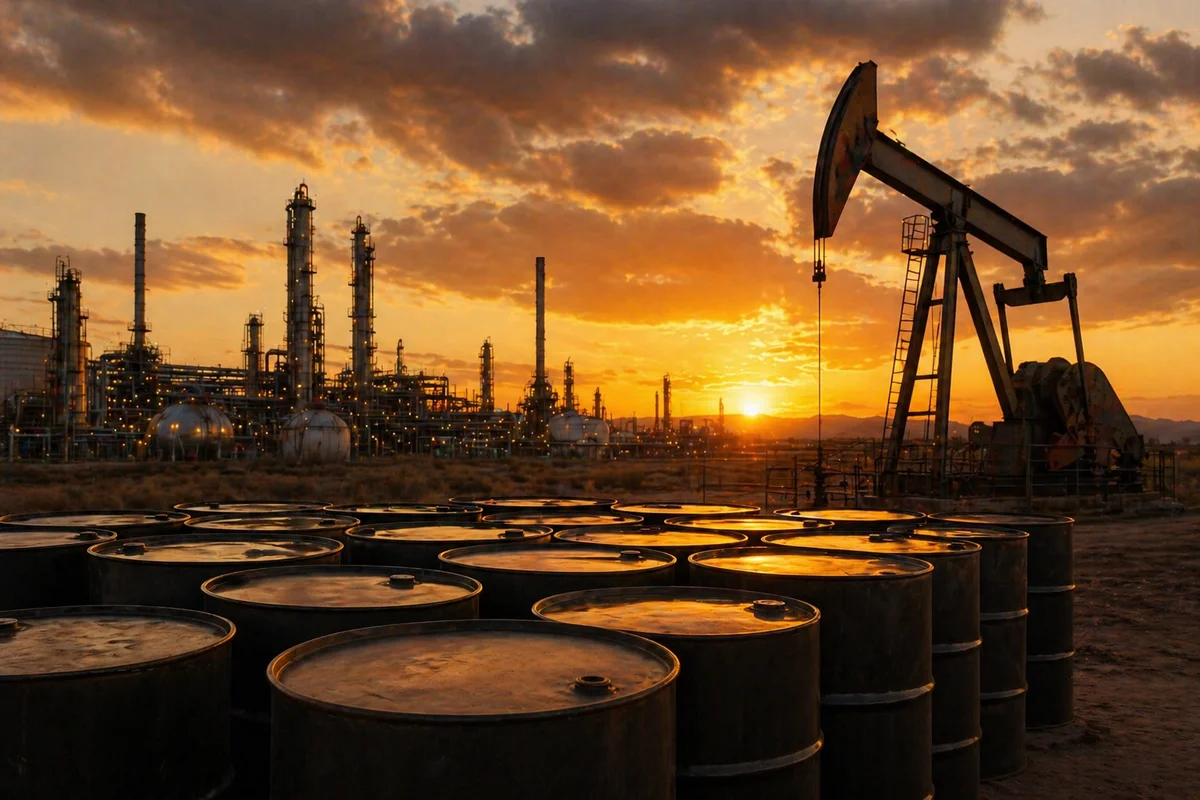
The movement in global crude oil prices between February and April 2026 reflects one of the most powerful examples of geopolitical influence on commodity markets. What started as a stable pricing environment quickly transformed into a volatile, multi-phase rally driven by supply fears, speculative activity, and macroeconomic shifts.
This shift is critical for investors, traders, and policymakers because it highlights how oil markets price risk ahead of actual events. The move from $72 to nearly $100 was not just a temporary spike but a structural repricing of global energy risk.
Before the conflict escalated, crude oil markets were operating in a balanced environment with limited volatility and predictable demand-supply dynamics. Prices around $72 reflected equilibrium conditions supported by stable global demand and controlled production levels.
| Parameter | Value |
|---|---|
| Date | 28 Feb 2026 |
| Crude Price (USD) | $72 |
| Crude Price (INR) | ₹6,552 |
| Market Condition | Stable |
| Risk Premium | Low |
At this stage, inflation pressures were controlled and no geopolitical risk was priced into oil.
Key Takeaways
As tensions escalated, oil markets reacted instantly. Prices moved sharply even before actual disruptions occurred, showing how expectations drive markets.
| Date | Trigger | Oil ($) | Oil (₹) | % Change ($) | % Change (₹) |
|---|---|---|---|---|---|
| 03 Mar | Supply concerns | 81 | ₹7,450 | +12.5% | +13.7% |
| 07 Mar | Shipping risks | 90 | ₹8,325 | +25% | +27% |
This phase shows that financial markets react faster than real-world supply chains.
Key Takeaways
The most aggressive movement occurred during the panic phase. Prices surged rapidly as traders priced worst-case scenarios.
| Date | Event | Oil Range ($) | Oil Range (₹) | % Change ($) | % Change (₹) |
|---|---|---|---|---|---|
| 09 Mar | Panic spike | 95 to 119 | ₹8,835 to ₹11,113 | +32% to +65% | +35% to +69% |
This phase reflects emotional trading behavior where fear dominates rational pricing.
Key Takeaways
After panic stabilized, oil entered a sustained uptrend driven by real supply concerns and institutional demand.
| Date | Event | Oil ($) | Oil (₹) | % Change ($) | % Change (₹) |
|---|---|---|---|---|---|
| 13 Mar | Conflict escalation | 103 | ₹9,661 | +43% | +47% |
| 17 Mar | Continued rally | 112 | ₹10,528 | +55% | +60% |
| 26 Mar | Peak level | 113 | ₹10,679 | +57% | +63% |
This phase confirms that the price movement was structural, not temporary.
Key Takeaways
After reaching peak levels, oil prices corrected but remained elevated. Markets started absorbing the shock.
| Date | Event | Oil ($) | Oil (₹) | % Change ($) | % Change (₹) |
|---|---|---|---|---|---|
| 30 Mar | Cooling begins | 103 | ₹9,702 | +43% | +48% |
| 05 Apr | Decline phase | 96 | ₹8,928 | +33% | +36% |
| 10 Apr | Range formation | 99 | ₹9,030 | +37% | +38% |
Markets moved from panic to consolidation.
Key Takeaways
By late April, oil stabilized around $97, forming a new baseline significantly higher than before the conflict.
| Date | Phase | Oil ($) | Oil (₹) | % Change ($) | % Change (₹) |
|---|---|---|---|---|---|
| 20 Apr | Stabilized | 97 | ₹9,118 | +35% | +39% |
| 28 Apr | Current | 97 | ₹9,137 | +35% | +39% |
This confirms that markets had fully repriced geopolitical risk.
Key Takeaways
India faced a higher impact due to rupee weakness, which amplified global oil price increases.
| Metric | Increase |
|---|---|
| Oil Price (USD) | +35% |
| Oil Price (INR) | +39% |
Key Takeaways
The rise in oil prices has broader consequences across sectors.
Key Takeaways
The crude oil movement from $72 to around $97 represents a complete structural shift rather than a temporary spike. Markets moved through clear stages including stability, shock, panic, rally, and stabilization.
The key insight is simple but powerful Markets price expectations first, reality later
Geopolitical events do not just create short-term volatility. They redefine long-term pricing structures across global markets.
Crude oil prices surged because geopolitical tensions created fear of supply disruptions, especially in key shipping routes. Markets priced these risks early, leading to a rapid increase even before actual shortages occurred
Prices remained elevated because the conflict introduced a long-term risk premium. Even after panic reduced, markets continued pricing uncertainty and supply risks
Higher oil prices increase fuel costs, raise inflation, weaken the rupee, and increase the import bill. This impacts both consumers and businesses across the economy
Financial journalist specializing in market analysis, stock research, and investment trends. Dedicated to providing accurate, timely insights for informed decision-making.
Credentials: Experienced financial journalist with expertise in equity markets and economic analysis
The information provided in this article is for educational and informational purposes only and should not be construed as financial, investment, or legal advice. welomoney does not provide personalized investment recommendations.
For detailed terms and conditions, please read our Disclaimer and Terms of Service.

Brent crude is near $110 as Hormuz and Red Sea disruptions tighten global supply. Here's what could drive oil toward $120 and how higher crude could...

Check petrol and diesel prices across India on September 9, 2026, including Delhi, Mumbai and other major cities.
Crude oil prices climbed for a fourth session as Middle East tensions raised supply concerns. See Brent, WTI and MCX crude prices and the risks ahead.
Petrol and diesel prices today across India, with state wise and city wise fuel rates, cheapest and costliest prices and latest petrol diesel updates.
Petrol and diesel prices today across India, including the cheapest and costliest states, major city fuel rates and how petrol and diesel prices are...