Loading market data...
Tue, 20 Oct 2026
05:03:06 pm
Tue, 20 Oct 2026
05:03:06 pm

Rudransh Sangwan
Published at: July 16, 2026, 1:18 AM
Synopsis
Adani Power has signed a 25-year Power Supply Agreement with MSEDCL to supply 1,600 MW from a new 2x800 MW ultra-supercritical thermal power plant. The project will be developed under the DBFOO model with coal linkage secured under the Government's SHAKTI Policy.
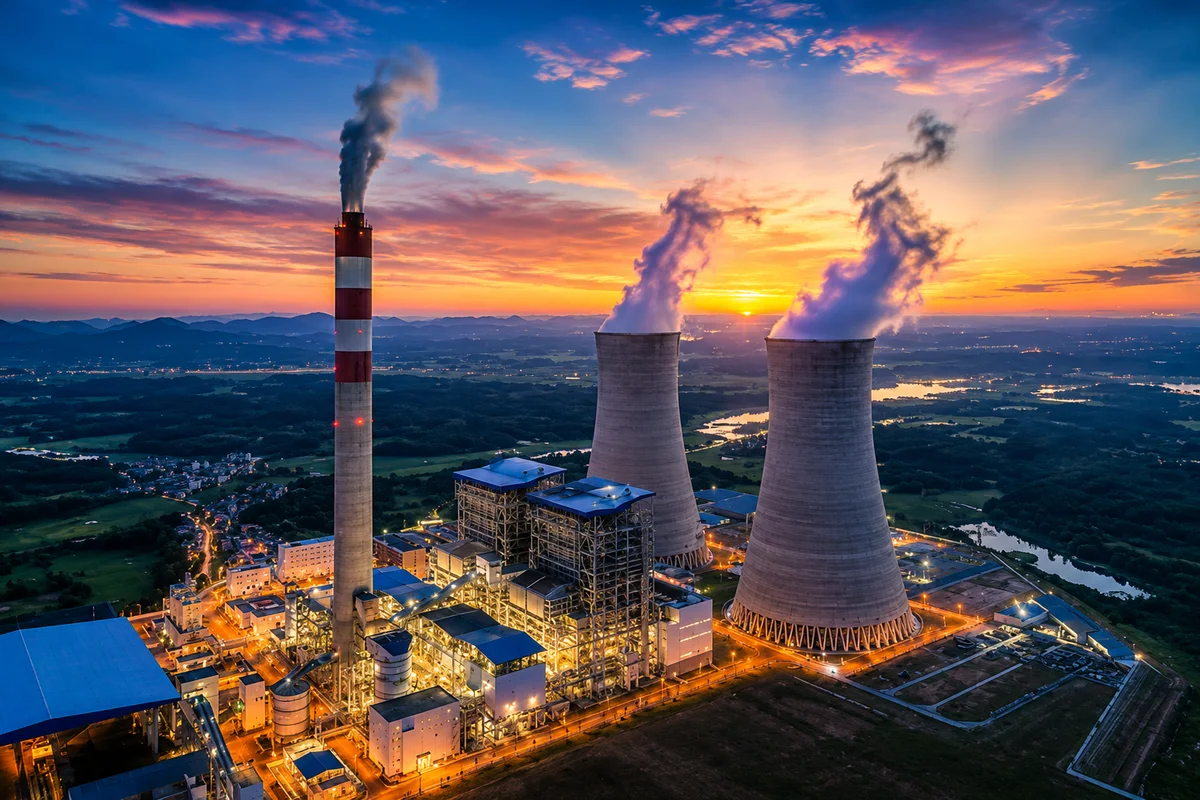
Adani Power Ltd. has entered into a long-term Power Supply Agreement (PSA) with Maharashtra State Electricity Distribution Company Limited (MSEDCL) for the supply of 1,600 MW of electricity over a period of 25 years. The agreement represents another significant addition to the company's long-term power generation portfolio and reinforces its presence in India's thermal power sector. Under the contract, electricity will be generated from a new ultra-supercritical thermal power project that will be specifically developed to meet Maharashtra's future electricity requirements.
The proposed power plant will have an installed capacity of 2×800 MW and will utilize ultra-supercritical technology, which offers higher efficiency and lower emissions compared to conventional coal-fired power plants. The project will be implemented under the Design, Build, Finance, Own & Operate (DBFOO) model, allowing Adani Power to undertake the complete lifecycle of the project, including financing, construction, ownership, and operations. This integrated development model is designed to ensure efficient execution and long-term operational stability.
A key aspect of the agreement is the allocation of coal linkage under the Government of India's SHAKTI (Scheme for Harnessing and Allocating Koyala Transparently in India) Policy. Securing fuel supply remains one of the most important factors for thermal power projects, and the allocation under the SHAKTI framework provides greater fuel security and improves long-term operational viability. The arrangement is expected to support uninterrupted power generation while reducing uncertainties associated with coal procurement.
Growing electricity demand across Maharashtra has increased the need for additional baseload generation capacity to ensure grid stability and support industrial, commercial, and residential consumers. Long-term power purchase agreements such as this enable distribution companies to secure reliable electricity supplies while providing power producers with predictable revenue visibility over extended periods.
The newly signed agreement outlines the commercial and operational framework for the project, including the duration of supply, plant capacity, technology, and development model. The project will be developed as a greenfield thermal power station using advanced ultra-supercritical technology designed to improve thermal efficiency and reduce coal consumption per unit of electricity generated.
| Particular | Details |
|---|---|
| Agreement Duration | 25 Years |
| Power Capacity | 1,600 MW |
| Plant Configuration | 2 × 800 MW |
| Technology | Ultra-Supercritical Thermal |
| Development Model | Design, Build, Finance, Own & Operate (DBFOO) |
| Counterparty | Maharashtra State Electricity Distribution Company Limited (MSEDCL) |
| Fuel Linkage | Allocated under Government of India SHAKTI Policy |
Loading chart...
The agreement further strengthens Adani Power's position as one of India's leading private thermal power producers. Long-duration contracts such as this generally improve revenue visibility, facilitate financing for new capacity additions, and contribute to stable cash flow generation over the operational life of the project.
The 25-year power supply agreement is expected to provide Adani Power with long-term revenue visibility once the project becomes operational. Long-term contracted capacity typically reduces merchant market exposure and provides predictable earnings through regulated power supply arrangements. Such agreements are particularly important for large infrastructure investments that require substantial upfront capital expenditure.
The DBFOO model enables Adani Power to maintain operational control over the project while leveraging its expertise in constructing and operating large-scale thermal power plants. The secured coal linkage under the SHAKTI Policy also lowers fuel supply risks, improving the project's long-term financial sustainability and operational efficiency.
| Business Metric | Expected Impact |
|---|---|
| Revenue Visibility | Long-term recurring revenue through a 25-year PSA |
| Capacity Addition | 1,600 MW new thermal generation capacity |
| Fuel Security | Coal linkage secured under SHAKTI Policy |
| Investment Model | DBFOO project development |
| Operational Stability | Enhanced through long-term contracted power supply |
| Strategic Position | Strengthens Adani Power's generation portfolio |
The project also aligns with India's continuing requirement for dependable baseload electricity despite increasing renewable energy capacity. Thermal generation continues to play an important role in maintaining grid stability, particularly during periods of variable renewable power generation.
The agreement highlights the continued importance of long-term power purchase agreements in India's electricity sector. Distribution companies continue to secure dependable electricity supplies through competitive procurement processes, while power producers benefit from stable demand and improved project bankability.
For investors, the announcement reflects Adani Power's ongoing strategy of expanding its contracted generation portfolio rather than relying solely on merchant power markets. Long-term agreements generally improve earnings visibility and may support future capacity expansion opportunities, although project execution timelines, regulatory approvals, and commissioning schedules will remain important factors to monitor.
The development is also significant for Maharashtra, one of India's largest power-consuming states. Additional generation capacity can help address future electricity demand arising from industrial growth, urbanization, infrastructure development, and increasing household consumption.
| Stakeholder | Potential Impact |
|---|---|
| Adani Power | Expanded long-term contracted capacity |
| MSEDCL | Reliable power supply for 25 years |
| Maharashtra Consumers | Improved long-term electricity availability |
| Power Sector | Additional baseload generation capacity |
| Investors | Enhanced revenue visibility after project commissioning |
The signing of the 25-year PSA represents an important milestone for Adani Power's capacity expansion strategy. The company's next focus will likely be on project development, securing necessary regulatory approvals, engineering activities, construction milestones, and eventual commissioning of the 2×800 MW thermal power plant.
Investors may closely monitor updates related to project execution timelines, capital expenditure plans, construction progress, financial closure, and expected commercial operation dates. Developments concerning coal availability, environmental approvals, and future electricity demand in Maharashtra will also influence the project's long-term performance.
While the agreement provides strong long-term revenue visibility, the ultimate financial contribution will depend on timely execution, commissioning schedules, operating efficiency, and regulatory compliance. The project nevertheless reinforces Adani Power's strategy of expanding through long-duration contracted assets that support stable cash flows over multiple decades.
Adani Power has signed a 25-year Power Supply Agreement with Maharashtra State Electricity Distribution Company Limited (MSEDCL) to supply 1,600 MW of electricity from a new 2×800 MW ultra-supercritical thermal power plant.
The project will use ultra-supercritical thermal technology, which offers higher efficiency and lower emissions compared to conventional coal-based thermal power plants.
DBFOO stands for Design, Build, Finance, Own & Operate. Under this model, Adani Power will be responsible for designing, financing, constructing, owning, and operating the power plant throughout its lifecycle.
The SHAKTI (Scheme for Harnessing and Allocating Koyala Transparently in India) Policy is a Government of India initiative that allocates coal linkages to thermal power producers through a transparent framework, helping ensure long-term fuel availability.
The agreement provides long-term contracted capacity, improves future revenue visibility, secures fuel supply through the SHAKTI Policy, and strengthens Adani Power's position in India's thermal power generation sector.
Financial journalist specializing in market analysis, stock research, and investment trends. Dedicated to providing accurate, timely insights for informed decision-making.
Credentials: Experienced financial journalist with expertise in equity markets and economic analysis
The information provided in this article is for educational and informational purposes only and should not be construed as financial, investment, or legal advice. welomoney does not provide personalized investment recommendations.
For detailed terms and conditions, please read our Disclaimer and Terms of Service.

L&T has begun preliminary work on the New Tashkent International Airport project after receiving a limited notice to proceed.
DLF share price has 41% upside, according to HSBC’s target. Compare Jefferies, CLSA and other broker views on sales, cash flow and valuations.
Divi's Laboratories shares rose 1.01% to Rs 9,242.50 after a positive EU opinion on Eli Lilly's weight loss drug Foundayo. See the growth outlook.
Awfis revenue target exceeds Rs 1,800 crore for FY27, with flexible workspace demand supporting growth. Expansion and execution remain key to watch.
L&T has won a contract worth over Rs 15,000 crore. The client, project scope and execution timeline remain undisclosed, leaving its revenue impact...