Loading market data...
Tue, 20 Oct 2026
05:03:08 pm
Tue, 20 Oct 2026
05:03:08 pm

Rudransh Sangwan
Published at: July 13, 2026, 3:10 AM
Synopsis
Adani Enterprises partners with French clean-tech company Dioxycle to develop low-carbon chemical manufacturing in India using captured CO₂ and renewable electricity, beginning with formic acid production.
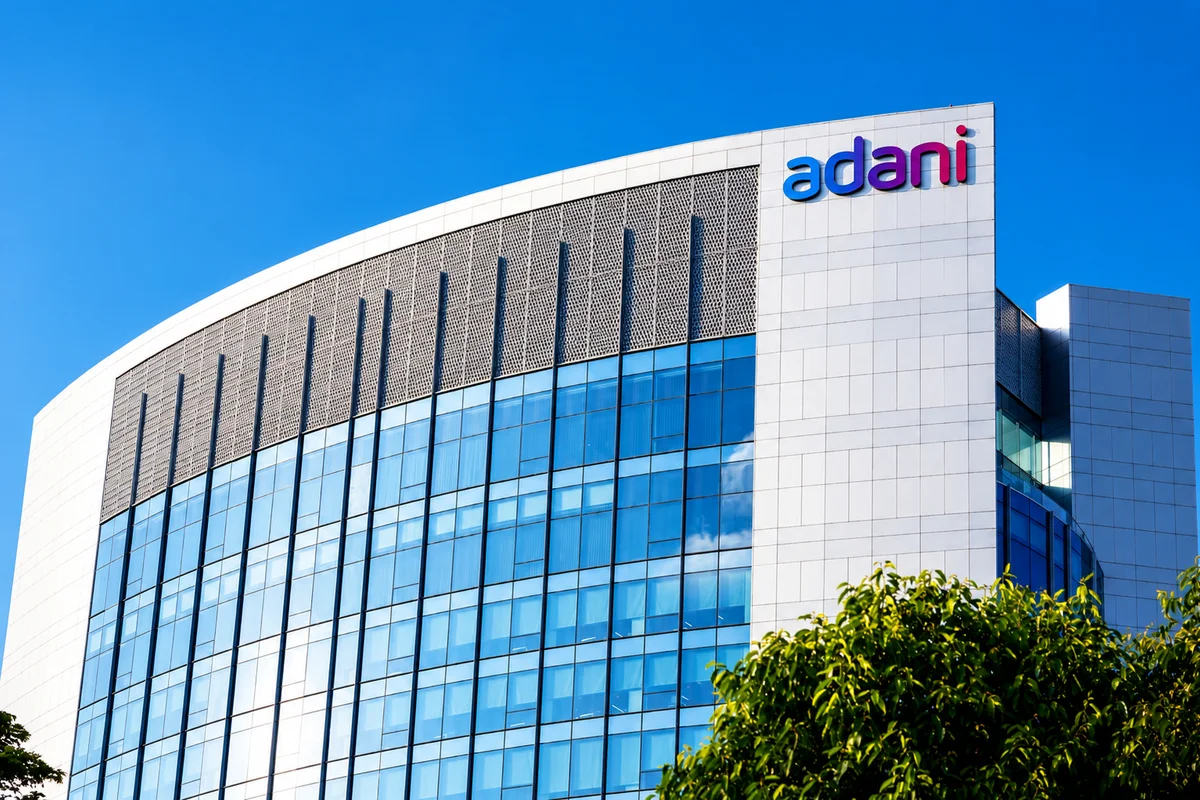
Adani Enterprises Limited (AEL) has entered into a long-term strategic partnership with French clean-tech company Dioxycle to establish low-carbon chemical manufacturing capabilities in India. The collaboration will initially focus on producing formic acid using captured carbon dioxide (CO₂) and renewable electricity, marking Adani Group's strategic expansion into sustainable chemicals while strengthening India's clean manufacturing ecosystem.
Adani Enterprises Limited has signed a long-term partnership with France-based clean technology company Dioxycle to develop next-generation low-carbon chemical manufacturing solutions in India. The collaboration is aimed at transforming captured carbon emissions into commercially valuable industrial chemicals using renewable energy, supporting both India's decarbonisation goals and the country's ambitions of becoming a global manufacturing hub.
The partnership represents Adani Group's strategic entry into the sustainable chemicals segment, leveraging its extensive renewable energy portfolio, industrial infrastructure, logistics capabilities, and project execution expertise. By combining these strengths with Dioxycle's proprietary electrochemical technology, the companies intend to build a scalable platform for manufacturing low-carbon chemicals domestically.
| Particulars | Details |
|---|---|
| Company | Adani Enterprises Limited |
| Technology Partner | Dioxycle (France) |
| Focus Area | Low-carbon chemical manufacturing |
| Initial Product | Formic Acid |
| Technology | Carbon capture with renewable electricity |
| Project Location | Adani Group facility in India |
The collaboration will begin with the establishment of a pilot manufacturing facility at an Adani Group site in India. The plant will produce formic acid by utilizing captured carbon dioxide emissions and renewable electricity instead of conventional fossil fuel-based production methods.
The pilot project is designed to validate Dioxycle's proprietary electrically driven chemical manufacturing technology under commercial operating conditions. Upon successful demonstration, both companies intend to scale the technology for full commercial production, paving the way for large-scale low-carbon chemical manufacturing in India.
The initiative demonstrates how industrial carbon emissions can be converted into high-value chemical products rather than being released into the atmosphere, contributing to a circular carbon economy.
| Parameter | Details |
|---|---|
| Phase | Pilot Facility |
| Product | Formic Acid |
| Raw Material | Captured CO₂ |
| Energy Source | Renewable Electricity |
| Manufacturing Technology | Electrochemical Conversion |
| Future Plan | Commercial-scale expansion |
The collaboration brings together complementary strengths from both organisations. Dioxycle contributes its advanced electrochemical technology capable of converting carbon dioxide into industrial chemicals using clean electricity, while Adani Enterprises provides large-scale infrastructure, renewable energy integration, project execution capabilities, and industrial ecosystem support.
This integrated approach is expected to accelerate commercialization while reducing dependence on imported chemical technologies and improving India's domestic manufacturing capabilities.
The partnership also aligns with global efforts to reduce industrial emissions by replacing traditional carbon-intensive production processes with sustainable alternatives powered by renewable energy.
| Partner | Contribution |
|---|---|
| Adani Enterprises | Infrastructure, renewable energy, project execution, industrial ecosystem |
| Dioxycle | Carbon conversion technology, electrochemical manufacturing expertise |
| Combined Objective | Commercial low-carbon chemical manufacturing in India |
The first product under the partnership will be formic acid, an industrial chemical widely used across numerous sectors including textiles, leather processing, agriculture, pharmaceuticals, rubber manufacturing, food preservation, and industrial cleaning applications.
By manufacturing formic acid through captured carbon dioxide instead of conventional feedstocks, the project aims to significantly reduce the carbon footprint associated with chemical production while creating commercially valuable products.
Beyond formic acid, the partnership intends to develop a broader portfolio of sustainable chemicals that can serve industries such as energy storage, packaging, specialty materials, manufacturing, and advanced industrial applications.
| Industry | Major Applications |
|---|---|
| Textile Industry | Dyeing and finishing |
| Agriculture | Silage preservation and feed additives |
| Leather Processing | Tanning operations |
| Pharmaceuticals | Chemical intermediate |
| Manufacturing | Industrial processing |
| Chemical Industry | Specialty chemical production |
The collaboration aligns closely with India's national initiatives including Make in India, Atmanirbhar Bharat, and the government's long-term Viksit Bharat 2047 vision. By developing advanced low-carbon manufacturing technologies domestically, the project aims to reduce import dependence while strengthening India's position in sustainable industrial production.
The initiative also supports India's broader net-zero ambitions by promoting carbon utilisation technologies that convert greenhouse gas emissions into commercially useful products. As industries worldwide increasingly seek low-carbon supply chains, such investments could position India as a competitive destination for sustainable manufacturing.
| Objective | Expected Benefit |
|---|---|
| Make in India | Strengthen domestic manufacturing |
| Viksit Bharat 2047 | Support technology-led industrial growth |
| Carbon Utilisation | Convert emissions into valuable chemicals |
| Green Manufacturing | Reduce industrial carbon footprint |
| Import Substitution | Build domestic chemical manufacturing capabilities |
The partnership also reflects the growing collaboration between Indian industrial groups and European clean-technology companies in accelerating the transition toward sustainable manufacturing. Europe has emerged as a global leader in climate technologies, while India offers large-scale industrial demand, abundant renewable energy resources, and expanding manufacturing infrastructure.
As global corporations increasingly prioritise environmentally responsible supply chains, such collaborations are expected to play a key role in attracting investments, promoting technology transfer, and enhancing India's competitiveness in the global chemicals market.
| Area | Impact |
|---|---|
| Technology Transfer | European clean-tech expertise enters India |
| Industrial Growth | Expansion into sustainable chemicals |
| Renewable Energy | Higher utilisation in industrial manufacturing |
| Global Competitiveness | Strengthens India's clean manufacturing ecosystem |
| ESG Focus | Supports low-carbon industrial development |
For Adani Enterprises, the partnership represents a strategic diversification into the emerging low-carbon chemicals sector, complementing its existing presence across renewable energy, infrastructure, logistics, airports, mining, and industrial businesses. The initiative strengthens the group's sustainability strategy while opening a new avenue for long-term value creation through advanced manufacturing.
As global demand for sustainable industrial products continues to rise, investments in carbon utilisation technologies and green chemicals could become an important growth driver for diversified industrial conglomerates like Adani Group over the coming decade.
The partnership aims to develop low-carbon chemical manufacturing in India by converting captured carbon dioxide into valuable industrial chemicals using renewable electricity.
The initial project will focus on manufacturing formic acid through a pilot production facility.
The companies will use Dioxycle's proprietary electrochemical technology that converts captured CO₂ into chemicals using renewable electricity.
The initiative promotes carbon utilisation, supports green manufacturing, reduces industrial emissions, and aligns with Make in India and Viksit Bharat 2047 initiatives.
Financial journalist specializing in market analysis, stock research, and investment trends. Dedicated to providing accurate, timely insights for informed decision-making.
Credentials: Experienced financial journalist with expertise in equity markets and economic analysis
The information provided in this article is for educational and informational purposes only and should not be construed as financial, investment, or legal advice. welomoney does not provide personalized investment recommendations.
For detailed terms and conditions, please read our Disclaimer and Terms of Service.
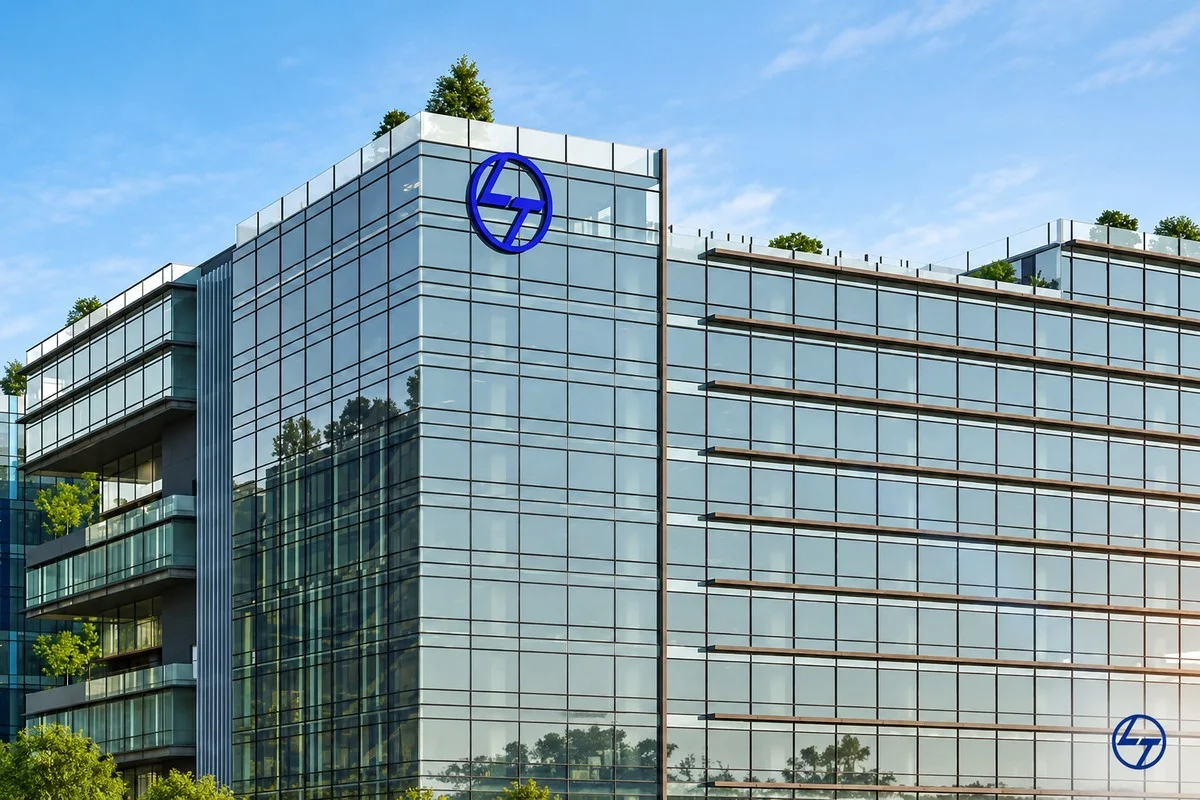
L&T has begun preliminary work on the New Tashkent International Airport project after receiving a limited notice to proceed.
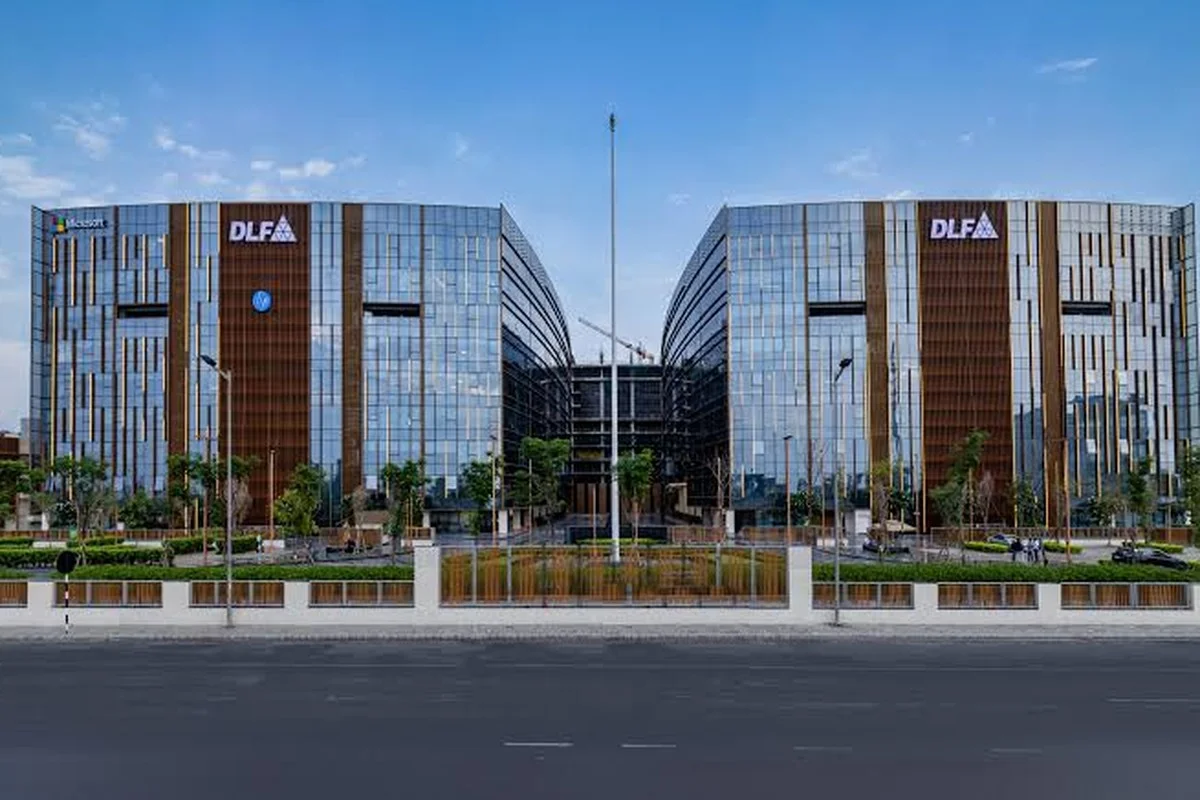
DLF share price has 41% upside, according to HSBC’s target. Compare Jefferies, CLSA and other broker views on sales, cash flow and valuations.
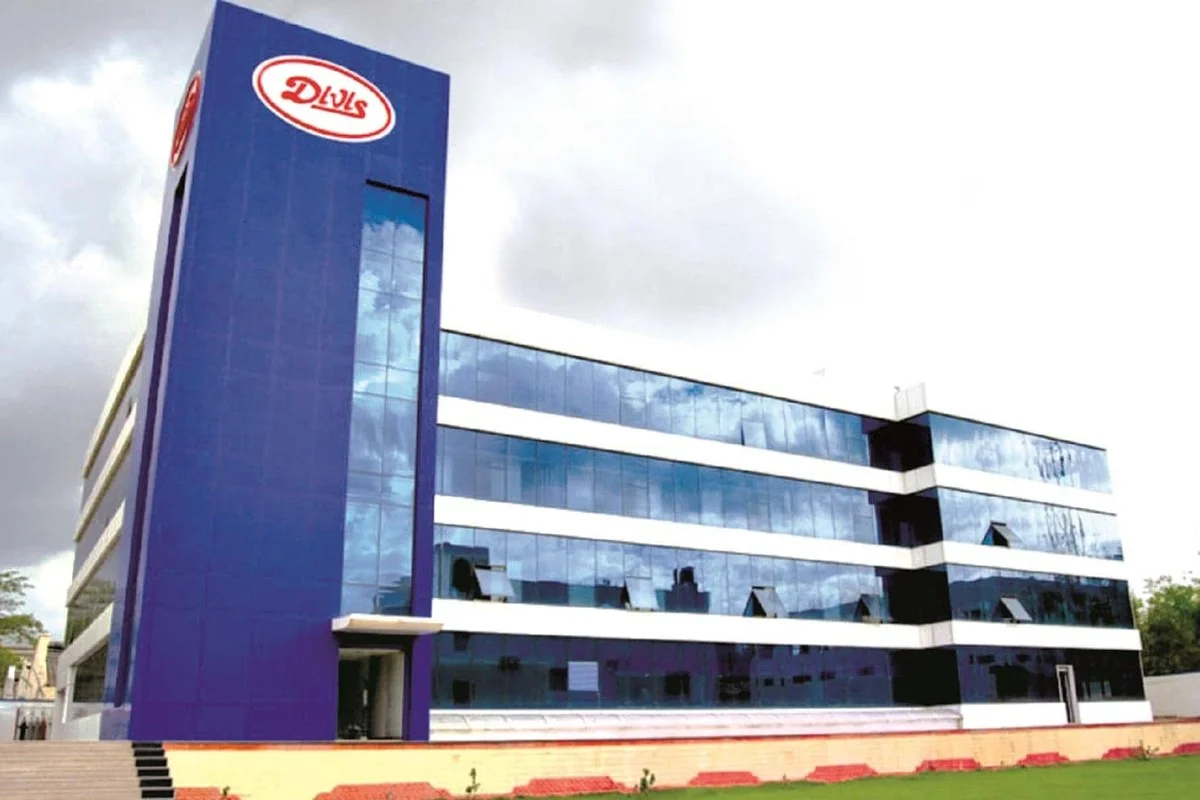
Divi's Laboratories shares rose 1.01% to Rs 9,242.50 after a positive EU opinion on Eli Lilly's weight loss drug Foundayo. See the growth outlook.

Awfis revenue target exceeds Rs 1,800 crore for FY27, with flexible workspace demand supporting growth. Expansion and execution remain key to watch.
L&T has won a contract worth over Rs 15,000 crore. The client, project scope and execution timeline remain undisclosed, leaving its revenue impact...