Loading market data...
Tue, 29 Sept 2026
07:40:56 pm
Tue, 29 Sept 2026
07:40:56 pm
Synopsis
Indian stock markets plunged sharply on May 12, 2026, with Sensex falling over 700 points as investors reacted to rising Middle East tensions, Brent crude above $105, rupee weakness, and heavy FII selling. IT and banking stocks led the decline amid heightened global uncertainty.

Indian stock markets witnessed another sharp selloff on Tuesday, May 12, 2026, as investors reacted nervously to escalating geopolitical tensions in the Middle East, surging crude oil prices, persistent foreign institutional investor (FII) selling, and a record-breaking fall in the Indian rupee.
The benchmark BSE Sensex plunged over 700 points during early trade, while the NSE Nifty slipped below the crucial 23,700 mark. The broader market also came under pressure, with midcap and smallcap stocks witnessing heavy selling amid rising volatility across global financial markets.
The sharp decline comes after continued uncertainty surrounding the US-Iran conflict and renewed concerns over prolonged disruptions in the Strait of Hormuz, one of the world’s most critical oil shipping routes.
Indian equities opened sharply lower on Tuesday following weak global sentiment and rising macroeconomic stress indicators.
| Index | Level | Change |
|---|---|---|
| Sensex | 75,290 | Down 725+ points |
| Nifty 50 | 23,635 | Down 181 points |
| India VIX | 18.69 | Higher volatility |
| BSE Market Cap | ₹462 lakh crore | ₹5 lakh crore wiped out |
The weakness was broad-based, with heavy selling seen across banking, IT, financial, and consumption stocks.
Information technology stocks emerged among the biggest losers despite the weakening rupee, which typically benefits export-oriented sectors.
| Stock | Decline |
|---|---|
| Infosys | Down 2–3% |
| TCS | Down 2–3% |
| HCL Tech | Down 2–3% |
| Tech Mahindra | Down 2–3% |
| HDFC Bank | Down 1–2% |
| Bajaj Finance | Down 1–2% |
| ICICI Bank | Down 1–2% |
| Asian Paints | Down 1–2% |
Broader market sentiment remained weak as nearly 1,850 stocks declined on the NSE compared to fewer than 750 advancing shares.
Several global and domestic factors triggered today’s sharp market correction.
One of the biggest triggers behind today’s market crash is the collapse of fresh peace negotiations between the United States and Iran.
US President Donald Trump reportedly rejected Iran’s latest ceasefire proposal, calling it “garbage” and signaling worsening diplomatic tensions.
Iran’s demands reportedly included:
The rejection of the proposal significantly reduced hopes of an early resolution to the Middle East conflict.
The Strait of Hormuz handles over 20% of global oil shipments. Any prolonged disruption raises fears of:
Global investors are now increasingly shifting toward safer assets amid rising uncertainty.
Oil prices continued their sharp rally after renewed fears surrounding the Middle East conflict.
| Oil Benchmark | Price |
|---|---|
| Brent Crude | Above $105/barrel |
| WTI Crude | Near $99/barrel |
Higher oil prices are particularly negative for India because the country imports the majority of its crude oil requirements.
Rising oil prices can:
Energy-intensive sectors such as aviation, chemicals, paints, logistics, and manufacturing could face margin pressure if crude prices remain elevated.
The Indian rupee weakened further against the US dollar and touched a fresh lifetime low of ₹95.55 per USD.
| Factor | Impact |
|---|---|
| Rising crude oil prices | Higher dollar demand |
| FII outflows | Pressure on currency |
| Strong US dollar | Weak emerging market currencies |
| Global uncertainty | Risk-off sentiment |
A weaker rupee increases import costs for Indian businesses and adds pressure on inflation expectations.
US Treasury yields moved higher again amid inflation concerns and geopolitical uncertainty.
| Bond | Yield |
|---|---|
| US 10-Year Treasury | 4.42% |
| US 30-Year Bond | 4.99% |
| US 2-Year Treasury | 3.96% |
Higher bond yields generally reduce the attractiveness of equities because investors move toward safer fixed-income assets.
The rise in yields also signals that markets expect the US Federal Reserve to maintain higher interest rates for longer.
Foreign institutional investors remained net sellers in Indian equities.
| Session | Net Selling |
|---|---|
| Monday | ₹8,438 crore sold |
This marked the fifth consecutive session of heavy FII selling.
Global investors continue reducing exposure to emerging markets amid:
Tuesday’s weekly Nifty derivatives expiry also contributed to higher intraday volatility.
Analysts noted that traders aggressively adjusted positions amid rising uncertainty, leading to sharper market swings.
| Level | Significance |
|---|---|
| 23,550–23,600 | Immediate support |
| 23,800 | Key resistance |
Analysts currently suggest a cautious “sell-on-rise” strategy unless broader sentiment improves.
| Sector | Trend |
|---|---|
| IT | Weak |
| Financials | Weak |
| Banking | Weak |
| Consumer | Weak |
| Sector | Trend |
|---|---|
| Metals | Slightly positive |
| Commodities | Supported by inflation |
Metal stocks showed relative resilience due to rising commodity prices globally.
Markets are currently dealing with multiple simultaneous macroeconomic risks:
The combination of these factors has created a risk-off environment globally.
Market direction over the coming sessions will largely depend on:
Any diplomatic breakthrough in the Middle East could improve sentiment sharply, while further escalation may trigger additional volatility.
Market experts believe Indian equities may remain volatile in the near term due to external macroeconomic pressures.
However, domestic institutional buying, SIP inflows, and strong long-term economic fundamentals continue acting as important support mechanisms for Indian markets.
Analysts suggest investors should remain selective and focus on:
Indian stock markets came under sharp pressure on May 12, 2026, as rising geopolitical tensions, record rupee weakness, elevated oil prices, and persistent FII selling rattled investor confidence.
The Sensex crashed over 700 points while the rupee touched a fresh lifetime low near ₹95.55 against the US dollar. Investors are now closely monitoring developments surrounding the Middle East conflict, crude oil prices, and global monetary policy expectations.
While short-term volatility may remain elevated, analysts believe domestic liquidity and long-term economic growth trends could help stabilize markets once global uncertainty begins to ease.
Markets are falling due to rising Middle East tensions, higher crude oil prices, rupee weakness, FII selling, and rising global bond yields.
The Sensex declined sharply after concerns over the US-Iran conflict intensified and the rupee hit a fresh record low.
The rupee is weakening because of higher crude oil prices, rising dollar demand, foreign investor outflows, and global uncertainty.
Higher oil prices increase inflation, widen India’s import bill, pressure corporate profits, and negatively impact economic growth.
IT, banking, financial, and consumption stocks witnessed the sharpest declines during today’s session.
FIIs are reducing exposure due to higher US bond yields, stronger dollar movement, geopolitical risks, and global macroeconomic uncertainty.
India VIX measures market volatility. Rising VIX indicates increasing fear and uncertainty among investors.
Market recovery will depend on easing geopolitical tensions, stabilization in crude oil prices, and improvement in global risk sentiment.

Financial journalist specializing in market analysis, stock research, and investment trends. Dedicated to providing accurate, timely insights for informed decision-making.
Credentials: Experienced financial journalist with expertise in equity markets and economic analysis
The information provided in this article is for educational and informational purposes only and should not be construed as financial, investment, or legal advice. welomoney does not provide personalized investment recommendations.
For detailed terms and conditions, please read our Disclaimer and Terms of Service.

Nifty briefly slid up to 2.2% and Bank Nifty lost 1,100 points on F&O expiry as CAS-driven price swings put SEBI’s settlement framework under review...
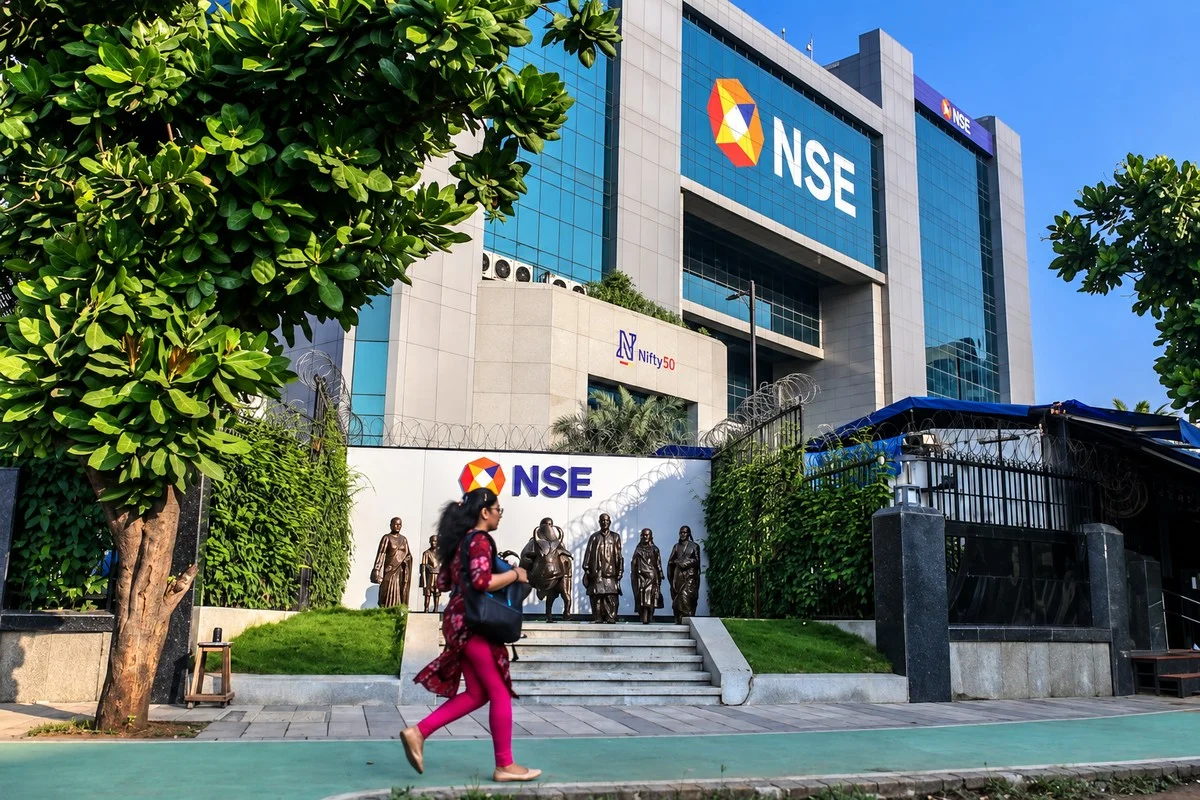
FIIs sold Rs 5,353 crore on Monday as the Nifty fell to 22,780, while DIIs bought Rs 5,189 crore amid broad market weakness and heavy selling.

India-France defence ties deepen as Lt Gen Dominique Tardif backs Atmanirbhar Bharat and outlines Tarang Shakti 2026, AI, space and defence industry...
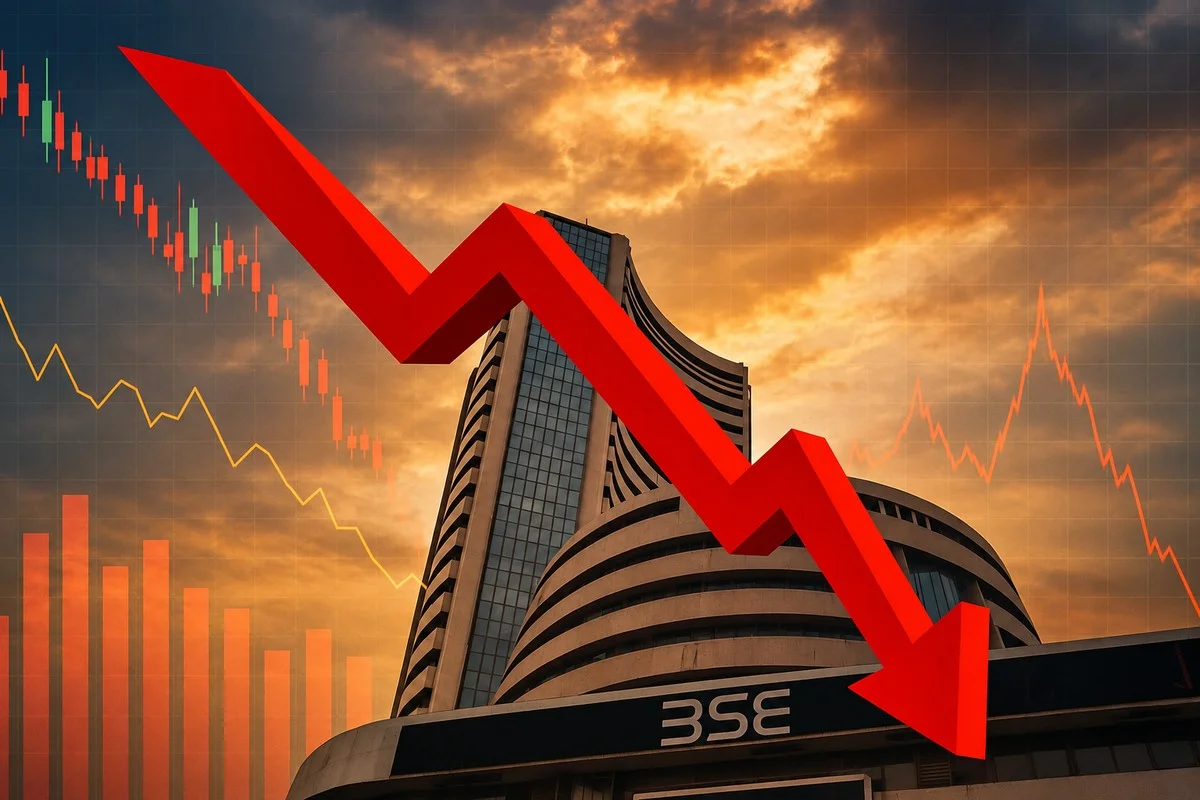
Bank Nifty fell 1.9% as Brent crude reached $106.7, while Yes Bank, Union Bank and IDFC First Bank led banking stock losses.

Nifty 50 is about 2,900 points below its 26,340 peak. See how crude oil, Hormuz risks and easing energy costs could shape an Indian market rebound in...