Loading market data...
Sat, 12 Sept 2026
01:39:50 pm
Sat, 12 Sept 2026
01:39:50 pm

Rudransh Sangwan
Published at: April 30, 2026, 6:03 AM
Synopsis
Indian stock markets fell sharply on April 30, 2026, as Sensex dropped 1,200 points and Nifty slipped below 23,850, driven by rising oil prices above $120, a record weak rupee, continued FII selling, and global risk-off sentiment

Indian equity markets witnessed a sharp selloff on April 30, 2026, with benchmark indices correcting significantly amid a mix of global and domestic headwinds. The BSE Sensex plunged over 1,200 points, while the Nifty 50 slipped below the 23,850 mark, reflecting broad-based weakness across sectors. The fall erased nearly ₹9 lakh crore in market capitalization, signaling strong risk-off sentiment among investors.
The decline was not limited to large-cap stocks. Midcaps and smallcaps also came under pressure, indicating a widespread selloff.
| Index/Metric | Movement |
|---|---|
| Sensex | -1,200 pts |
| Nifty 50 | Below 23,850 |
| Market Cap Loss | ₹9 lakh crore |
| India VIX | +5% (18.29) |
The rise in volatility, reflected in India VIX, suggests heightened uncertainty and fear among market participants.
Key Takeaways
One of the biggest triggers behind the market fall is the sharp surge in crude oil prices. Brent crude has crossed $120 per barrel, creating concerns about inflation and economic slowdown.
Higher oil prices directly impact India’s economy by increasing import bills and pushing inflation higher. This reduces corporate margins and weakens overall market sentiment.
Key Takeaways
The Indian currency has fallen to record lows near ₹95 per dollar, adding further pressure on markets. A weak rupee increases import costs and worsens inflation, which is negative for equities.
Currency weakness also signals capital outflows and reduced foreign investor confidence.
Key Takeaways
Global factors are also playing a major role in today’s decline. Hawkish signals from the Federal Reserve have pushed US bond yields higher, attracting capital away from emerging markets like India.
At the same time, global markets are trading weak, adding to the negative sentiment.
Key Takeaways
Foreign Institutional Investors (FIIs) have been लगातार selling Indian equities, with net outflows continuing for multiple sessions. This sustained selling pressure has been a key reason behind the market decline.
When FIIs exit, liquidity reduces and markets tend to correct sharply.
Key Takeaways
Rising geopolitical tensions, particularly around the Strait of Hormuz, have intensified concerns over global energy supply. Reports of a prolonged blockade and stalled negotiations have added uncertainty to global markets.
Such geopolitical risks increase volatility and push investors toward safer assets.
Key Takeaways
The selloff was visible across all sectors, with no major segment providing support to the market.
| Sector | Trend |
|---|---|
| Realty | Weak |
| Auto | Weak |
| Metals | Weak |
| Banking | Weak |
| Consumer | Weak |
This indicates a broad risk-off environment rather than stock-specific correction.
Key Takeaways
The current market fall is driven by a combination of macroeconomic pressure, global uncertainty, and domestic weaknesses. Rising oil prices, a falling rupee, FII outflows, and global risk-off sentiment have created a perfect storm for equities.
While short-term volatility may continue, investors are likely to shift focus toward fundamentally strong companies with resilient earnings.
The market is falling due to rising oil prices, weak rupee, FII selling, and global uncertainty impacting investor sentiment
Higher oil prices increase inflation and reduce corporate profitability, leading to negative market impact
A weak rupee increases import costs and signals capital outflows, which is negative for equities
FII selling reduces liquidity and creates downward pressure on stock prices
Currently it appears to be a short-term correction driven by macro factors, but sustained global pressure can extend the trend
Financial journalist specializing in market analysis, stock research, and investment trends. Dedicated to providing accurate, timely insights for informed decision-making.
Credentials: Experienced financial journalist with expertise in equity markets and economic analysis
The information provided in this article is for educational and informational purposes only and should not be construed as financial, investment, or legal advice. welomoney does not provide personalized investment recommendations.
For detailed terms and conditions, please read our Disclaimer and Terms of Service.

52 Week Low Stocks: Check the full list of stocks hitting fresh lows today, including HEG, Gujarat Energy, Muthoot Finance, IEX and Bikaji Foods,...

Groww, Angel One, ICICI Securities and other brokers rely on lending, interest income, distribution and advertising alongside trading fees.

Tata Boeing Aerospace remains in focus as its latest Apache fuselage milestone highlights India's growing role in the global aerospace and defence...
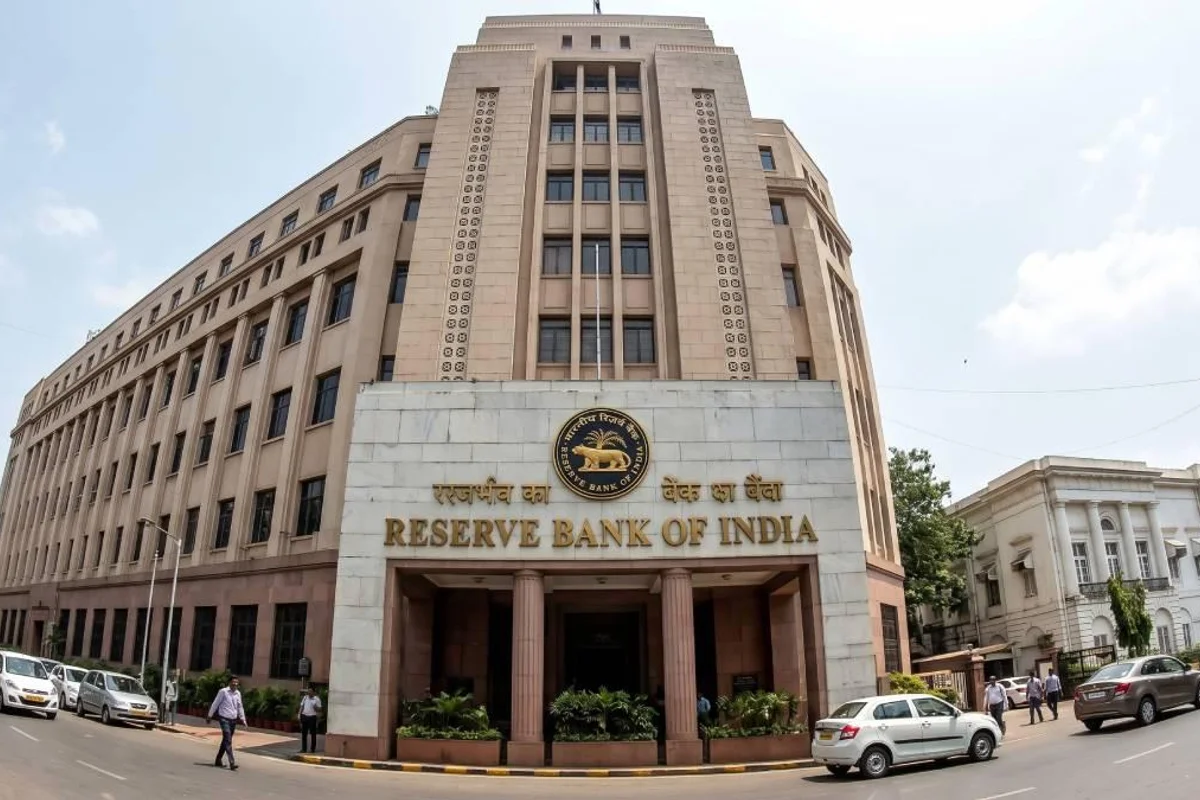
RBI liquidity conditions remain in focus as the banking system adjusts to changing money market conditions and evolving financial trends.
Explore the best bond ETFs for 2026, including popular funds for income, Treasury exposure, high yield bonds, mortgage backed securities and...