Loading market data...
Sun, 13 Sept 2026
08:47:46 pm
Sun, 13 Sept 2026
08:47:46 pm

Rudransh Sangwan
Published at: April 26, 2026, 8:34 PM
Synopsis
Indian stock markets will remain closed on May 1, 2026 for Maharashtra Day. Check which segments are shut, trading impact, and upcoming holidays.
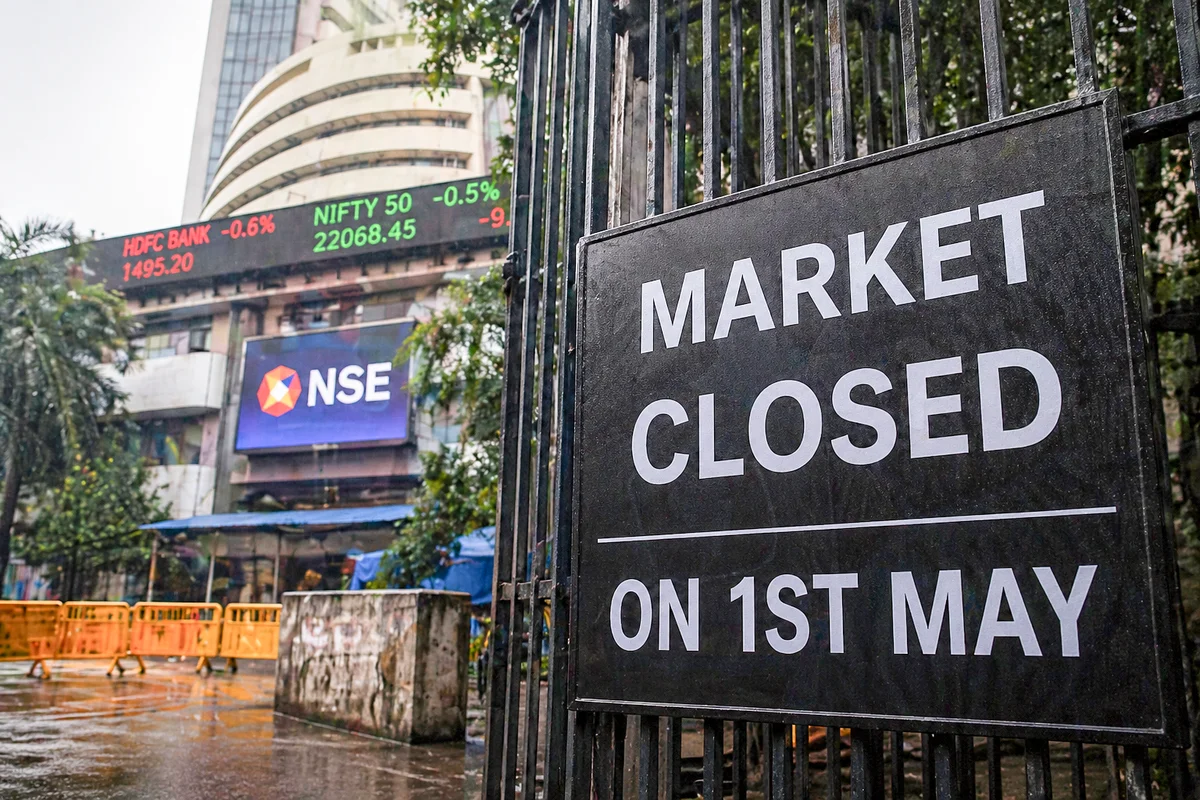
The Indian stock market calendar often creates confusion among traders, especially when regional holidays impact national trading activity. May 1, 2026, is one such day where trading across major exchanges comes to a complete halt. While global markets may remain active, domestic investors will see a full pause in trading activity, making it important to plan positions and strategies accordingly.
Both National Stock Exchange of India and Bombay Stock Exchange will remain closed on May 1, 2026, on account of Maharashtra Day. This holiday marks the formation of the state of Maharashtra in 1960 and is widely observed across the state.
The key reason this impacts national markets is simple. India’s financial capital, Mumbai, is located in Maharashtra, and both exchanges operate from there. As a result, trading activity is suspended across the country.
This is not just a symbolic closure. It reflects how regional administrative and operational dependencies still influence national financial systems.
The closure is comprehensive across most trading segments, affecting both retail and institutional participants.
| Segment | Status |
|---|---|
| Equity Cash Market | Closed |
| Equity Derivatives | Closed |
| Currency Derivatives | Closed |
| Securities Lending & Borrowing | Closed |
| Commodity Market | Partial / Evening Session Possible |
While equity and derivatives markets remain fully shut, commodity trading may operate partially depending on exchange-specific schedules, particularly in evening sessions.
A one-day holiday may seem minor, but it can influence short-term market behavior in several ways.
First, traders tend to adjust positions a day before the holiday to manage overnight global risks. This can lead to increased volatility or profit booking ahead of closure.
Second, any major global event occurring during the holiday period gets priced in on the next trading day. This creates gap-up or gap-down openings, especially in sectors sensitive to global cues such as oil, metals, and IT.
Data suggests that pre-holiday sessions often see lower participation This leads to reduced liquidity Which results in sharper price swings in certain stocks
Understanding this pattern is critical for short-term traders.
One factor most traders overlook is that while Indian markets are closed, global markets continue to operate. Events such as crude oil price movements, geopolitical developments, or US market trends can significantly impact the next trading session.
This creates an information gap where domestic investors react with a delay. Traders who track global cues during the holiday often gain an edge when markets reopen.
A common misconception is that holidays have no real impact on trading strategies. In reality, holidays can increase risk due to the inability to react to sudden global developments.
Another misunderstanding is that all markets are fully closed. Commodity markets may still have partial sessions, which can provide early signals for sectors like metals and energy.
While many traders avoid markets around holidays, experienced participants often use this period strategically. Lower volumes and reduced participation can create short-term mispricing opportunities.
Stocks with strong fundamentals but temporary volatility may offer better entry points after holiday-driven price adjustments.
Investors should also track upcoming holidays to plan trades effectively.
| Holiday | Date |
|---|---|
| Maharashtra Day | May 1, 2026 |
| Independence Day | August 15, 2026 |
| Gandhi Jayanti | October 2, 2026 |
| Diwali (Muhurat Trading) | October/November (Short Session) |
These scheduled breaks are part of the official trading calendar released by exchanges each year.
For short-term traders:
• Avoid holding high-risk leveraged positions before holidays
• Monitor global cues during market closure
• Be prepared for gap openings on the next trading day
For long-term investors:
• Ignore short-term volatility caused by holiday gaps
• Focus on fundamental trends rather than event-driven moves
For intraday traders:
• Expect lower volumes and possible volatility in pre-holiday sessions
The May 1 market holiday is more than just a day off for exchanges. It reflects the structural link between regional governance and national financial systems while also creating short-term trading implications. Traders who understand how holidays influence liquidity, volatility, and global cue integration are better positioned to navigate the market effectively when trading resumes.
Yes, both exchanges will remain closed for all major trading segments due to Maharashtra Day.
Commodity markets may have partial trading sessions, especially in the evening, depending on exchange schedules.
Traders should reduce leveraged positions, track global developments, and be ready for gap openings when markets reopen.
Financial journalist specializing in market analysis, stock research, and investment trends. Dedicated to providing accurate, timely insights for informed decision-making.
Credentials: Experienced financial journalist with expertise in equity markets and economic analysis
The information provided in this article is for educational and informational purposes only and should not be construed as financial, investment, or legal advice. welomoney does not provide personalized investment recommendations.
For detailed terms and conditions, please read our Disclaimer and Terms of Service.

52 Week Low Stocks: Check the full list of stocks hitting fresh lows today, including HEG, Gujarat Energy, Muthoot Finance, IEX and Bikaji Foods,...
Groww, Angel One, ICICI Securities and other brokers rely on lending, interest income, distribution and advertising alongside trading fees.
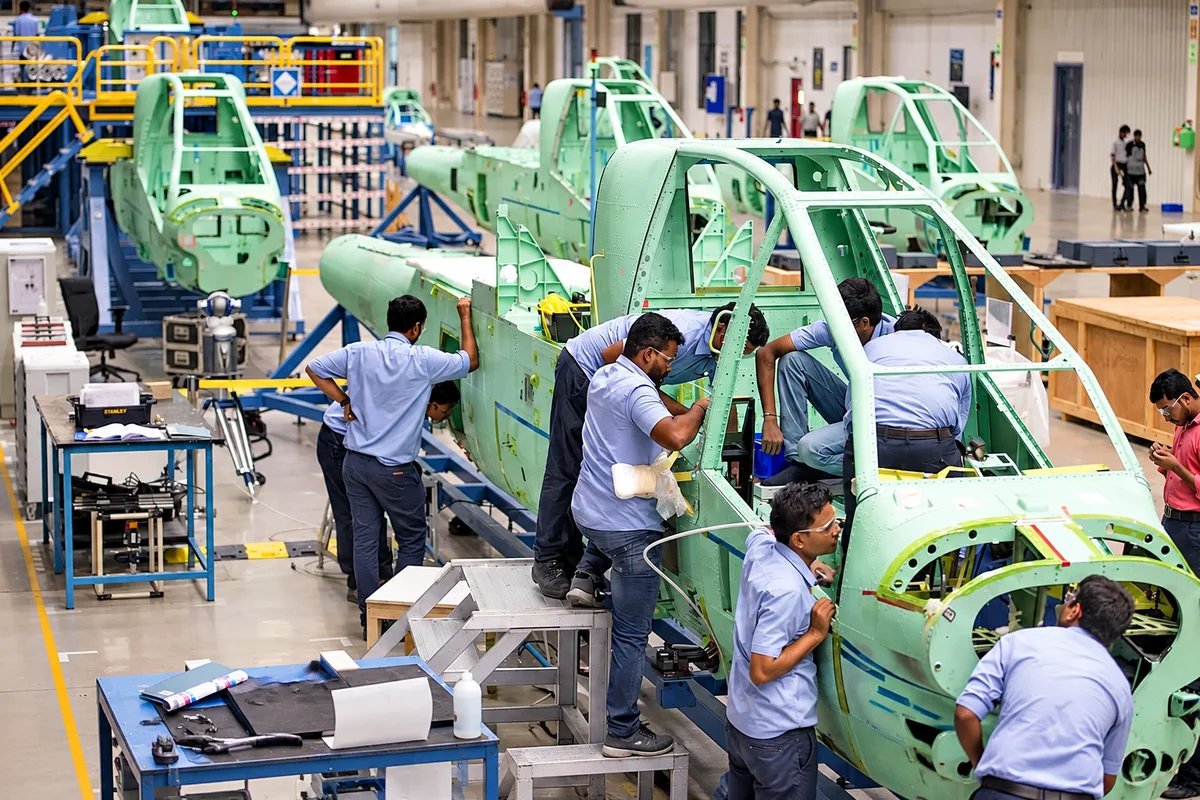
Tata Boeing Aerospace remains in focus as its latest Apache fuselage milestone highlights India's growing role in the global aerospace and defence...
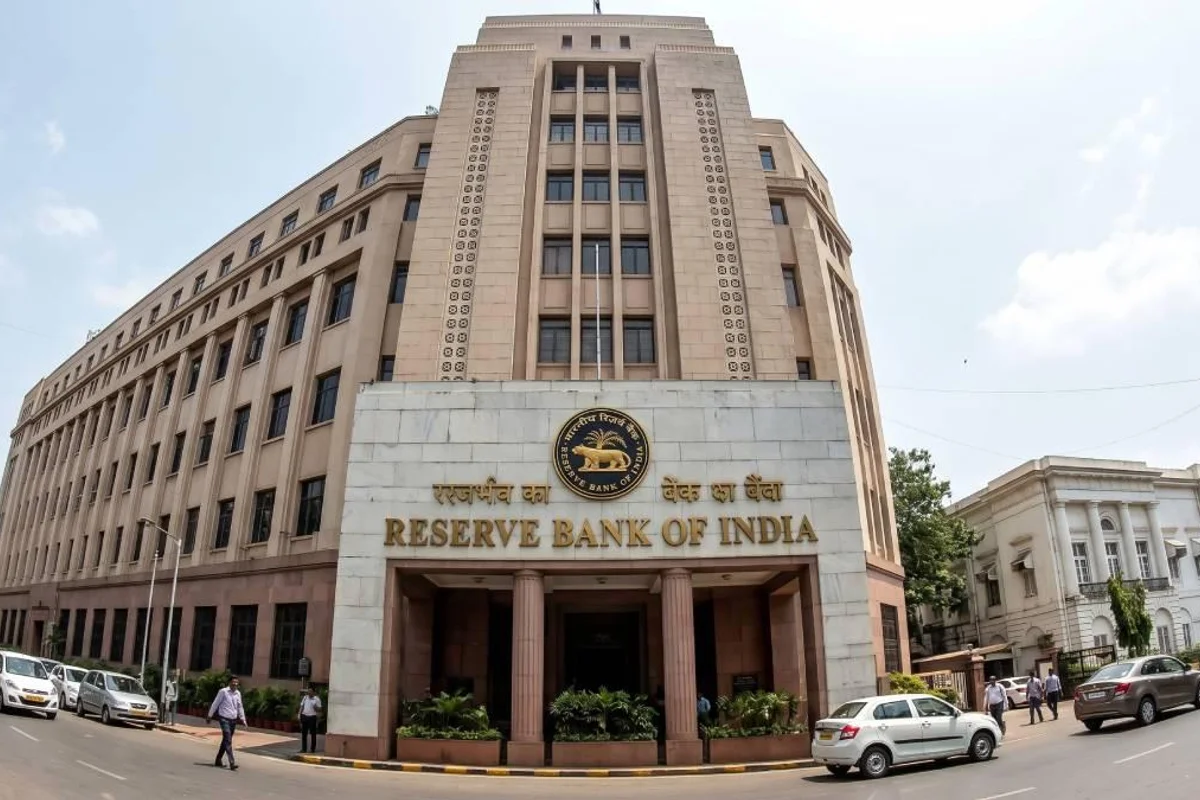
RBI liquidity conditions remain in focus as the banking system adjusts to changing money market conditions and evolving financial trends.
Explore the best bond ETFs for 2026, including popular funds for income, Treasury exposure, high yield bonds, mortgage backed securities and...