Loading market data...
Tue, 20 Oct 2026
04:59:00 pm
Tue, 20 Oct 2026
04:59:00 pm

Rudransh Sangwan
Published at: April 12, 2026, 12:08 PM
Synopsis
India is set to import Iranian oil for the first time in seven years after temporary sanction relief, signaling a major shift in global energy dynamics. This move could ease supply pressures, stabilize crude prices, and impact inflation, fuel costs, and stock market sentiment in the coming weeks.
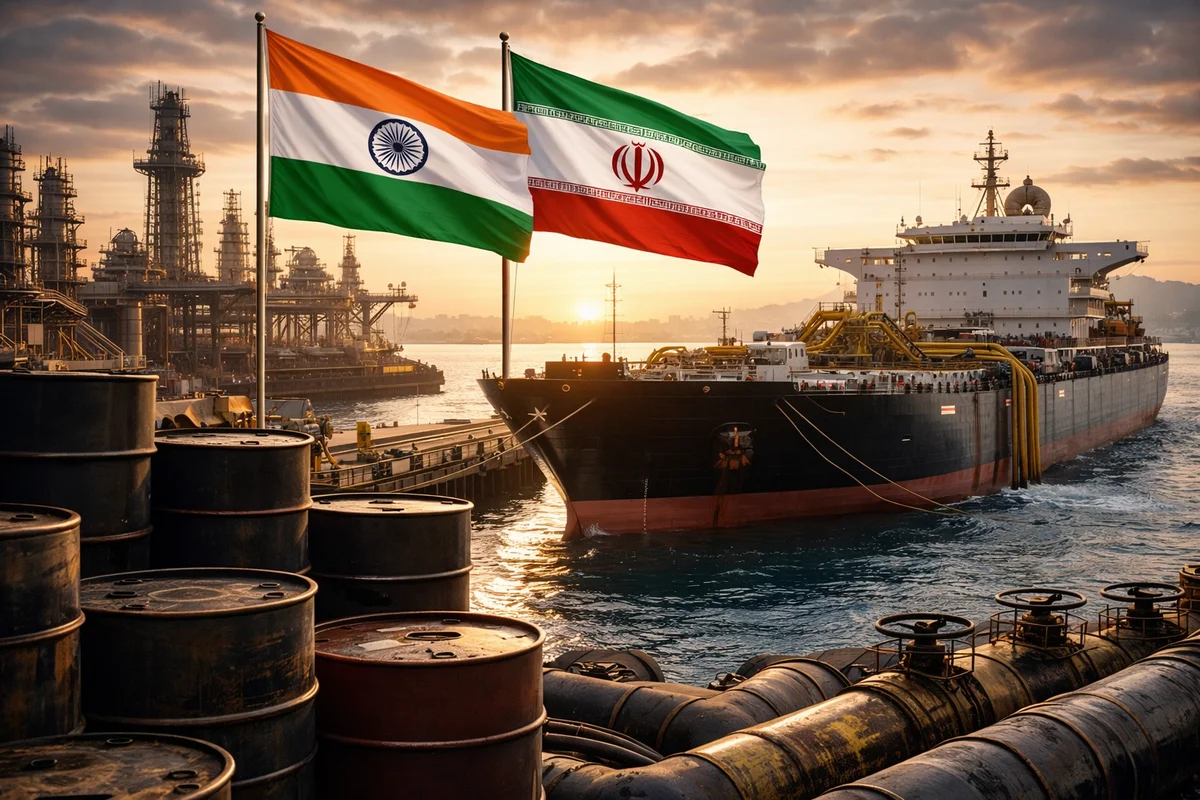
India’s decision to resume oil imports from Iran after seven years marks a major shift in the global energy landscape. At a time when supply disruptions and geopolitical tensions are driving uncertainty, this move signals a strategic step to secure energy needs and control rising costs. For markets, this isn’t just about oil it directly impacts inflation, currency stability, and key sectors like aviation, oil marketing, and chemicals.
India has taken a major step in the global energy space by resuming oil imports from Iran after a gap of seven years. This move comes at a time when global supply chains are under pressure and oil prices remain volatile.
The decision is not just about energy. It has deeper implications for inflation, currency movement, and stock market direction. For investors, this development could shape sector trends in the coming weeks.
Let’s break it down in a simple and practical way.
India had stopped importing oil from Iran in 2019 due to sanctions imposed by the United States. These restrictions made it difficult for countries to trade with Iran.

Now, due to global supply disruptions and rising tensions in the Middle East, there has been temporary relief in these restrictions. This has allowed Indian refiners to restart purchases.
One key reason behind this move is supply pressure. The Strait of Hormuz, a major oil supply route, has faced disruptions. Since a large portion of global oil passes through this route, any disturbance directly impacts supply.
To secure energy needs, India has turned back to Iran, which is known for offering oil at competitive prices.
Oil prices are highly sensitive to supply and demand.
When supply increases, prices tend to stabilize or fall. Iran holds significant oil reserves, and its return to the market adds extra supply.
This could lead to:
However, this effect depends on how long the current situation lasts. If geopolitical tensions rise again, prices can quickly move higher.
Examples: IOC, BPCL, HPCL
How they work: These companies import crude oil, refine it, and sell petrol and diesel in the domestic market.
Impact of lower oil prices:
Risks:
Conclusion: Moderately positive impact, but dependent on pricing policies

Examples: IndiGo, SpiceJet
How they work: Airlines rely heavily on Aviation Turbine Fuel (ATF), which is directly linked to crude oil prices.
Impact of lower oil prices:
Impact of higher oil prices:
Conclusion: One of the strongest beneficiaries of falling crude prices
Examples: Asian Paints, Berger Paints
How they work: Paint companies use crude-based raw materials such as solvents and resins.
Impact of lower oil prices:
Impact of higher oil prices:
Conclusion: Strong positive impact from stable or declining crude prices

Examples: SRF, Deepak Nitrite
How they work: Many chemical products are derived from petroleum-based inputs.
Impact of lower oil prices:
Impact of higher oil prices:
Conclusion: Highly sensitive to crude price movements

Examples: Cement, auto companies, transport firms
How they work: These sectors depend heavily on fuel for transportation and operations.
Impact of lower oil prices:
Impact of higher oil prices:
Conclusion: Indirect but broad positive impact across the economy
Examples: ONGC, Oil India
How they work: These companies produce and sell crude oil.
Impact of lower oil prices:
Impact of higher oil prices:
| Sector | Impact of Lower Oil Prices | Impact of Higher Oil Prices | Sensitivity |
|---|---|---|---|
| Oil Marketing Companies | Positive | Negative | Medium |
| Aviation | Strong Positive | Strong Negative | Very High |
| Paints | Positive | Negative | High |
| Chemicals | Positive | Negative | High |
| Logistics / Manufacturing | Positive | Negative | Medium |
| Upstream Oil Companies | Negative | Positive | Very High |
Positive factors:
Negative factors:
The return of Iranian oil supply is broadly positive for the market, but its impact is not uniform.
Key beneficiaries include aviation, paints, and chemical companies due to lower input costs. Oil marketing companies see moderate benefits, depending on pricing dynamics. Upstream oil producers face downside pressure as crude prices soften.
This creates sector-specific opportunities rather than a broad-based market move. Investors should focus on identifying sectors that benefit directly from lower crude prices rather than expecting uniform gains across all stocks.
India imports most of its crude oil, so prices directly affect inflation.
If oil prices remain stable or fall:
This is important because lower inflation supports economic growth and improves consumer spending.
It also gives the central bank more flexibility in policy decisions.
Oil imports play a big role in India’s trade balance.
Cheaper oil means:
A stable currency creates confidence among foreign investors, which can support stock markets.
This is not a one-time event. The situation will evolve based on global developments.
Key things to track:
Markets will react quickly to any changes in these factors.
This situation creates opportunities, but also requires caution.
Simple approach:
Financial journalist specializing in market analysis, stock research, and investment trends. Dedicated to providing accurate, timely insights for informed decision-making.
Credentials: Experienced financial journalist with expertise in equity markets and economic analysis
The information provided in this article is for educational and informational purposes only and should not be construed as financial, investment, or legal advice. welomoney does not provide personalized investment recommendations.
For detailed terms and conditions, please read our Disclaimer and Terms of Service.