Loading market data...
Tue, 20 Oct 2026
05:03:30 pm
Tue, 20 Oct 2026
05:03:30 pm
Synopsis
Indian stock markets fell on August 31, 2026, as renewed West Asia tensions pushed crude oil prices higher. Check the latest Nifty 50 and Sensex levels, key reasons behind the fall and market outlook.
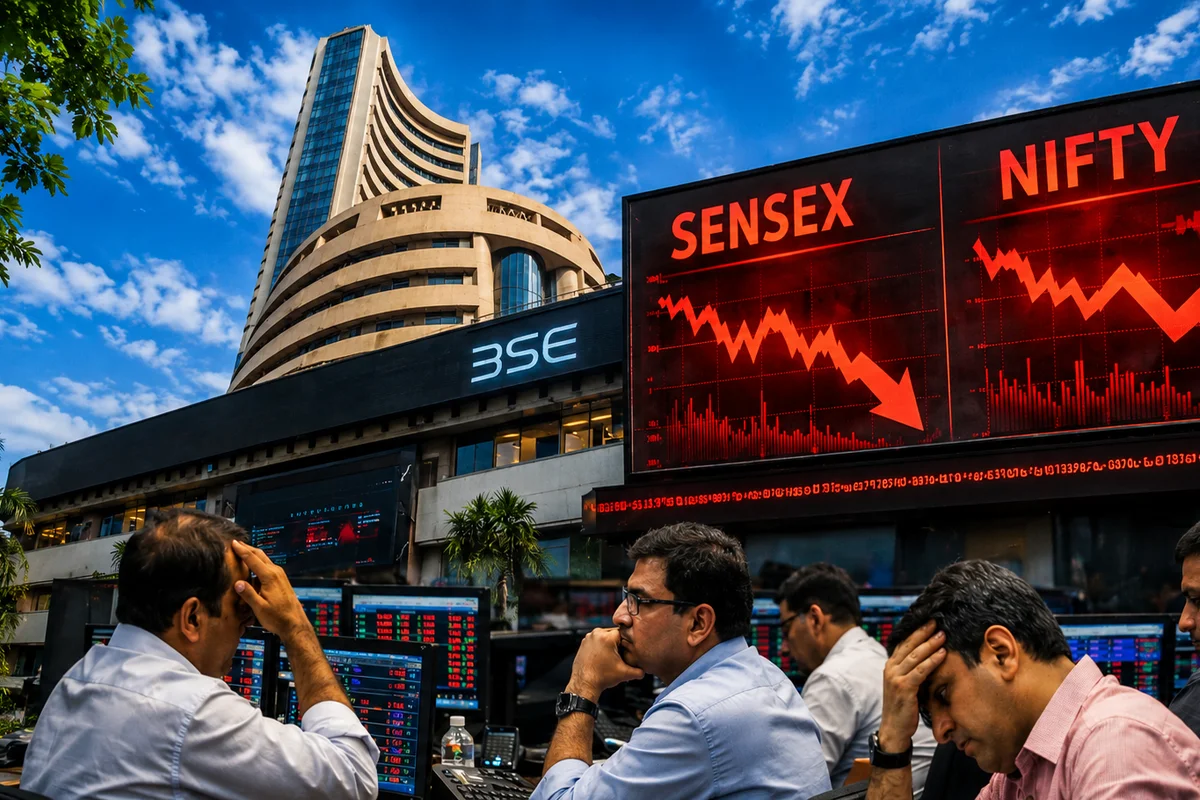
Indian benchmark equity indices Sensex and Nifty declined on August 31, 2026, as renewed tensions in West Asia pushed crude oil prices higher and weighed on investor sentiment.
The Nifty 50 stood at 24,039.05, down 136.60 points or 0.57%, while the BSE Sensex was at 76,881.81, down 382.70 points or 0.50% during the session.
The main pressure on Indian equities came from renewed tensions in West Asia, which pushed crude oil prices higher. Rising oil prices are a concern for India because the country relies heavily on imports to meet its energy requirements.
Higher crude prices can increase input and transportation costs for businesses while also putting pressure on India's import bill and inflation outlook. This has made investors more cautious during Monday's trading session. Indian stock markets remained under pressure amid these developments.
Weak trends across global markets also added to the pressure on domestic equities. Investors remained cautious as uncertainty in international markets reduced risk appetite.
The combination of global weakness and higher crude oil prices created a challenging environment for Indian stocks, particularly as investors assessed the potential impact on corporate earnings and the broader economy. Indian equities continued to reflect this cautious sentiment.
Foreign fund outflows were another factor weighing on investor sentiment during the trading session. Selling by foreign investors can put additional pressure on benchmark indices and large-cap stocks.
Market participants are likely to keep a close watch on foreign investment flows, crude oil prices and developments in West Asia to assess the direction of Indian equities in the near term. Market participants will continue tracking these factors.
The near-term direction of the Sensex and Nifty will depend on how crude oil prices respond to developments in West Asia and whether global market sentiment improves.
Investors will also track foreign fund activity and upcoming economic and corporate developments. Continued geopolitical uncertainty and elevated crude prices could keep volatility high, while easing tensions may provide some relief to the market. Sensex and Nifty will remain in focus as these factors develop.
| Index | August 31, 2026 |
|---|---|
| Nifty 50 | 24,039.05 |
| Nifty 50 Change | -136.60 points (-0.57%) |
| BSE Sensex | 76,881.81 |
| Sensex Change | -382.70 points (-0.50%) |
| Key Pressure | Higher crude oil prices |
| Major Concern | Renewed West Asia tensions |
| Other Factors | Global market weakness and foreign fund outflows |
The Nifty 50 stood at 24,039.05 on August 31, 2026, down 136.60 points or 0.57% during the session.
The Nifty is under pressure mainly due to renewed tensions in West Asia, higher crude oil prices, weak global market trends and foreign fund outflows.
The Sensex declined as rising crude oil prices and geopolitical uncertainty weakened investor sentiment. Foreign fund selling and weak global markets also added to the pressure.
Indian stock markets are falling due to a combination of West Asia tensions, higher crude oil prices, global market weakness and foreign fund outflows.
Higher crude oil prices can increase India's import bill, input costs and transportation expenses. They can also put pressure on inflation and corporate profitability, affecting investor sentiment.
The BSE Sensex was at 76,881.81 on August 31, 2026, down 382.70 points or 0.50% during the session.
The Nifty 50 was trading at 24,039.05, down 136.60 points or 0.57% on August 31, 2026.
The Sensex stood at 76,881.81, declining 382.70 points or 0.50% on August 31, 2026.
Weak global market trends can reduce investor risk appetite and increase caution toward equities. This can add to selling pressure in Indian benchmark indices.
Renewed tensions in West Asia have raised concerns about crude oil supplies and prices. Higher oil prices can create pressure on India's economy and corporate earnings, which is weighing on market sentiment.
Foreign fund outflows are contributing to the pressure on Indian equities. Continued foreign selling can weigh particularly on large-cap stocks and benchmark indices.
The near-term market direction will depend on crude oil prices, developments in West Asia, global market sentiment and foreign investment flows. Continued geopolitical uncertainty could keep volatility elevated.
A single day's decline does not by itself confirm a broader market correction. Investors will need to watch the Nifty and Sensex trend along with global markets, crude oil prices and foreign fund flows.
The key factors to watch are crude oil prices, West Asia tensions, global market trends, foreign fund flows and upcoming economic and corporate developments.
Investors should closely monitor developments in West Asia, crude oil prices, foreign investor activity and global equity markets. These factors could determine whether the current selling pressure continues or eases.

Financial journalist specializing in market analysis, stock research, and investment trends. Dedicated to providing accurate, timely insights for informed decision-making.
Credentials: Experienced financial journalist with expertise in equity markets and economic analysis
The information provided in this article is for educational and informational purposes only and should not be construed as financial, investment, or legal advice. welomoney does not provide personalized investment recommendations.
For detailed terms and conditions, please read our Disclaimer and Terms of Service.

Diwali Muhurat Trading 2026 is scheduled for November 8 from 2:20 PM to 3:30 PM. See NSE and BSE timings, pre-open session and market schedule.

Sugar stocks fell up to 5.79% after the government barred sugarcane juice and syrup for FY27 ethanol procurement. Analysts flag earnings pressure.
NSE indices on October 16, 2026: Nifty IT rises 3.12%, Nifty 50 gains 0.49%, while Nifty FMCG, Capital Market and Bank indices decline.
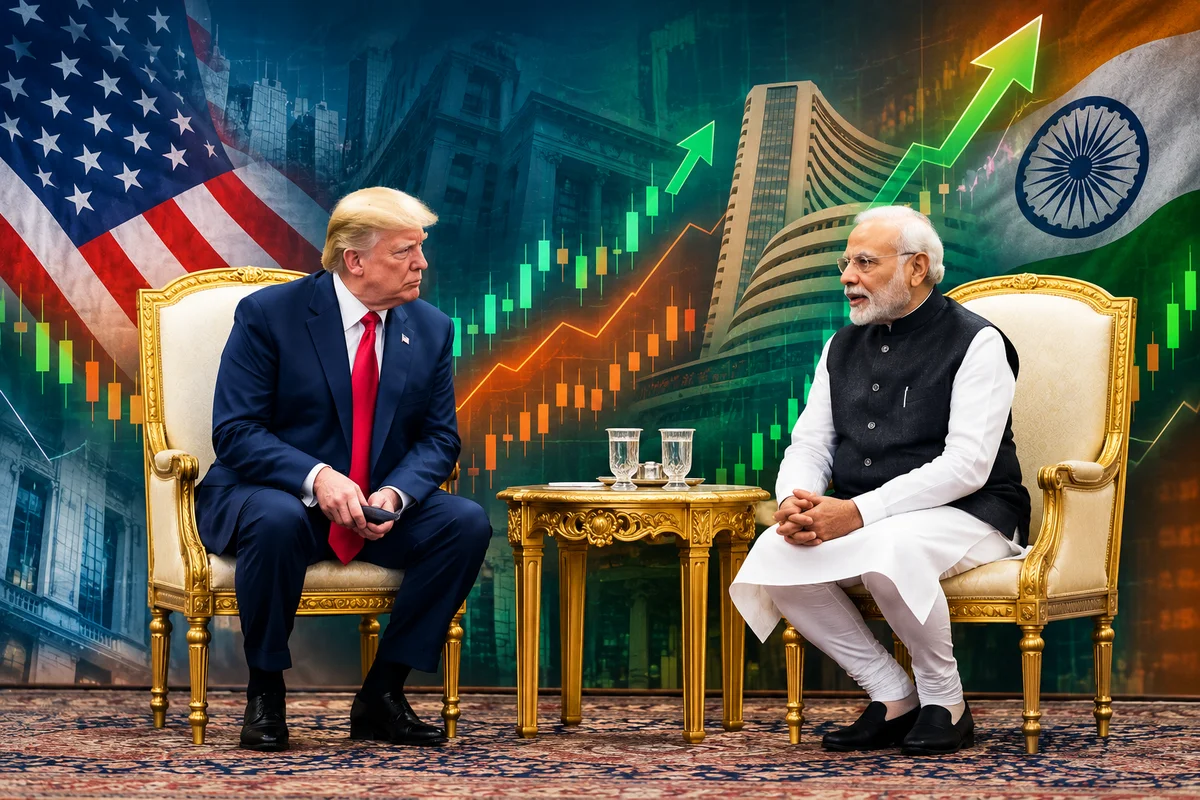
India-US trade deal could influence Sensex, Nifty 50 and export stocks. Explore five sectors to watch and the key factors investors should track.

India agricultural growth may approach zero as El Niño threatens crops, with output potentially falling 4%.