Loading market data...
Tue, 20 Oct 2026
05:05:08 pm
Tue, 20 Oct 2026
05:05:08 pm
Synopsis
India’s ₹7 lakh crore jewellery market is changing as high gold prices push buyers towards lightweight, branded and design led jewellery. See what’s driving the shift.
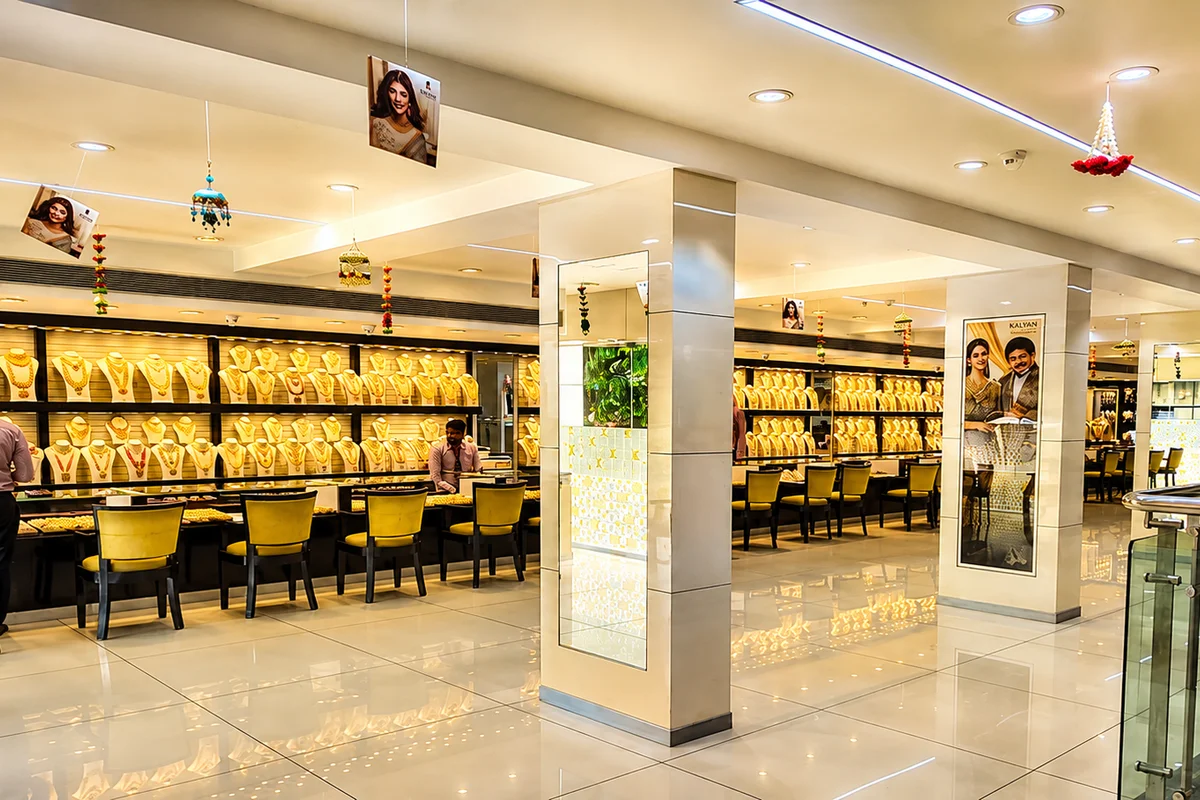
India’s roughly ₹7 lakh crore jewellery market is undergoing a structural shift as record gold prices push consumers towards lighter, design-led and branded products. While higher bullion prices have reduced the quantity of gold purchased, jewellery spending has remained resilient as buyers increasingly focus on value per gram.
The trend is visible among organised jewellers. Titan’s jewellery business grew 43% in Q1 FY27, while Kalyan Jewellers’ consolidated revenue increased 46% to ₹10,589 crore. Senco Gold also reported strong demand even as India’s jewellery demand fell 17.1% by volume in H1 2026, highlighting the gap between gold volumes and jewellery value.
The World Gold Council reported that India's jewellery demand declined 15.4% year-on-year to 75.1 tonnes in Q2 CY2026, while demand value increased 34.4% to ₹1.13 lakh crore. In H1 2026, volumes fell 17.1%, while demand value rose 40% to ₹2.13 lakh crore.
The divergence shows consumers are still spending despite buying fewer grams. Titan's Q1 FY27 jewellery business grew 43%, with buyer growth in the early double digits and average ticket sizes rising in the high double digits. The company also added 33 jewellery stores, taking its network to 1,227 outlets.
Kalyan Jewellers is increasingly using recycled gold to navigate expensive bullion. Its consolidated revenue rose 46% to ₹10,589 crore in Q1 FY27, while recycled gold accounted for more than 46% of revenue. Its “Shine with India” campaign pushed the share above 55% in June, with the company targeting 55%-60%.
The strategy allows retailers to use gold already held by Indian households instead of depending entirely on newly imported bullion. This can help manage supply pressures while encouraging customers to exchange old jewellery for new designs.
India's jewellery retail market is moving towards organised retail, branded formats and experience-led stores. Jewellery's share of organised retail leasing increased from 2% in 2019 to 8% in 2025, while stores larger than 8,000 sq ft accounted for 50% of jewellery retail leasing in 2025.
Organised jewellers are competing through standardised purity, certification, transparent pricing, exchange policies and digital discovery. This is gradually shifting consumer trust towards recognised brands and consistent retail experiences.
Younger consumers are showing greater interest in lightweight, customised and design-led jewellery, while gold and lab-grown diamonds and fashion jewellery are becoming more relevant. CareEdge research highlights design innovation, certification and customer experience as increasingly important factors, particularly among metropolitan and Tier-I consumers.
Senco Gold is responding with 9-carat and 14-carat lightweight collections and a larger diamond jewellery portfolio. Diamond jewellery value grew 43% year-on-year in Q1 FY27, while its Sennes lifestyle brand is expanding into lab-grown diamond jewellery and other lifestyle products.
Major jewellers are increasingly operating as lifestyle brands rather than traditional gold retailers. Titan has multiple brands across occasions and price points, Kalyan Jewellers is expanding Candere and regional propositions, while Senco Gold is developing Sennes alongside lightweight and lower-carat collections.
The market is also benefiting from formalisation through GST, mandatory hallmarking and PAN disclosure requirements. Organised chains are using their brands, digital platforms and standardised processes to expand into smaller cities, while consumers increasingly seek quality assurance and predictable buying experiences.
India’s jewellery market is therefore changing on both sides. Consumers are buying fewer grams but higher-value products, while retailers are expanding product ranges, increasing recycled-gold usage and investing in branded, experience-driven formats. Higher gold prices may be pressuring volumes, but they are also accelerating the shift towards a more organised and design-focused jewellery industry.
Record-high gold prices have made heavy jewellery more expensive, encouraging consumers to choose lighter designs, lower-carat products and studded jewellery while continuing to spend on jewellery.
Consumers are buying fewer grams but paying more because of elevated gold prices. This has created a gap between jewellery demand by volume and its value.
Lightweight jewellery helps consumers manage higher gold prices while still buying branded and design-led products. The shift is particularly visible among younger and urban buyers.
India's jewellery market is becoming more organised, with growing demand for branded products, lightweight designs, gold exchanges, diamond jewellery and improved retail experiences.
High gold prices are putting pressure on jewellery volumes, but spending remains comparatively resilient. Consumers are adapting by buying lighter jewellery and using old gold exchanges.
Organised jewellers can benefit from higher average ticket sizes, store expansion, branded demand and increased exchange activity even when customers purchase fewer grams.
Yes. Titan's jewellery business has recorded strong growth, supported by consumer demand, higher ticket sizes and continued expansion of its retail network.
Titan benefits from established brands, a large retail network, product diversification and the growing preference for organised jewellery retailers.
Kalyan Jewellers is benefiting from higher jewellery values, organised retail expansion and greater use of recycled gold and exchange-led purchases.
Recycled gold allows jewellers to source metal from existing household holdings rather than relying entirely on newly mined or imported gold. It also supports exchange-based purchases.
High gold prices are encouraging consumers to exchange old jewellery for new designs. This makes recycled gold an increasingly important part of the organised jewellery business.
High gold prices are encouraging consumers to use existing jewellery to fund new purchases. Exchange-led buying has become an important source of demand for many organised retailers.
The market is gradually becoming more organised, with consumers increasingly valuing standardised purity, certification, transparent pricing, exchange policies and established brands.
Lightweight jewellery, lower-carat products, customised designs, diamond jewellery, everyday wear and exchange-based purchases are among the key trends shaping the market.
Younger consumers often prefer jewellery that is affordable, versatile and suitable for everyday use. Lightweight and design-focused products allow them to continue buying despite high gold prices.
Diamond jewellery is gaining importance as organised jewellers expand their product ranges and consumers increasingly seek design-led and lightweight alternatives to traditional heavy gold jewellery.
Consumers are purchasing fewer grams, choosing lighter designs, considering lower-carat products and exchanging old gold to reduce the effective cost of new jewellery.
The organised segment is positioned for continued expansion as branded retailers increase store networks and consumers place greater importance on transparency, certification, digital discovery and customer experience.
Titan, Kalyan Jewellers and Senco Gold are among the major listed jewellery companies attracting attention because of their retail expansion and business growth.
Senco Gold is expanding its lightweight and lower-carat jewellery offerings while developing diamond and lifestyle-focused products to address changing consumer preferences.
Formalisation, hallmarking, GST compliance, standardised pricing and growing demand for trusted products are supporting organised jewellery retailers.
Higher prices could continue to pressure jewellery volumes, but demand may remain supported by weddings, festivals, exchanges, lightweight products and consumers' long-standing preference for gold.
The market outlook is increasingly focused on value growth rather than volume growth, with lightweight products, recycled gold, branded retail, diamonds and store expansion likely to remain important growth drivers.
Yes. The key trend is the divergence between lower physical jewellery volumes and higher spending, showing that consumers continue to allocate substantial amounts to jewellery despite purchasing less gold by weight.

Financial journalist specializing in market analysis, stock research, and investment trends. Dedicated to providing accurate, timely insights for informed decision-making.
Credentials: Experienced financial journalist with expertise in equity markets and economic analysis
The information provided in this article is for educational and informational purposes only and should not be construed as financial, investment, or legal advice. welomoney does not provide personalized investment recommendations.
For detailed terms and conditions, please read our Disclaimer and Terms of Service.
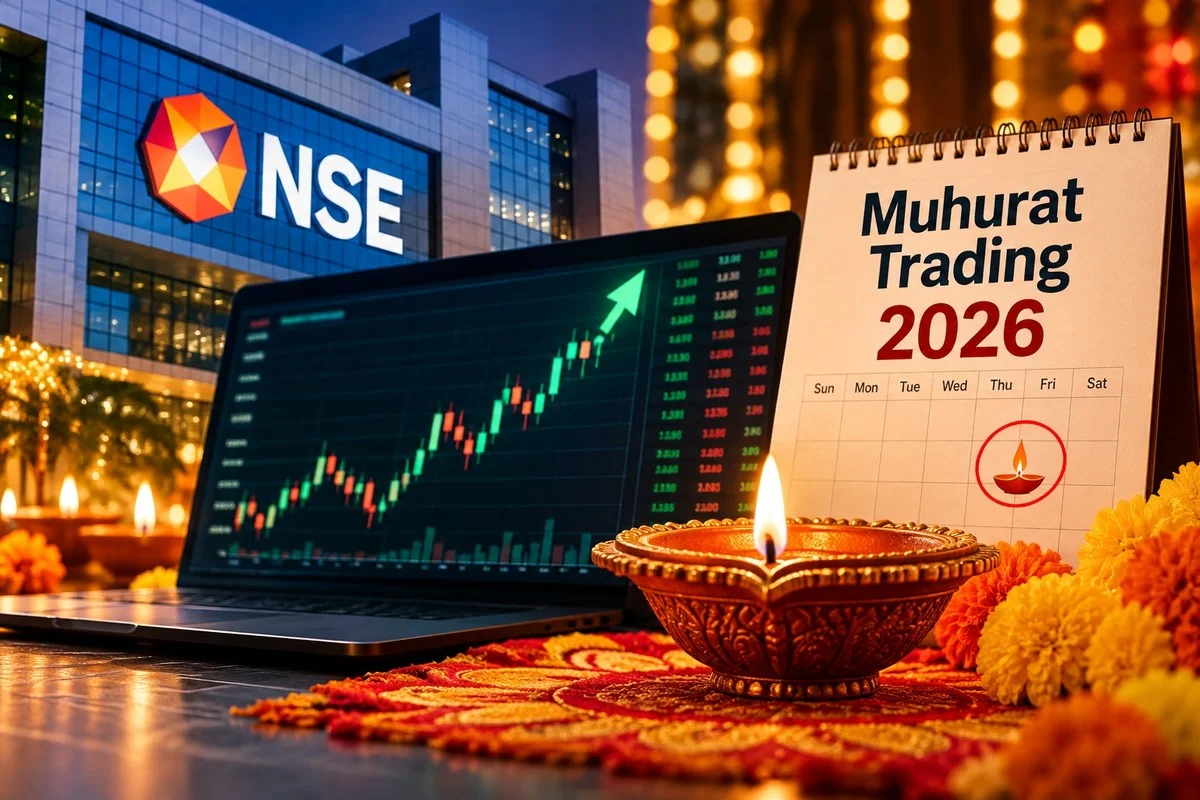
Diwali Muhurat Trading 2026 is scheduled for November 8 from 2:20 PM to 3:30 PM. See NSE and BSE timings, pre-open session and market schedule.
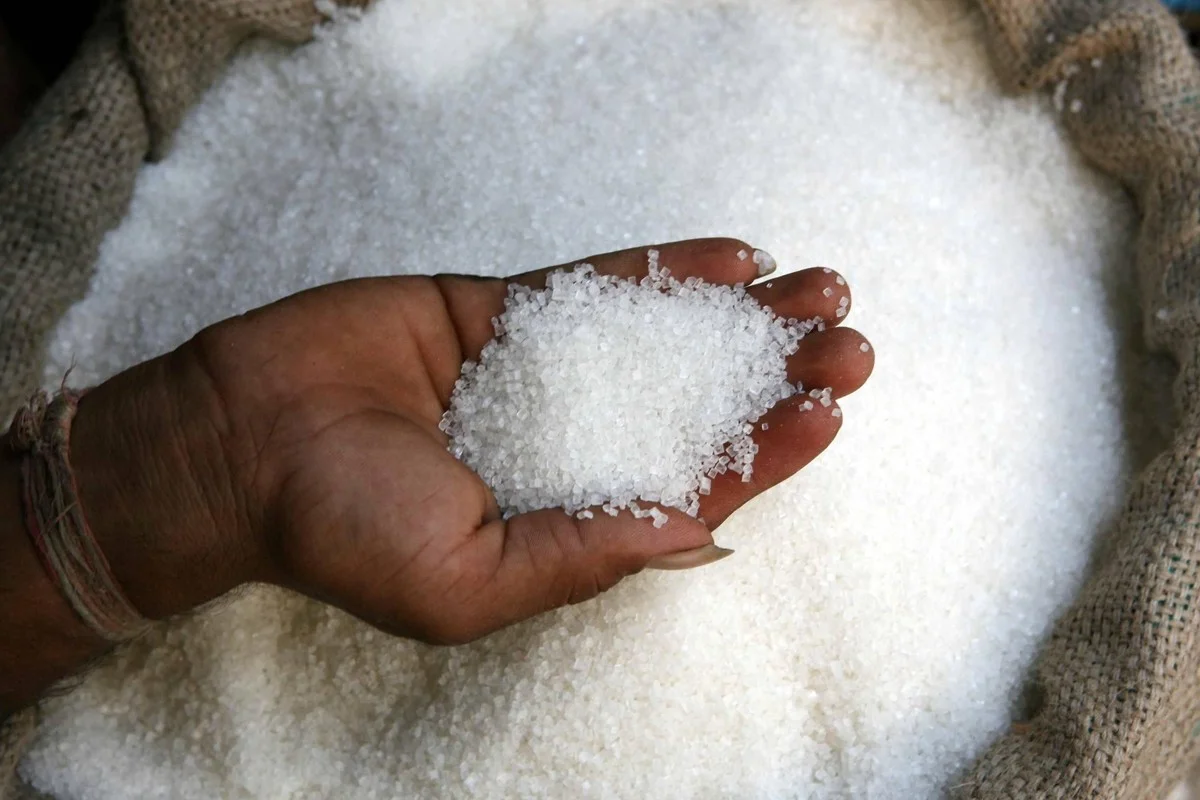
Sugar stocks fell up to 5.79% after the government barred sugarcane juice and syrup for FY27 ethanol procurement. Analysts flag earnings pressure.
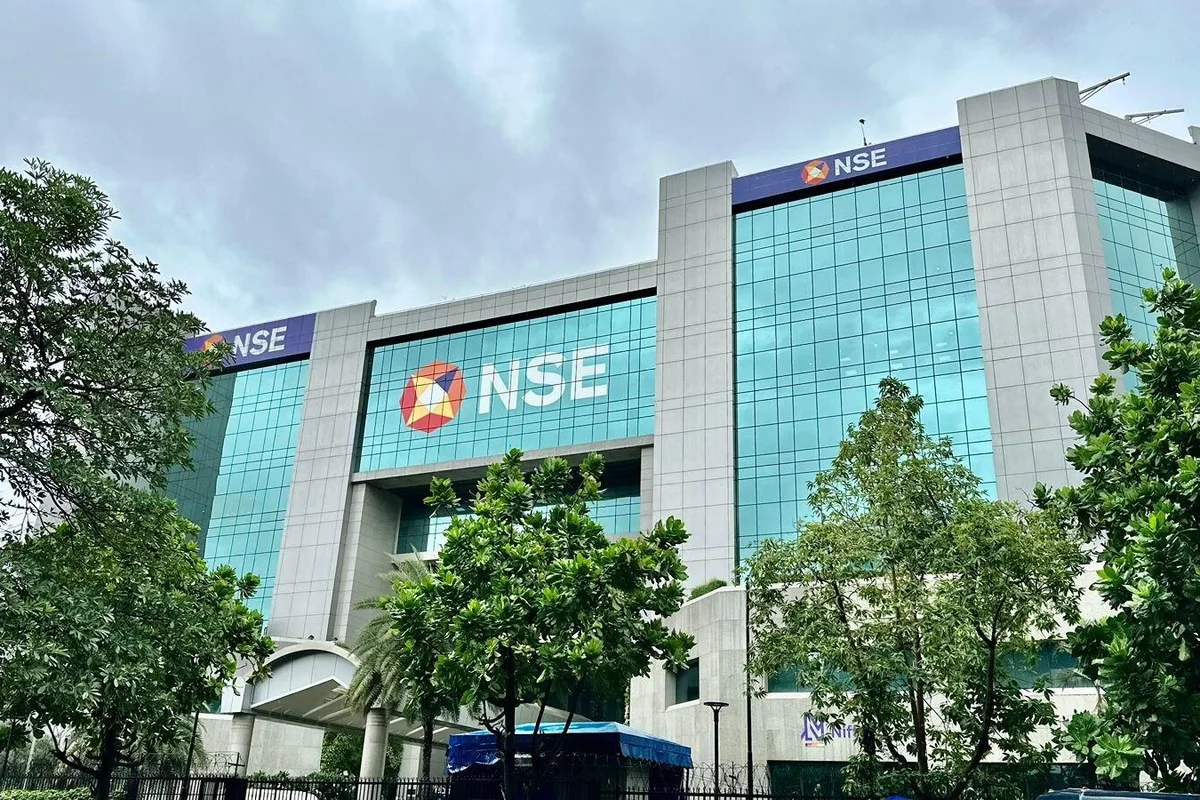
NSE indices on October 16, 2026: Nifty IT rises 3.12%, Nifty 50 gains 0.49%, while Nifty FMCG, Capital Market and Bank indices decline.
India-US trade deal could influence Sensex, Nifty 50 and export stocks. Explore five sectors to watch and the key factors investors should track.

India agricultural growth may approach zero as El Niño threatens crops, with output potentially falling 4%.