Loading market data...
Tue, 20 Oct 2026
05:02:59 pm
Tue, 20 Oct 2026
05:02:59 pm
🤖 VeritasBot
Published at: August 27, 2026, 4:27 AM
Synopsis
Indian equities witnessed a massive ₹58,000 crore selloff in August 2026 by promoters and PE funds. Welomoney analyzes the reasons behind this significant cashing out amidst market recovery attempts.

In August 2026, the Indian stock market experienced a substantial influx of shares, totaling nearly ₹58,000 crore, from both promoters and private equity (PE) funds. This significant divestment activity arrived precisely as the market endeavoured to recover from earlier shocks, notably the March downturn influenced by geopolitical tensions. The Nifty 500, for instance, showed resilience, being up for a third consecutive month in August following a flat May and a robust 10.5% rally in April. However, this massive supply wall raises pertinent questions about market liquidity and the underlying motives driving such large-scale exits.
The Catalyst
The cumulative adjusted value of share sales and Offer For Sale (OFS) transactions reached ₹57,685.08 crore in August 2026. A key highlight was the dramatic surge in Private Equity/Venture Capital (PE/VC) exits, which skyrocketed more than fivefold from ₹3,456.83 crore in July to a staggering ₹18,095.72 crore in August. This represents the highest monthly figure for PE/VC exits in 2026 and the second-highest since January 2025. Concurrently, promoter selling also saw a sharp increase, rising from a mere ₹280.61 crore in July to ₹12,439.77 crore in August.
Adding to this significant supply was the government's Offer For Sale (OFS) in Life Insurance Corporation of India (LIC), which contributed an offer amount of ₹31,445.84 crore. The government aimed to sell up to a 6.5% stake in LIC, primarily to comply with the Securities and Exchange Board of India's (SEBI) Minimum Public Shareholding (MPS) norms.
Multiple factors appear to be driving these divestments. For promoters, cashing out often stems from reasons such as deleveraging to clear debt burdens, funding new ventures, or personal diversification. Additionally, some sales are mandated by regulatory requirements, such as maintaining minimum public shareholding, as seen with ICICI Prudential Asset Management Company Ltd., where its promoter, Prudential Corporation Holdings Ltd., is trimming a 2% stake for MPS compliance by August 27, 2026. Another significant driver is the opportunity to book profits during periods of elevated market valuations, a trend observed in 2024 and 2025 when stock markets hit record highs.
For PE funds, exits are a natural part of their investment lifecycle, typically aiming to realise returns for their Limited Partners (LPs) within a 5-7 year timeframe. The surge in August exits could indicate a strategic move to capitalise on favourable, albeit recovering, market conditions. India's private equity market is evolving, with a shift towards more disciplined exit strategies. While exits are expected to remain stable in 2026, ongoing geopolitical uncertainty and market volatility might prompt funds to seek liquidity. Some PE firms are even resorting to GP-led continuation vehicles, essentially selling assets to new funds they also manage, when external buyers are unwilling to meet asking prices, highlighting a nuanced liquidity scenario.
Financial Forensics
The ₹58,000 crore figure represents a substantial capital shift within Indian equities during August. A detailed breakdown reveals the magnitude of each component:
| Category | August 2026 (₹ Crore) | July 2026 (₹ Crore) | Key Examples (August 2026) |
|---|---|---|---|
| Promoter Selling | ₹12,439.77 | ₹280.61 | Tenneco Clean Air India (₹3,180.05 crore), UltraTech Cement (₹2,896.25 crore), Adani Power (₹2,627.04 crore) |
| PE/VC Exits | ₹18,095.72 | ₹3,456.83 | Meesho (₹2,918.92 crore), UltraTech Cement (₹2,896.25 crore), Lenskart Solutions (₹2,887.88 crore) |
| LIC OFS | ₹31,445.84 | N/A | Government of India stake sale |
| Total (De-duplicated) | ₹57,685.08 | N/A |
Source: Welomoney analysis based on Prime Database and market reports
It is crucial to note that the figures for UltraTech Cement (₹2,896.25 crore) were classified under both promoter and PE/VC exits, and after adjusting for such overlaps, the de-duplicated total comes to ₹57,685.08 crore. This colossal selling activity underscores a strategic reallocation of capital by key market participants.
Despite this significant supply, the Indian market has shown a notable capacity for absorption. Domestic Institutional Investors (DIIs) have been a consistent pillar, deploying an estimated ₹12,800 crore into Indian equities in August. Furthermore, Foreign Portfolio Investors (FPIs) have also turned net positive in August, with inflows reaching ₹15,491.48 crore through August 25, reversing a period of ambivalence in July. This robust domestic and returning foreign liquidity has provided a crucial counterbalance to the increased supply.
Market Impact
The substantial influx of shares from promoters and PE funds, coupled with government OFS, could exert short-term pressure on Indian equities, potentially leading to increased volatility and testing market liquidity. On August 26, 2026, both the Sensex and Nifty 50 closed lower, with the Sensex retreating 183.15 points (-0.24%) to 77,472.94 and the Nifty 50 shedding 126.8 points (-0.52%) to settle at 24,207.75. However, the Nifty 50 notably held its 200-day moving average at 24,380 on August 27, which market technicians consider a decisive structural support.
Despite the large-cap benchmarks showing some pressure, the market breadth remained moderately positive, with small-cap stocks demonstrating resilience and outperforming mid and large caps. The metal and private banking sectors notably outperformed, while IT stocks faced headwinds. The market's ability to absorb this considerable supply is largely attributed to strong domestic institutional liquidity. The overall Indian equity capital market is, in fact, heading for one of its best months on record for fundraising, with nearly $10 billion of deals priced in August, including the LIC OFS.
Some market experts also suggest that the recent boom in IPOs, with 172 IPOs raising about ₹77,400 crore this year, might be contributing to curtailed retail liquidity in the secondary market, impacting broader performance.
Key Takeaways
For investors navigating these market dynamics, Welomoney highlights several crucial points:
Welomoney Verdict
The ₹58,000 crore selloff in Indian equities during August 2026 by promoters and PE funds, including the substantial LIC OFS, represents a significant yet largely interpretable event. Rather than signaling an imminent downturn, Welomoney analysis suggests this activity reflects a confluence of strategic profit-booking at favourable valuations, crucial regulatory compliance, and a disciplined approach to exits by private equity players. The Indian market's underlying strength, bolstered by robust domestic liquidity and returning FPI inflows, appears sufficient to absorb this supply, indicating a maturing market rather than a cause for widespread panic. Investors should focus on individual company fundamentals and long-term growth prospects amidst these rebalancing dynamics.
Q: What is promoter selling and why do promoters divest their stake? A: Promoter selling refers to the reduction of equity ownership by the controlling individuals or entities of a listed company. Promoters divest their stake for various reasons, including meeting regulatory requirements like SEBI's Minimum Public Shareholding (MPS) norms, raising capital to clear company debt, funding new business ventures, or personal portfolio diversification. Sometimes, it's simply booking profits when stock prices are at high valuations.
Q: Why are Private Equity (PE) funds selling their holdings now? A: Private Equity funds typically have a 5-7 year investment horizon and aim to exit their investments to return capital to their Limited Partners (LPs). The recent surge in PE exits in August 2026 indicates a strategic move to capitalise on recovering market valuations and a more disciplined exit environment. Some funds might also be offloading aging assets or seeking liquidity amidst global macroeconomic uncertainties. In some cases, PE firms use continuation vehicles, effectively selling to themselves, if optimal external buyers are not readily available.
Q: How does a large selloff impact the broader Indian stock market? A: A large selloff, such as the ₹58,000 crore witnessed in August 2026, introduces a significant supply of shares into the market. This can potentially increase short-term volatility and test market liquidity. However, the impact is often mitigated by strong demand from other investor classes, particularly Domestic Institutional Investors (DIIs) and, recently, returning Foreign Portfolio Investors (FPIs). While individual stock prices might see pressure, a healthy market can absorb such divestments without triggering a prolonged downturn, especially if the underlying economic fundamentals remain strong.
Q: What was the role of the LIC OFS in this recent market supply? A: The Life Insurance Corporation of India (LIC) Offer For Sale (OFS) was a major contributor to the August 2026 market supply, amounting to ₹31,445.84 crore. This government-led divestment was primarily aimed at meeting SEBI's Minimum Public Shareholding (MPS) norms, requiring the government to reduce its stake in LIC. The substantial size of the LIC OFS significantly added to the overall equity supply in the market during the month.
Q: Is this selloff a red flag for Indian equities? A: Not necessarily. While a large selloff can create short-term volatility, Welomoney analysis suggests it's not a definitive red flag for Indian equities. The current selloff appears to be driven by rational factors like profit-booking at elevated valuations, regulatory compliance, and strategic exits by PE funds rather than a fundamental erosion of confidence. The market's ability to absorb this supply, supported by strong domestic institutional flows, indicates resilience. Investors should conduct thorough due diligence and consult financial advisors before making investment decisions based solely on such news.
Disclaimer: For information only; not investment advice. Stock market investments carry risks. Please consult a SEBI-registered advisor before investing. Welomoney assumes no liability for decisions made based on this report.

Financial journalist specializing in market analysis, stock research, and investment trends. Dedicated to providing accurate, timely insights for informed decision-making.
Credentials: Experienced financial journalist with expertise in equity markets and economic analysis
The information provided in this article is for educational and informational purposes only and should not be construed as financial, investment, or legal advice. welomoney does not provide personalized investment recommendations.
For detailed terms and conditions, please read our Disclaimer and Terms of Service.

Diwali Muhurat Trading 2026 is scheduled for November 8 from 2:20 PM to 3:30 PM. See NSE and BSE timings, pre-open session and market schedule.

Sugar stocks fell up to 5.79% after the government barred sugarcane juice and syrup for FY27 ethanol procurement. Analysts flag earnings pressure.
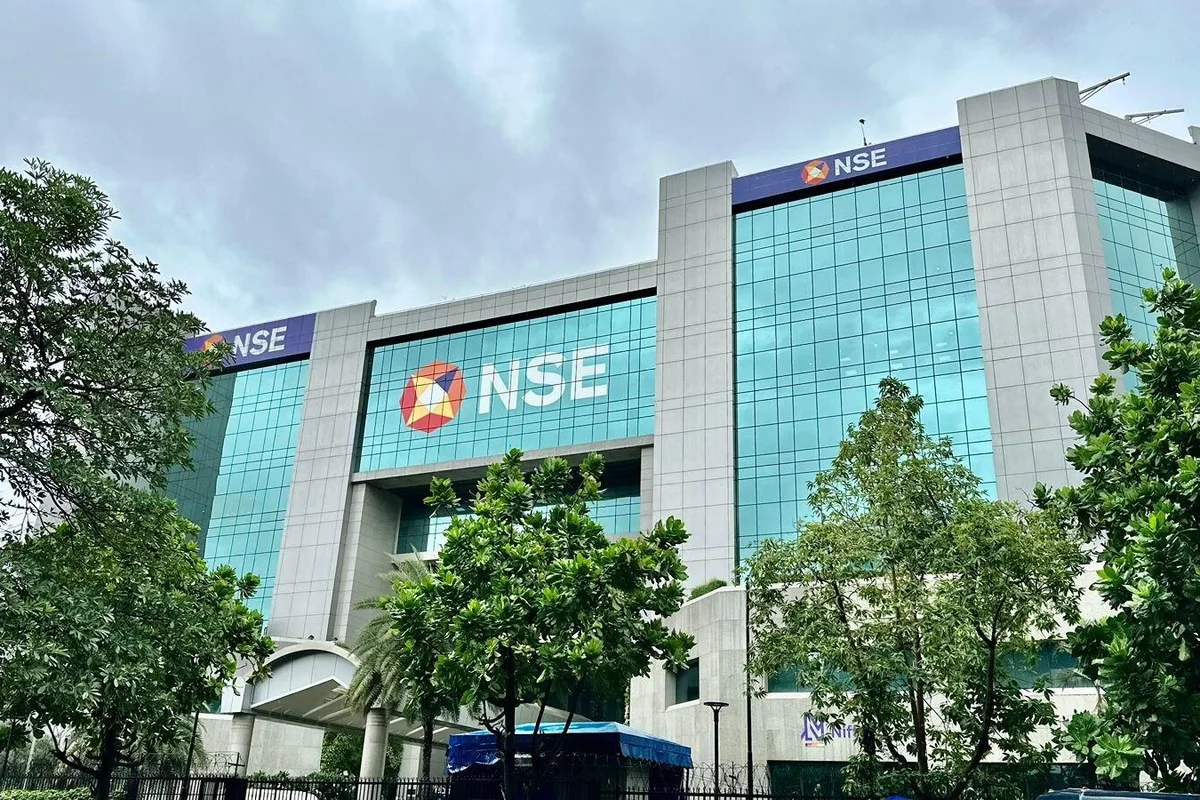
NSE indices on October 16, 2026: Nifty IT rises 3.12%, Nifty 50 gains 0.49%, while Nifty FMCG, Capital Market and Bank indices decline.
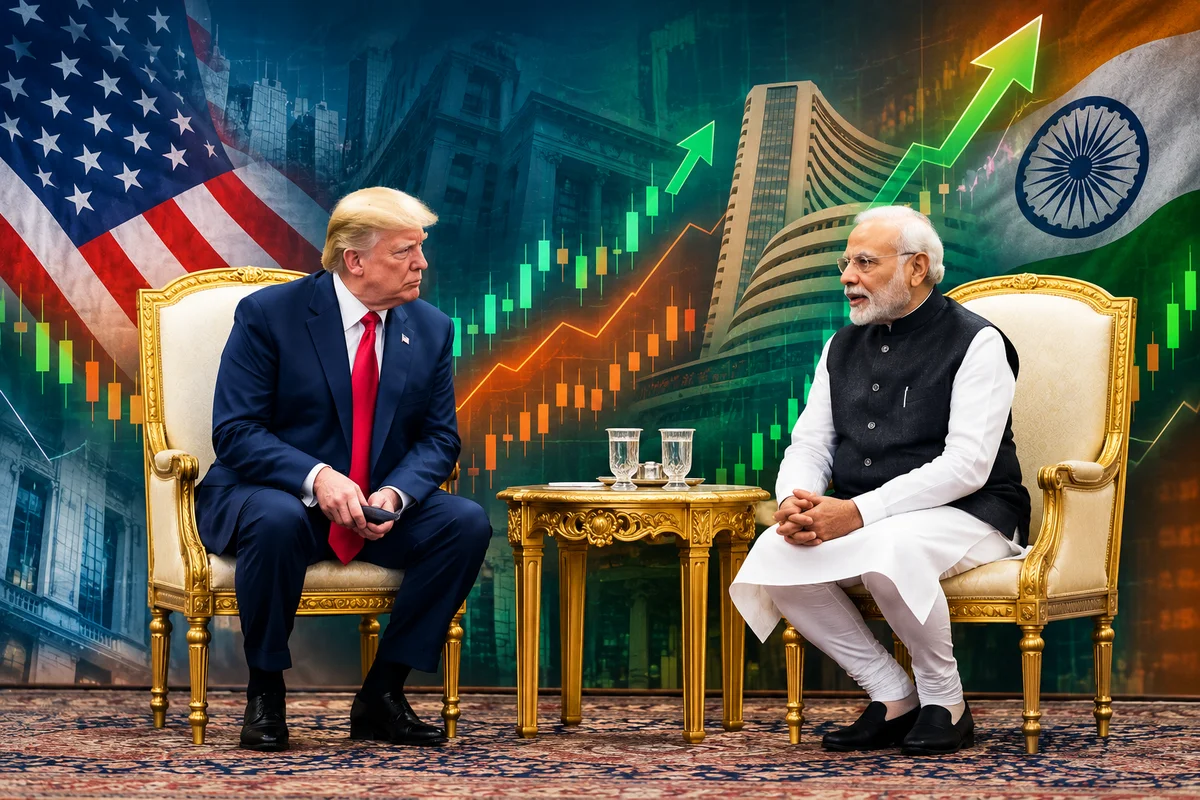
India-US trade deal could influence Sensex, Nifty 50 and export stocks. Explore five sectors to watch and the key factors investors should track.

India agricultural growth may approach zero as El Niño threatens crops, with output potentially falling 4%.