Loading market data...
Tue, 20 Oct 2026
06:00:14 pm
Tue, 20 Oct 2026
06:00:14 pm
Synopsis
Air India seeks $1.5 billion from Tata Sons and Singapore Airlines after a $2.33 billion loss. Check why Air India needs fresh funding and what happens next.
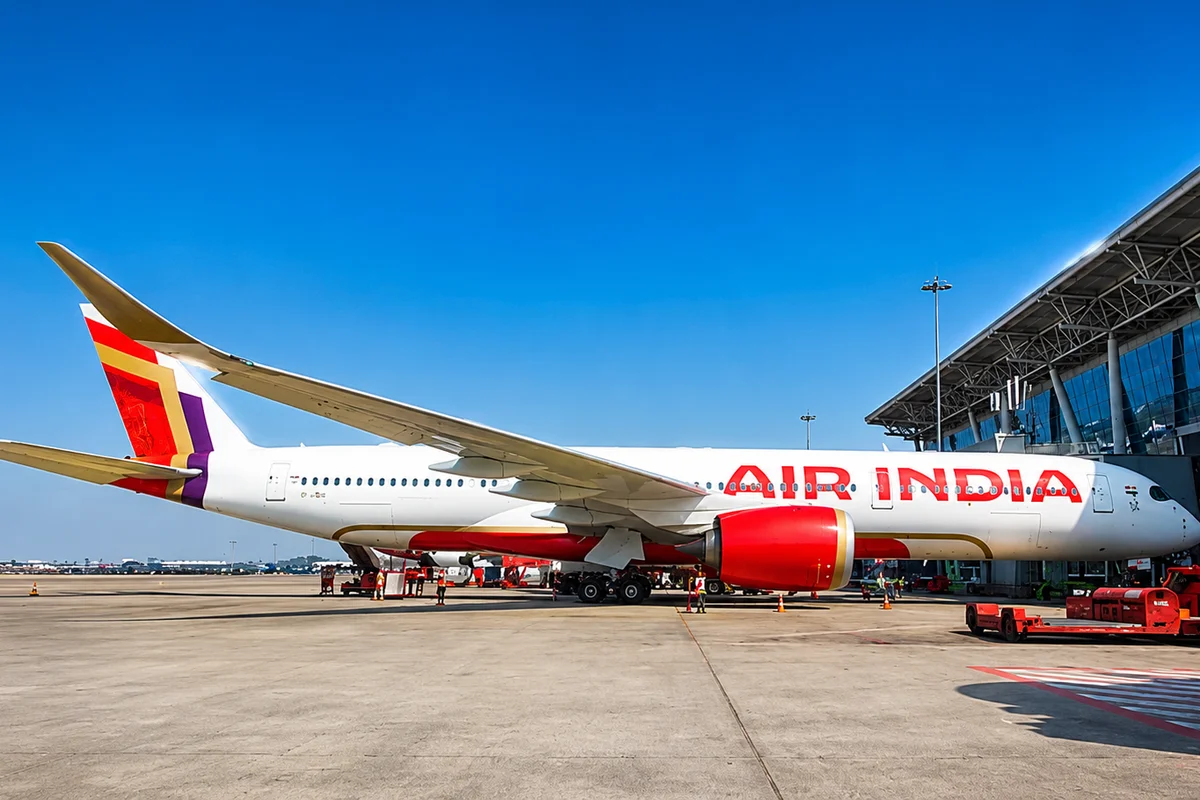
Air India is seeking around $1.5 billion in fresh equity funding from its owners, Tata Sons and Singapore Airlines, as the airline faces mounting financial pressure from airspace restrictions, geopolitical disruptions and high operating costs.
The proposed capital infusion comes after the Air India group reported a record loss of around $2.33 billion for the financial year ended March, highlighting the scale of the challenges facing Tata Group's turnaround of the former state-owned carrier.
Air India has approached Tata Sons and Singapore Airlines for approximately $1.5 billion in fresh equity, according to the information provided. The funding is expected to be provided in tranches, although discussions are still ongoing and no final decision has been taken.
Singapore Airlines owns around 25% of Air India and would need to contribute its share of the proposed investment for the funding plan to proceed. The airline has said it is working closely with Tata Sons on Air India's transformation but has not commented specifically on its finances.
The funding request follows significant losses across the Air India group. Air India and Air India Express reportedly recorded combined losses of approximately $2.33 billion in the fiscal year ended March, more than double the previous year's losses.
Air India's standalone loss for 2024-25 was around $415 million, while losses including Air India Express were reported at approximately $1.13 billion. The financial strain has added pressure to the airline's ambitious turnaround programme.
One of the major challenges facing Air India is the continued restriction on Indian carriers using Pakistani airspace. The disruption has affected international flight routes and increased operational complexity for the airline.
Longer flight paths can increase fuel consumption, flight times and operating costs. For an airline already dealing with elevated expenses and supply-chain challenges, prolonged airspace restrictions can further pressure Air India's profitability.
Air India's international operations have also been affected by disruptions linked to the Middle East conflict. Restrictions around key Middle Eastern routes have affected the airline's ability to operate parts of its international network normally.
At the same time, higher fuel prices have added another layer of pressure. Singapore Airlines has indicated that elevated fuel costs linked to the Iran conflict could weigh more heavily on its financial performance in the coming year.
The airline's financial pressure extends beyond geopolitical disruptions. Air India is dealing with aircraft supply-chain constraints, fleet requirements, elevated fuel costs and the need to overhaul legacy systems and processes.
Tata Group has been pursuing a long-term transformation of the airline since taking control in 2022. Tata Sons Chairman N. Chandrasekaran has previously indicated that the turnaround could take up to a decade, reflecting the scale of operational and structural changes required.
As part of its efforts to improve financial performance, Air India has also sought to defer deliveries of hundreds of aircraft ordered from Airbus and Boeing. The move comes as Tata Group looks to manage costs and reduce losses while restructuring the airline's operations.
The airline's flight reductions have also created opportunities for international competitors, with carriers including Lufthansa Group and Cathay Pacific adding services to the Indian market.
The proposed $1.5 billion equity infusion would provide Air India with additional capital as it continues its turnaround programme. However, the funding request also highlights the significant financial resources required to transform the airline.
The immediate outlook will depend on the resolution of airspace disruptions, fuel costs, fleet availability and the pace of operational improvements. Air India is expected to require further capital support in the coming years as Tata Group continues working toward a sustainable turnaround.
Air India is seeking around $1.5 billion in fresh equity from Tata Sons and Singapore Airlines to support its turnaround as the airline faces heavy losses and operational pressures.
The funding request comes after Air India and Air India Express reported combined losses of $2.33 billion for the financial year ended March, adding pressure to the airline's ongoing turnaround programme.
The proposed funding would come from Air India's shareholders, Tata Sons and Singapore Airlines. Singapore Airlines owns about 25% of Air India and would need to contribute its share for the proposed investment to proceed.
The discussions are ongoing and no final decision has been taken. The airline wants the funds immediately, but the proposed equity infusion could reportedly take place in tranches.
Air India's financial performance has been affected by several challenges, including airspace restrictions, Middle East disruptions, supply-chain constraints, elevated jet fuel costs and operational difficulties.
Air India and Air India Express together recorded a $2.33 billion loss for the financial year ended March, according to the information in the report.
Pakistan's restrictions on Indian carriers using its airspace have affected Air India's international operations by forcing flights to take longer routes, increasing operating costs and creating additional pressure on the airline's network.
Disruptions linked to the conflict in the Middle East have affected Air India's international network and operations to important Middle Eastern markets. Higher fuel prices have added further pressure.
Air India's turnaround remains under pressure as the airline works to reduce losses, overhaul legacy systems, improve its corporate structure and modernise its fleet while dealing with industry-wide supply-chain constraints.
The reported funding request is for fresh equity from Tata Sons and Singapore Airlines, but discussions remain ongoing and no final decision has been announced.
Singapore Airlines is expected to contribute its share if the proposed equity infusion proceeds. The airline has said it is working closely with Tata Sons to support Air India's transformation programme.
Singapore Airlines owns approximately 25% of Air India.
Air India's continued losses and challenging operating environment have increased its capital requirements. The proposed funding would provide additional financial support for the airline's ongoing transformation.
The information provided does not indicate that Air India has returned to profitability. Instead, the airline continues to face significant losses and is seeking additional shareholder funding.
The reported loss reflects pressure from airspace restrictions, Middle East disruptions, supply-chain problems, high jet fuel costs and operational challenges, alongside the broader costs of Air India's transformation.
Yes. Air India has reportedly sought to defer deliveries of hundreds of aircraft ordered from Airbus and Boeing as Tata works to reduce costs and manage the airline's financial position.
The report indicates that Air India is expected to require additional capital infusions in the coming years as it continues its turnaround and deals with ongoing operational and financial pressures.
No. Air India is not listed in India, so investors cannot directly buy Air India shares through the Indian stock market.
Air India's turnaround faces significant challenges, including fleet and supply-chain issues, high fuel costs, international airspace restrictions and geopolitical uncertainty. The company has indicated that the transformation could take several years.
Tata Group took control of Air India in 2022 and has since been pursuing a major transformation involving fleet expansion, operational improvements, technology upgrades and changes to the airline's systems and corporate culture.
Singapore Airlines has a roughly 25% stake in Air India, meaning continued losses at the airline can affect the value and financial performance associated with its investment.
The report indicates that Air India is likely to require further capital support in the coming years, particularly while its turnaround programme continues and the airline faces external operating pressures.
The key challenges include high jet fuel costs, Pakistan airspace restrictions, Middle East disruptions, aircraft supply-chain constraints, fleet delivery issues, legacy systems and the financial cost of its turnaround programme.
The latest development is that Air India has reportedly sought approximately $1.5 billion in fresh equity from Tata Sons and Singapore Airlines, although discussions are still ongoing and the funding has not been finally approved.

Financial journalist specializing in market analysis, stock research, and investment trends. Dedicated to providing accurate, timely insights for informed decision-making.
Credentials: Experienced financial journalist with expertise in equity markets and economic analysis
The information provided in this article is for educational and informational purposes only and should not be construed as financial, investment, or legal advice. welomoney does not provide personalized investment recommendations.
For detailed terms and conditions, please read our Disclaimer and Terms of Service.

Diwali Muhurat Trading 2026 is scheduled for November 8 from 2:20 PM to 3:30 PM. See NSE and BSE timings, pre-open session and market schedule.
Sugar stocks fell up to 5.79% after the government barred sugarcane juice and syrup for FY27 ethanol procurement. Analysts flag earnings pressure.
NSE indices on October 16, 2026: Nifty IT rises 3.12%, Nifty 50 gains 0.49%, while Nifty FMCG, Capital Market and Bank indices decline.
India-US trade deal could influence Sensex, Nifty 50 and export stocks. Explore five sectors to watch and the key factors investors should track.

India agricultural growth may approach zero as El Niño threatens crops, with output potentially falling 4%.