Loading market data...
Wed, 22 Jul 2026
03:51:02 pm
Wed, 22 Jul 2026
03:51:02 pm

Rudransh Sangwan
Published at: March 30, 2026, 6:12 AM
Synopsis
RBI’s rupee support measures may cost banks ₹4,000 crore. Understand how interventions impact banks, forex, and markets.
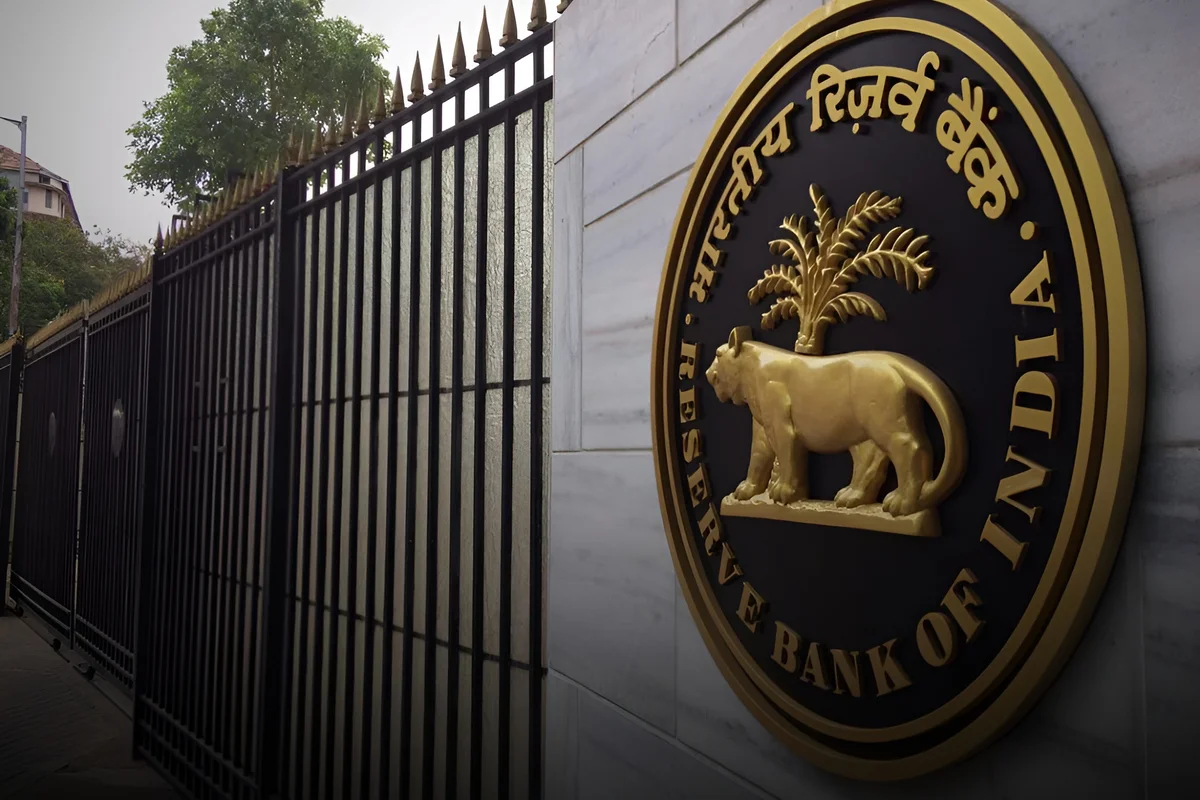
The Reserve Bank of India has stepped in with measures to support the falling rupee, which has been under pressure due to global economic uncertainty and rising dollar strength. As the rupee weakens, it creates risks for inflation, imports, and overall financial stability.
To stabilize the currency, RBI typically intervenes in the forex market by selling dollars and managing liquidity. These actions help control excessive volatility and prevent sharp depreciation.
However, such interventions come with trade-offs. While they support the rupee, they also impact liquidity in the banking system and can create indirect costs for banks.
The key takeaway is clear. RBI’s priority is currency stability, but the cost of maintaining that stability is often shared by financial institutions.
RBI uses multiple tools to manage currency volatility and protect the rupee from sharp falls.
One of the most common tools is direct intervention in the forex market.
However, when RBI sells dollars, it absorbs rupees from the system, tightening liquidity.
RBI may also use:
These tools help balance liquidity while supporting the currency.
The takeaway is multi-layered strategy. RBI does not rely on a single tool but uses a combination of measures.
While RBI’s actions support the rupee, they can create financial pressure on banks.
Banks actively participate in forex and bond markets through treasury operations.
When RBI intervenes:
These losses can accumulate across the banking system.
Reduced liquidity in the system means:
Estimates suggest that these combined effects could result in a ₹4,000 crore impact on banks.
The takeaway is indirect cost. RBI measures do not directly target banks, but the ripple effects impact their balance sheets.
The falling rupee has implications beyond the banking sector.
A weaker rupee makes imports more expensive.
This leads to:
Since India imports a large portion of its energy needs, currency depreciation has a significant economic impact.
Companies that rely on imports or have foreign debt face challenges:
This can affect overall corporate profitability and market sentiment.
The takeaway is widespread impact. Currency movements affect multiple sectors across the economy.
The rupee’s weakness is largely driven by global developments.
The US dollar has strengthened due to:
This makes emerging market currencies like the rupee weaker.
Rising tensions in the Middle East have pushed oil prices higher.
This leads to:
The takeaway is global linkage. Domestic currency movements are heavily influenced by international factors.
RBI’s intervention and rupee movement have important implications for investors.
Banking stocks may face pressure due to:
This can affect short-term stock performance in the financial sector.
Investors should consider:
Export-oriented companies may benefit from a weaker rupee, while import-heavy sectors may struggle.
The takeaway is selective strategy. Currency movements create both risks and opportunities.
The future direction of the rupee will depend on several key factors.
These factors will shape currency and market trends.
Stability may return if:
However, volatility may continue in the near term.
The takeaway is cautious outlook. Currency markets remain highly sensitive to global shifts.
RBI’s efforts to support the rupee highlight the delicate balance between currency stability and financial system costs.
While the measures are essential to prevent excessive volatility, they also create indirect pressure on banks and markets.
For investors and market participants, understanding this balance is crucial to navigating current economic conditions.
Financial journalist specializing in market analysis, stock research, and investment trends. Dedicated to providing accurate, timely insights for informed decision-making.
Credentials: Experienced financial journalist with expertise in equity markets and economic analysis
The information provided in this article is for educational and informational purposes only and should not be construed as financial, investment, or legal advice. welomoney does not provide personalized investment recommendations.
For detailed terms and conditions, please read our Disclaimer and Terms of Service.

FIIs increased their stake in MTAR Technologies, Groww operator Billionbrains Garage Ventures, HFCL, Motisons Jewellers and several other companies...

India has reportedly signed a $1.2 billion deal to acquire 300 Russian R-37M 'AWACS Killer' missiles for Su-30MKI fighter jets.

Royal Enfield launches the Shotgun 650 Limited Edition at ₹5.75 lakh in collaboration with Rough Crafts.
Q1 FY27 earnings season gathers pace as Reliance Industries, JSW Steel, Federal Bank, Havells, Tata Technologies and nearly 30 companies announce...

India is set to launch its first hydrogen-powered passenger train on July 17, marking a major milestone in green transportation.