Loading market data...
Sun, 25 Oct 2026
03:06:21 pm
Sun, 25 Oct 2026
03:06:21 pm

Rudransh Sangwan
Published at: April 23, 2026, 5:16 AM
Synopsis
PhonePe crossed 10 billion UPI transactions in March 2026. Here’s a deep analysis of growth drivers, market share, competition, and future outlook.
India’s digital payments ecosystem has reached a scale where growth is no longer incremental but exponential, and PhonePe crossing 10 billion UPI transactions in a single month marks a defining milestone. This surge is not just about higher usage but reflects a deeper structural shift in how consumers, merchants, and platforms interact within the Unified Payments Interface ecosystem governed by National Payments Corporation of India. The real story lies in understanding what drove this scale and why one player has managed to dominate nearly half of the market.
PhonePe processed approximately 10.5 billion transactions in March, capturing around 46.4 percent of total UPI volume and nearly 49 percent of transaction value. This level of dominance is rare in digital ecosystems, especially in a market with strong competitors.
The broader UPI ecosystem itself recorded 22.64 billion transactions in March, up from 20.39 billion in February. This rebound indicates that the growth is not isolated to one platform but is part of a wider expansion in digital payments adoption.
Data suggests rising UPI usage across India This leads to increased transaction volume on dominant platforms Which results in market share consolidation for leaders like PhonePe
This network effect is the foundation of PhonePe’s growth.
| Platform | Transactions (Bn) | Volume Share | Value Share |
|---|---|---|---|
| PhonePe | 10.50 | 46.4% | 49.1% |
| Google Pay | 7.53 | 33.3% | 33.9% |
| Paytm | 1.77 | 7.8% | 6.5% |
| Navi | 0.79 | ~3% | Low |
| BHIM | 0.20 | <1% | Minimal |
This table highlights a key reality. The UPI ecosystem is increasingly concentrated among top players, with Google Pay and Paytm trailing significantly behind PhonePe.
PhonePe has aggressively expanded its merchant network, especially in Tier 2 and Tier 3 cities. This has increased transaction frequency rather than just transaction value.
• Wider QR code adoption
• Integration with small businesses
• Offline payment penetration
This creates a steady stream of high-volume, low-ticket transactions.
UPI initially gained traction through peer to peer transfers, and PhonePe has maintained a strong hold in this segment.
• High repeat usage
• Daily utility transactions
• Seamless user experience
This ensures consistent engagement across user segments.
Unlike standalone payment apps, PhonePe has built a broader ecosystem that includes bill payments, recharges, financial services, and insurance.
• Multiple use cases within one app
• Reduced need to switch platforms
• Higher transaction frequency per user
This increases both retention and usage intensity.
PhonePe is a Walmart-backed fintech platform and one of India’s largest digital payments companies. It operates across payments, insurance, mutual funds, and financial services.
Key strengths include:
• Strong backing from global capital
• Deep integration with UPI infrastructure
• Large merchant and user base
Its strategy focuses on building a full-stack financial ecosystem rather than just a payments app.
One of the less visible factors behind PhonePe’s dominance is the nature of transactions. A large portion of UPI activity comes from small-value payments such as groceries, transport, and daily expenses.
These transactions:
• Occur multiple times per day
• Are highly repeatable
• Create strong user habits
This frequency advantage gives PhonePe a structural edge over competitors focusing on higher-value transactions.
A common misconception is that transaction value matters more than transaction volume. In reality, volume drives platform dominance because it increases user engagement and network effects.
Another misunderstanding is that UPI growth is slowing. While growth rates may fluctuate monthly, the long-term trajectory remains upward due to increasing digital adoption.
Despite multiple players, the UPI ecosystem is gradually consolidating into a two-player race between PhonePe and Google Pay. Smaller players are finding it difficult to scale due to network effects and high user acquisition costs.
This suggests that future growth may not be evenly distributed but concentrated among a few dominant platforms.
Several trends will shape the next phase of growth:
• Expansion into credit and financial services
• Integration with offline commerce
• Cross-border UPI adoption
• Regulatory changes from NPCI
If these trends play out, UPI transactions could exceed 30 billion per month in the near future.
For investors:
• Track fintech companies benefiting from UPI growth
• Monitor ecosystem expansion beyond payments
• Focus on platforms with strong user retention
For businesses:
• Integrate UPI payments for customer convenience
• Leverage digital payments for data insights
For users:
• Expect more integrated financial services within payment apps
• Increased convenience and faster transactions
PhonePe crossing 10 billion UPI transactions is not just a milestone but a signal of how digital payments in India are evolving into a scale-driven, network-dominated ecosystem. With strong market share, deep integration, and expanding use cases, PhonePe is well positioned to remain a leader. The real question is no longer about adoption but about how far this ecosystem can expand into broader financial services.
UPI is a real-time payment system developed by NPCI that enables instant money transfers between bank accounts. It has become the backbone of India’s digital payments ecosystem.
PhonePe’s growth is driven by strong merchant adoption, high user engagement, and integration of multiple services within one platform, leading to frequent and repeat transactions.
The main competitors are Google Pay and Paytm, with Google Pay being the closest rival in terms of transaction volume and market share.
Financial journalist specializing in market analysis, stock research, and investment trends. Dedicated to providing accurate, timely insights for informed decision-making.
Credentials: Experienced financial journalist with expertise in equity markets and economic analysis
The information provided in this article is for educational and informational purposes only and should not be construed as financial, investment, or legal advice. welomoney does not provide personalized investment recommendations.
For detailed terms and conditions, please read our Disclaimer and Terms of Service.

Indian stock market fell as Nifty slipped below 22,500 and Sensex lost nearly 600 points. Higher crude oil prices and metal stock losses weighed on...
The Nifty IT index climbed 3.3% as Q2 results eased fears over AI disruption and weak demand. See broker views, stock moves and sector risks.
Indian IT stocks rose 2.6% as LTTS shares jumped 15% after Q2 FY27 results. Jefferies sees scope for a valuation re-rating across the sector.

Diwali Muhurat Trading 2026 is scheduled for November 8 from 2:20 PM to 3:30 PM. See NSE and BSE timings, pre-open session and market schedule.
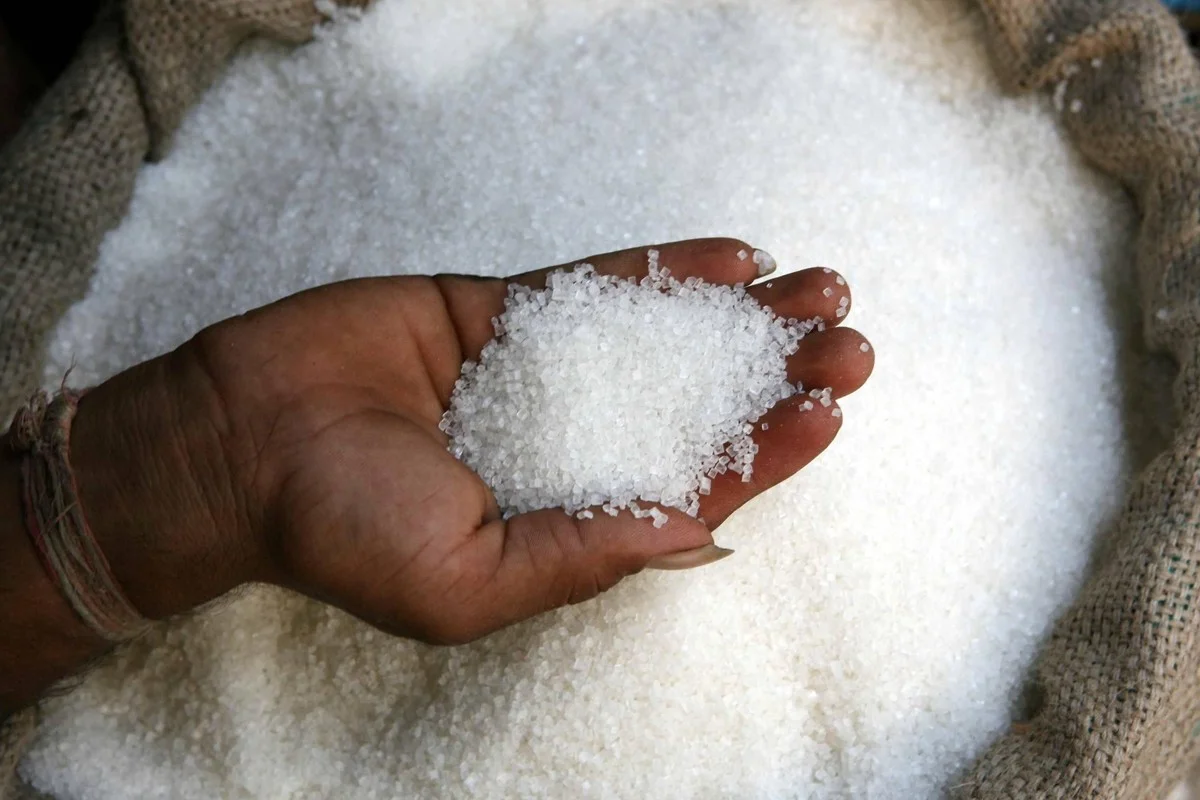
Sugar stocks fell up to 5.79% after the government barred sugarcane juice and syrup for FY27 ethanol procurement. Analysts flag earnings pressure.