Loading market data...
Sun, 19 Jul 2026
03:19:31 am
Sun, 19 Jul 2026
03:19:31 am
Synopsis
India has 60 days of fuel reserves amid global tensions. Government assures no shortage of petrol, diesel, or LPG despite Hormuz risks.
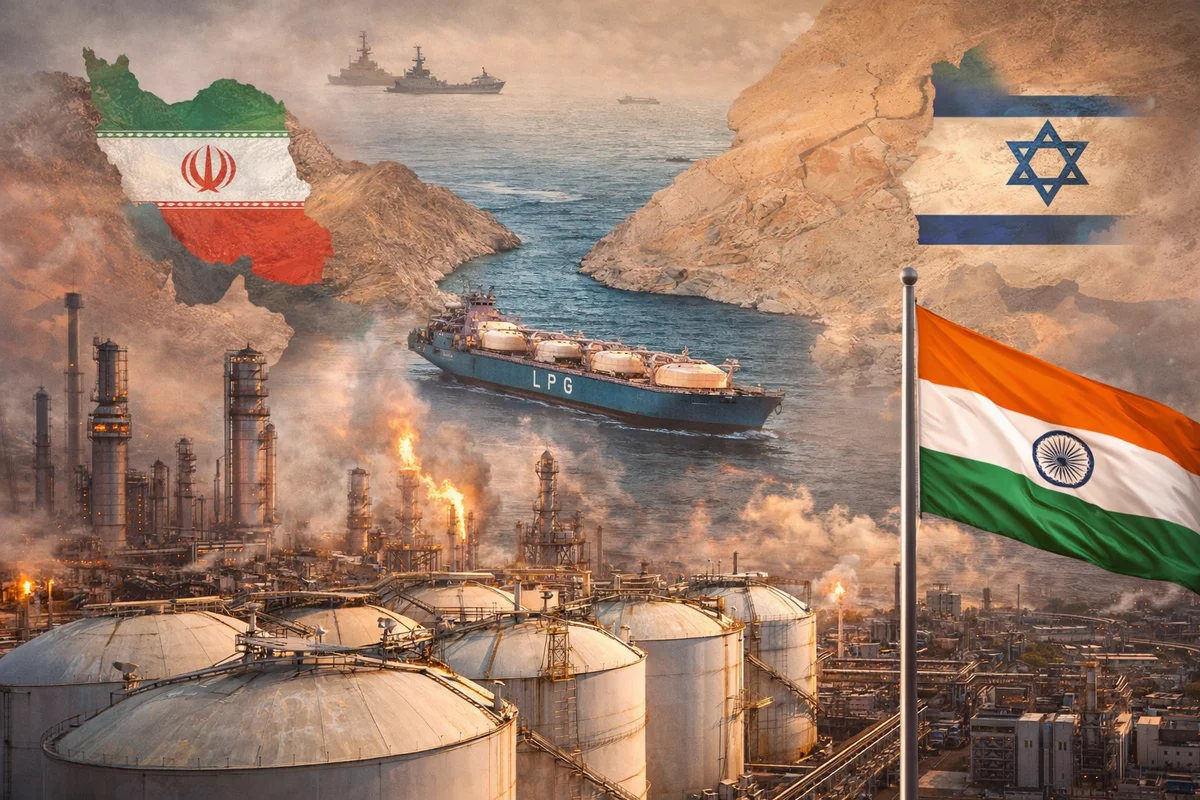
As global tensions rise in the Middle East and concerns grow over disruptions in the Strait of Hormuz, many Indians have started worrying about fuel availability. Long queues and panic buying in some regions have only added to the anxiety.
But the government has stepped in with a clear message. There is no fuel shortage in India.
According to official statements, the country currently holds around 60 days of fuel reserves. This includes crude oil, refined petroleum products, and strategic reserves. The assurance aims to calm fears triggered by global developments and misinformation circulating online.
So what does this really mean for India’s energy security?
The government has strongly denied any claims of fuel scarcity. Officials have clarified that petrol pumps across the country are fully stocked and operating normally, with no rationing in place.
India currently has about 60 days of fuel stock cover, which includes multiple layers of reserves.
This is a significant buffer, especially during a period of global uncertainty.
Authorities have also pointed out that rumors about shortages are part of a deliberate misinformation campaign designed to create panic.
From a practical standpoint, panic buying itself can create artificial shortages. When people rush to fill tanks or store fuel unnecessarily, supply chains face sudden pressure.
The government’s message is simple:
This reassurance is critical in stabilizing public sentiment.
India’s fuel security is built on a combination of domestic production, imports, and strategic reserves.
The country has developed storage systems that include underground caverns and refinery-based stockpiles. These reserves are designed specifically for emergencies like global supply disruptions.
Additionally, Indian oil companies have already secured crude supplies for the coming weeks.
This forward planning ensures that even if global shipments face delays, domestic supply remains stable.
The Strait of Hormuz plays a critical role in global energy supply. Around 20 percent of the world’s oil passes through this narrow route, making it one of the most important chokepoints.
Recent tensions involving Iran, the United States, and Israel have disrupted shipping activity in the region. This has raised concerns about supply chains, especially for countries like India that rely heavily on imports.
The keyword “Strait of Hormuz impact on India fuel supply” is now highly relevant.
India imports a significant portion of its crude oil and LPG from the Middle East. Any disruption in this route can affect supply timing and costs.
However, despite these risks, the government has emphasized that India is not facing an immediate crisis.
While India is dependent on imports, it is not reliant on a single source.
The country sources crude oil from multiple suppliers across different regions.
This diversification reduces risk. Even if shipments from one region are affected, alternatives can be arranged.
In addition, refineries in India are operating at high capacity, ensuring strong domestic production of fuels like petrol, diesel, and LPG.
This combination of diversification and capacity helps cushion the impact of global disruptions.
To maintain stability, the government has taken several proactive steps.
First, it has secured crude oil supplies in advance. This ensures continuity even if shipments are delayed.
Second, domestic production has been increased. LPG output has been ramped up significantly to reduce dependence on imports.
Third, authorities are closely monitoring supply chains and logistics to prevent bottlenecks.
The keyword “India fuel security strategy 2026” reflects these efforts.
One of the biggest risks during such situations is panic buying.
To counter this, the government has:
These measures are aimed at maintaining normal consumption patterns and preventing artificial shortages.
Even though there is no immediate shortage, global tensions can still impact India in other ways.
The most direct effect is on oil prices. When supply risks increase, prices tend to rise. This can lead to higher fuel costs domestically.
The keyword “impact of rising crude oil prices in India” becomes important here.
Higher oil prices can affect:
India uses a combination of strategies to manage price shocks.
These include adjusting import sources, using strategic reserves, and managing domestic pricing policies.
In some cases, the government may also intervene to stabilize prices and protect consumers.
While supply remains secure, price volatility is something both policymakers and consumers need to watch.
India’s assurance of having 60 days of fuel reserves provides a strong signal of stability amid global uncertainty. Despite tensions in the Strait of Hormuz and rising geopolitical risks, the country’s energy supply remains secure.
Strong reserves, diversified sourcing, and proactive government measures are helping India navigate this challenging phase.
While global events may continue to influence prices, there is no immediate threat to fuel availability. For now, the focus remains on maintaining stability and preventing panic.

Financial journalist specializing in market analysis, stock research, and investment trends. Dedicated to providing accurate, timely insights for informed decision-making.
Credentials: Experienced financial journalist with expertise in equity markets and economic analysis
The information provided in this article is for educational and informational purposes only and should not be construed as financial, investment, or legal advice. welomoney does not provide personalized investment recommendations.
For detailed terms and conditions, please read our Disclaimer and Terms of Service.
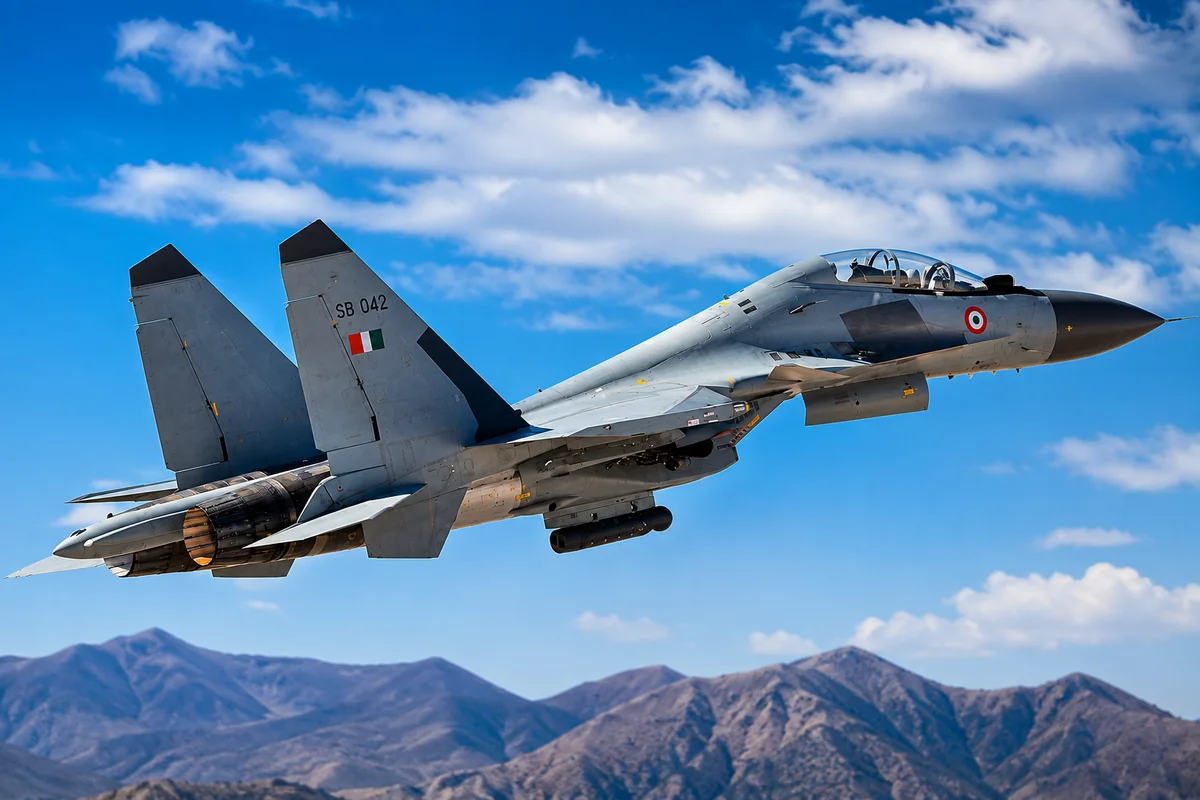
India has reportedly signed a $1.2 billion deal to acquire 300 Russian R-37M 'AWACS Killer' missiles for Su-30MKI fighter jets.

Royal Enfield launches the Shotgun 650 Limited Edition at ₹5.75 lakh in collaboration with Rough Crafts.
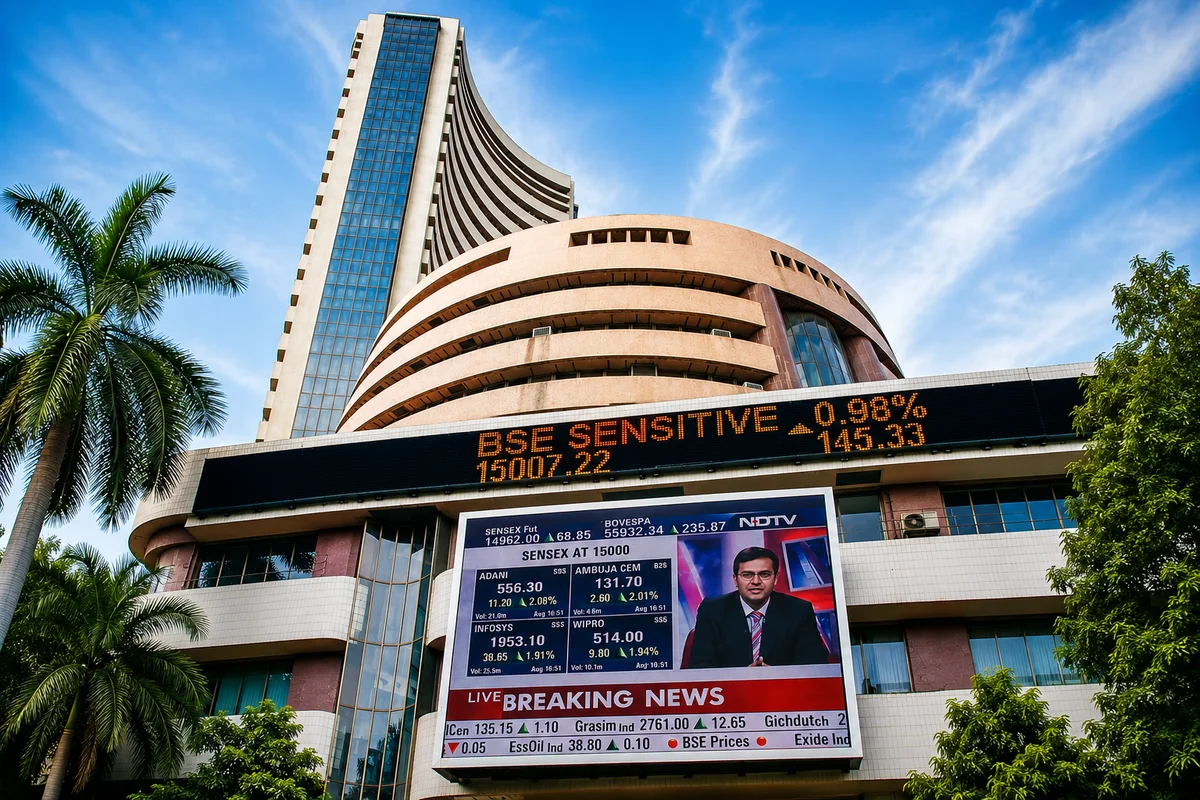
Q1 FY27 earnings season gathers pace as Reliance Industries, JSW Steel, Federal Bank, Havells, Tata Technologies and nearly 30 companies announce...
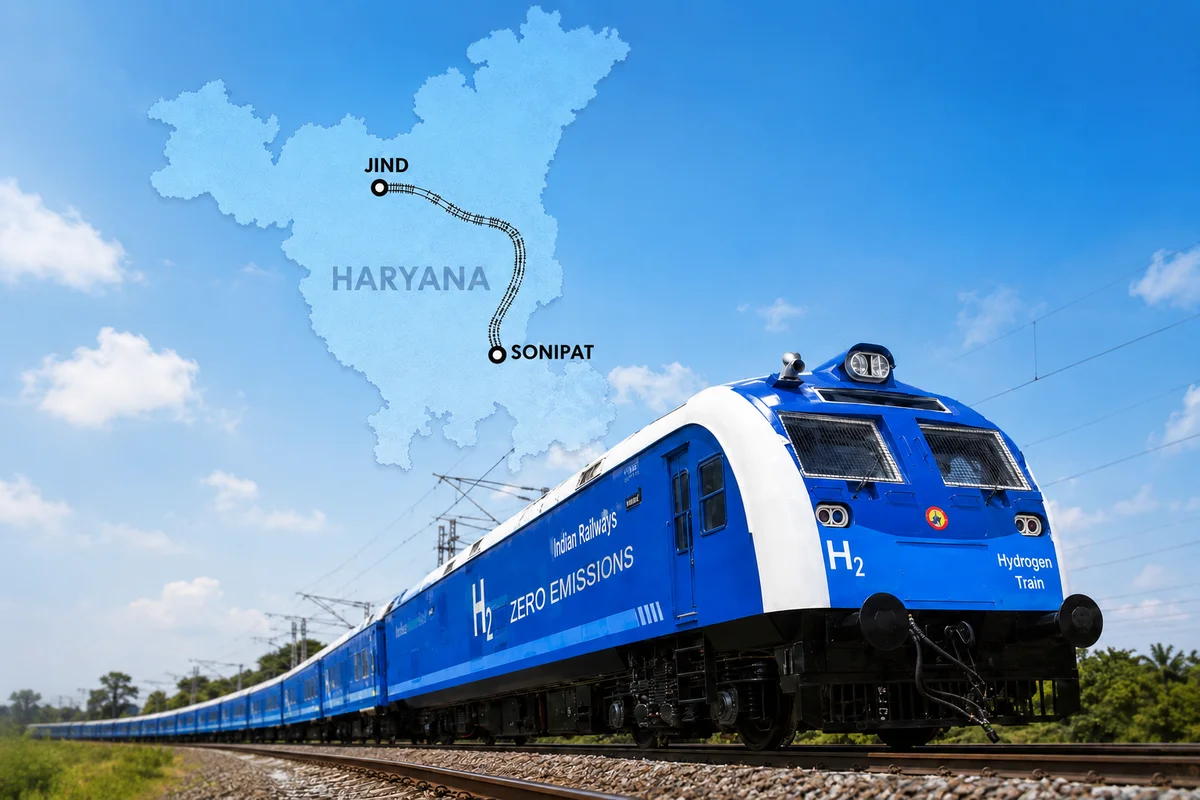
India is set to launch its first hydrogen-powered passenger train on July 17, marking a major milestone in green transportation.

Actor and entrepreneur Vivek Oberoi has revealed that his family office has invested in more than 30 companies, exited 11 investments, and generated...