Loading market data...
Tue, 20 Oct 2026
05:59:13 pm
Tue, 20 Oct 2026
05:59:13 pm

Rudransh Sangwan
Published at: May 27, 2026, 1:50 AM
Synopsis
Petrol and diesel prices today, 16 June 2026: Check latest fuel rates across India, city-wise petrol and diesel prices, cheapest and costliest states, crude oil trends, and fuel market outlook.
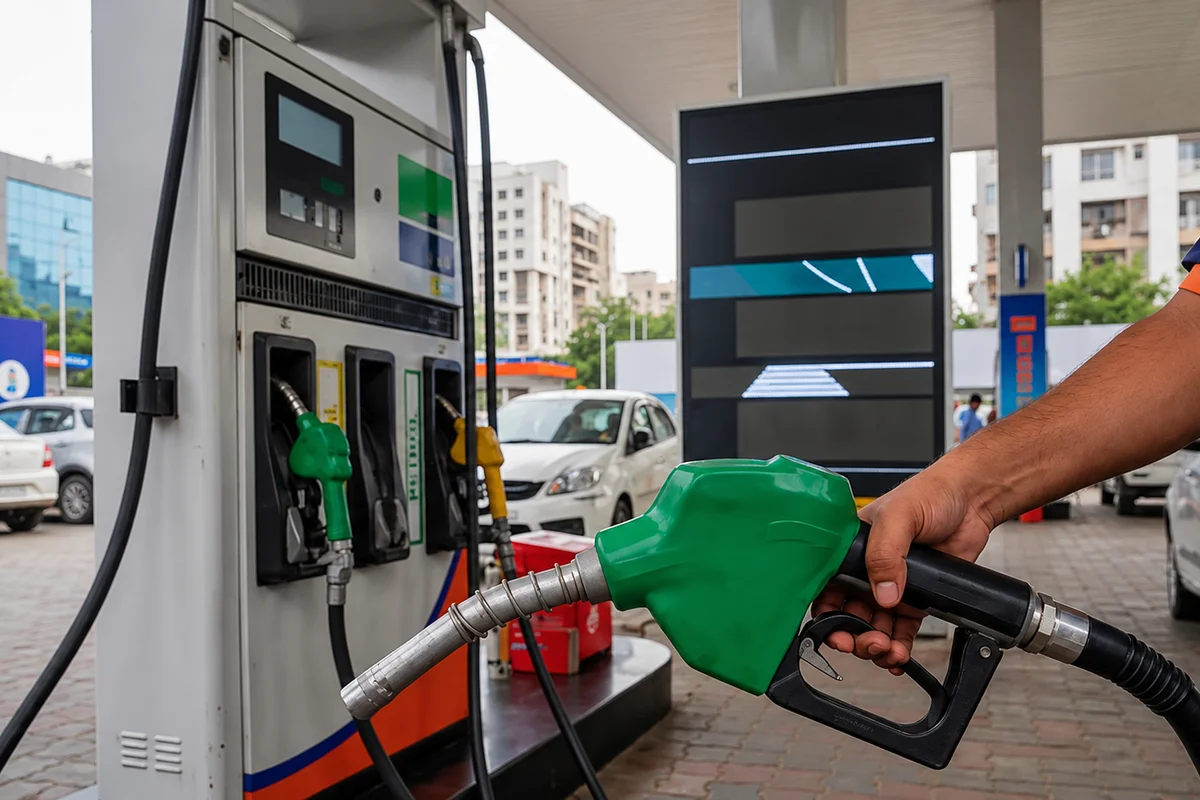
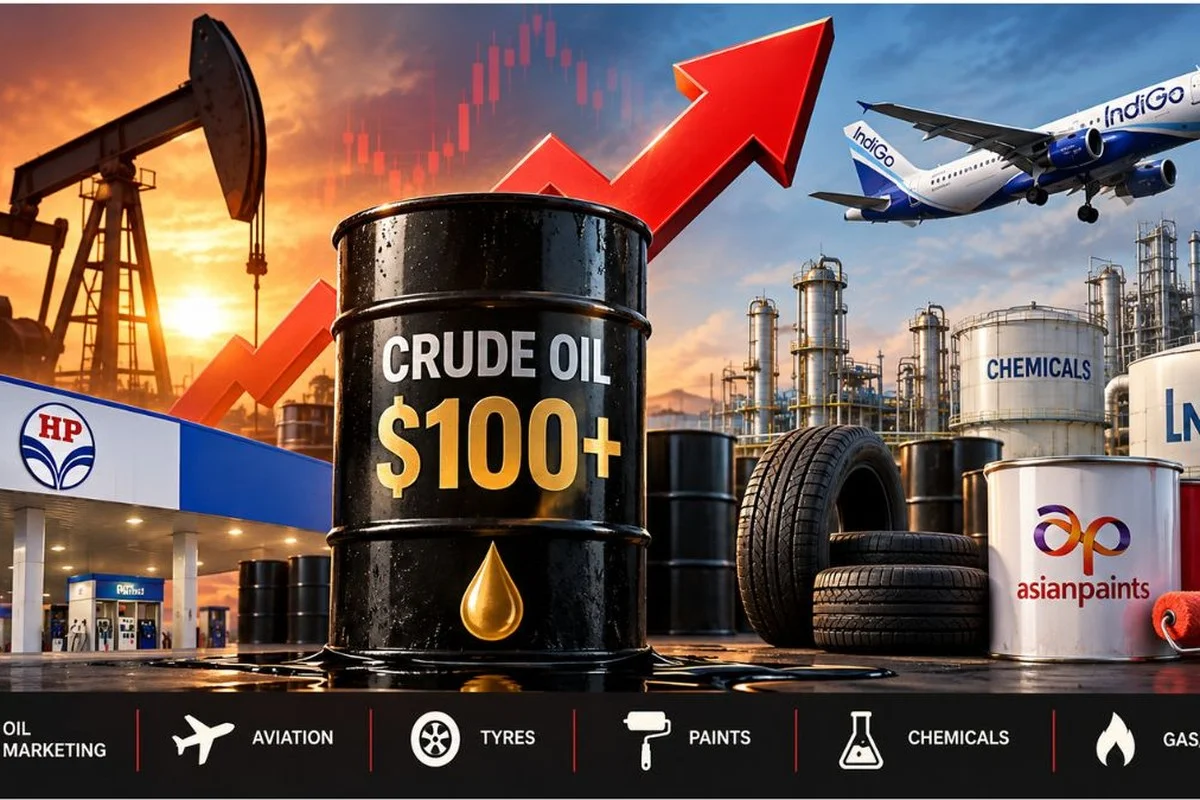
Petrol and diesel prices remained unchanged across most parts of India on 16 June 2026, even as global crude oil prices continued to trade below recent highs. Brent crude is currently hovering around $83–84 per barrel, significantly lower than levels witnessed during the peak of recent Middle East tensions.
Despite the correction in crude prices, domestic fuel rates have remained stable due to inventory costs, state-level taxes, dealer commissions, and India's fuel pricing mechanism.
For consumers, the biggest factor impacting fuel costs continues to be regional taxation, resulting in substantial price differences across states and cities.
| City | Petrol (₹/L) | Diesel (₹/L) |
|---|---|---|
| Delhi | 102.12 | 95.20 |
| Mumbai | 111.21 | 97.83 |
| Bengaluru | 110.93 | 98.80 |
| Chennai | 107.79 | 99.55 |
| Hyderabad | 115.69 | 103.82 |
| Kolkata | 113.51 | 99.82 |
| Ahmedabad | 101.83 | 97.91 |
| Pune | 111.09 | 96.34 |
| Jaipur | 109.41 | 94.61 |
| Lucknow | 102.95 | 96.12 |
Among major cities, Hyderabad remains the most expensive market for both petrol and diesel, while Ahmedabad and Delhi continue to offer some of the lowest fuel prices.
| Rank | State | Petrol (₹/L) |
|---|---|---|
| 1 | Andhra Pradesh | 117.78 |
| 2 | Telangana | 115.69 |
| 3 | Kerala | 115.09 |
| 4 | Bihar | 115.06 |
| 5 | Madhya Pradesh | 114.97 |
Higher VAT rates and local levies continue to keep fuel prices elevated in these states.
| Rank | State / UT | Petrol (₹/L) |
|---|---|---|
| 1 | Andaman & Nicobar | 88.66 |
| 2 | Arunachal Pradesh | 99.60 |
| 3 | Dadra & Nagar Haveli | 99.90 |
| 4 | Daman & Diu | 100.46 |
| 5 | Chandigarh | 101.54 |
These regions benefit from relatively lower tax structures and lower transportation costs.
Although petrol and diesel are sourced from the same refining system, retail prices vary significantly due to:
For example, petrol in Andhra Pradesh costs ₹117.78 per litre, while the same litre costs ₹102.12 in Delhi, creating a difference of ₹15.66 per litre.
For a vehicle with a 50-litre fuel tank, this translates into an additional cost of nearly ₹783 per tankful.
| Benchmark | Current Price |
|---|---|
| Brent Crude | $83–84/barrel |
| WTI Crude | $80–81/barrel |
The decline in oil prices has been driven by easing geopolitical concerns and improved supply expectations.
However, domestic fuel prices typically react with a lag as oil companies account for previous inventory costs and fluctuations in the rupee-dollar exchange rate.
Fuel prices remain one of the most important indicators for the Indian economy because they directly influence:
Any meaningful decline in fuel prices can provide relief to businesses and consumers while helping control inflation.
The near-term outlook for Indian fuel prices remains neutral to slightly positive for consumers. If crude oil continues to trade below the $80–85 range and the rupee remains stable, there is growing scope for fuel prices to ease in the coming months.
However, geopolitical risks remain the biggest wildcard. Any disruption in global crude supplies could quickly reverse the recent decline in oil prices and keep domestic fuel rates elevated.
Petrol prices vary across states due to differences in VAT and local taxes. Among major cities, petrol is priced at ₹102.12 per litre in Delhi, ₹111.21 in Mumbai, and ₹115.69 in Hyderabad.
Diesel prices also vary by location. Delhi diesel is priced at ₹95.20 per litre, while Hyderabad remains among the highest at ₹103.82 per litre.
Fuel prices differ because state governments levy different VAT rates and local taxes. Transportation costs, dealer commissions, and regional levies also influence retail fuel prices.
As of 16 June 2026, Andhra Pradesh has the highest petrol price among major states at approximately ₹117.78 per litre.
Andaman & Nicobar continues to have the lowest petrol price in India at around ₹88.66 per litre.
Retail fuel prices do not always move in line with daily crude oil fluctuations. Oil marketing companies consider inventory costs, exchange rates, taxes, and previous losses before adjusting prices.
If Brent crude remains below $85 per barrel and geopolitical tensions stay contained, there could be room for fuel price reductions. However, any disruption in global oil supply could keep prices elevated.
Hyderabad currently has the highest petrol and diesel prices among major Indian metropolitan cities.
Higher fuel prices increase transportation and logistics costs, which can lead to higher inflation, increased business expenses, and pressure on consumer spending.
Consumers can check daily fuel rates through oil marketing company websites, mobile apps, and city-wise fuel price updates published by financial news platforms.
Financial journalist specializing in market analysis, stock research, and investment trends. Dedicated to providing accurate, timely insights for informed decision-making.
Credentials: Experienced financial journalist with expertise in equity markets and economic analysis
The information provided in this article is for educational and informational purposes only and should not be construed as financial, investment, or legal advice. welomoney does not provide personalized investment recommendations.
For detailed terms and conditions, please read our Disclaimer and Terms of Service.