Loading market data...
Tue, 20 Oct 2026
05:51:43 pm
Tue, 20 Oct 2026
05:51:43 pm
Synopsis
Iran has denied reports that a 60-day ceasefire deal with the United States has been finalized, even as negotiations continue and President Donald Trump is yet to approve the proposed truce. Rising tensions, fresh sanctions, military exchanges, and uncertainty over the Strait of Hormuz have kept global oil markets and investors on edge.
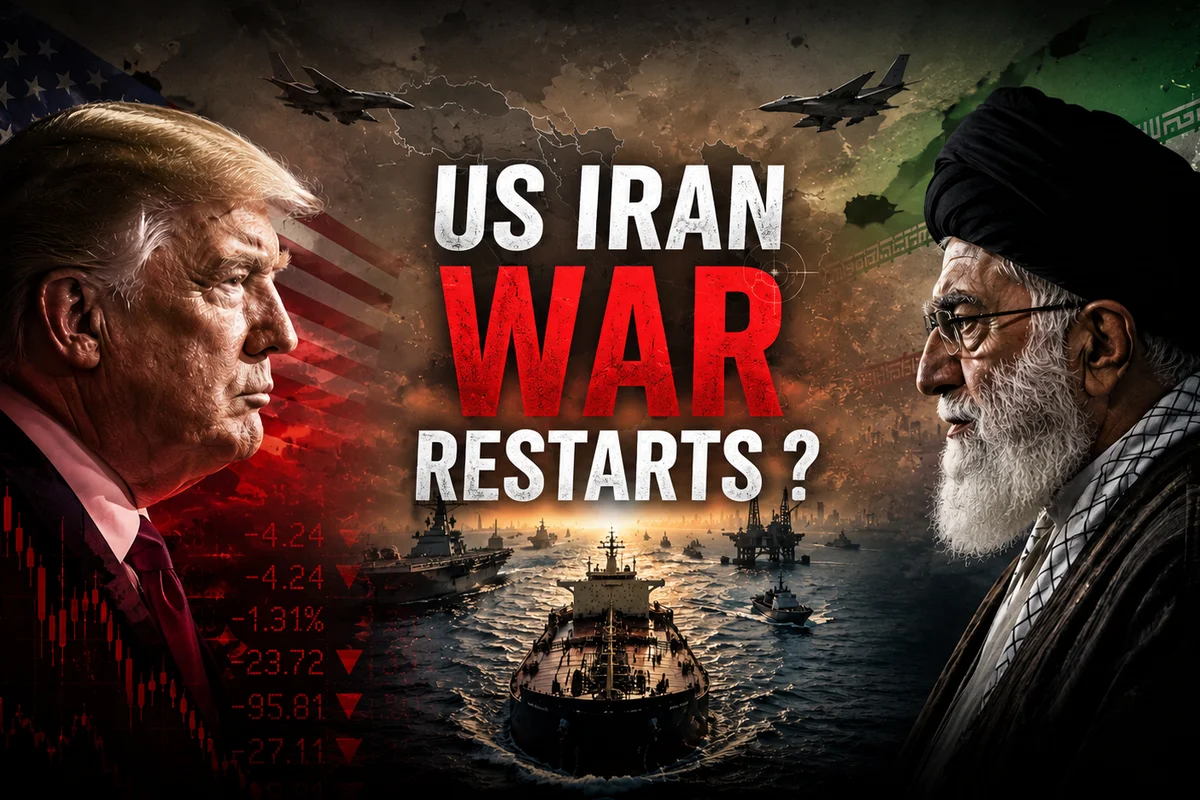
“If this action is repeated, the US military will face a firm response” the IRAN Guards said in a statement on their Sepah News website, as tensions between the United States and Iran continued to escalate despite reports of a possible ceasefire agreement.
Iran on Friday denied media reports suggesting that a 60-day ceasefire memorandum between Washington and Tehran had been finalized. Iranian officials stated that the proposed agreement is still under discussion and that no final text has been approved or communicated through diplomatic channels.
The denial comes after reports claimed that both countries had reached a tentative understanding aimed at extending the fragile ceasefire, reopening the Strait of Hormuz, and launching formal negotiations on Iran’s nuclear program. However, Iranian authorities clarified that negotiations remain ongoing and key issues have yet to be resolved.
Meanwhile, US Vice President JD Vance indicated that President Donald Trump has not yet approved the proposed agreement, saying discussions are still underway over sensitive matters including Iran’s uranium enrichment activities and nuclear stockpiles.
The conflict intensified further after Iran claimed it targeted a US military base in retaliation for recent American strikes near Bandar Abbas. Tehran also condemned Washington’s latest sanctions targeting Iran’s military-linked oil trade and the newly established Persian Gulf Strait Authority.
Key developments include: • Iran denies reports that a ceasefire agreement has been finalized. • Trump has yet to approve the proposed 60-day truce. • Nuclear negotiations remain a major sticking point. • Fresh US sanctions have been imposed on Iran's oil network. • Strait of Hormuz reopening plans remain uncertain.
The uncertainty surrounding the ceasefire has kept global markets on edge, with investors closely monitoring developments in the Middle East. Oil prices remained volatile as traders weighed conflicting signals over the prospects of de-escalation and the future of shipping routes through the strategically important Strait of Hormuz.

Financial journalist specializing in market analysis, stock research, and investment trends. Dedicated to providing accurate, timely insights for informed decision-making.
Credentials: Experienced financial journalist with expertise in equity markets and economic analysis
The information provided in this article is for educational and informational purposes only and should not be construed as financial, investment, or legal advice. welomoney does not provide personalized investment recommendations.
For detailed terms and conditions, please read our Disclaimer and Terms of Service.

China GDP growth reached 4.5% in Q3 2026, beating the 4.4% forecast. Retail sales improved, but falling property investment keeps recovery risks in...
India-US trade deal could create opportunities for Indian home décor and handicraft exporters. Here's what it means for exports, businesses and stocks
India-US trade deal could affect textiles, pharmaceuticals, chemicals, engineering goods and gems and jewellery. Here are 5 sectors to watch.
Fed rate hike odds for October 28 jumped to 53.7% from 22.1% in a day. September inflation has complicated the outlook for December rate decisions.

Zoho has cut marketing spending as Sridhar Vembu cites fourfold server price increases, 18 months without employee growth and plans to avoid mass...