Loading market data...
Sun, 06 Sept 2026
05:13:46 am
Sun, 06 Sept 2026
05:13:46 am
Synopsis
Renewable energy is now outpacing global electricity demand growth. Here is a deep analysis of solar, wind, coal decline, and future energy trends.
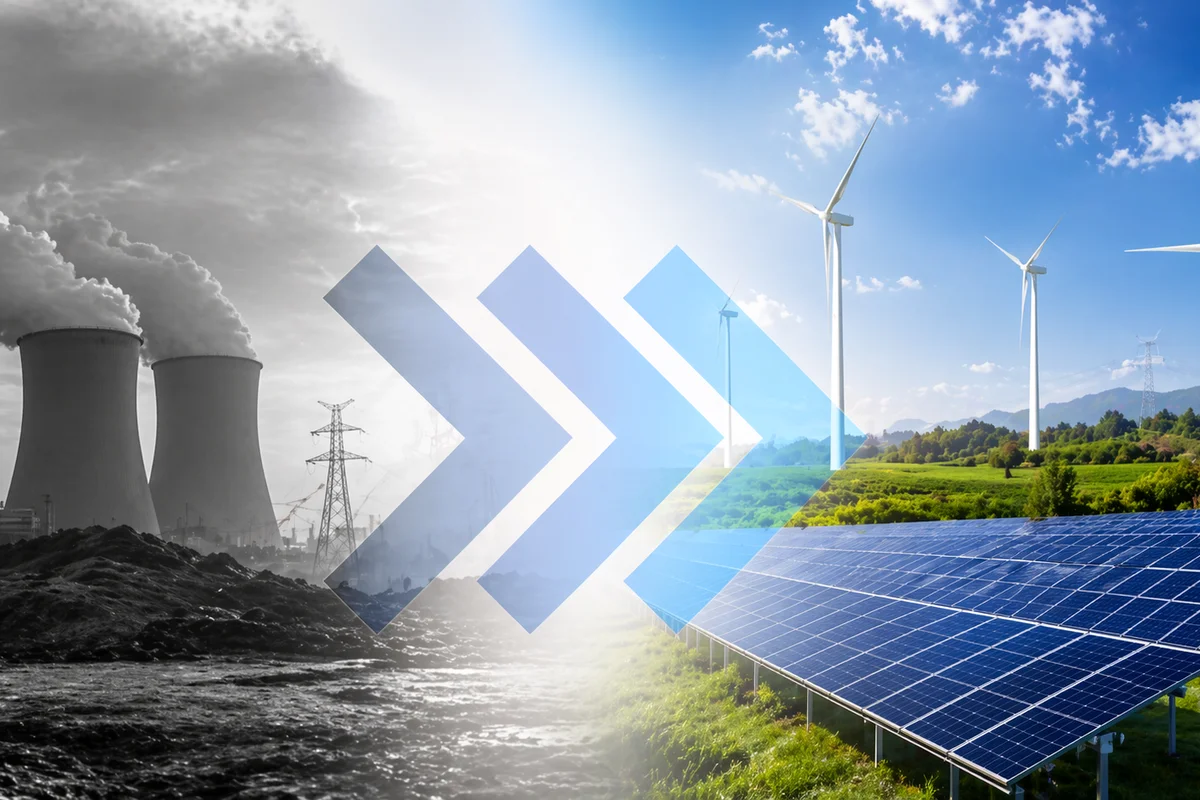
The global energy system is entering a decisive phase where the balance of power is shifting from fossil fuels to clean energy at an unprecedented pace. What makes this transition particularly significant is not just the growth of renewables, but the fact that they are now outpacing total electricity demand growth itself. This creates a structural inflection point where the future of energy is no longer about gradual substitution but about dominance. The key question now is whether this momentum is strong enough to sustain rising global demand without reverting to traditional energy sources.
Recent global data covering over 90 percent of electricity consumption shows that clean energy generation increased by approximately 887 terawatt-hours in a single year. This is not a marginal improvement but a step-change in scale.
For the first time in modern energy history, renewable sources have overtaken coal in contributing to incremental electricity generation. Coal’s share has dropped below one-third of total global electricity generation, marking a historic decline in its dominance.
Data suggests rapid renewable expansion
This leads to reduced reliance on fossil fuels
Which results in a structural shift in global energy mix
This transition indicates that renewables are no longer supplementary but central to meeting global electricity needs.
| Metric | Latest Data |
|---|---|
| Clean Energy Growth | +887 TWh |
| Coal Share in Power Mix | Below 33% |
| Solar Growth Rate | ~30% YoY |
| Share of Demand Met by Renewables | ~99% |
| Countries Covered | 215 |
The most striking insight is that solar and wind combined accounted for nearly all incremental electricity demand growth globally. This means that without renewables, global energy demand would have significantly increased fossil fuel dependence.
Solar energy has emerged as the fastest-growing power source globally, with growth rates touching around 30 percent annually. This is driven by falling costs, improved efficiency, and rapid deployment capabilities.
Solar projects now have shorter execution cycles compared to traditional power plants, making them ideal for meeting rising demand quickly.
Wind power complements solar by providing energy during non-solar hours. Together, they create a more balanced renewable energy mix, reducing intermittency concerns.
Governments and institutions worldwide are pushing for clean energy through subsidies, incentives, and regulatory frameworks. Capital flows into renewable energy projects have increased significantly over the past few years, supporting rapid expansion.

China has contributed more than half of global solar capacity additions and continues to lead in wind energy expansion. Its scale and manufacturing dominance allow it to deploy renewable infrastructure at unmatched speed.
India has recorded its strongest growth in renewable energy, particularly in solar and wind. With rising electricity demand and policy support, India is becoming a key driver of the global clean energy transition.

Both countries are not only expanding capacity but also actively reducing reliance on fossil fuels, marking a strategic shift in energy policy.
One of the most critical but under-discussed factors is the cost advantage of renewables. The levelized cost of electricity for solar and wind has fallen dramatically over the past decade, making them cheaper than new coal and gas plants in many regions.
This economic shift means that renewables are not just environmentally preferred but financially superior in many cases.
A common misconception is that renewable energy cannot handle base load demand due to intermittency. While this was true in earlier stages, advancements in storage technology and grid management are gradually addressing these challenges.
Another misunderstanding is that coal will remain dominant due to reliability. The data clearly shows a consistent decline in coal’s share, indicating a long-term transition rather than a temporary fluctuation.
While the current trajectory is strongly in favor of renewables, the transition is unlikely to be smooth. Periods of volatility may occur due to:
• Supply chain disruptions
• Policy changes
• Energy security concerns
This means that fossil fuels may still see temporary rebounds, even as the long-term trend remains downward.
The ability of renewables to sustain global electricity demand will depend on several key factors:
• Expansion of energy storage solutions
• Grid infrastructure upgrades
• Continued cost reductions
• Policy consistency across major economies
If these conditions are met, renewables could not only meet but exceed global electricity demand growth, accelerating the transition further.
For investors, the focus should be on companies involved in solar manufacturing, wind infrastructure, and energy storage solutions. These segments are likely to benefit the most from sustained demand.
Policymakers need to prioritise grid modernisation and storage integration to ensure that renewable energy can be deployed at scale without reliability issues.
Businesses should align with clean energy adoption to reduce costs and meet regulatory expectations.
The global energy system has crossed a critical threshold where renewables are no longer an alternative but the primary driver of electricity growth. The data clearly shows that solar and wind are capable of meeting rising demand, supported by strong economic and policy tailwinds. While challenges remain, the trajectory suggests that renewables are well positioned to sustain global electricity demand growth in the years ahead, fundamentally reshaping how energy is produced and consumed.
Renewables are benefiting from falling costs, policy support, and rapid deployment, allowing them to scale faster than traditional energy sources and meet rising demand efficiently.
Yes, coal remains a significant source of electricity, but its share is declining steadily as renewables take a larger role in meeting new demand.
Not immediately. While renewables are growing rapidly, challenges like storage and grid infrastructure need to be addressed before they can completely replace fossil fuels.

Financial journalist specializing in market analysis, stock research, and investment trends. Dedicated to providing accurate, timely insights for informed decision-making.
Credentials: Experienced financial journalist with expertise in equity markets and economic analysis
The information provided in this article is for educational and informational purposes only and should not be construed as financial, investment, or legal advice. welomoney does not provide personalized investment recommendations.
For detailed terms and conditions, please read our Disclaimer and Terms of Service.
No related topics available

Ola Electric opens partner dealerships across India and plans a wider sales and service network as the company expands its electric scooter business.

Indian stock market today update covering Nifty 50, Sensex, Bank Nifty, FinNifty, Midcap Nifty, gold, silver, crude oil and top gainers and losers.

Wipro employee monitoring and TimeScope tracking are drawing attention as workplace activity, laptop usage and employee privacy come under discussion.

Indian stock market today update covering Nifty 50, Sensex, Bank Nifty, FinNifty, gold, silver, crude oil and top gainers and losers.

Oracle layoffs 2026: Employees brace for possible September 1 job cuts after 21,000 layoffs.