Loading market data...
Tue, 28 Jul 2026
09:28:32 am
Tue, 28 Jul 2026
09:28:32 am

Rudransh Sangwan
Published at: April 25, 2026, 5:12 AM
Synopsis
HSBC has downgraded Indian equities to underweight, highlighting risks from rising crude oil prices, potential earnings downgrades, currency pressure, and sustained foreign outflows, which could weigh on market sentiment despite India’s strong long-term growth outlook.
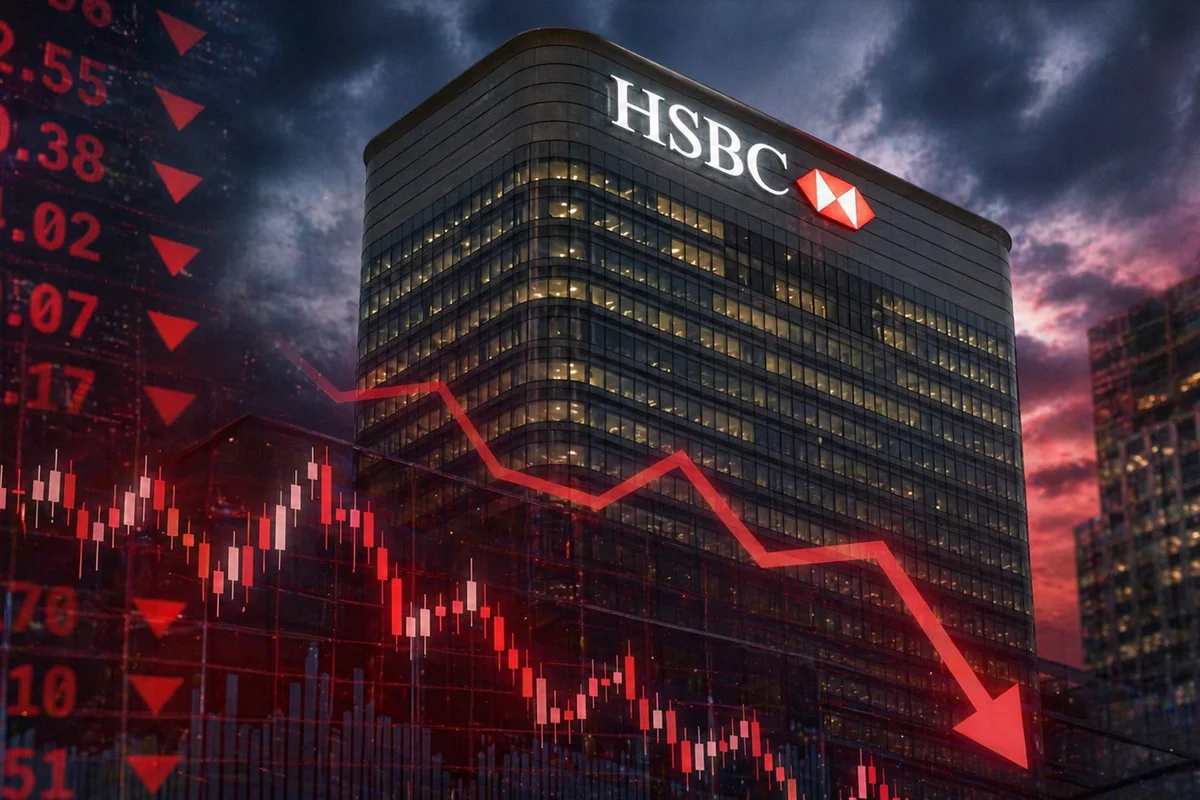
The downgrade of Indian equities by HSBC marks a significant shift in global investor sentiment, especially at a time when domestic markets were already navigating volatility. The move reflects a growing disconnect between India’s strong structural story and emerging short-term macro risks. While long-term fundamentals remain intact, the immediate concern lies in rising oil prices, weakening currency stability, and pressure on corporate earnings. This creates a tension where India continues to be a growth market, but near-term risk-reward dynamics are becoming less favorable for global investors.
The primary trigger behind the downgrade is the sharp rise in crude oil prices, driven by escalating geopolitical tensions. Brent crude has surged over 40 percent since late February, crossing the critical $100 per barrel mark.
India, being one of the largest crude importers globally, is particularly vulnerable to such spikes. Higher oil prices directly impact inflation, increase input costs for companies, and reduce consumer spending power.
Data suggests that sustained high oil prices increase cost pressures across sectors This leads to margin compression for companies Which results in lower earnings growth expectations
HSBC has warned that even a 20 percent further rise in oil prices could reduce India’s earnings growth forecast by around 1.5 percentage points, which is significant given current expectations of about 16 percent growth.
The downgrade is not just based on future risks but also recent market behavior. Indian benchmark indices like Nifty 50 and BSE Sensex have already declined 6 to 8 percent this year, underperforming several global peers.
This underperformance reflects a combination of factors including global risk-off sentiment, foreign investor selling, and rising macro uncertainty.
| Indicator | Recent Trend |
|---|---|
| Nifty 50 Performance | Down ~6.7% |
| Sensex Performance | Down ~7.9% |
| Brent Crude | Above $100/barrel |
| FII Outflows (2026) | $18.5 billion |
| April FII Selling | $4.3 billion |
The data clearly shows that global capital is becoming more cautious, particularly in emerging markets like India.
Another critical factor behind the downgrade is the pressure on the Indian rupee. Rising oil prices increase the import bill, which weakens the currency and creates additional macro instability.
Foreign investors are particularly sensitive to currency risk. A weakening rupee reduces returns in dollar terms, making Indian equities less attractive compared to other markets.
HSBC highlighted that continued foreign outflows could intensify if currency volatility increases. This is already visible, with billions of dollars exiting Indian markets in recent months.
While oil prices are the visible trigger, the deeper issue is the potential downgrade in corporate earnings expectations.
Higher input costs, especially in energy-intensive sectors, can significantly impact profitability. At the same time, consumer demand may weaken due to inflation, creating a double pressure on revenues and margins.
Additionally, concerns around the long-term impact of artificial intelligence on India’s IT sector are adding another layer of uncertainty for global investors.
This combination of macro and sector-specific risks is what makes the downgrade more structural than temporary.
A common misconception is that Indian markets are insulated due to strong domestic inflows such as SIP investments. While these flows provide stability, they cannot fully offset sustained foreign selling.
Another misunderstanding is that falling markets automatically make valuations attractive. In reality, if earnings estimates are revised downward, valuations can remain stretched even after price corrections.
Despite the downgrade, HSBC has not turned negative on all sectors. The brokerage highlighted opportunities in private banking, healthcare, and base metals.
Pharmaceutical companies, in particular, are showing resilience due to strong demand and stable earnings visibility. This indicates that while the broader market outlook may be cautious, sector-specific opportunities still exist.
This divergence suggests that the market is entering a stock-pickers phase rather than a broad-based rally environment.
The near-term trajectory of Indian equities will depend on a few critical factors
• Movement in crude oil prices
• Progress in geopolitical tensions
• Direction of foreign institutional flows
• Stability of the Indian rupee
• Corporate earnings revisions
If oil prices remain elevated and geopolitical tensions persist, markets may continue to face pressure. However, any easing in these factors could quickly restore investor confidence.
Investors should avoid broad market bets in the current environment and focus on selective sectors with strong earnings visibility.
A balanced approach could include
• Exposure to defensive sectors like pharma
• Select private banking stocks with strong balance sheets
• Avoiding highly oil-sensitive industries in the short term
Monitoring macro indicators such as crude prices and currency movement is essential for making informed decisions.
The downgrade by HSBC is less about India losing its growth story and more about timing risks in a volatile global environment. Rising oil prices, currency pressures, and earnings uncertainty have temporarily shifted the risk-reward balance. However, structural strengths remain intact. Investors who recognize this distinction and focus on selective opportunities rather than broad exposure are likely to navigate this phase more effectively.
HSBC downgraded Indian equities due to rising oil prices, which increase inflation and reduce corporate earnings growth, along with concerns around foreign investor outflows and currency stability.
Higher oil prices increase costs for businesses, reduce consumer spending, and weaken the currency, all of which negatively affect corporate earnings and investor sentiment.
Yes, despite short-term challenges, India’s long-term growth story remains strong. However, investors should focus on selective sectors and monitor macro risks closely.
Financial journalist specializing in market analysis, stock research, and investment trends. Dedicated to providing accurate, timely insights for informed decision-making.
Credentials: Experienced financial journalist with expertise in equity markets and economic analysis
The information provided in this article is for educational and informational purposes only and should not be construed as financial, investment, or legal advice. welomoney does not provide personalized investment recommendations.
For detailed terms and conditions, please read our Disclaimer and Terms of Service.
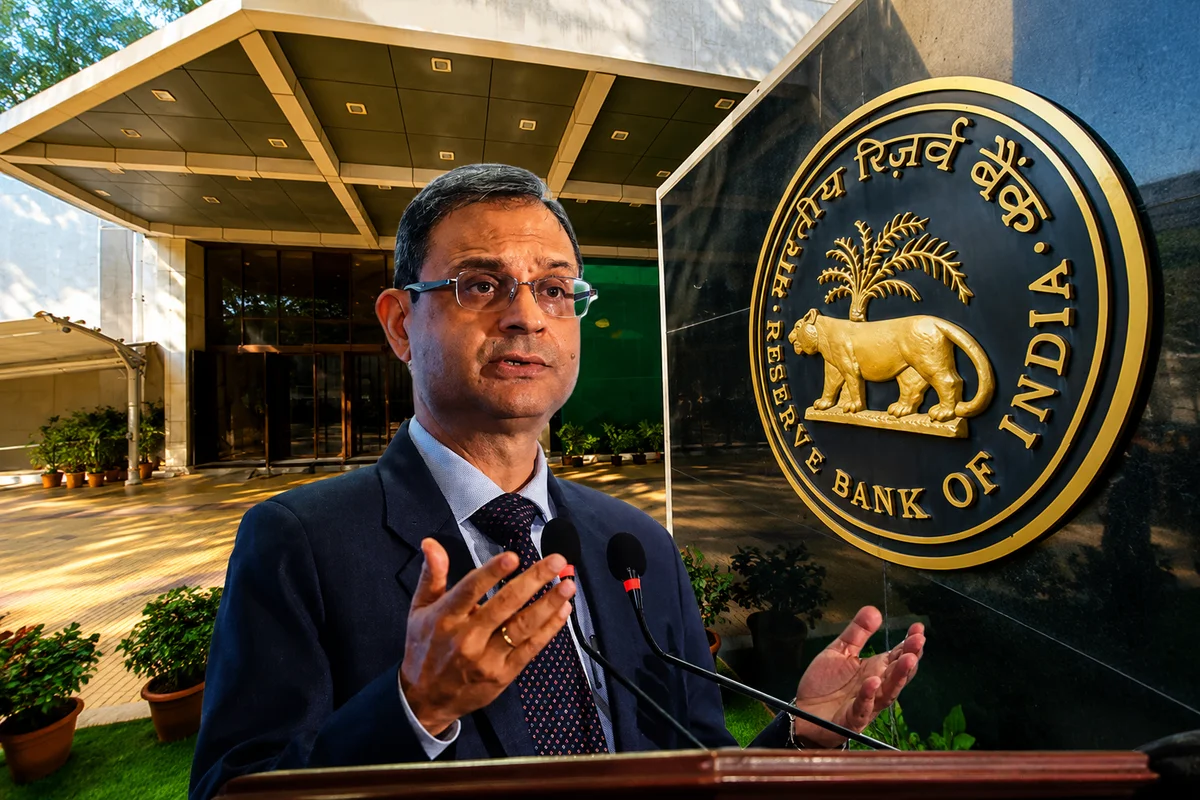
The Reserve Bank of India's recent forex measures have attracted nearly $32 billion, largely through FCNR(B) deposits, while foreign investors...

The Indian Air Force has initiated Software Defined Radio (SDR) integration on 36 MiG 29 aircraft, including 29 fighter jets and 7 trainers.
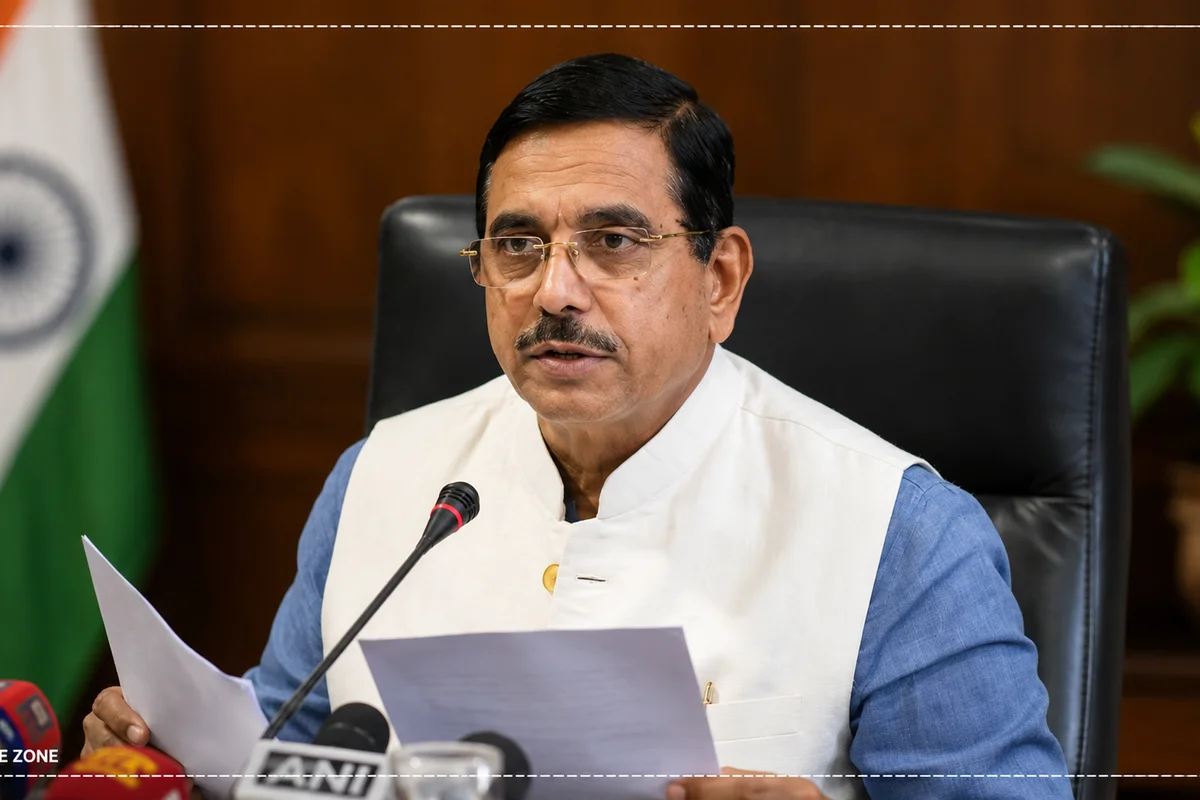
Union Minister Pralhad Joshi has been given additional charge of the Ministry of Education after President Droupadi Murmu accepted Dharmendra...
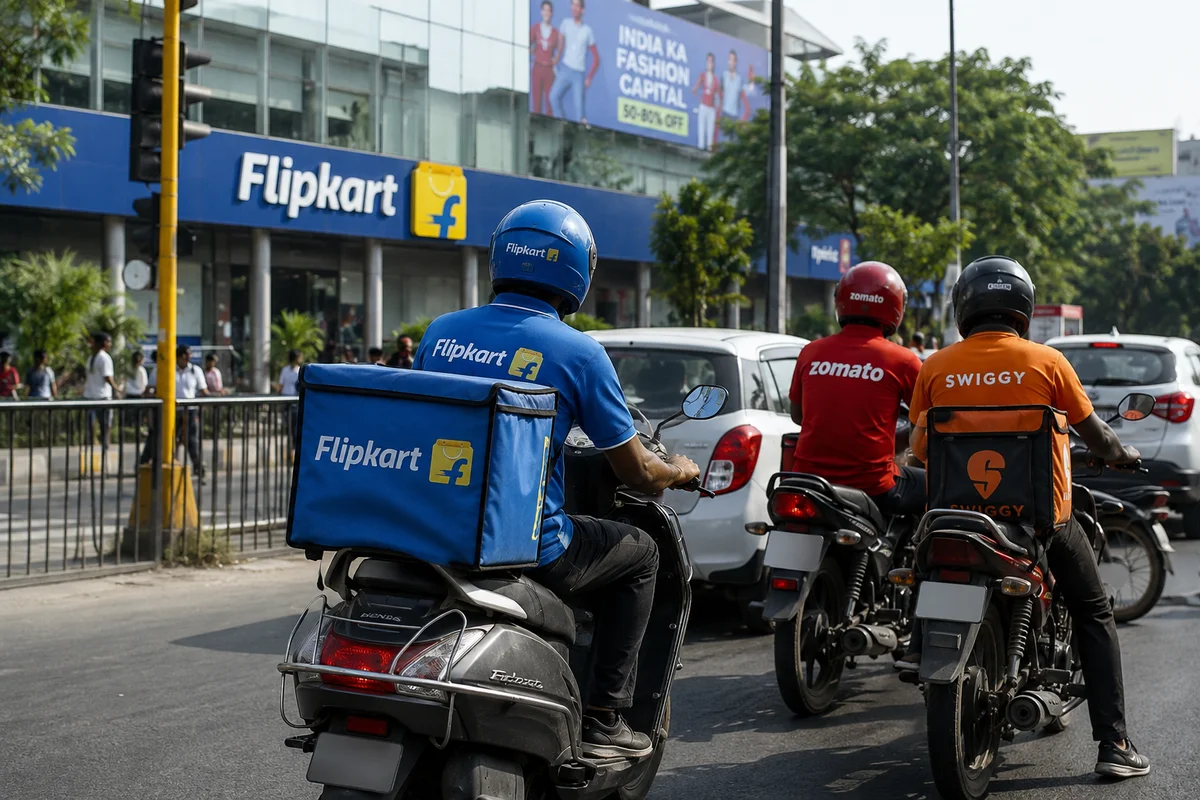
Flipkart is set to enter India's food delivery market with a pilot launch in Bengaluru. The Walmart-owned company is reportedly exploring a...

FIIs increased their stake in MTAR Technologies, Groww operator Billionbrains Garage Ventures, HFCL, Motisons Jewellers and several other companies...