Loading market data...
Wed, 07 Oct 2026
09:10:29 am
Wed, 07 Oct 2026
09:10:29 am
Synopsis
India expects peak power demand to reach 300 GW in 2027 as AI, data centres and EV adoption drive electricity consumption. The government also pushes domestic clean-energy manufacturing and grid expansion.
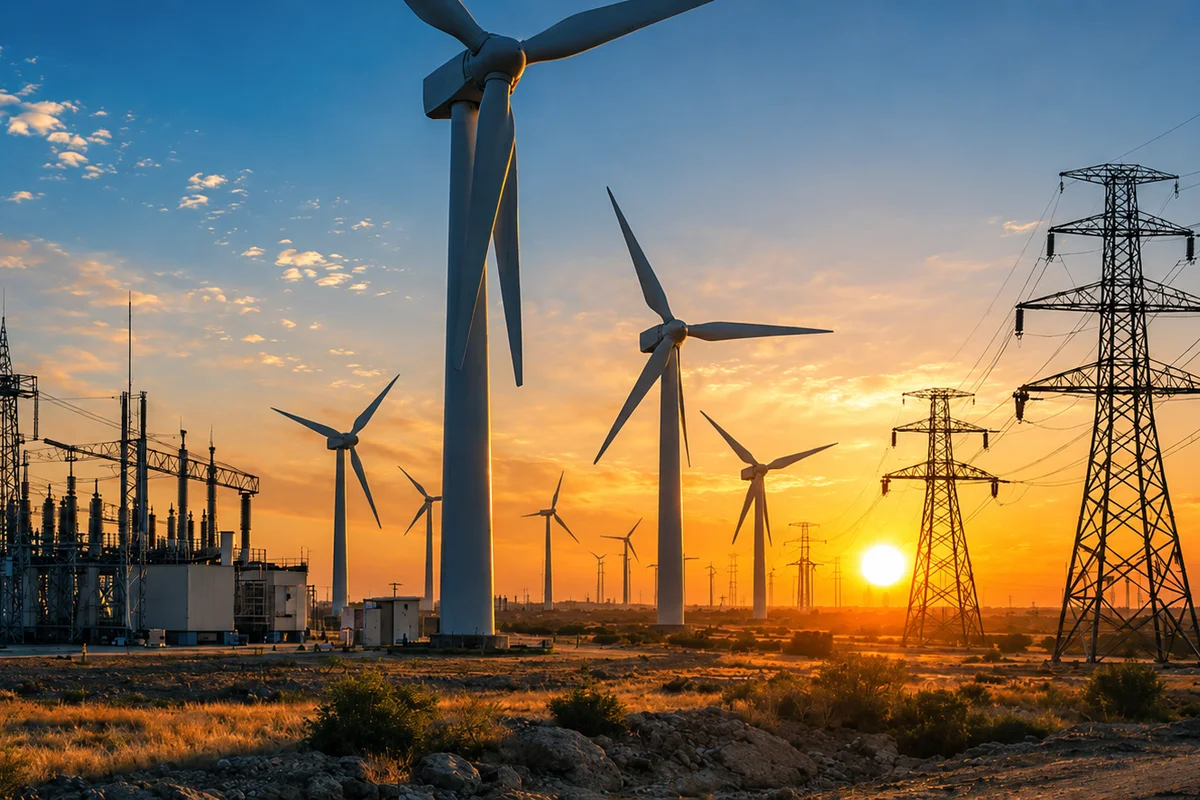
India is preparing for a sharp rise in electricity demand, with the government estimating peak power demand could reach 300 GW next year. Power **Minister Manohar Lal ** has called for faster investments in energy storage, grid infrastructure, and domestic clean-energy manufacturing to strengthen India's energy security and reduce import dependence.
India is gearing up for a significant increase in electricity consumption, with Power Minister Manohar Lal stating that the country should prepare for peak power demand of around 300 gigawatts (GW) in 2027. The announcement came during India Energy Storage Week, where the government highlighted the growing need for stronger power infrastructure and self-reliance in clean energy manufacturing.
The country has already recorded a record peak power demand of around 271 GW, while demand is projected to reach 276–280 GW during 2026 before climbing to nearly 300 GW next year.
The government believes India's rapidly expanding digital economy is becoming a major driver of electricity consumption.
According to the Power Minister, the rapid expansion of artificial intelligence (AI), data centres, electric vehicles (EVs) and increasing industrial activity will continue to push electricity demand higher over the coming years. As businesses invest in AI infrastructure and EV adoption accelerates, the country's power requirements are expected to grow steadily.
Meeting this rising demand will require substantial investments in renewable energy integration, transmission infrastructure, and advanced energy storage systems.
Alongside expanding electricity generation, the government is also emphasizing local manufacturing of clean-energy equipment.
India currently imports several key components used in renewable energy projects, including solar cells, battery cells, and energy storage equipment. The government wants to reduce this dependence by strengthening domestic manufacturing capabilities, even if locally produced equipment initially comes at a higher cost.
The move aligns with India's broader strategy of improving energy security, conserving foreign exchange reserves, and building resilient supply chains amid global geopolitical uncertainties.
As renewable energy capacity continues to grow, the government believes investments in battery energy storage systems (BESS) and modern transmission networks will become increasingly important.
Efficient energy storage will help balance intermittent solar and wind power generation, while stronger transmission infrastructure will ensure electricity generated in renewable-rich regions reaches major industrial and urban centres across the country.
These investments are expected to play a crucial role in supporting India's long-term clean energy transition.
The government has reiterated that strengthening India's domestic clean-energy ecosystem is a strategic priority.
According to the Power Minister, reducing dependence on imported equipment will improve long-term energy security while insulating the country from global supply chain disruptions and geopolitical tensions.
India has already introduced several policy initiatives over the past few years to encourage domestic manufacturing under its renewable energy and energy storage programmes.
India's electricity demand is expected to witness sustained long-term growth, supported by industrial expansion, digital infrastructure, AI adoption, electric mobility, and rising household consumption. This creates significant opportunities for companies operating across power generation, renewable energy, battery storage, transmission infrastructure, and electrical equipment manufacturing.
Government support for domestic manufacturing could also benefit Indian producers of solar modules, batteries, power equipment, and energy storage solutions as the country works toward reducing import dependence while accelerating its clean energy transition.
| Highlights | Details |
|---|---|
| Estimated Peak Power Demand (2027) | Around 300 GW |
| Record Peak Demand Achieved | Around 271 GW |
| FY26 Demand Estimate | 276–280 GW |
| Key Demand Drivers | AI, Data Centres, EVs, Industrial Growth |
| Government Focus | Domestic Clean Energy Manufacturing |
| Priority Areas | Energy Storage, Grid Infrastructure, Renewable Energy |
Rising electricity consumption from AI data centres, electric vehicles, industrial growth, and expanding digital infrastructure is expected to push peak demand close to 300 GW.
India aims to reduce dependence on imported solar cells, batteries, and clean-energy equipment while improving energy security and strengthening local supply chains.
Energy storage systems help balance renewable energy generation, improve grid reliability, and support growing electricity demand.
Renewable energy companies, battery manufacturers, transmission infrastructure firms, power equipment manufacturers, and grid technology providers could benefit from increased investments.
India has already recorded a peak electricity demand of approximately 271 GW, with further growth expected over the next two years.

Financial journalist specializing in market analysis, stock research, and investment trends. Dedicated to providing accurate, timely insights for informed decision-making.
Credentials: Experienced financial journalist with expertise in equity markets and economic analysis
The information provided in this article is for educational and informational purposes only and should not be construed as financial, investment, or legal advice. welomoney does not provide personalized investment recommendations.
For detailed terms and conditions, please read our Disclaimer and Terms of Service.

Petrol prices rise by ₹5 and diesel by ₹3 per litre as crude oil prices climb, raising concerns over fuel costs, transport expenses and inflation.

India’s Rafale plan could create a second fighter jet production line, expand local manufacturing and continue alongside the indigenous Tejas Mk1A...

Cabinet approves higher MSPs for six Rabi crops, an AI-based traffic system for Delhi and Green Energy Corridor Phase 3 to expand renewable power...

ITC buys the remaining Yoga Bar stake for ₹645 crore, taking full ownership of Sproutlife Foods. Here's what the acquisition means.

Explore the 8-week losing streak, FPI selling, crude oil prices, US bond yields, rupee weakness and key market factors.