Loading market data...
Tue, 06 Oct 2026
08:05:16 pm
Tue, 06 Oct 2026
08:05:16 pm
Synopsis
Vedanta, Hindalco Industries, and Adani Group are investing nearly ₹2.43 lakh crore to expand India's aluminium industry as demand from EVs, renewable energy, and infrastructure accelerates.
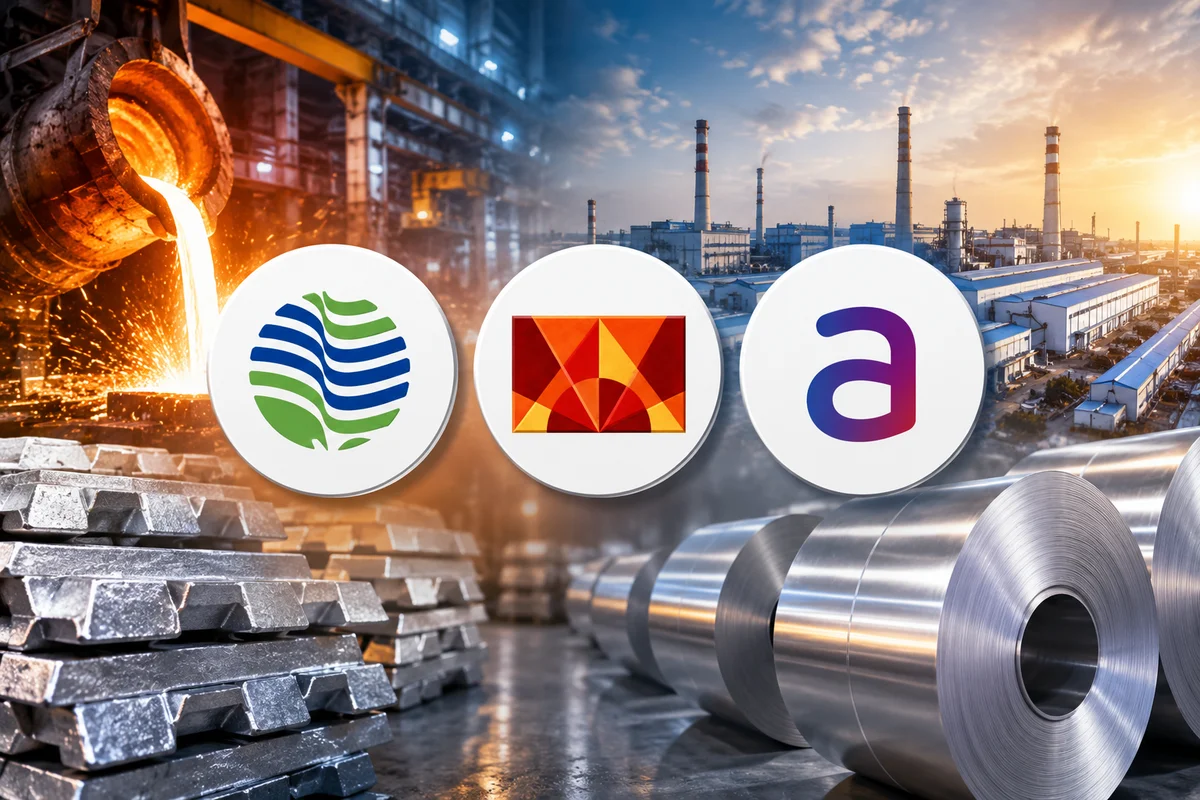
India's aluminium industry is entering one of its biggest investment cycles, with Vedanta, the Aditya Birla Group's Hindalco Industries, and the Adani Group collectively committing nearly ₹2.43 lakh crore to expand production capacity, strengthen downstream manufacturing, and capitalise on rising demand from electric vehicles (EVs), renewable energy, power infrastructure, and defence.
The massive capital expenditure comes at a time when India's aluminium consumption is growing rapidly while global supply remains constrained due to China's production cap. Industry leaders believe the combination of strong domestic demand, energy transition, and infrastructure development could make aluminium one of India's fastest-growing industrial sectors over the next decade.
Unlike previous commodity cycles driven largely by exports, the current expansion is backed by India's domestic manufacturing and infrastructure boom.
Aluminium demand in India rose by around 10% to nearly 6 million tonnes (MT) during FY26, supported by strong growth in the automotive, electrical equipment, renewable energy, construction, and defence sectors. The government aims to increase India's annual aluminium production capacity from 4.2 MT currently to 8.5 MT by FY30, creating significant opportunities for domestic producers.
Three of India's largest business groups are leading the next phase of aluminium expansion.
| Company | Planned Investment | Key Projects |
|---|---|---|
| Adani Group | ₹1.08 Lakh Crore | Integrated Aluminium Complex in Odisha |
| Vedanta | ₹1.00 Lakh Crore | 6 MT Alumina Refinery & 3 MT Aluminium Plant |
| Hindalco Industries | ₹35,000 Crore | Smelting, Alumina, Recycling & Downstream Expansion |
The combined investment of nearly ₹2.43 lakh crore is expected to be deployed over the next four to five years.
The Adani Group has unveiled the largest proposed investment in India's aluminium sector through a partnership with Abu Dhabi-based IHC Group.
The integrated project in Odisha will include:
The company expects to secure regulatory approvals over the next 12–18 months, while the first phase is targeted to become operational within approximately three to three-and-a-half years.
The project is expected to complement Adani's renewable energy and solar manufacturing businesses, creating long-term synergies across the clean energy value chain.
Vedanta, India's largest primary aluminium producer, is investing ₹1 lakh crore to significantly expand its production footprint in Odisha.
The expansion includes a 6 MT alumina refinery and a 3 MT aluminium smelter, both expected to be powered largely by renewable energy.
The company has also expanded its Lanjigarh refinery capacity to 5 MT annually, while targeting 3 MT aluminium smelting capacity by FY28.
Vedanta is simultaneously moving towards higher-value products, aiming to increase the contribution of value-added aluminium products from around 60% currently to nearly 90%, helping improve profitability while reducing dependence on commodity aluminium prices.
Hindalco Industries, the metals flagship of the Aditya Birla Group, is investing ₹35,000 crore across alumina refining, aluminium smelting, recycling, and downstream manufacturing.
The company is expanding production of high-value products including:
Management expects these investments to position Hindalco to benefit from rising demand across electric vehicles, batteries, renewable energy, and advanced manufacturing.
Industry experts believe India's energy transition is becoming one of the biggest structural demand drivers for aluminium.
The metal is increasingly used in:
At the same time, China's aluminium production is nearing its regulatory ceiling of 45 MT, limiting future global supply growth and creating an opportunity for Indian producers to increase market share.
International aluminium prices strengthened during FY26 due to tighter global supply, geopolitical tensions, trade restrictions, and a weaker US dollar.
With China accounting for nearly 60% of global aluminium production, its inability to significantly expand capacity is expected to support aluminium prices over the long term.
Industry participants believe India's strong domestic consumption growth could reduce dependence on global commodity cycles while supporting stable capacity utilisation.
While long-term demand remains positive, aluminium producers continue to face rising import competition.
Imports of aluminium products, including scrap, increased from around 3 MT in FY25 to nearly 3.6 MT during FY26, with products from China and countries covered under free trade agreements continuing to pressure domestic manufacturers.
However, anti-dumping measures on selected aluminium products have provided some relief to domestic producers.
India's aluminium sector appears to be entering a structural growth phase rather than a typical commodity upcycle. Rising investments in electric mobility, renewable energy, power transmission, defence manufacturing, and infrastructure are creating multi-year demand visibility for aluminium producers.
The aggressive expansion plans announced by Vedanta, Hindalco, and Adani indicate growing confidence in India's long-term industrial growth story. While global commodity prices and imports remain key risks, higher domestic consumption, increasing downstream manufacturing, and value-added aluminium products could improve profitability across the industry over the coming years.
Investors should monitor project execution timelines, aluminium price trends, domestic demand growth, capacity additions, downstream product expansion, government infrastructure spending, EV adoption, renewable energy investments, and import policies, as these factors will play a crucial role in determining the future performance of India's aluminium sector.
| Highlights | Details |
|---|---|
| Total Planned Investment | ₹2.43 Lakh Crore |
| Largest Investor | Adani Group (₹1.08 Lakh Crore) |
| Vedanta Investment | ₹1 Lakh Crore |
| Hindalco Capex | ₹35,000 Crore |
| India's FY26 Aluminium Demand | ~6 Million Tonnes |
| Government FY30 Capacity Target | 8.5 Million Tonnes |
| Key Demand Drivers | EVs, Renewable Energy, Infrastructure, Defence |
Strong domestic demand from electric vehicles, renewable energy, infrastructure, power transmission, and defence is driving one of the biggest investment cycles in the sector.
The Adani Group, Vedanta, and Hindalco Industries are collectively investing nearly ₹2.43 lakh crore to expand aluminium production and downstream manufacturing.
Rapid growth in EV manufacturing, solar power installations, transmission infrastructure, battery production, and construction is boosting aluminium consumption.
Key challenges include rising imports, global commodity price volatility, execution of large capital expenditure projects, and maintaining competitiveness in value-added products.

Financial journalist specializing in market analysis, stock research, and investment trends. Dedicated to providing accurate, timely insights for informed decision-making.
Credentials: Experienced financial journalist with expertise in equity markets and economic analysis
The information provided in this article is for educational and informational purposes only and should not be construed as financial, investment, or legal advice. welomoney does not provide personalized investment recommendations.
For detailed terms and conditions, please read our Disclaimer and Terms of Service.
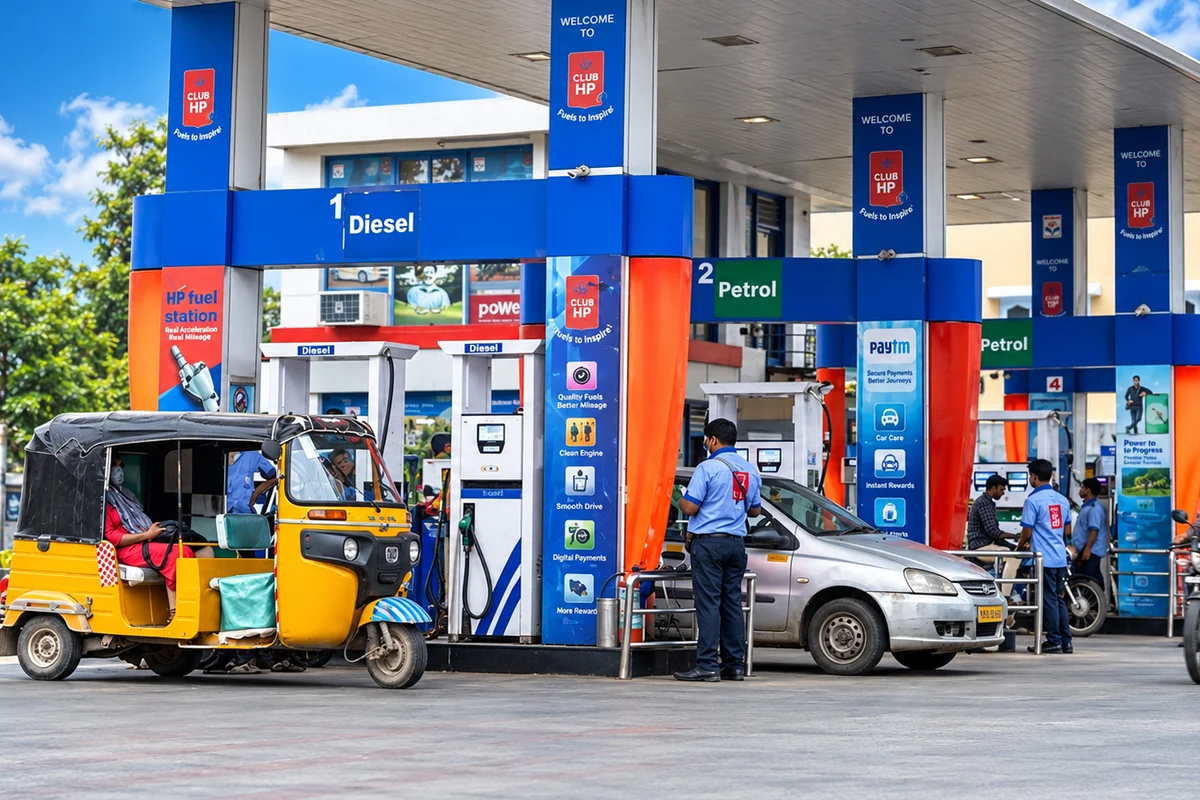
Petrol prices rise by ₹5 and diesel by ₹3 per litre as crude oil prices climb, raising concerns over fuel costs, transport expenses and inflation.
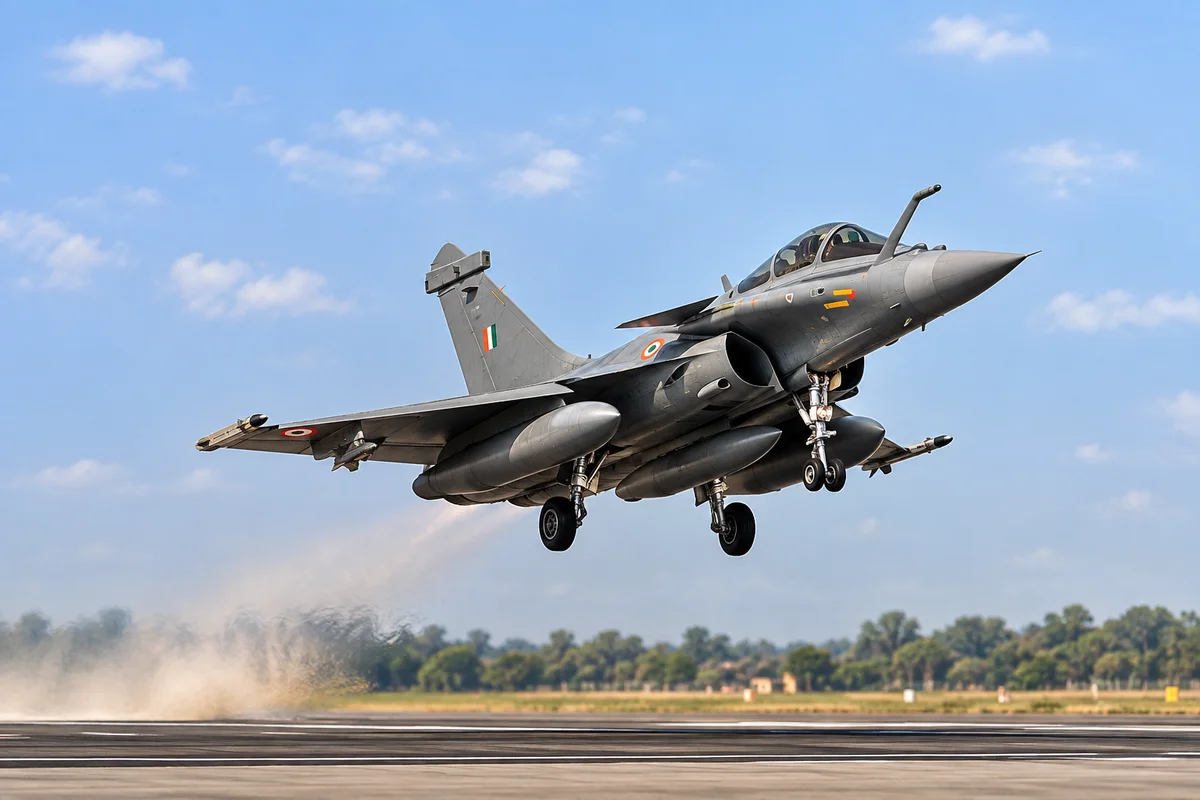
India’s Rafale plan could create a second fighter jet production line, expand local manufacturing and continue alongside the indigenous Tejas Mk1A...
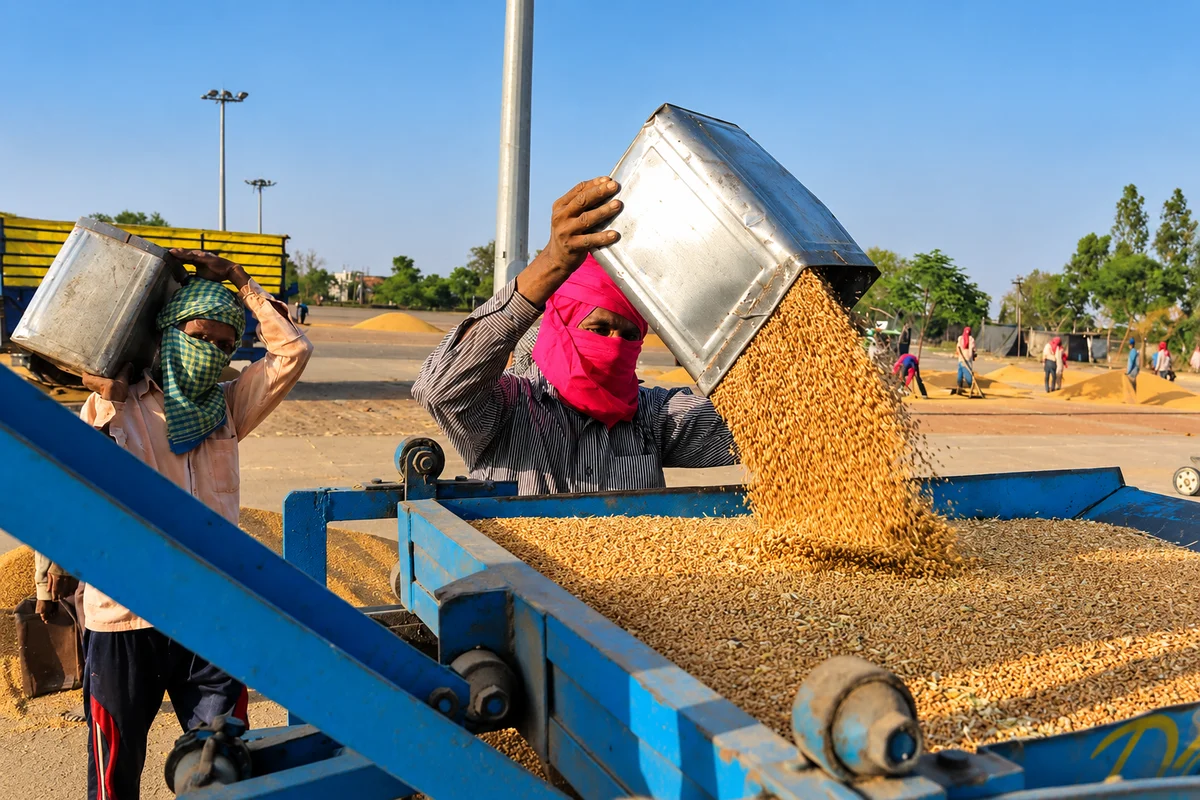
Cabinet approves higher MSPs for six Rabi crops, an AI-based traffic system for Delhi and Green Energy Corridor Phase 3 to expand renewable power...
ITC buys the remaining Yoga Bar stake for ₹645 crore, taking full ownership of Sproutlife Foods. Here's what the acquisition means.

Explore the 8-week losing streak, FPI selling, crude oil prices, US bond yields, rupee weakness and key market factors.