Loading market data...
Sun, 04 Oct 2026
05:12:31 pm
Sun, 04 Oct 2026
05:12:31 pm
Synopsis
Delhi EV Policy 2026: Get complete details of the new Delhi EV Policy, including the ₹1 lakh scrappage incentive for electric cars, purchase subsidies, road tax exemption, eligibility, application process, and EV benefits.
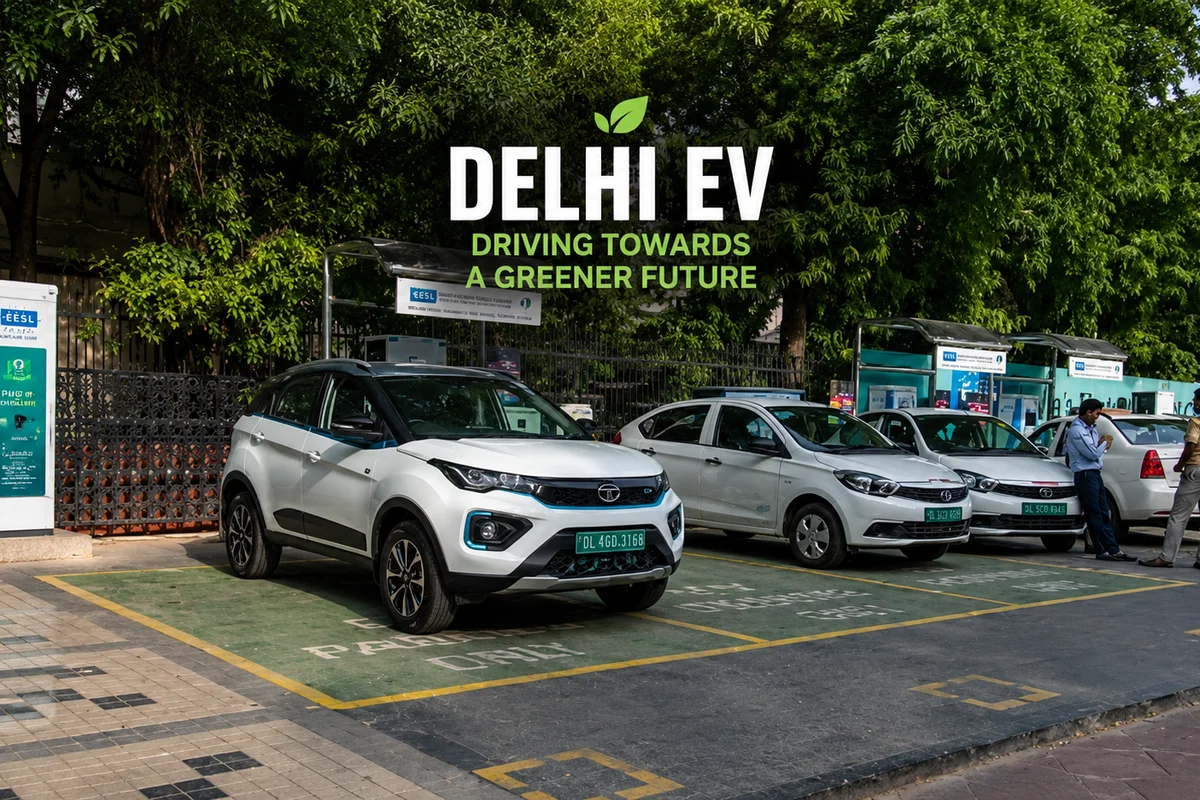
The Delhi Government has officially rolled out the Delhi Electric Vehicle (EV) Policy 2026, introducing a comprehensive package of purchase subsidies, scrappage incentives, road tax exemptions, and charging infrastructure support to accelerate electric vehicle adoption across the national capital.
Effective from July 1, 2026, the policy will remain in force until March 31, 2030, with the objective of reducing vehicular pollution, promoting sustainable mobility, and building a robust EV ecosystem in Delhi.
One of the biggest highlights of the new policy is a ₹1 lakh scrappage incentive for owners of older petrol and diesel cars who scrap their vehicles and purchase eligible electric four-wheelers. The policy also offers financial benefits for electric two-wheelers, three-wheelers, commercial vehicles, and electric trucks.
| Particulars | Details |
|---|---|
| Policy Effective From | July 1, 2026 |
| Valid Till | March 31, 2030 |
| Maximum Scrappage Incentive (Cars) | ₹1 Lakh |
| EV Four-Wheeler Road Tax | 100% Exempt |
| Registration Fee | 100% Exempt |
| Eligible EV Price | Up to ₹30 Lakh (Ex-showroom) |
| Subsidy Payment | Direct Benefit Transfer (DBT) |
The Delhi EV Policy offers a ₹1 lakh scrappage incentive to owners of BS-IV or older petrol and diesel four-wheelers who choose to scrap their existing vehicles and purchase a new electric car.
The incentive is aimed at replacing older, more polluting vehicles with zero-emission electric alternatives while improving Delhi's air quality.
Apart from the scrappage benefit, eligible EV buyers will also receive a 100% exemption from road tax and registration charges, significantly reducing the overall cost of vehicle ownership.
The policy extends financial support across multiple vehicle categories to encourage faster EV adoption.
| Vehicle Category | Purchase Incentive | Additional Scrappage Incentive |
|---|---|---|
| Electric Two-Wheeler | ₹30,000 (Year 1), ₹20,000 (Year 2), ₹10,000 (Year 3) | ₹10,000 |
| Electric Three-Wheeler | ₹50,000 (Year 1), ₹40,000 (Year 2), ₹30,000 (Year 3) | ₹25,000 |
| Electric Four-Wheeler | Road Tax & Registration Fee Exemption | ₹1,00,000 |
| N1 Category Electric Truck | Up to ₹1,00,000 | As Applicable |
The phased subsidy structure is designed to encourage early adoption while gradually reducing incentives over the policy period.
One of the most significant financial benefits under the new policy is the complete waiver of road tax and registration charges for eligible electric four-wheelers.
The exemption applies to electric cars with an ex-showroom price of up to ₹30 lakh that are registered in Delhi.
Combined with purchase incentives and scrappage benefits, the exemption substantially lowers the total ownership cost for EV buyers.
The Delhi Government has launched a dedicated EV Subsidy Portal to facilitate online applications for incentives under the new policy.
Eligible buyers must apply within 30 days of purchasing the vehicle and receiving the Registration Certificate (RC).
After successful verification, the subsidy amount will be credited directly to the beneficiary's bank account through Direct Benefit Transfer (DBT) within 60 days.
Applicants can also track the real-time status of their subsidy application through the online portal.
The Delhi Transport Department has been designated as the nodal agency responsible for implementing the policy.
A dedicated Electric Vehicle Cell will oversee policy execution, issue operational guidelines, coordinate implementation, and address stakeholder queries.
The government will also appoint a Project Management Consultant (PMC) to support policy execution, monitor progress, and strengthen the overall EV ecosystem.
The new EV policy represents one of Delhi's most ambitious clean mobility initiatives to date.
By combining purchase subsidies, scrappage incentives, tax exemptions, and charging infrastructure development, the government aims to accelerate electric vehicle adoption while reducing dependence on fossil fuels and improving air quality.
The policy also supports India's broader transition toward sustainable transportation by encouraging consumers, commercial fleet operators, and businesses to shift to electric mobility.
The policy is expected to benefit electric vehicle manufacturers, charging infrastructure providers, battery manufacturers, and component suppliers. Companies operating in the EV ecosystem could witness higher demand as financial incentives reduce the upfront cost of ownership for consumers.
The initiative is also likely to boost adoption across personal mobility, commercial transportation, and logistics segments over the next few years.
Prospective EV buyers should verify their eligibility, ensure their vehicle qualifies under the policy, and submit subsidy applications within the prescribed timeline. Buyers intending to claim scrappage incentives must complete the scrapping process through authorized vehicle scrappage facilities before applying.
| Highlights | Details |
|---|---|
| Maximum Car Scrappage Incentive | ₹1 Lakh |
| Two-Wheeler Purchase Subsidy | Up to ₹30,000 |
| Three-Wheeler Purchase Subsidy | Up to ₹50,000 |
| Electric Truck Incentive | Up to ₹1 Lakh |
| Road Tax Exemption | 100% |
| Registration Fee Exemption | 100% |
| Subsidy Payment | Direct Benefit Transfer within 60 Days |
Owners of BS-IV or older petrol and diesel four-wheelers who scrap their vehicles and purchase an eligible electric four-wheeler under the Delhi EV Policy 2026.
Yes. Eligible electric four-wheelers priced up to ₹30 lakh (ex-showroom) receive a 100% exemption from road tax and registration fees.
Applicants can register through the official Delhi EV Subsidy Portal using Aadhaar, Vehicle RC, Voter ID, and bank account details. Applications must be submitted within 30 days of receiving the vehicle registration certificate.
The Delhi Government will transfer the approved subsidy directly into the beneficiary's bank account through Direct Benefit Transfer (DBT) within 60 days after successful verification.

Financial journalist specializing in market analysis, stock research, and investment trends. Dedicated to providing accurate, timely insights for informed decision-making.
Credentials: Experienced financial journalist with expertise in equity markets and economic analysis
The information provided in this article is for educational and informational purposes only and should not be construed as financial, investment, or legal advice. welomoney does not provide personalized investment recommendations.
For detailed terms and conditions, please read our Disclaimer and Terms of Service.
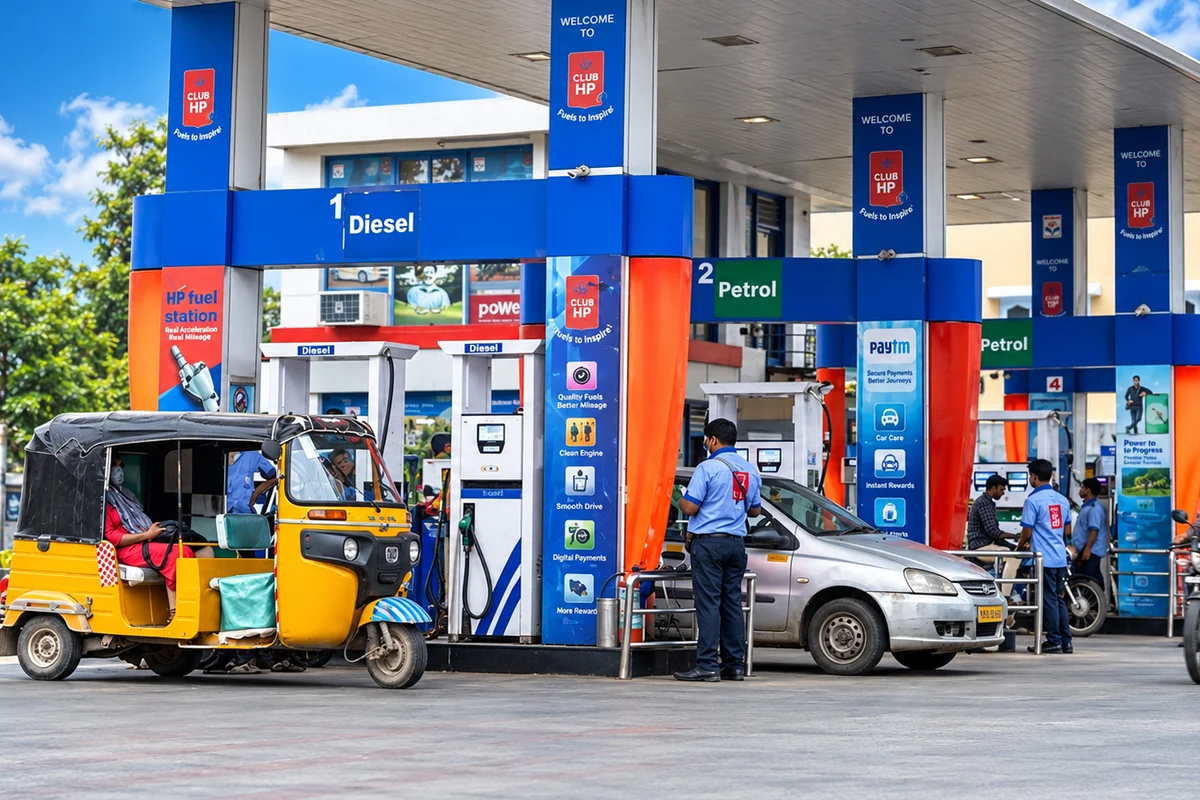
Petrol prices rise by ₹5 and diesel by ₹3 per litre as crude oil prices climb, raising concerns over fuel costs, transport expenses and inflation.
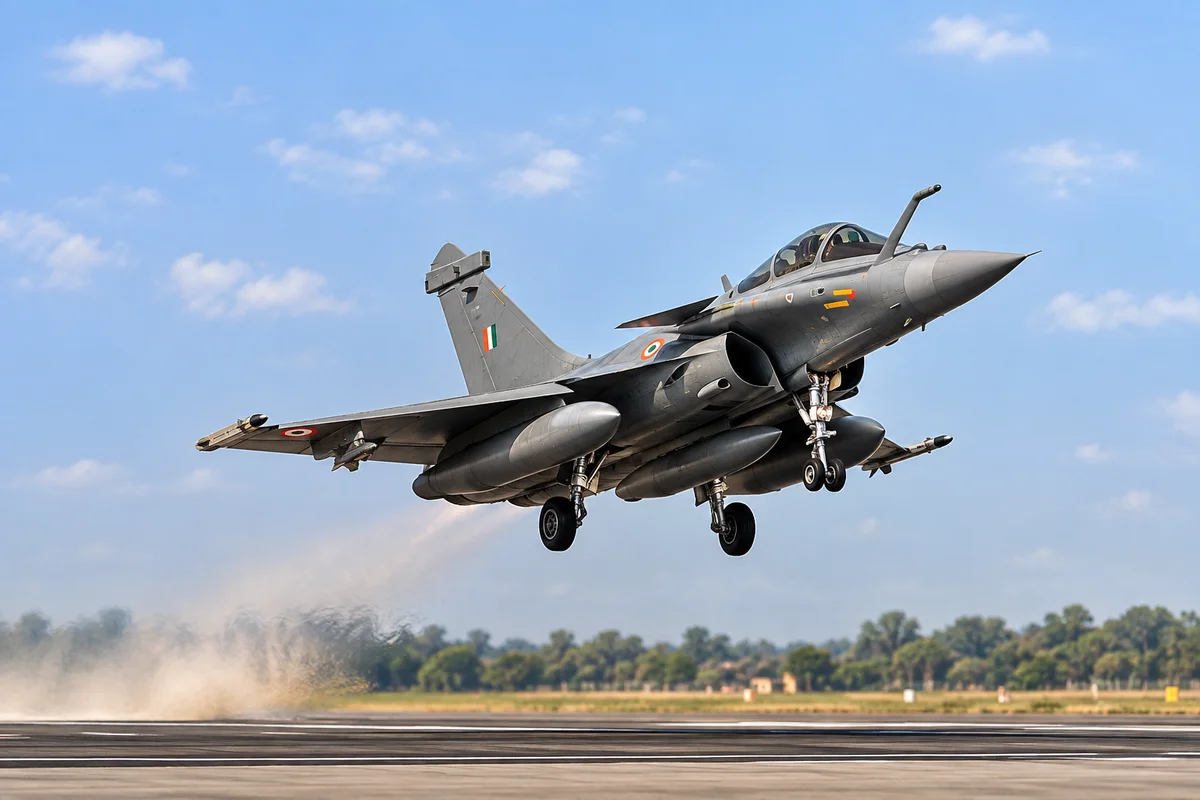
India’s Rafale plan could create a second fighter jet production line, expand local manufacturing and continue alongside the indigenous Tejas Mk1A...
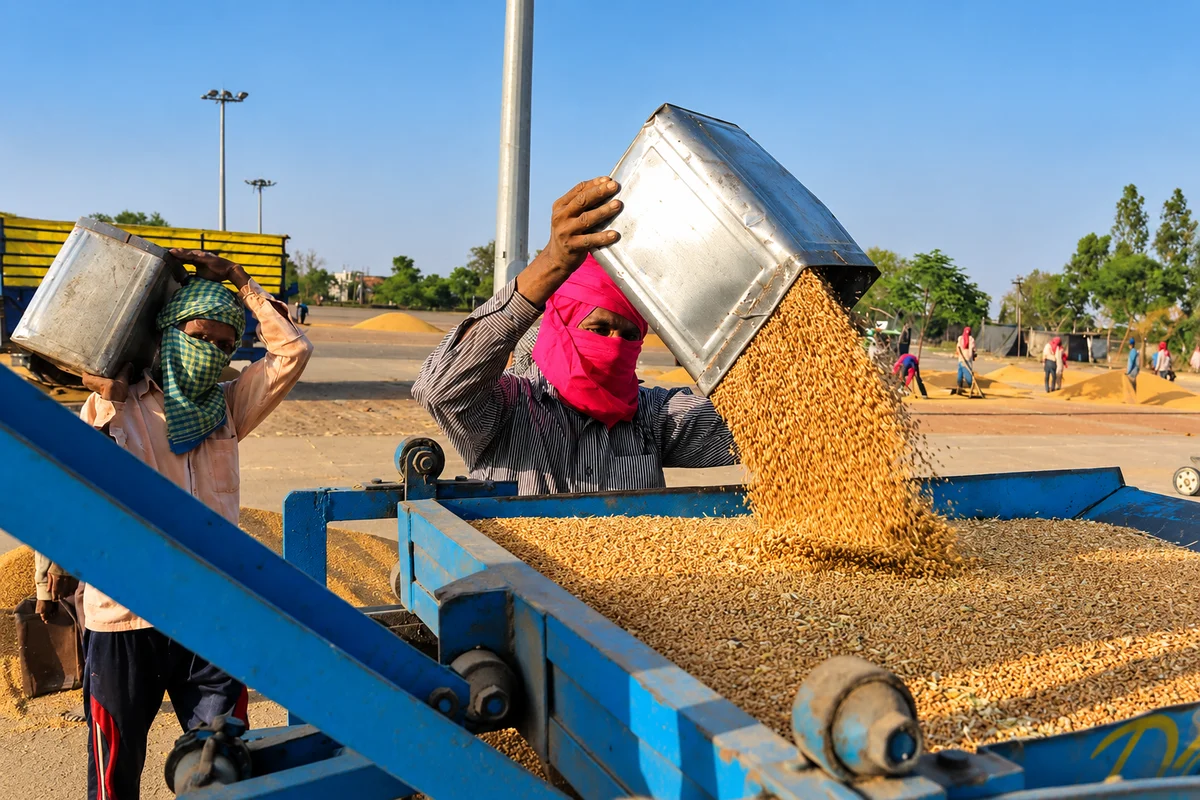
Cabinet approves higher MSPs for six Rabi crops, an AI-based traffic system for Delhi and Green Energy Corridor Phase 3 to expand renewable power...

ITC buys the remaining Yoga Bar stake for ₹645 crore, taking full ownership of Sproutlife Foods. Here's what the acquisition means.

Explore the 8-week losing streak, FPI selling, crude oil prices, US bond yields, rupee weakness and key market factors.