Loading market data...
Thu, 15 Oct 2026
07:54:40 am
Thu, 15 Oct 2026
07:54:40 am
🤖 VeritasBot
Published at: October 2, 2026, 9:17 AM
Synopsis
Explore the 8-week losing streak, FPI selling, crude oil prices, US bond yields, rupee weakness and key market factors.
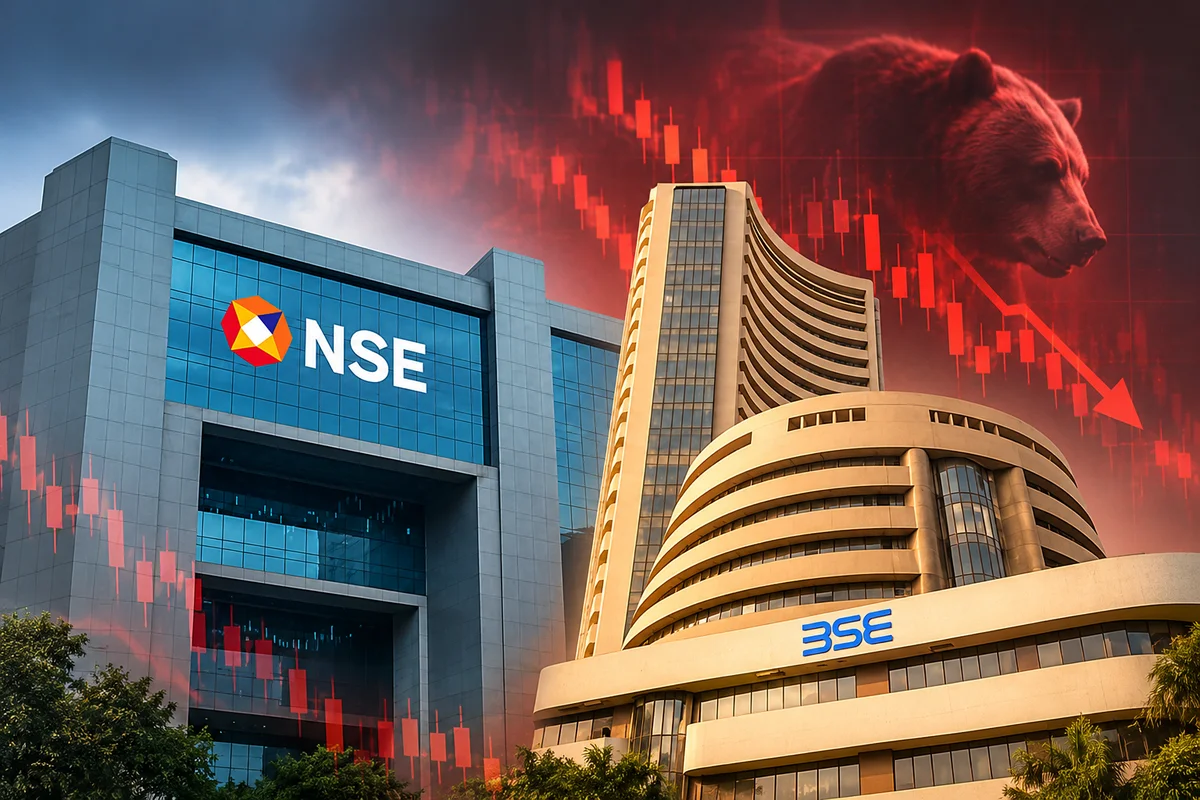
Indian benchmark indices have recorded their eighth consecutive weekly decline, marking the longest such losing streak in 25 years.
On October 1, the Nifty 50 closed at 22,421.95, while the Sensex ended at 71,909.70.
| Index | October 1 Close | Weekly Decline |
|---|---|---|
| Nifty 50 | 22,421.95 | 3.1% |
| Sensex | 71,909.70 | 2.7% |
Several factors are weighing on investor sentiment, including continued foreign portfolio outflows, elevated crude oil prices, higher US bond yields and weakness in the Indian rupee.
Foreign portfolio investors have withdrawn more than ₹3 lakh crore from Indian equities during the first nine months of 2026, adding pressure to domestic markets.
| Key Factor | Market Impact |
|---|---|
| FPI outflows | Pressure on Indian equities |
| Higher US yields | Can reduce emerging-market appeal |
| Crude prices | Raises concerns over inflation and import costs |
| Rupee weakness | Adds pressure to external costs |
| Global uncertainty | Keeps investor sentiment cautious |
The latest decline extends a prolonged period of weakness for India's benchmark indices.
The Nifty has now fallen for eight consecutive weeks, while the Sensex has also recorded eight straight weekly declines.
The streak comes amid a challenging global environment, with investors closely tracking overseas bond yields, commodity prices and currency movements.
The next trading sessions are likely to remain focused on foreign investor flows, crude oil prices, US Treasury yields and the rupee.
Domestic market participants will also monitor whether selling pressure eases when trading resumes after the October 2 holiday.
| Indicator | Current Focus |
|---|---|
| Nifty | 22,421.95 |
| Sensex | 71,909.70 |
| FPI flows | Continued selling pressure |
| Crude oil | Elevated prices |
| US yields | Higher global borrowing yields |
| Rupee | Currency weakness |
The eight-week decline highlights the influence of global capital flows and macroeconomic factors on Indian equities. Market participants will be watching whether these pressures persist as trading resumes on October 5.
Indian markets are under pressure from foreign selling, high US bond yields, elevated crude prices, rupee weakness and global uncertainty.
Nifty is facing pressure from continued FPI selling, higher global yields, crude oil prices and weakness in the rupee.
Sensex has been pressured by foreign fund outflows, global market weakness, higher yields and concerns around crude oil prices.
Nifty has recorded eight consecutive weekly declines, its longest losing streak in 25 years.
The Sensex has also recorded eight consecutive weekly declines.
The Nifty 50 closed at 22,421.95 on October 1, 2026.
The Sensex closed at 71,909.70 on October 1, 2026.
Nifty has declined about 8.7% over the eight-week losing streak.
Sensex has declined about 8.4% during the eight-week losing streak.
Foreign investors are responding to factors including higher US bond yields, crude prices, currency movements and global risk conditions.
Foreign investor outflows have reached about $27.8 billion in 2026.
Higher US yields can make US assets relatively more attractive and reduce the appeal of emerging-market equities such as India.
Higher crude prices can increase India's import costs and create concerns around inflation and corporate margins.
Recent rupee weakness has been linked to foreign portfolio outflows, higher US yields and stronger dollar demand.
Nifty fell 198.50 points, or 0.88%, to 22,421.95.
Sensex declined 570.59 points, or 0.79%, to 71,909.70.
Yes. The eight-week decline is the Nifty's longest losing streak in 25 years.
The major factors include FPI selling, crude oil prices, higher US yields, rupee weakness and geopolitical uncertainty.
Indian markets are scheduled to reopen on October 5, 2026, after the October 2 holiday.
Key indicators include FPI flows, crude oil prices, US Treasury yields, the rupee and global market cues.
Disclaimer: This article is for informational purposes only and does not constitute investment advice. Market conditions and data can change.

Financial journalist specializing in market analysis, stock research, and investment trends. Dedicated to providing accurate, timely insights for informed decision-making.
Credentials: Experienced financial journalist with expertise in equity markets and economic analysis
The information provided in this article is for educational and informational purposes only and should not be construed as financial, investment, or legal advice. welomoney does not provide personalized investment recommendations.
For detailed terms and conditions, please read our Disclaimer and Terms of Service.
The IMF expects India's growth to hold at 7% in FY28, while inflation is forecast at 5% and the current account deficit at 1.5% of GDP in FY27.

Nifty IT rose to 28,978.15 as HCLTech and TCS gained over 4%. Track rupee levels, FII and DII flows, inflation and crude oil prices.
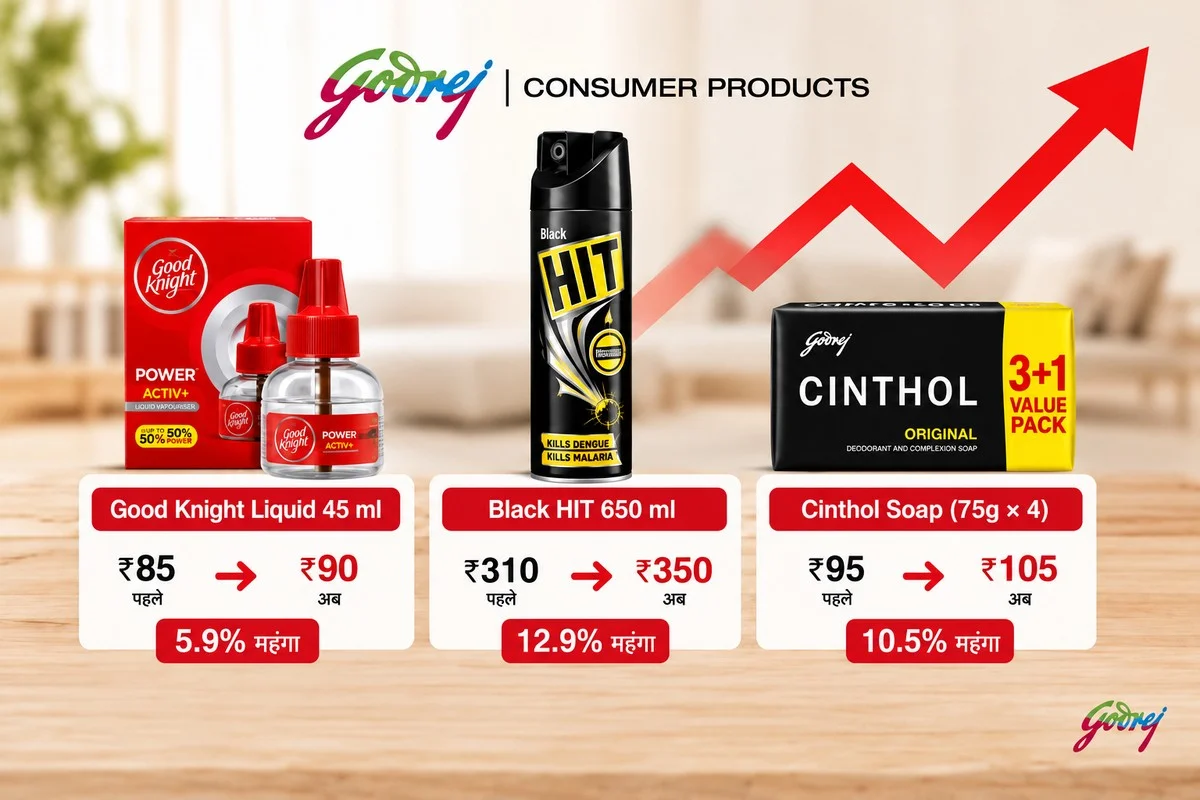
Godrej Consumer's latest price revisions follow rising input costs. Good Knight Machine now costs Rs 115, while Cinthol soap reaches Rs 110 per pack.

India's rural inflation reached 6.08% and urban inflation rose to 4.88% in September, while restaurant services inflation stood at 9.36%.
Sensex fell over 500 points as foreign investors continued selling and IT stocks weakened. HCL Tech results, SIP inflows and crude oil also shaped...