Loading market data...
Tue, 29 Sept 2026
02:59:57 pm
Tue, 29 Sept 2026
02:59:57 pm
Synopsis
Passenger vehicle stock falls nearly 6% after Q1 profit drops 78.54% to ₹859 crore. Revenue rises 9%, while JLR headwinds weigh on earnings and outlook.
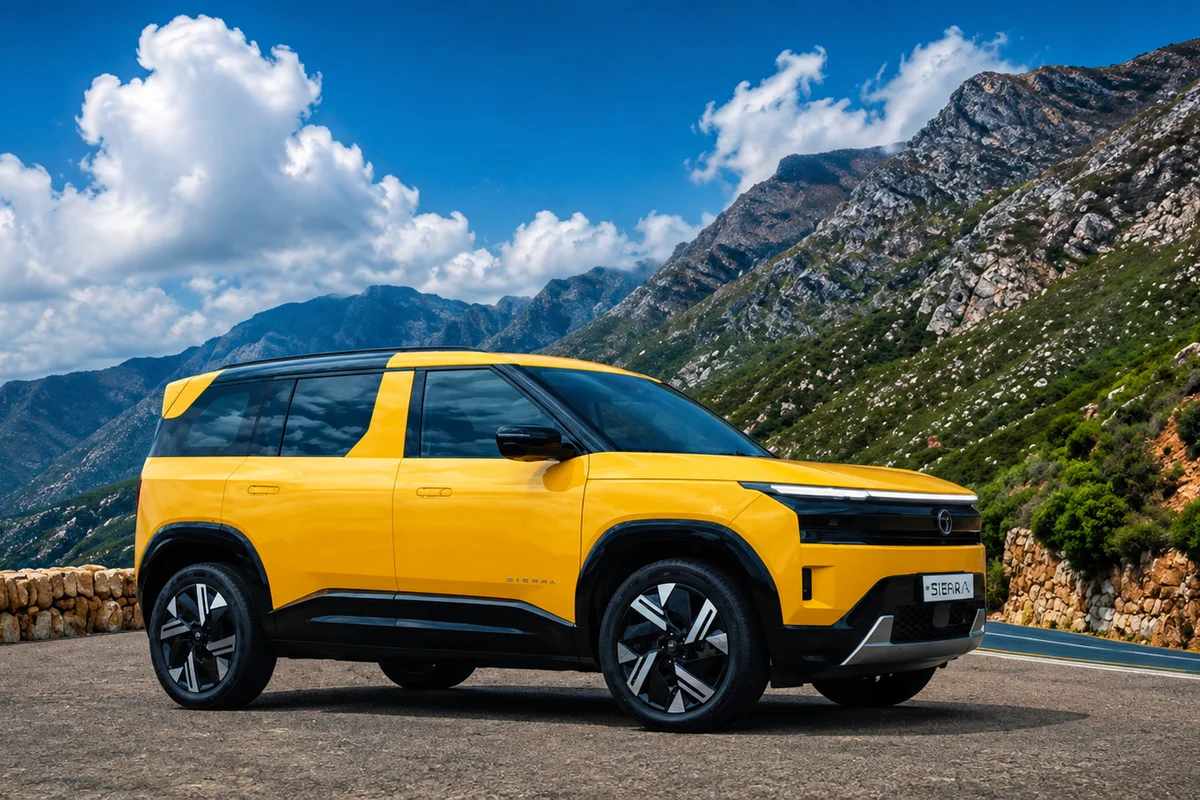
A major passenger vehicle stock fell nearly 6% in early trade on August 14 after a weak June 2026 quarter put pressure on earnings. The stock touched an intraday low of ₹329 and was trading around ₹332.60 in the supplied market data, down 4.86%. June quarter net profit fell 78.54% year on year to ₹859 crore from ₹4,003 crore, even as revenue from operations increased 9% to ₹95,799 crore. The earnings decline was linked to pressure in the JLR business, supply constraints, commodity costs and other operating headwinds, putting the stock under focus after a difficult quarter.
The domestic passenger vehicle business delivered strong volume growth, with volumes rising 46% year on year and electric vehicle volumes increasing 112%. Domestic revenue also grew 65%, but higher commodity and foreign exchange costs limited the improvement in margins. JLR wholesales declined 9.2% due to temporary supply constraints, including a fire at a major component supplier, the West Asia conflict and the planned Jaguar wind-down. Brokerages have also flagged competition, higher discounts and warranty costs, ageing models and elevated capital spending as concerns for JLR. Motilal Oswal Financial Services maintained a Sell rating with a ₹310 target, while Jefferies retained an Underperform rating with a ₹300 target.
Loading chart...
The stock was trading at ₹332.60 in the supplied market snapshot after falling 4.86%, while intraday trading saw it decline as much as 5.7% to ₹329. The immediate pressure followed the June 2026 earnings release, where the sharp fall in profit overshadowed the 9% rise in revenue. The results show a clear difference between the performance of the domestic business and JLR, with strong Indian passenger vehicle and EV volumes being offset by weaker JLR wholesales and higher costs.
| Metric | Q1 FY27 | Q1 FY26 | YoY Change |
|---|---|---|---|
| Revenue from operations | ₹95,799 crore | ₹87,677 crore | 9% |
| Net Profit | ₹859 crore | ₹4,003 crore | -78.54% |
| Domestic PV volumes | +46% | - | +46% YoY |
| EV volumes | +112% | - | +112% YoY |
| JLR wholesales | -9.2% | - | -9.2% YoY |
| JLR share of pressure | Supply and cost headwinds | - | - |
The biggest pressure came from JLR, where wholesales declined 9.2% year on year. The company faced temporary supply constraints, including a fire at a key component supplier, while the West Asia conflict and the planned Jaguar wind-down also affected the business. Commodity costs and foreign exchange movements further affected margins. Motilal Oswal said JLR margins were better than its estimate but remained under pressure because of higher VME costs. The brokerage also noted that consolidated automotive debt increased to ₹422 billion from ₹307 billion quarter on quarter, with the increase attributed fully to JLR.
The domestic business delivered a much stronger quarter than the overall earnings number suggests. Revenue from the India business increased 65% year on year, while passenger vehicle volumes rose 46%. EV volumes increased 112%, indicating strong growth in the electric vehicle segment. Jefferies also noted that the company has been gaining market share in India, with market share improving from 5% in FY16 to 13-14% during FY23-FY26 and reaching 15% in Q1 FY27. The brokerage also said the new Sierra SUV was receiving a good response.
Motilal Oswal Financial Services maintained its Sell rating with a target price of ₹310. The brokerage said adjusted PAT was ₹11.4 billion in Q1 FY27 against its estimate of a ₹1.2 billion loss, helped by better-than-expected JLR performance. It raised its FY27 EPS estimate by 12%, but did not materially change its FY28 estimates because of the headwinds ahead.
Jefferies retained an Underperform rating with a ₹300 target price. The brokerage highlighted increased competition, higher discounts and warranty costs, elevated capital spending and product ageing at JLR. It also pointed to differences in regional EV adoption and said the company may need to balance its EV strategy with ICE and hybrid vehicles. According to Jefferies, the strong India PV business is unlikely to fully offset the pressure from JLR.
| Brokerage | Rating | Target Price | Main concern |
|---|---|---|---|
| Motilal Oswal Financial Services | Sell | ₹310 | JLR pressure and higher automotive debt |
| Jefferies | Underperform | ₹300 | JLR competition, costs and ageing models |
JLR's performance will remain central to the earnings outlook. The June quarter showed that supply disruptions, higher costs and weaker wholesales can have a significant impact on consolidated profitability. Jefferies has also highlighted higher discounts, warranty costs and capital work and product development spending. The planned Jaguar wind-down adds another factor that investors will need to monitor as the business adjusts its product mix.
The domestic business provides a different picture. Passenger vehicle volumes grew 46% year on year and EV volumes more than doubled. Jefferies said passenger vehicle demand improved after the GST cut in September 2025, with demand growth rising from 4% in the first half of FY26 to 21% in the second half. It expects the industry to grow 12% in FY27 and at an 8% CAGR over FY27-FY29E. The company has also increased its India market share over the past decade, reaching 15% in Q1 FY27 according to Jefferies.
The immediate risk is that JLR weakness continues for longer than expected. Supply disruptions, commodity costs, foreign exchange movements, competition and warranty expenses can affect margins. Higher automotive debt is another factor to monitor. The company also faces uncertainty around the pace of EV adoption across regions, which could affect its product strategy. On the positive side, strong India volumes, rising EV sales and improving domestic market share provide support to the overall business.
The June quarter has created a mixed picture. Revenue increased 9%, but net profit fell 78.54% as JLR faced supply and cost pressures. The domestic passenger vehicle business continued to grow strongly, with volumes up 46% and EV volumes up 112%. The main question for the next few quarters is whether JLR can recover from the current supply and cost pressures while the India business maintains its recent growth. With brokerages remaining cautious and targets below the supplied market price, investors will be watching JLR margins, automotive debt, India market share and the pace of domestic EV growth.
Tata Motors Passenger Vehicles is the passenger vehicle business of the Tata Motors group, operating in India's passenger vehicle and electric vehicle market while also having a major international exposure through JLR. Its India portfolio includes passenger vehicles and EVs, while JLR operates luxury automotive brands. The business is currently focused on strengthening its India market position, expanding EV volumes and managing the operational and financial pressures affecting JLR.
Tata Motors Passenger Vehicles was trading at around ₹332.60 on August 14, 2026, based on the supplied market data. The stock fell 4.86% during the session and touched an intraday low of ₹329.
Tata Motors Passenger Vehicles shares came under pressure after Q1 FY27 net profit fell 78.54% year on year to ₹859 crore from ₹4,003 crore. Weak JLR performance, supply constraints and higher commodity and foreign exchange costs affected earnings.
Tata Motors Passenger Vehicles reported a consolidated net profit of ₹859 crore for Q1 FY27, compared with ₹4,003 crore in Q1 FY26.
Revenue from operations increased 9% year on year to ₹95,799 crore in Q1 FY27 from ₹87,677 crore in the corresponding quarter.
JLR wholesales declined 9.2% year on year during the quarter. The business faced temporary supply constraints, including a fire at a key component supplier, along with the impact of the West Asia conflict and the planned Jaguar wind-down.
The India passenger vehicle business reported strong growth. Passenger vehicle volumes increased 46% year on year, while EV volumes grew 112%. Domestic business revenue increased 65%.
Tata Motors Passenger Vehicles' EV volumes increased 112% year on year in Q1 FY27, based on the supplied results.
According to the supplied Jefferies commentary, Tata Motors' India passenger vehicle market share reached 15% in Q1 FY27, compared with 5% in FY16 and around 13-14% during FY23-FY26.
Jefferies maintained an Underperform rating with a target price of ₹300 per share. It highlighted competition, higher discounts and warranty costs, ageing JLR models and elevated capital spending as concerns.
Motilal Oswal Financial Services maintained a Sell rating with a target price of ₹310. The brokerage raised its FY27 EPS estimate by 12% after the better-than-expected JLR performance but remained cautious about FY28 because of the headwinds ahead.
The main factors to monitor include JLR wholesales, margins, supply-chain disruptions, commodity costs, foreign exchange movements and automotive debt. The pace of EV adoption and competition in the passenger vehicle market are also important.
The India passenger vehicle business remains a source of support, with strong volume growth, rapid EV growth and improving market share. The new Sierra SUV has also received a positive response according to the supplied Jefferies commentary.

Financial journalist specializing in market analysis, stock research, and investment trends. Dedicated to providing accurate, timely insights for informed decision-making.
Credentials: Experienced financial journalist with expertise in equity markets and economic analysis
The information provided in this article is for educational and informational purposes only and should not be construed as financial, investment, or legal advice. welomoney does not provide personalized investment recommendations.
For detailed terms and conditions, please read our Disclaimer and Terms of Service.
NSE shares fell after listing at Rs 1,800, dropping to 12th by market value. Experts identify Rs 1,760 support and Rs 1,795 resistance.
Goldman Sachs retains its Buy rating on IndiGo with a Rs 5,900 target, citing international growth, cost leadership and better FY28 profitability.
Kirloskar Oil Engines posted 16% Q1 FY27 revenue growth, while margins missed estimates. Motilal Oswal cut earnings estimates and raised its target...
Landmark Cars shares rose 12% to Rs 535.80 after adding BYD and M&M outlets, taking its network to 143 locations, with EV sales at 30% of Q1FY27 new...

Tata Motors’ subsidiary acquired 26,000 shares in Mateshwari E-Smart Mobility for ₹2.6 lakh.