Loading market data...
Wed, 30 Sept 2026
05:25:35 am
Wed, 30 Sept 2026
05:25:35 am

Rudransh Sangwan
Published at: August 13, 2026, 3:35 AM
Synopsis
Tata Motors secures a 70,000-unit Indonesia order for FY27 and FY28, while a 2.5% price hike addresses steel and rubber cost pressures.
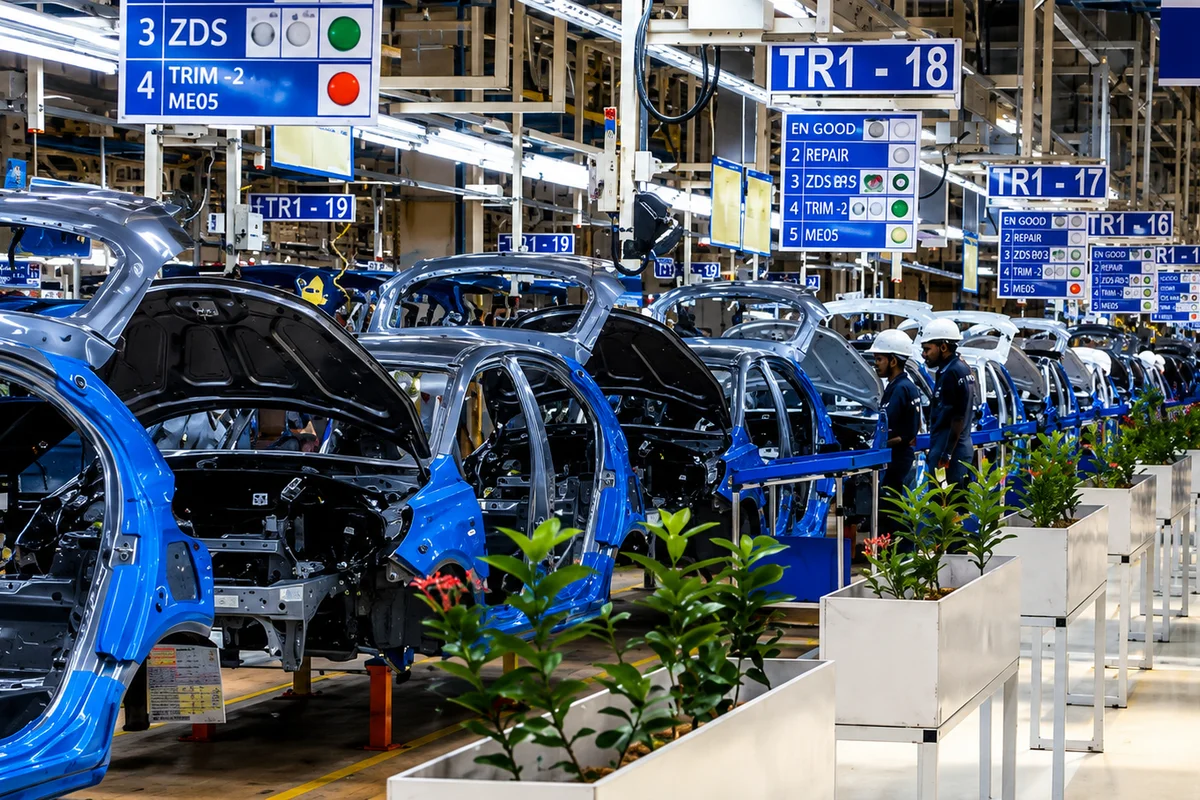
Tata Motors has secured a 70,000-unit order for Indonesia, with deliveries scheduled across FY27 and FY28. The order gives the company a platform to expand its presence in the Indonesian market and introduce additional products as it builds its local portfolio. The development comes as Tata Motors focuses on its new My26 portfolio and heavier payload trucks in its domestic business, while international product launches remain part of its growth strategy. The Indonesian order also points to the company's efforts to deepen its presence across Southeast Asia.
Alongside the overseas order, Tata Motors is dealing with higher input costs, particularly for steel and rubber. The company has implemented a 2.5% price increase from July 1 to help offset the expected commodity cost pressure, while also taking cost actions across its operations. The company said demand for electric vehicles remains strong, although supply constraints have affected availability. Tata Motors expects these EV supply bottlenecks to ease by the end of Q2FY27 after placing additional procurement orders for components and inventory.
Loading chart...
The supplied source does not provide Tata Motors' current share price, market capitalisation, P/E, book value, dividend yield, ROE or ROCE. These figures have therefore not been added. The available stock return data shows that the shares were unchanged over one day, gained 2.31% over five days and 8.18% over one month. The stock declined 6.19% over six months, while the one-year and five-year returns were both reported at 38.73%.
| Period | Stock return |
|---|---|
| 1 Day | 0.00% |
| 5 Days | +2.31% |
| 1 Month | +8.18% |
| 6 Months | -6.19% |
| 1 Year | +38.73% |
| 5 Years | +38.73% |
Tata Motors has secured an order for 70,000 units for Indonesia, with the deliveries planned over FY27 and FY28. The company intends to use the order as a base for developing and introducing additional products in the Indonesian market. The move forms part of its broader international product strategy and could help Tata Motors deepen its presence in Southeast Asia. The source does not provide the value of the order, the specific vehicle models involved or the identity of the customer.
| Strategic focus | Details |
|---|---|
| Order volume | 70,000 units |
| Market | Indonesia |
| Fulfillment period | FY27 and FY28 |
| Strategic objective | Expand local product portfolio |
| Region | Southeast Asia |
Tata Motors expects continued pressure from commodity costs, with steel and rubber identified as major input cost drivers. To manage the impact, the company has taken cost actions and implemented a 2.5% price increase effective July 1. The source does not provide specific margin figures or quantify the expected impact of commodity inflation on profitability. The price increase comes ahead of the FY27 and FY28 period in which the Indonesian order is scheduled to be fulfilled.
Demand for Tata Motors' electric vehicles remains strong, according to the company, but supply constraints have affected vehicle availability. Tata Motors expects these bottlenecks to be resolved by the end of Q2FY27 after increasing procurement orders for required components and inventory. The source does not provide specific EV sales volumes or the financial impact of the current supply constraints.
Tata Motors is focusing on its My26 portfolio and heavier payload trucks as part of its growth plans, while international product launches remain another area of focus. The Indonesian order adds an overseas growth opportunity over FY27 and FY28, with the company planning to use the initial order to support further product development in the market. EV demand is another growth area, although the company needs to address the current supply constraints before availability can improve.
Tata Motors shares have delivered positive returns over several of the periods provided. The stock gained 8.18% over one month and 2.31% over five days, while the one-day return was unchanged. Over six months, the shares declined 6.19%. The stock has gained 38.73% over both one year and five years. These figures represent historical performance and do not indicate how the Indonesia order or other operational developments will affect future returns.
Tata Motors faces continued commodity cost pressure from steel and rubber, which could affect profitability if input costs rise faster than the company can offset them through pricing and cost actions. EV supply constraints are another factor to monitor until the company expects them to ease by the end of Q2FY27. The Indonesian order also carries execution requirements across FY27 and FY28, while the source does not provide enough information to assess the order's financial contribution or margins.
The 70,000-unit Indonesia order gives Tata Motors a significant overseas order pipeline for FY27 and FY28 and supports its plan to expand its product presence in Southeast Asia. The company's 2.5% price increase from July 1 is intended to address higher steel and rubber costs, while increased procurement is expected to improve EV supply availability by the end of Q2FY27. For investors tracking Tata Motors stock, order execution, commodity costs, pricing actions and the resolution of EV supply constraints will remain important factors to monitor. The supplied source does not provide enough financial information to assess the order's effect on revenue, margins or earnings.
Tata Motors has secured a 70,000-unit order for Indonesia, with deliveries planned across FY27 and FY28.
The 70,000 units are scheduled to be delivered during FY27 and FY28.
The order supports Tata Motors' plan to expand its presence in Southeast Asia and provides a base for introducing additional products in the Indonesian market.
Yes. Tata Motors implemented a 2.5% price increase from July 1 to help manage higher input costs, particularly for steel and rubber.
The company expects continued commodity cost pressure, with steel and rubber among the main cost drivers. The price increase is part of its efforts to offset higher input costs.
Tata Motors said EV demand remains strong but supply constraints have affected availability. The company expects these bottlenecks to ease by the end of Q2FY27 after increasing procurement orders for components and inventory.
The company is focusing on its My26 portfolio, heavier payload trucks and international product launches. The Indonesia order is part of its broader international expansion strategy.
Based on the supplied data, Tata Motors shares gained 8.18% over one month, 38.73% over one year and 38.73% over five years. The stock declined 6.19% over six months.
Investors should monitor execution of the Indonesia order, commodity costs, pricing actions and EV supply availability as Tata Motors moves through FY27 and FY28.
Financial journalist specializing in market analysis, stock research, and investment trends. Dedicated to providing accurate, timely insights for informed decision-making.
Credentials: Experienced financial journalist with expertise in equity markets and economic analysis
The information provided in this article is for educational and informational purposes only and should not be construed as financial, investment, or legal advice. welomoney does not provide personalized investment recommendations.
For detailed terms and conditions, please read our Disclaimer and Terms of Service.
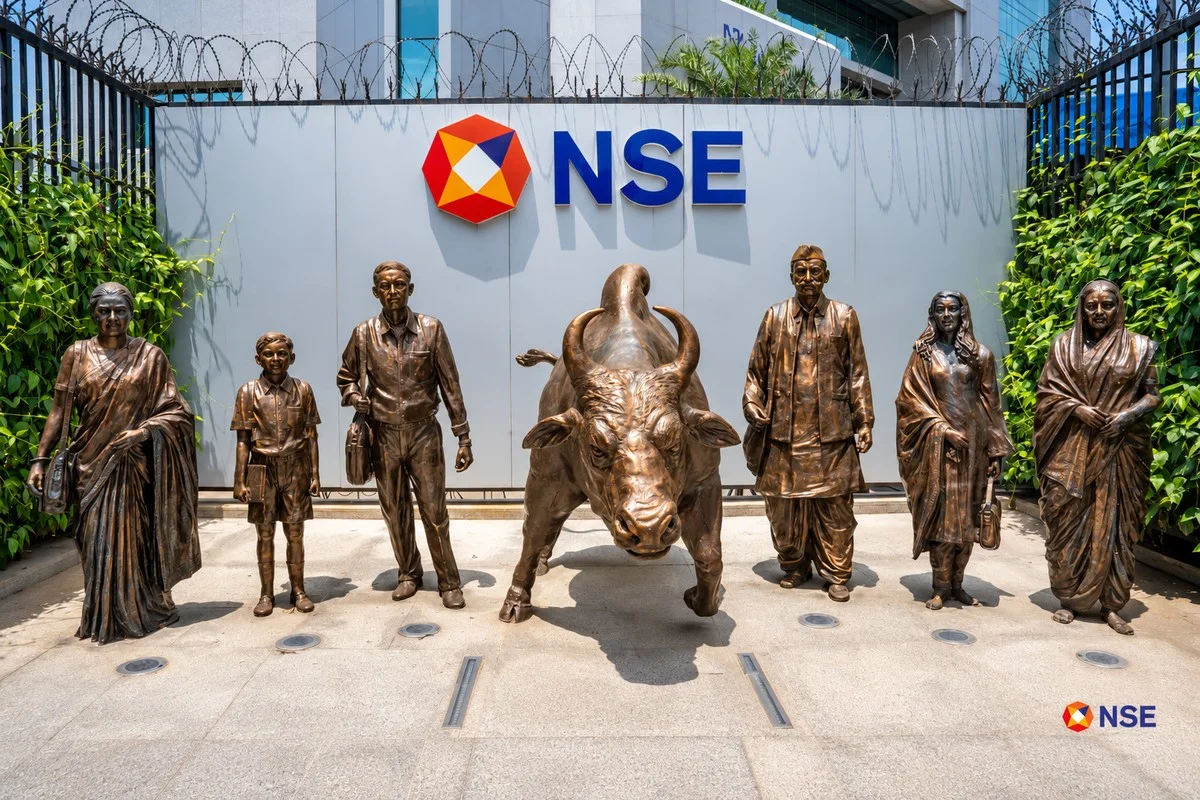
NSE shares fell after listing at Rs 1,800, dropping to 12th by market value. Experts identify Rs 1,760 support and Rs 1,795 resistance.
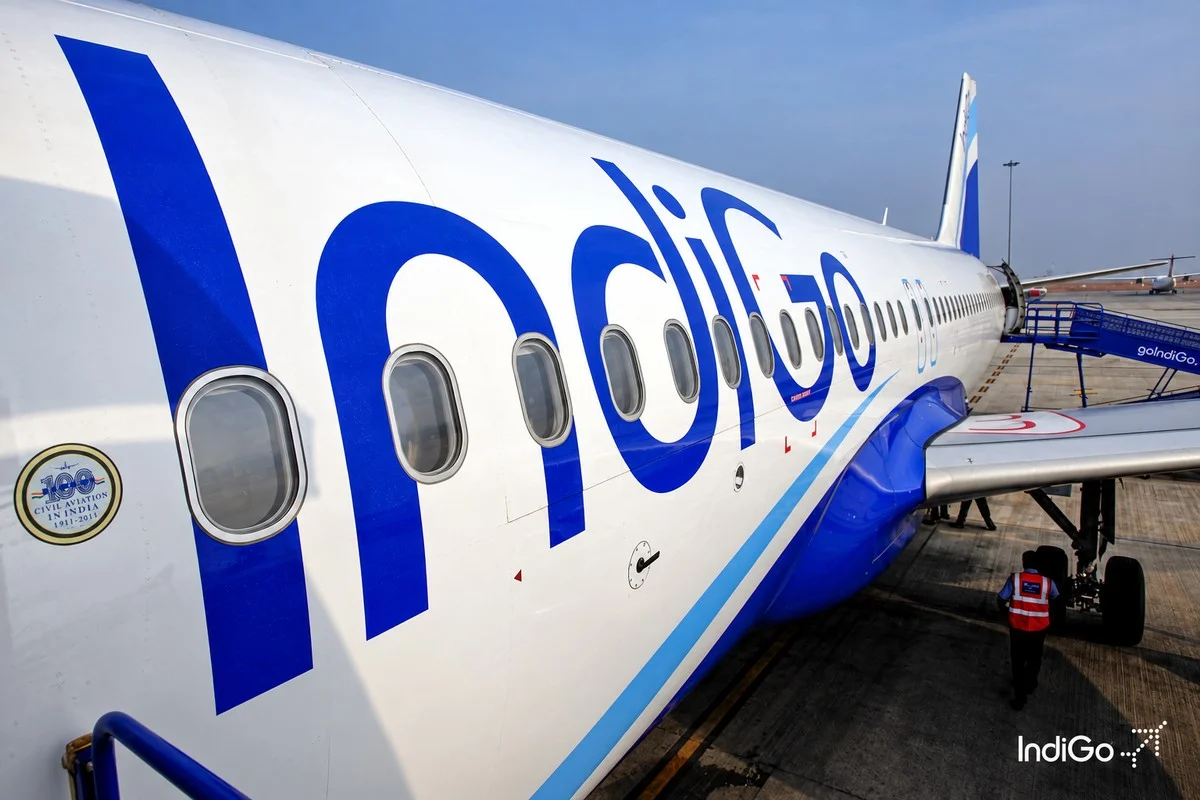
Goldman Sachs retains its Buy rating on IndiGo with a Rs 5,900 target, citing international growth, cost leadership and better FY28 profitability.
Kirloskar Oil Engines posted 16% Q1 FY27 revenue growth, while margins missed estimates. Motilal Oswal cut earnings estimates and raised its target...

Landmark Cars shares rose 12% to Rs 535.80 after adding BYD and M&M outlets, taking its network to 143 locations, with EV sales at 30% of Q1FY27 new...

Tata Motors’ subsidiary acquired 26,000 shares in Mateshwari E-Smart Mobility for ₹2.6 lakh.