Loading market data...
Wed, 21 Oct 2026
10:07:08 pm
Wed, 21 Oct 2026
10:07:08 pm

Rudransh Sangwan
Published at: July 23, 2026, 9:29 AM
Synopsis
Hyundai Motor reported a 21% decline in Q2 2026 operating profit, missing analyst estimates due to weaker vehicle sales, production disruptions, and rising costs. The company continues investing in robotics, AI, and software-defined vehicles for long-term growth.
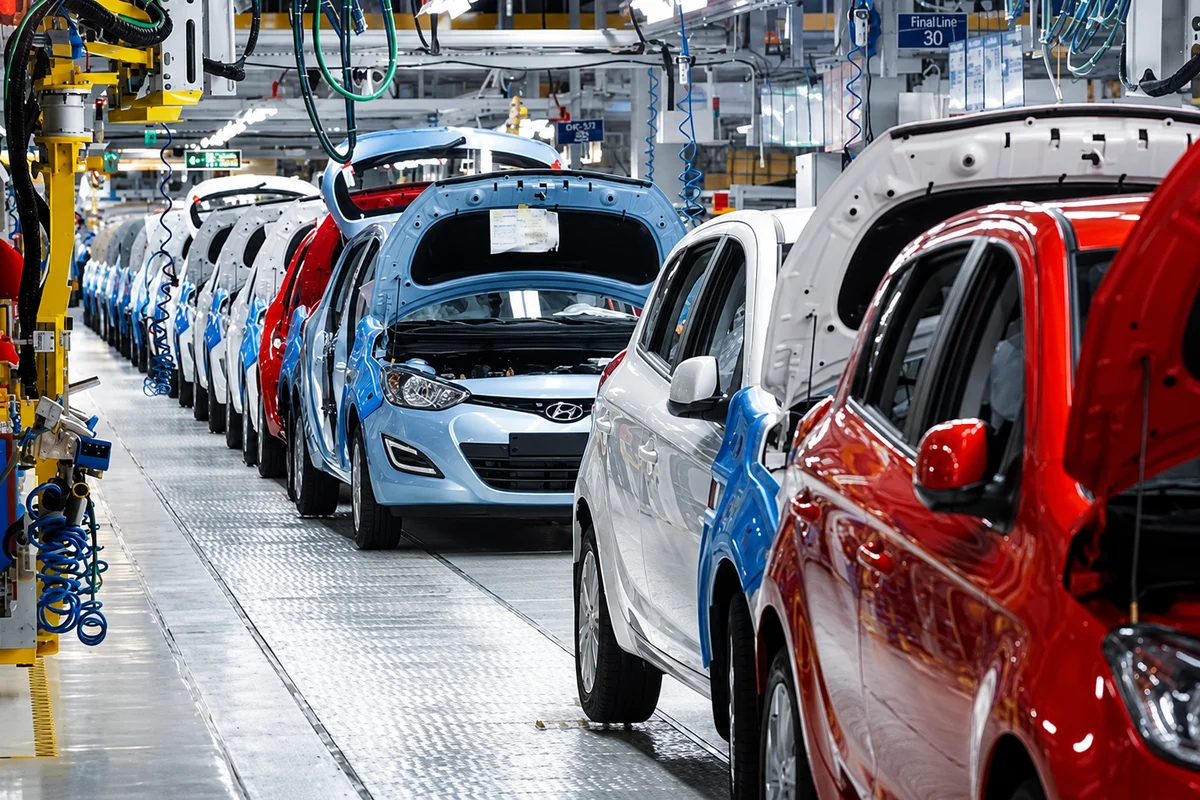
A leading global automobile manufacturer reported weaker than expected quarterly earnings after profitability declined sharply due to softer vehicle demand, production disruptions and higher operating costs. Despite the earnings miss, the company's shares gained around 2% as investors looked beyond the short term challenges and focused on its aggressive investments in artificial intelligence, robotics and autonomous mobility technologies.
The latest results highlight the growing pressures facing the global automobile industry as manufacturers continue to navigate slowing demand, rising raw material prices, geopolitical disruptions, supply chain challenges and increasing competition across the electric vehicle market. While margins remained under pressure during the quarter, revenue continued to grow, reflecting resilient demand across several international markets.
Management also reaffirmed its long term strategy of expanding investments in artificial intelligence, robotics, software defined vehicles, autonomous driving technologies and smart manufacturing, signalling confidence that next generation mobility solutions will become key growth drivers over the coming years.
Loading chart...
The company reported operating profit of 2.9 trillion won, representing a 21% year on year decline and falling below analysts' expectations of 3.2 trillion won. Despite the earnings miss, revenue increased 2% year on year to 49.2 trillion won, supported by continued vehicle sales across key international markets.
The weaker profitability primarily reflected slower vehicle demand, production disruptions caused by supplier issues, higher raw material and energy costs, increased logistics expenses and greater sales incentives offered to maintain market share. Although these factors weighed on margins during the quarter, investors remained optimistic about the company's long term technology strategy, helping the stock gain around 2% after the results.
| Metric | Q2 2026 | Performance |
|---|---|---|
| Operating Profit | 2.9 Trillion Won | Down 21% |
| Revenue | 49.2 Trillion Won | Up 2% |
| Analyst Estimate | 3.2 Trillion Won | Missed |
| Share Price Reaction | Around 2% | Higher After Results |
The decline in profitability was driven by several operational and industry wide challenges during the quarter. Softer global vehicle sales reduced operating leverage, while a supplier fire disrupted production schedules and increased manufacturing costs.
Higher prices for raw materials and energy further compressed margins, while geopolitical tensions and changes in global trade policies created additional supply chain and logistics challenges. The company also increased customer incentives across several markets to support sales, adding further pressure on profitability.
| Reason | Impact |
|---|---|
| Weak Vehicle Sales | Lower Earnings |
| Supplier Fire | Production Disruptions |
| Higher Raw Material Costs | Margin Pressure |
| Higher Energy Costs | Increased Expenses |
| Logistics Challenges | Supply Chain Disruptions |
| Higher Sales Incentives | Lower Profitability |
Vehicle demand remained uneven across the company's largest international markets during the quarter. Domestic sales in South Korea declined 16% year on year, while demand in the United States remained broadly stable despite ongoing uncertainty surrounding electric vehicle adoption.
In Europe, the company relied on higher customer incentives to support demand as competition intensified across both conventional and electric vehicle segments. Management also cautioned that macroeconomic uncertainty and pricing competition are likely to remain significant challenges over the coming quarters.
The company's electric vehicle business also experienced a challenging quarter. Electric vehicles accounted for only 4% of total US sales, compared with 10.2% during the corresponding period last year, largely following the expiration of federal EV subsidies and intensifying competition across the sector.
According to Hyundai's broader EV strategy, increasing competition from global manufacturers continues to reshape the electric vehicle market. Companies including Tesla have expanded advanced autonomous driving capabilities, while BYD has continued gaining market share across international markets, increasing competitive pressure for established automakers.
Despite near term earnings pressure, management reiterated its commitment to investing heavily in next generation mobility technologies. The company's long term strategy continues to focus on artificial intelligence, robotics, software defined vehicles, autonomous driving systems and intelligent manufacturing technologies.
Earlier this month, Hyundai Motor Group announced plans to acquire full ownership of Boston Dynamics, strengthening its position in industrial robotics and automation. The company also plans to deploy Atlas humanoid robots at its Georgia manufacturing facility beginning in 2028, supporting its vision of AI powered manufacturing.
Management expects global economic uncertainty, inflationary pressures, supply chain disruptions and intense competition within the electric vehicle market to remain key challenges throughout 2026. However, continued investment in AI powered mobility solutions, robotics, autonomous driving and software defined vehicles is expected to strengthen the company's competitive position over the long term.
Future performance will depend on improvements in vehicle demand, stabilisation of supply chains, recovery in EV adoption and successful commercialisation of its advanced mobility technologies.
Hyundai Motor Co. reported Q2 2026 operating profit of 2.9 trillion won, down 21% year on year, while revenue increased 2% to 49.2 trillion won despite challenging market conditions. The earnings were impacted by weaker vehicle sales, production disruptions, higher operating costs and increasing competition across the electric vehicle industry.
Despite the near term pressure on earnings, Hyundai continues investing aggressively in artificial intelligence, robotics, autonomous driving technologies and software defined vehicles through initiatives including Boston Dynamics and future deployment of humanoid robots in manufacturing. Investors will closely monitor margin recovery, EV demand, AI execution and the company's ability to convert these long term investments into sustainable growth.
Operating profit declined because of weaker vehicle demand, supplier related production disruptions, higher raw material and energy costs, logistics challenges and increased customer incentives.
Operating profit declined 21% year on year to 2.9 trillion won.
Yes. Analysts had expected operating profit of around 3.2 trillion won, making the reported earnings lower than market forecasts.
Electric vehicle demand declined following the removal of US federal EV subsidies and increasing competition from global EV manufacturers.
The company continues investing in artificial intelligence, robotics, software defined vehicles, autonomous driving technologies and advanced manufacturing automation to support long term growth.
Financial journalist specializing in market analysis, stock research, and investment trends. Dedicated to providing accurate, timely insights for informed decision-making.
Credentials: Experienced financial journalist with expertise in equity markets and economic analysis
The information provided in this article is for educational and informational purposes only and should not be construed as financial, investment, or legal advice. welomoney does not provide personalized investment recommendations.
For detailed terms and conditions, please read our Disclaimer and Terms of Service.

eMudhra share price fell 20% to Rs 432 after concerns over weak TLS certificate keys. See the browser trust actions and company's response.
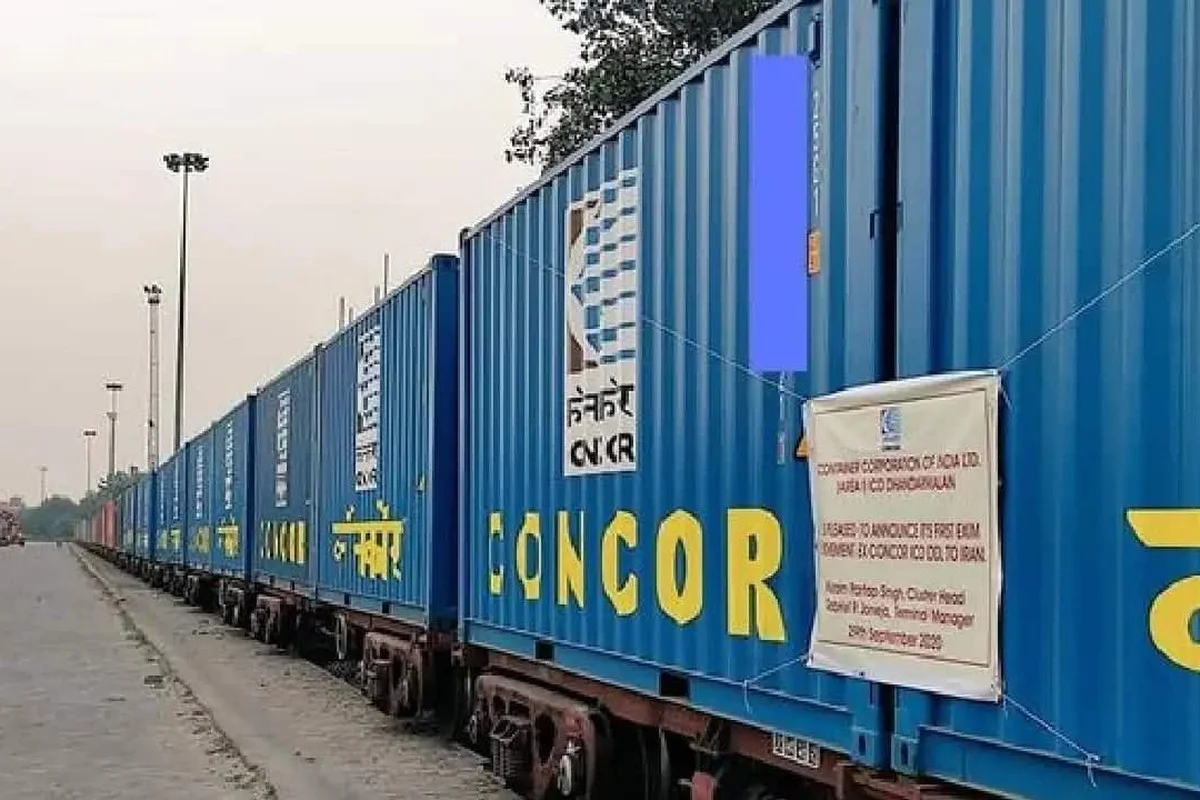
CONCOR volumes rose 0.53% to 14.48 lakh TEUs in the September 2026 quarter. See EXIM and domestic volume trends and year to date growth.

eMudhra shares plunged 20% to Rs 432 after eight intermediate certificate keys were compromised.
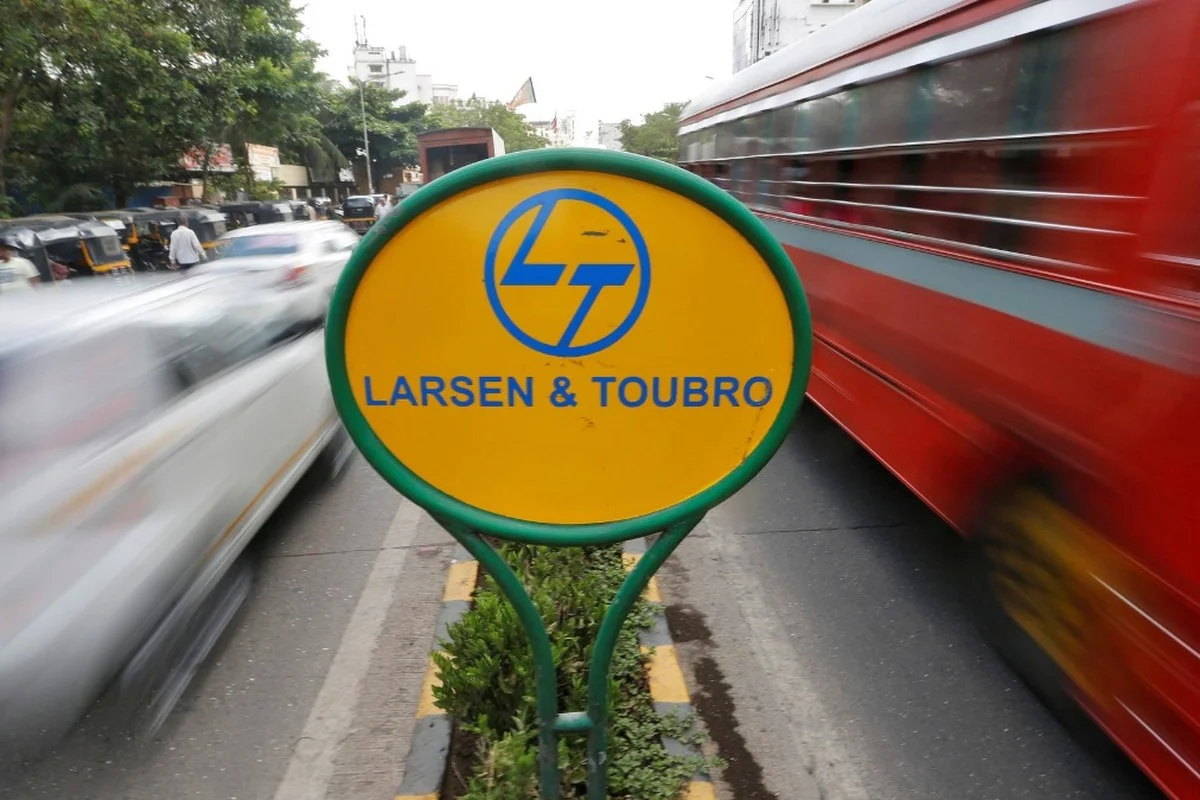
L&T won two government building orders worth Rs 2,500 crore to Rs 5,000 crore in Delhi and Amaravati. Both projects involve major office complexes.
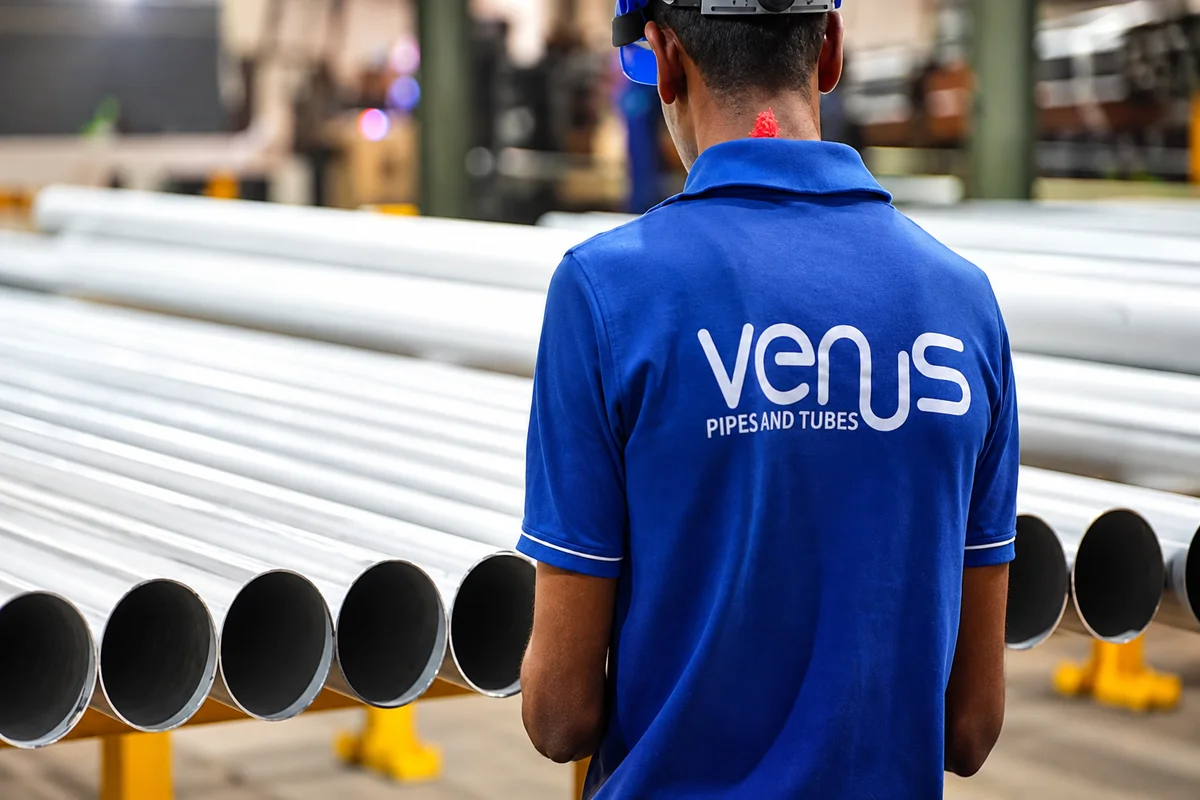
Venus Pipes & Tubes begins operations at its spooling facility two months early and secures a ₹185 crore data centre LOI.