Loading market data...
Tue, 29 Sept 2026
11:38:30 pm
Tue, 29 Sept 2026
11:38:30 pm

Rudransh Sangwan
Published at: May 8, 2026, 1:00 PM
Synopsis
Hyundai Motor India reported a 23% drop in Q4 FY26 profit to ₹1,221 crore despite record domestic sales and 5% revenue growth. The company declared a ₹21 dividend and announced major EV and capacity expansion plans.
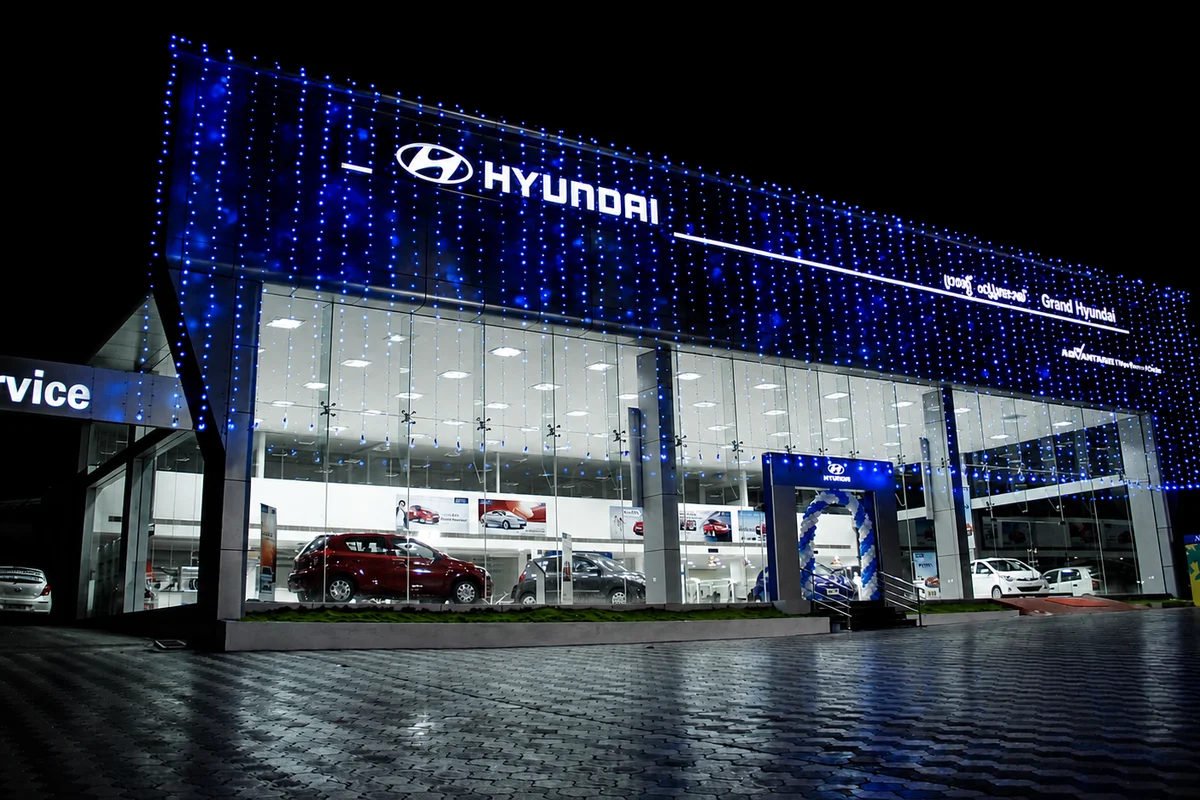
Hyundai Motor India reported a mixed set of Q4 FY26 results as the company posted a sharp decline in profitability despite recording strong sales growth and steady revenue expansion. The automaker announced a 23% year-on-year drop in standalone net profit to ₹1,221 crore for the March 2026 quarter, while also declaring a dividend of ₹21 per share for FY26.
Although profitability remained under pressure due to margin contraction and rising operational costs, Hyundai continued to strengthen its long-term growth strategy through manufacturing expansion, new product launches, and export growth.
| Metric | Q4 FY26 | Q4 FY25 | YoY Change |
|---|---|---|---|
| Net Profit | ₹1,221 crore | ₹1,582 crore | -23% |
| Revenue from Operations | ₹18,452 crore | ₹17,562 crore | +5% |
| EBITDA | ₹1,966 crore | ₹2,533 crore | -22% |
| EBITDA Margin | 10.4% | 14.1% | Down 370 bps |
| Dividend | ₹21/share | — | Declared |
The company’s revenue growth remained healthy, but profitability weakened because of lower margins and higher operating costs.
Hyundai’s earnings pressure was largely driven by shrinking operating margins.
While sales volumes improved significantly, the company could not fully offset rising costs through pricing alone.
Despite weaker profitability, Hyundai achieved its highest-ever quarterly domestic sales performance during Q4 FY26.
The company benefited from:
| Segment | Growth |
|---|---|
| Domestic Wholesale Volumes | +8.7% YoY |
| Export Volumes (Q4) | +9% YoY |
| Full-Year Export Growth | +16.4% YoY |
| Rural Penetration | 25% |
| CNG Contribution | 18% |
Hyundai said India continues to play a critical role as a manufacturing and export hub for emerging global markets.
One of the biggest concerns for investors was Hyundai’s sharp EBITDA margin contraction.
| Period | EBITDA Margin |
|---|---|
| Q4 FY25 | 14.1% |
| Q3 FY26 | 11.2% |
| Q4 FY26 | 10.4% |
The steady decline in margins indicates that cost pressures remain elevated across the automobile sector.
Analysts believe increasing competition in the SUV and EV segments is also impacting pricing power.
For the entire financial year FY26, Hyundai reported moderate revenue growth but softer profitability.
| Metric | FY26 | FY25 | YoY Change |
|---|---|---|---|
| Revenue | ₹70,763 crore | ₹69,193 crore | +2% |
| EBITDA | ₹8,598 crore | ₹8,954 crore | -4% |
| EBITDA Margin | 12.2% | 12.9% | Down |
| Net Profit | ₹5,431 crore | ₹5,640 crore | -4% |
While FY26 profitability declined slightly, the company continued investing heavily in future growth opportunities.
Hyundai outlined aggressive expansion plans for FY27, signaling confidence in India’s long-term automobile demand story.
The company plans to increase Pune plant capacity by 70,000 units under Phase II.
| Timeline | Annual Capacity |
|---|---|
| Current Capacity | Around 1 million units |
| Target by 2030 | 1.14 million units |
The expansion highlights Hyundai’s long-term focus on EVs, SUVs, exports, and domestic market leadership.
Hyundai’s upcoming localized compact electric SUV could become a major growth driver in India’s rapidly expanding EV market.
The company is focusing on:
Industry experts believe Hyundai’s EV strategy will be critical to maintaining market share against increasing competition from Tata Motors, Mahindra, Maruti Suzuki, and global EV entrants.
Hyundai Motor India MD & CEO Tarun Garg said April domestic sales have already grown 17% year-on-year, indicating strong momentum entering FY27.
Management expects:
The company remains optimistic about India’s automobile demand despite near-term margin pressure.
Investors and analysts are closely monitoring:
The success of Hyundai’s upcoming EV launches could become a major long-term catalyst for the stock.
Hyundai Motor India delivered strong revenue growth and record domestic sales in Q4 FY26, but profitability came under pressure due to rising costs and margin compression.
Despite the earnings decline, the company continues to invest aggressively in future growth through manufacturing expansion, EV launches, export growth, and product diversification.
With India’s automobile market evolving rapidly toward SUVs, CNG vehicles, and electric mobility, Hyundai is positioning itself for long-term competitiveness even as short-term profitability remains under pressure.
Hyundai reported a standalone net profit of ₹1,221 crore in Q4 FY26, down 23% year-on-year.
Yes, Hyundai Motor India declared a dividend of ₹21 per share for FY26.
Profit declined mainly because of rising costs, margin contraction, higher operational expenses, and competitive pricing pressure.
Hyundai plans to launch two new models in FY27, including a mid-size SUV and a localized electric compact SUV.
Hyundai expects 8–10% domestic and export volume growth in FY27 while expanding manufacturing capacity and strengthening its EV portfolio.
Financial journalist specializing in market analysis, stock research, and investment trends. Dedicated to providing accurate, timely insights for informed decision-making.
Credentials: Experienced financial journalist with expertise in equity markets and economic analysis
The information provided in this article is for educational and informational purposes only and should not be construed as financial, investment, or legal advice. welomoney does not provide personalized investment recommendations.
For detailed terms and conditions, please read our Disclaimer and Terms of Service.
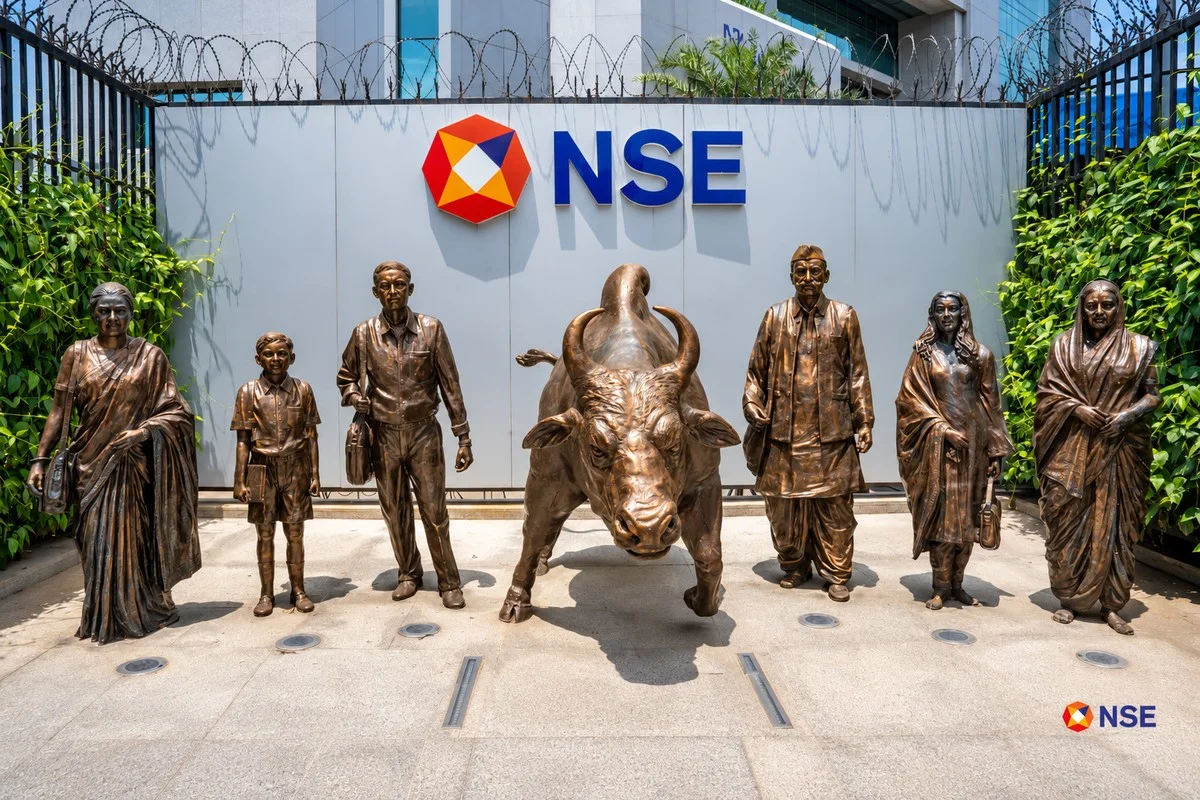
NSE shares fell after listing at Rs 1,800, dropping to 12th by market value. Experts identify Rs 1,760 support and Rs 1,795 resistance.
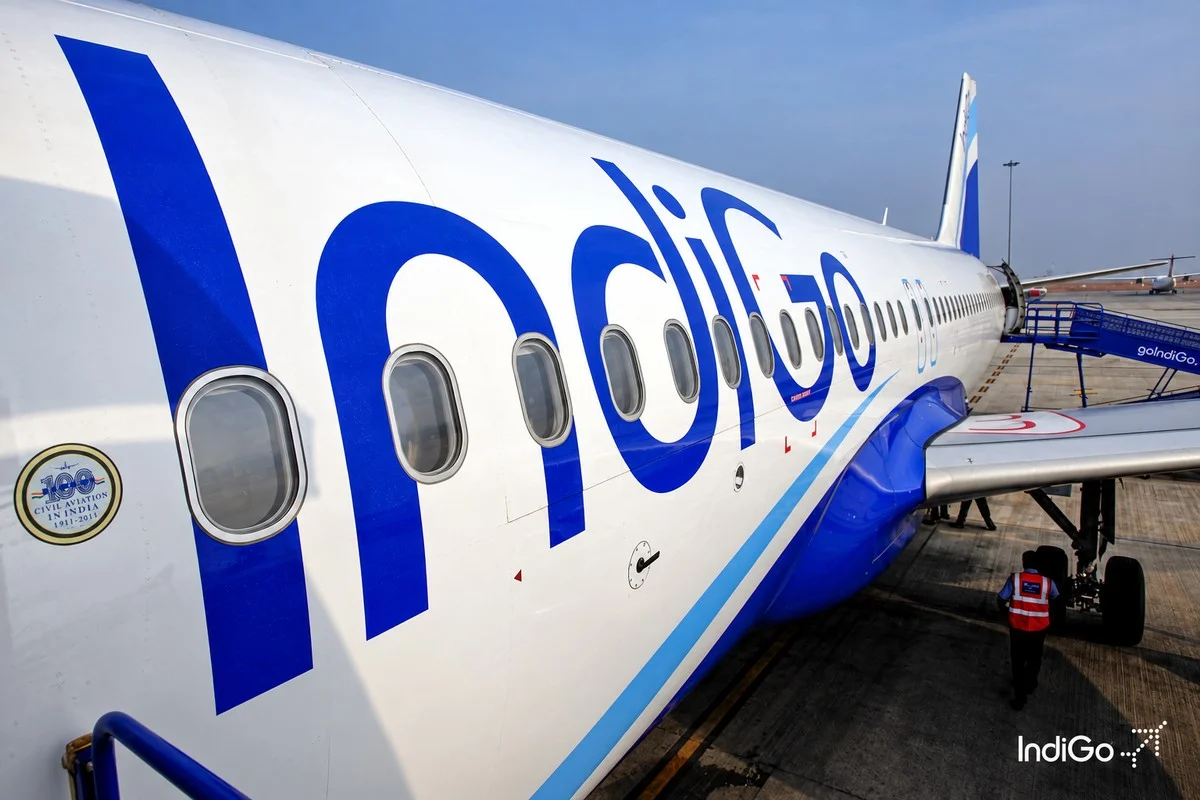
Goldman Sachs retains its Buy rating on IndiGo with a Rs 5,900 target, citing international growth, cost leadership and better FY28 profitability.
Kirloskar Oil Engines posted 16% Q1 FY27 revenue growth, while margins missed estimates. Motilal Oswal cut earnings estimates and raised its target...
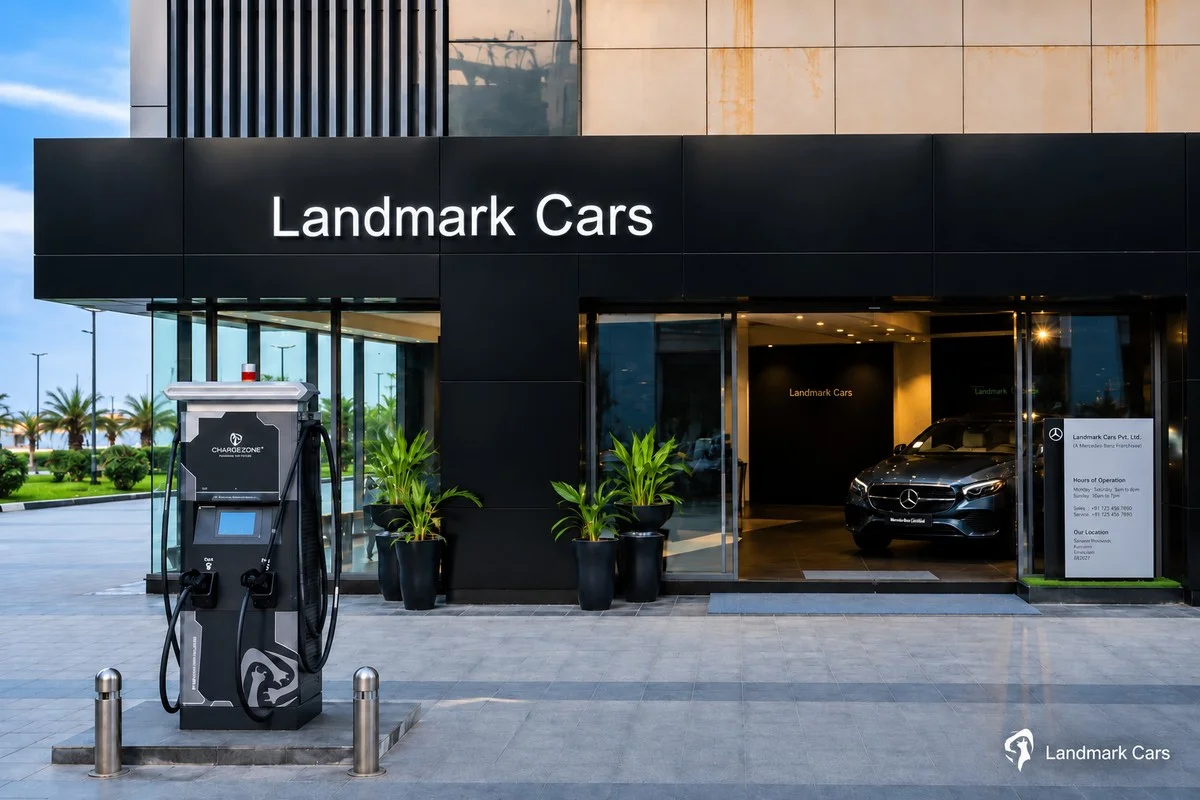
Landmark Cars shares rose 12% to Rs 535.80 after adding BYD and M&M outlets, taking its network to 143 locations, with EV sales at 30% of Q1FY27 new...

Tata Motors’ subsidiary acquired 26,000 shares in Mateshwari E-Smart Mobility for ₹2.6 lakh.