Loading market data...
Tue, 28 Jul 2026
11:14:38 pm
Tue, 28 Jul 2026
11:14:38 pm

Rudransh Sangwan
Published at: April 29, 2026, 3:39 AM
Synopsis
Reliance Industries became India’s first $10 billion profit company with ₹95,610 crore FY26 earnings, driven by its diversified business model spanning oil-to-chemicals, Jio digital services, and Reliance Retail, positioning it as the most dominant and scalable conglomerate in India.

India’s corporate landscape has reached a historic milestone with Reliance Industries becoming the first Indian company to cross $10 billion in annual profit. This achievement is not just about scale but reflects a strategic transformation from a traditional energy business into a diversified consumer and technology powerhouse.
Reliance Industries reported a net profit of ₹95,610 crore in FY26, which translates to approximately $10.1 billion, setting a new benchmark in Indian corporate history.
Loading chart...
| Metric | Value |
|---|---|
| Net Profit (FY26) | ₹95,610 crore |
| USD Equivalent | ~$10.1 billion |
| Growth (YoY) | Strong double-digit |
| Market Cap | ₹18 lakh crore+ |
This milestone places Reliance ahead of all Indian peers and highlights its unmatched scale.
Key Takeaways
Reliance’s success is not driven by a single business but by a multi-engine growth model combining energy, telecom, and retail.
The company has systematically reduced dependence on cyclical oil revenues while building strong consumer-facing businesses that generate consistent cash flows.
Key Takeaways
The traditional backbone of Reliance remains its oil-to-chemicals segment, which includes refining and petrochemicals. Despite margin pressures, this segment continues to generate massive cash flows.
This cash generation supports investments in newer high-growth segments.
Key Takeaways
Jio Platforms has become a key driver of earnings growth, benefiting from India’s rapid digital adoption.
With hundreds of millions of users, Jio continues to expand into 5G, digital services, and enterprise solutions, creating a scalable and high-margin business.
Key Takeaways
Reliance Retail has emerged as India’s largest retail network, crossing 20,000 stores nationwide.
The retail business benefits from scale, supply chain efficiency, and increasing consumer demand across categories.
Key Takeaways
Reliance’s profit is not only historic but also surpasses the combined profits of major IT companies like Tata Consultancy Services, Infosys, and HCLTech.
This highlights the scale advantage and diversified earnings model that Reliance has built over the years.
| Company Group | Profit Comparison |
|---|---|
| Reliance Industries | Higher |
| TCS + Infosys + HCLTech | Lower combined |
Key Takeaways
Reliance’s journey to $10 billion profit is backed by structural growth drivers across sectors.
Strong domestic consumption, digital transformation, and infrastructure expansion have all contributed to its growth trajectory. Additionally, strategic investments and acquisitions have strengthened its ecosystem.
Key Takeaways
Despite strong performance, Reliance faces certain risks including global oil price volatility, competitive pressure in telecom and retail, and regulatory challenges.
However, its diversified structure helps mitigate these risks effectively.
Key Takeaways
Reliance Industries’ $10 billion profit milestone is not just a financial achievement but a reflection of its successful transformation into a multi-sector powerhouse. By combining traditional energy strength with modern consumer and digital businesses, Reliance has created a scalable and resilient growth model.
This milestone signals the arrival of Indian conglomerates on a global scale, with Reliance leading the way.
Reliance achieved this through a diversified business model combining oil, telecom, and retail, supported by strong cash flows and growing consumer businesses.
The oil-to-chemicals segment remains the largest contributor, but Jio and retail are rapidly increasing their share.
Reliance’s profit exceeds the combined profits of major IT companies like TCS, Infosys, and HCLTech, highlighting its scale.
Yes, due to its diversified model, strong market position, and continued investments in digital and consumer sectors.
Key drivers include 5G expansion, retail growth, digital services, and infrastructure development in India.
Financial journalist specializing in market analysis, stock research, and investment trends. Dedicated to providing accurate, timely insights for informed decision-making.
Credentials: Experienced financial journalist with expertise in equity markets and economic analysis
The information provided in this article is for educational and informational purposes only and should not be construed as financial, investment, or legal advice. welomoney does not provide personalized investment recommendations.
For detailed terms and conditions, please read our Disclaimer and Terms of Service.
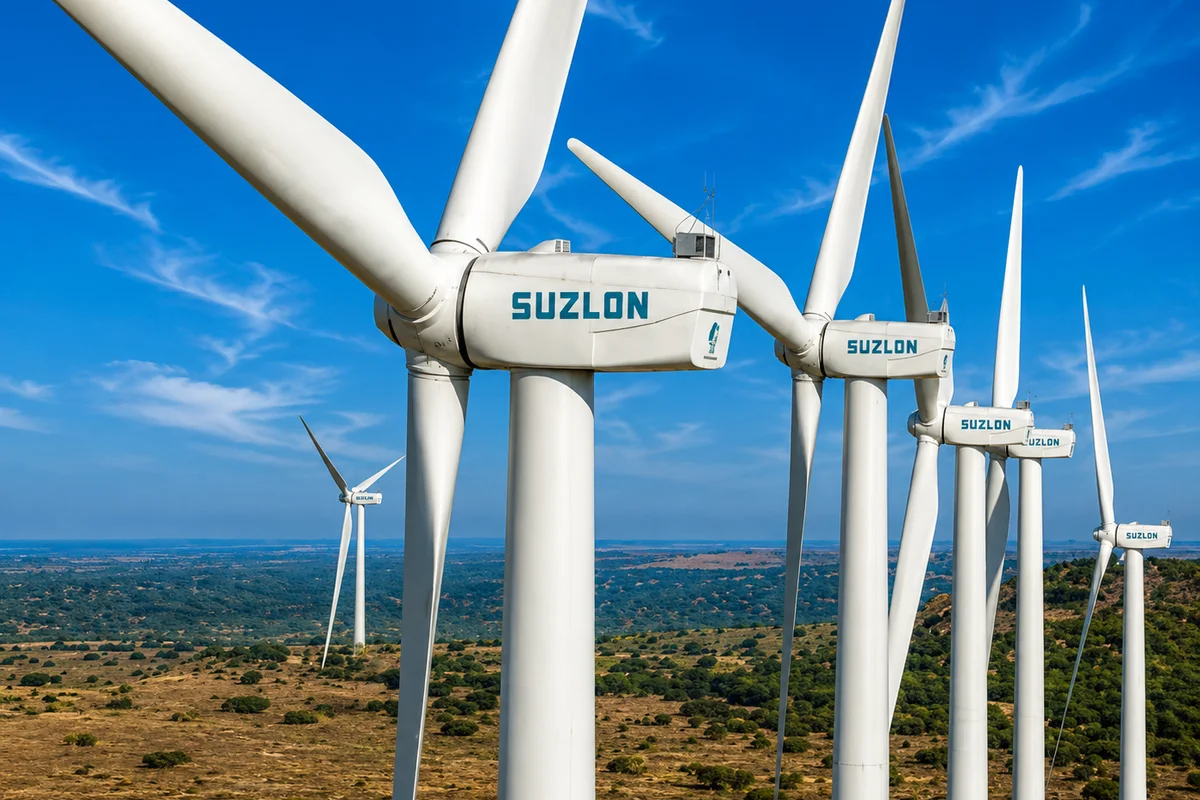
A leading renewable energy stock fell over 6% after reporting Q1 FY27 results. Despite 22.3% revenue growth, lower profit and shrinking operating...

A leading Indian airline's parent company has appointed Kiran Thadimarri as its new Chief Financial Officer, while former CFO Gaurav Negi moves into...
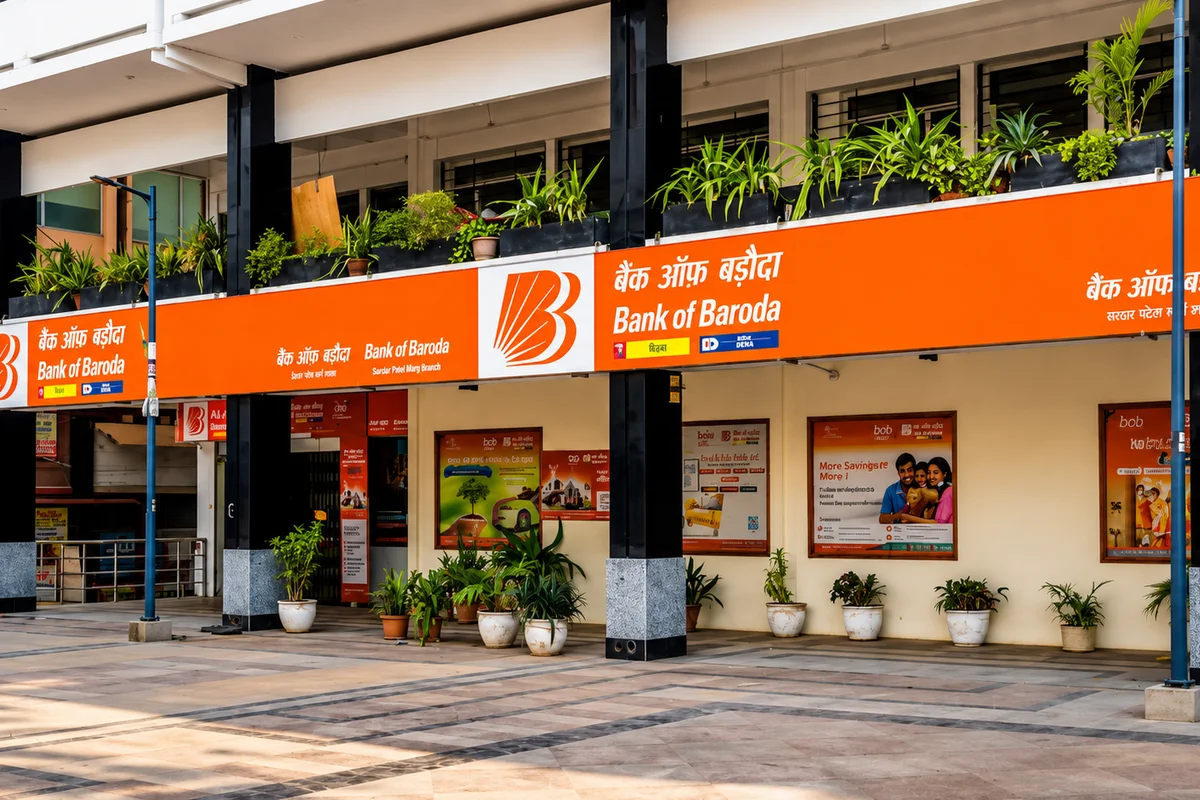
A leading PSU bank's shares slipped after a global brokerage cut its target price to ₹280 following a softer Q1 performance.
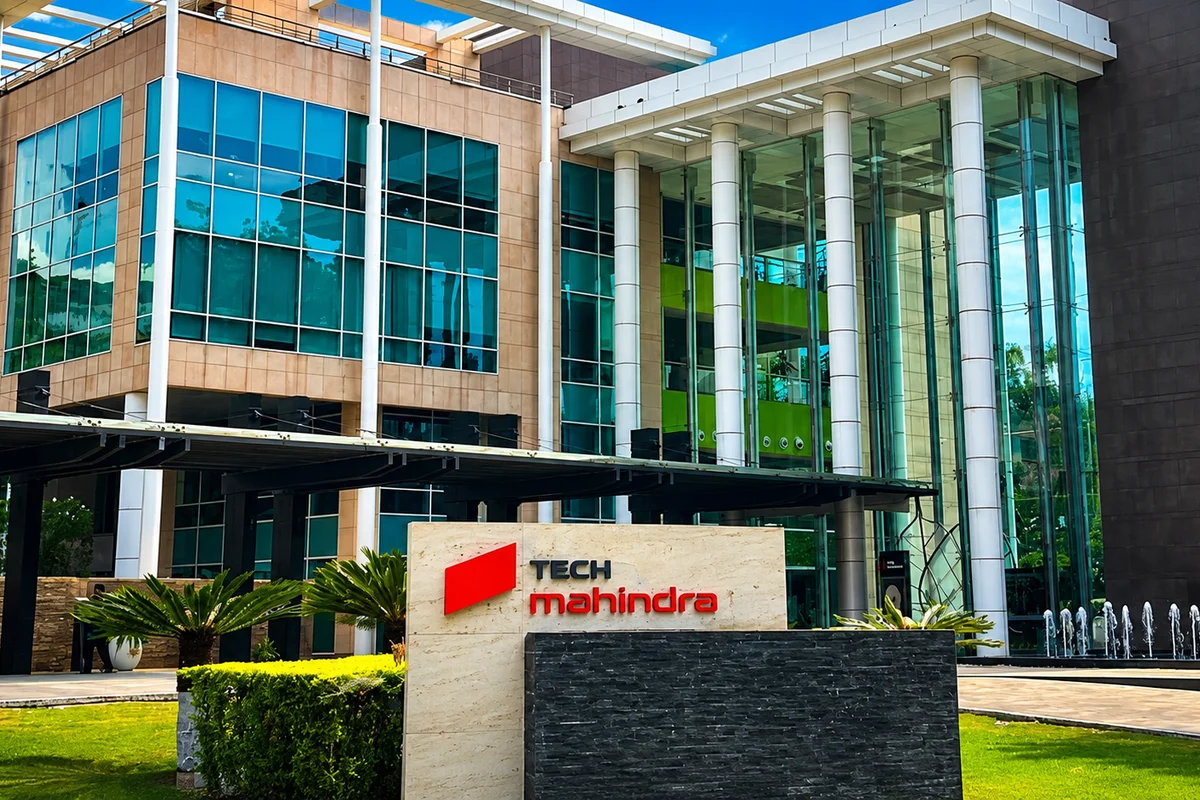
A leading Indian IT stock surged over 3% after reporting US$1.66 billion revenue, 14.4% EBIT margin, and US$1.078 billion in deal wins.

A leading PSU mining stock fell nearly 4% after reporting ₹8,850 crore Q1 profit, a 9% drop in EBITDA and margin pressure despite announcing a ₹5.