Loading market data...
Tue, 28 Jul 2026
11:18:01 am
Tue, 28 Jul 2026
11:18:01 am

Rudransh Sangwan
Published at: April 25, 2026, 3:13 PM
Synopsis
Reliance Industries crosses $10 billion annual profit in FY26. Deep analysis of RIL’s business segments, growth drivers, risks, and what it means for Indian markets.

The milestone achieved by Reliance Industries is not just about record earnings, but about a structural shift in how Indian conglomerates generate profits. Crossing $10 billion in annual profit places Reliance in a league historically dominated by global energy, tech, and consumer giants. The real story lies beneath the headline number, where a diversified business model, spanning energy, telecom, and retail, is reshaping the profit architecture of India Inc.
Reliance reported a net profit of ₹95,610 crore in FY26, marking an 18 percent year-on-year increase. Revenue crossed ₹11.75 lakh crore, while EBITDA rose to over ₹2.07 lakh crore, reflecting strong operating leverage.
Loading chart...
| Metric | FY26 Value | YoY Growth |
|---|---|---|
| Net Profit | ₹95,610 crore | 18% |
| Revenue | ₹11.75 lakh crore | 9.8% |
| EBITDA | ₹2.07 lakh crore | 13.4% |
| Q4 Profit | ₹16,971 crore | Decline |
The quarterly dip in profits highlights an important nuance. While the overall business is expanding, certain legacy segments like oil to chemicals continue to face margin pressure. However, the diversified structure ensures that weakness in one segment does not derail overall profitability.
Data suggests diversified earnings streams This leads to stability across economic cycles Which results in consistent long-term profit growth
The oil to chemicals segment remains a significant contributor to revenue, though its growth has moderated. Global crude volatility, refining margin pressure, and higher input costs impacted profitability during the quarter.
Despite short-term pressure, this segment provides strong cash flows that fund expansion in high-growth verticals. Historically, energy businesses have been cyclical, and Reliance is gradually reducing dependence on this segment.
Jio continues to be one of the strongest drivers of incremental profit growth. With expanding subscriber base, rising data consumption, and increasing monetisation through digital services, the telecom business is transitioning into a technology platform.
Key drivers include
• Higher ARPU driven by tariff adjustments
• Growth in digital ecosystem including apps and enterprise services
• Expansion into 5G infrastructure
Jio’s contribution is critical because it brings high-margin, scalable revenue compared to traditional energy businesses.
Reliance Retail has crossed 20,000 stores, making it one of the largest retail networks in India. The segment is benefiting from rising consumption, organised retail penetration, and strong supply chain integration.
Retail offers
• High growth visibility
• Strong cash flow generation
• Direct exposure to India’s consumption story
This shift toward consumer businesses is a major reason why Reliance’s earnings quality is improving over time.
| Company | FY26 Profit (₹ crore) | Approx USD Billion | Sector |
|---|---|---|---|
| Reliance Industries | 95,610 | 10.15 | Diversified |
| HDFC Bank | 76,026 | 8.07 | Banking |
| State Bank of India | ~83,700 (est.) | ~8.9 | Banking |
| Tata Consultancy Services | 49,454 | 5.25 | IT |
This comparison shows that Reliance’s scale advantage is not just incremental but structural. Unlike banks or IT companies that rely on single-sector growth, Reliance benefits from multiple high-growth verticals simultaneously.
One of the less obvious factors is how the market is gradually re-rating Reliance from an energy company to a consumer and technology-driven platform.
Higher contribution from retail and digital businesses leads to
• Better valuation multiples
• Reduced earnings volatility
• Stronger long-term growth visibility
This transition is similar to global conglomerates that have successfully shifted from cyclical industries to high-margin consumer and tech ecosystems.
Many investors still evaluate Reliance primarily based on its refining and petrochemical business. This approach misses the bigger picture.
The real earnings growth is now coming from Jio and retail, not from oil. Ignoring this shift can lead to incorrect valuation assumptions and missed long-term opportunities.
Another misconception is that a record profit automatically signals peak performance. In reality, Reliance is still in an expansion phase, especially in digital and retail segments.
Despite strong annual performance, the stock has seen corrections in 2026. This creates a divergence between earnings growth and stock price movement.
This suggests that markets are currently pricing in short-term uncertainties such as
• Oil margin volatility
• Global macro risks
• Capex intensity
However, these factors may not significantly impact long-term value creation, especially if consumer businesses continue to scale.
Several forward-looking triggers will define Reliance’s trajectory
• Expansion of 5G and digital services through Jio
• Scaling of retail network and e-commerce integration
• Investments in green energy and new materials
• Continued shift toward high-margin businesses
If execution remains strong, Reliance could move beyond $10 billion profit and enter a phase where consumer and digital segments dominate earnings.
Investors should approach Reliance as a long-term structural story rather than a short-term trade.
Key considerations include
• Track segment-wise profit contribution trends
• Monitor ARPU growth in telecom business
• Evaluate retail expansion efficiency
• Watch capital allocation toward new energy
Accumulating during corrections may provide better entry points, especially if long-term growth drivers remain intact.
Reliance Industries crossing the $10 billion profit mark is not just a financial milestone but a signal that India’s corporate landscape is evolving. The company is transitioning from a traditional energy giant into a diversified platform spanning technology, retail, and infrastructure. This shift, if sustained, could redefine valuation benchmarks for Indian companies and position Reliance among the most influential global business groups in the coming decade.
It marks the first time an Indian company has reached this level of profitability, placing it alongside global corporate leaders and reflecting the scale and diversification of its business model.
While oil to chemicals remains important, the fastest growth is coming from Jio Platforms and Reliance Retail, which offer higher margins and long-term scalability.
Sustainability depends on execution in digital, retail, and new energy segments. If these businesses continue expanding, profit growth could remain strong despite volatility in legacy energy operations.
Financial journalist specializing in market analysis, stock research, and investment trends. Dedicated to providing accurate, timely insights for informed decision-making.
Credentials: Experienced financial journalist with expertise in equity markets and economic analysis
The information provided in this article is for educational and informational purposes only and should not be construed as financial, investment, or legal advice. welomoney does not provide personalized investment recommendations.
For detailed terms and conditions, please read our Disclaimer and Terms of Service.
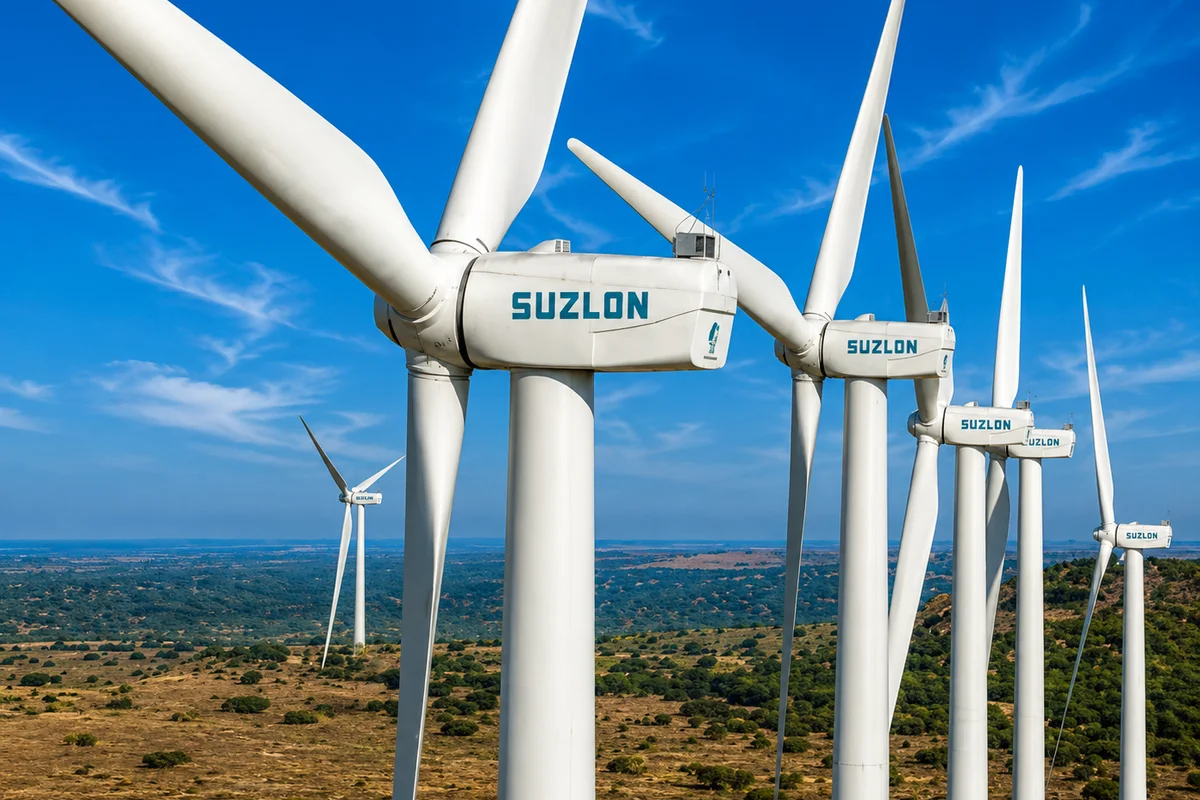
A leading renewable energy stock fell over 6% after reporting Q1 FY27 results. Despite 22.3% revenue growth, lower profit and shrinking operating...

A leading Indian airline's parent company has appointed Kiran Thadimarri as its new Chief Financial Officer, while former CFO Gaurav Negi moves into...
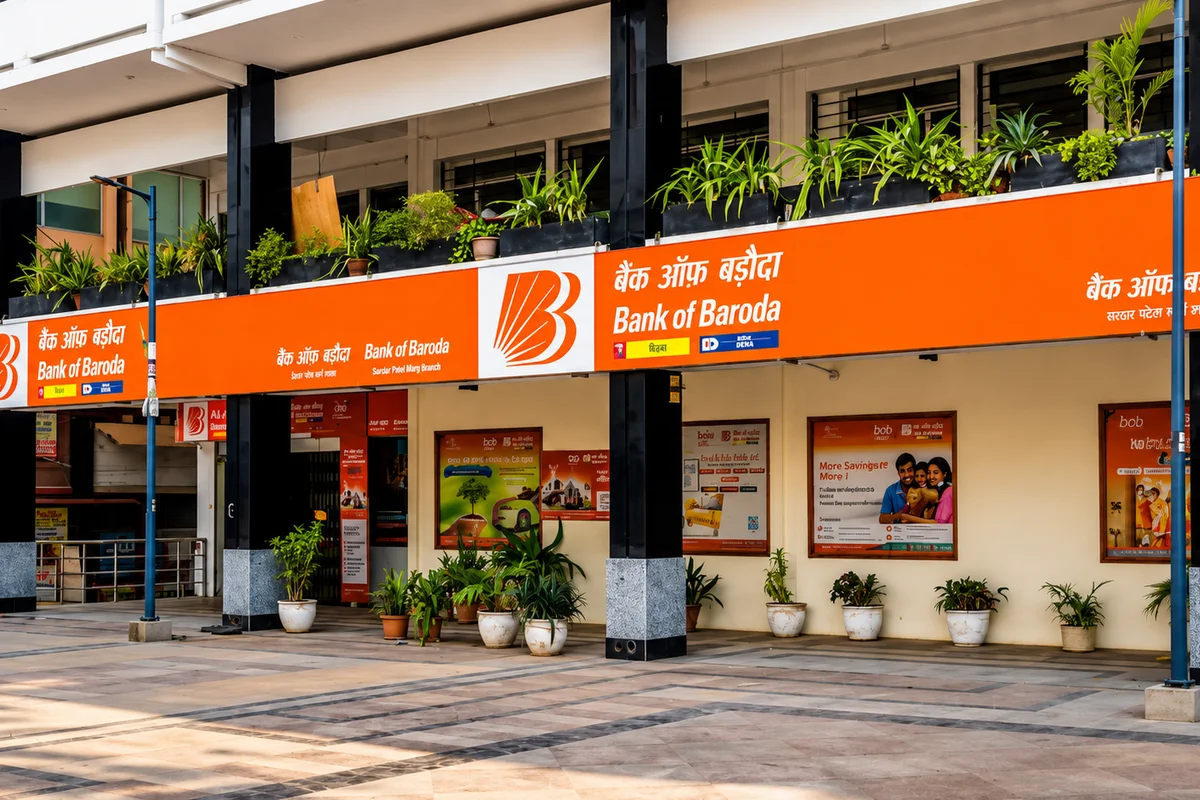
A leading PSU bank's shares slipped after a global brokerage cut its target price to ₹280 following a softer Q1 performance.
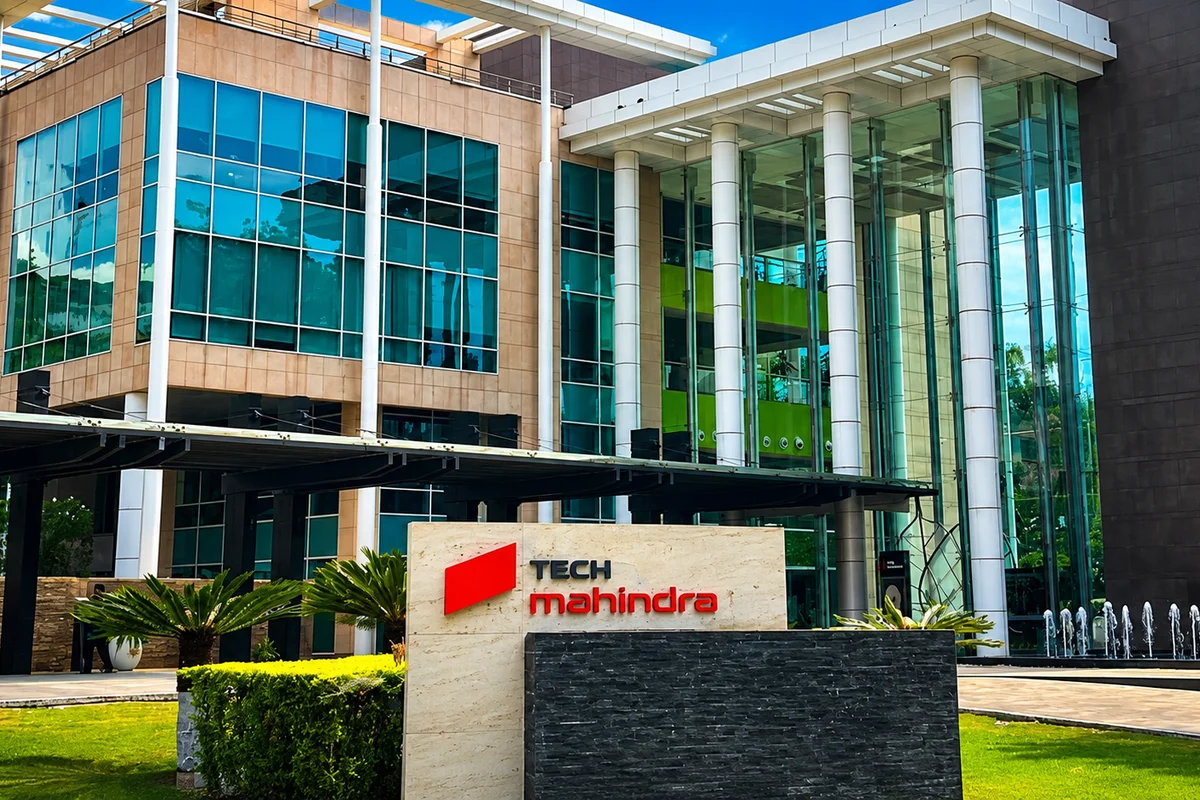
A leading Indian IT stock surged over 3% after reporting US$1.66 billion revenue, 14.4% EBIT margin, and US$1.078 billion in deal wins.

A leading PSU mining stock fell nearly 4% after reporting ₹8,850 crore Q1 profit, a 9% drop in EBITDA and margin pressure despite announcing a ₹5.