Loading market data...
Sun, 19 Jul 2026
03:19:00 am
Sun, 19 Jul 2026
03:19:00 am

Rudransh Sangwan
Published at: March 31, 2026, 8:00 AM
Synopsis
RBI caps loans against shares at ₹1 crore and defers new rules to July 2026. Learn how this impacts investors, leverage, and stock market stability.
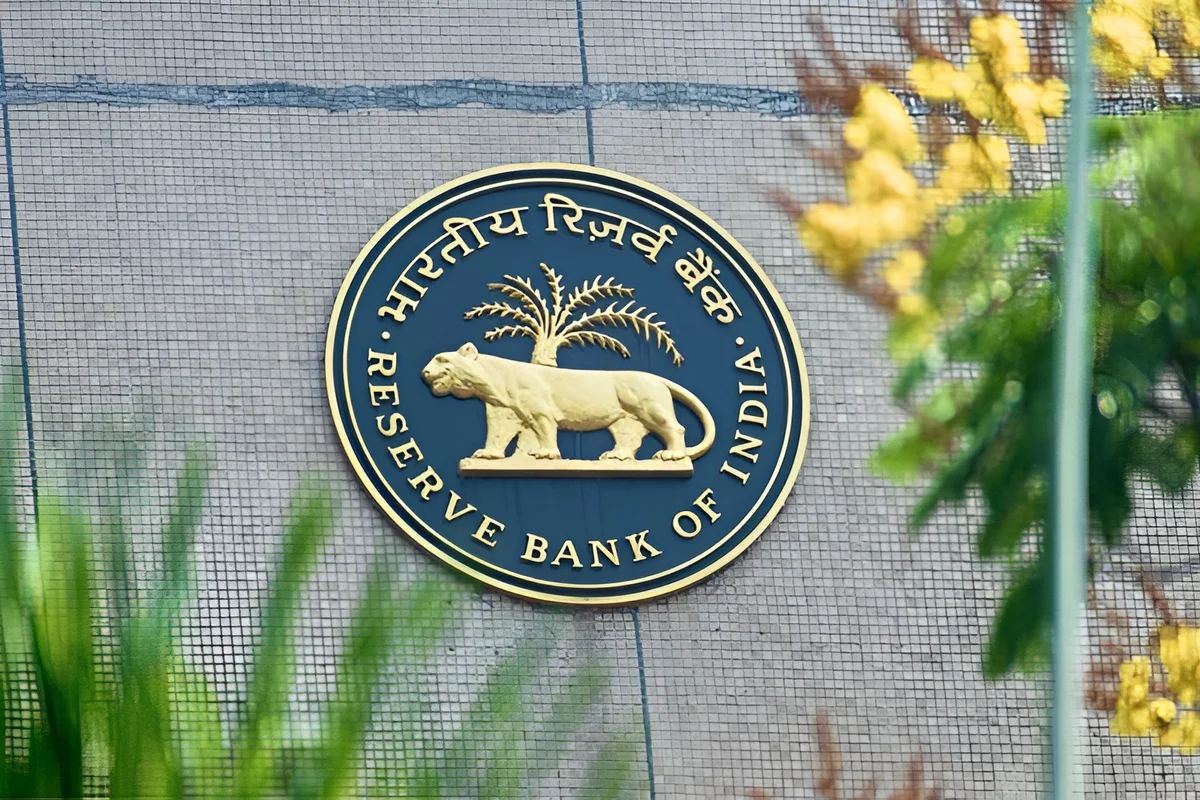
The Reserve Bank of India has introduced a major regulatory change by capping loans against shares at ₹1 crore per individual across the entire banking system. This is a significant move aimed at controlling excessive leverage in the stock market and improving financial stability.
Earlier, investors could potentially take loans from multiple banks to bypass limits. Now, the ₹1 crore cap applies system-wide, meaning total borrowing across all banks cannot exceed this limit.
Additionally, borrowing for IPOs, FPOs, and ESOPs has been capped at ₹25 lakh per individual.
For example, a trader who previously used multiple lending channels to increase exposure will now face stricter limits. This directly reduces speculative activity driven by borrowed funds.
The key takeaway is clear. RBI is tightening control over leveraged investing to reduce systemic risks in volatile market conditions.
The new framework introduces multiple changes beyond just the ₹1 crore cap. The most important shift is that limits are now enforced at the banking system level instead of individual banks.
This means:
This closes a major loophole where investors could previously borrow from different banks to increase leverage.
The RBI has also clarified definitions around acquisition finance, expanding it to include mergers and amalgamations. Lending for such activities is now allowed only when there is clear control over the target company.
The takeaway is that the new rules are not just restrictive. They aim to create a more transparent and disciplined lending ecosystem.
The RBI has postponed the implementation of these rules to July 1, 2026, giving banks and financial institutions additional time to adjust.
Initially, the norms were scheduled to come into effect earlier. However, industry participants raised concerns about operational challenges and interpretation issues.
Banks, NBFCs, and market intermediaries needed time to align systems, update compliance frameworks, and understand the revised guidelines.
For example, tracking a borrower’s total exposure across the entire banking system requires better coordination and data-sharing mechanisms.
The practical takeaway is that the delay is not a rollback. It is a transition period to ensure smooth implementation without disrupting the financial system.
For retail investors, the biggest impact will be reduced access to leverage. Those who relied on loans against shares to amplify returns will now face stricter borrowing limits.
This could lead to:
For example, an investor who previously borrowed aggressively to invest in equities may now need to rely more on own capital.
At the same time, the ₹25 lakh cap on IPO funding may limit large leveraged bets in public issues, making allotments more balanced.
The takeaway is simple. The rules encourage disciplined investing rather than high-risk leveraged strategies.
The new rules are expected to affect banks and NBFCs that offer loan against shares products. These institutions may see reduced demand for such loans due to stricter caps.
For NBFCs especially, this could impact revenue streams linked to capital market lending. At the same time, it reduces credit risk and potential defaults.
Market liquidity may also see short-term pressure as leveraged positions decline. However, this is balanced by improved long-term stability.
For example, during market downturns, lower leverage reduces panic selling triggered by margin calls.
The takeaway is that while liquidity may tighten in the short term, overall market health improves.
The RBI’s move reflects a broader strategy to strengthen financial stability and reduce systemic risks. By limiting excessive borrowing against shares, the regulator is ensuring that market growth is supported by real capital rather than leverage.
This also aligns with global trends where regulators are tightening rules around speculative borrowing and capital market exposure.
In the long term, these measures are expected to:
For example, markets with lower leverage tend to be more resilient during global shocks.
The final takeaway is clear. The RBI is prioritizing stability over short-term liquidity, creating a stronger foundation for sustainable growth in India’s financial markets.
Financial journalist specializing in market analysis, stock research, and investment trends. Dedicated to providing accurate, timely insights for informed decision-making.
Credentials: Experienced financial journalist with expertise in equity markets and economic analysis
The information provided in this article is for educational and informational purposes only and should not be construed as financial, investment, or legal advice. welomoney does not provide personalized investment recommendations.
For detailed terms and conditions, please read our Disclaimer and Terms of Service.

India has reportedly signed a $1.2 billion deal to acquire 300 Russian R-37M 'AWACS Killer' missiles for Su-30MKI fighter jets.

Royal Enfield launches the Shotgun 650 Limited Edition at ₹5.75 lakh in collaboration with Rough Crafts.
Q1 FY27 earnings season gathers pace as Reliance Industries, JSW Steel, Federal Bank, Havells, Tata Technologies and nearly 30 companies announce...

India is set to launch its first hydrogen-powered passenger train on July 17, marking a major milestone in green transportation.

Actor and entrepreneur Vivek Oberoi has revealed that his family office has invested in more than 30 companies, exited 11 investments, and generated...