Loading market data...
Sun, 19 Jul 2026
03:17:16 am
Sun, 19 Jul 2026
03:17:16 am

Rudransh Sangwan
Published at: March 30, 2026, 11:43 AM
Synopsis
Over 1,500 stocks hit 52-week lows as Sensex crashes. Explore key reasons, market impact, and what investors should do next.
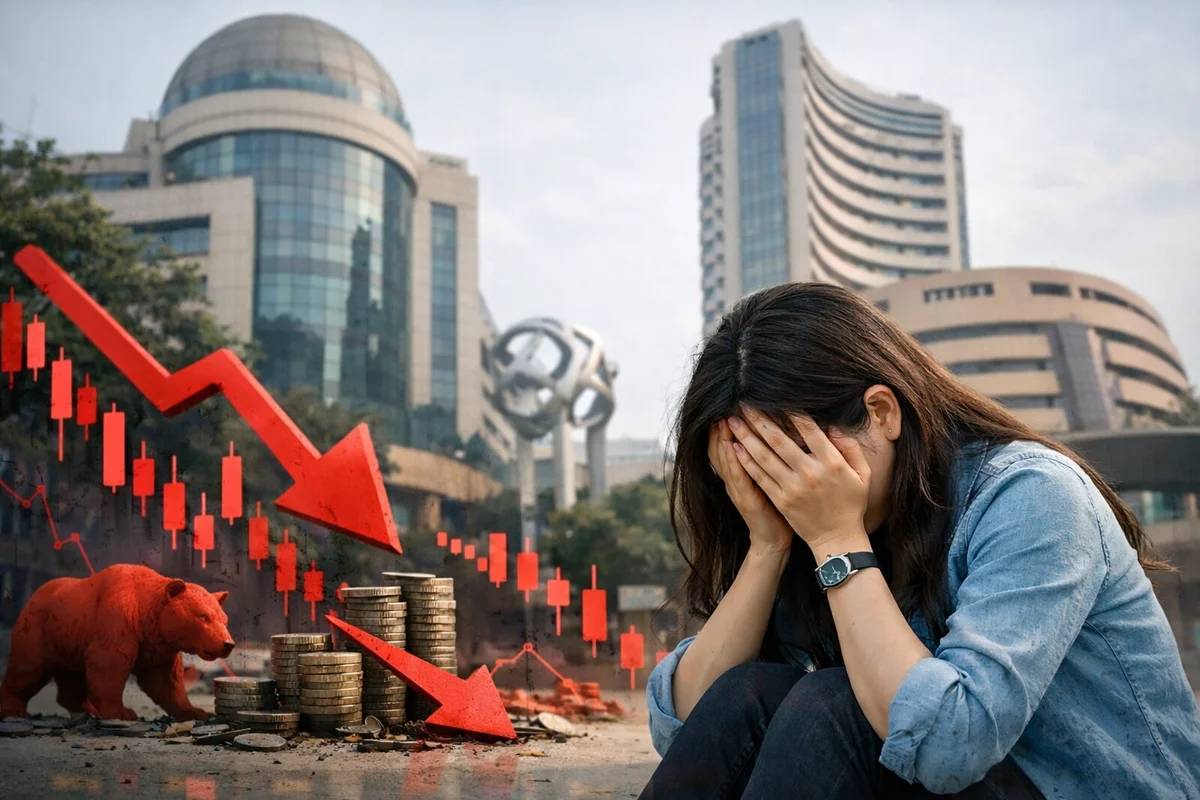
Indian stock markets witnessed one of the broadest sell-offs in recent times, with more than 1,500 stocks hitting their 52-week lows in a single session. This signals extreme weakness not just in headline indices but across the entire market.
The Sensex saw a sharp decline, reflecting heavy selling pressure in large-cap stocks. However, the real concern lies in market breadth. When such a large number of stocks fall to yearly lows, it indicates deep-rooted weakness across sectors and investor sentiment.
This kind of widespread correction is usually driven by macroeconomic stress rather than company-specific issues. Even fundamentally strong stocks tend to fall when liquidity dries up and fear dominates the market.
The key takeaway is clear. This is not just an index fall but a full-scale market correction impacting all segments.
The fact that over 1,500 stocks hit 52-week lows highlights severe weakness in mid-cap and small-cap segments.
Mid-cap and small-cap stocks are usually more volatile than large-cap stocks.
During market downturns:
Recent trends show that mid-cap and small-cap indices have seen sharper declines compared to benchmark indices.
Market breadth refers to the number of stocks advancing versus declining.
In this case:
The takeaway is structural weakness. When breadth collapses, markets struggle to bounce back quickly.
One of the biggest triggers behind the crash is the sharp rise in crude oil prices.
India is heavily dependent on oil imports.
When crude prices rise sharply:
This creates pressure on both the economy and stock market valuations.
Higher oil prices signal:
This leads to aggressive selling by investors.
The takeaway is macro trigger. Oil prices remain a key driver of market direction in India.
Foreign Institutional Investors have been aggressively selling Indian equities.
Several global factors are driving this trend:
This has resulted in heavy capital outflows from Indian markets.
When FIIs sell:
Since FIIs hold large positions in Indian equities, their exit amplifies market declines.
The takeaway is liquidity pressure. FII activity is a major force behind market crashes.
Global uncertainty has further weakened investor sentiment.
Indian markets are closely linked to global markets.
Recent global developments include:
These factors have triggered synchronized selling across markets.
Ongoing tensions in the Middle East have increased fears of:
This has led to a risk-off sentiment among investors.
The takeaway is global linkage. Indian markets are not immune to global shocks.
The falling Indian rupee has added another layer of pressure.
A weaker rupee leads to:
Currency weakness often signals broader economic concerns.
As the rupee weakens:
This creates a negative cycle in the market.
The takeaway is currency risk. Exchange rate movements play a crucial role in market behavior.
Such large-scale corrections can be alarming, but they also offer important insights.
Market crashes are often driven by:
Strong companies may still remain fundamentally sound despite price declines.
Corrections can create opportunities:
However, careful stock selection is essential.
The takeaway is perspective. Market corrections are part of investing cycles.
The market’s next move will depend on several key factors.
Markets can recover if:
However, volatility may remain high in the near term.
The takeaway is cautious outlook. Recovery is possible but not immediate.
The fact that over 1,500 stocks hit their 52-week lows highlights the severity of the current market correction.
This is not just a temporary dip but a reflection of broader macroeconomic challenges and global uncertainty.
For investors, the focus should remain on long-term fundamentals, disciplined investing, and avoiding panic-driven decisions.
Market downturns are temporary, but informed strategies help navigate them effectively.
Financial journalist specializing in market analysis, stock research, and investment trends. Dedicated to providing accurate, timely insights for informed decision-making.
Credentials: Experienced financial journalist with expertise in equity markets and economic analysis
The information provided in this article is for educational and informational purposes only and should not be construed as financial, investment, or legal advice. welomoney does not provide personalized investment recommendations.
For detailed terms and conditions, please read our Disclaimer and Terms of Service.
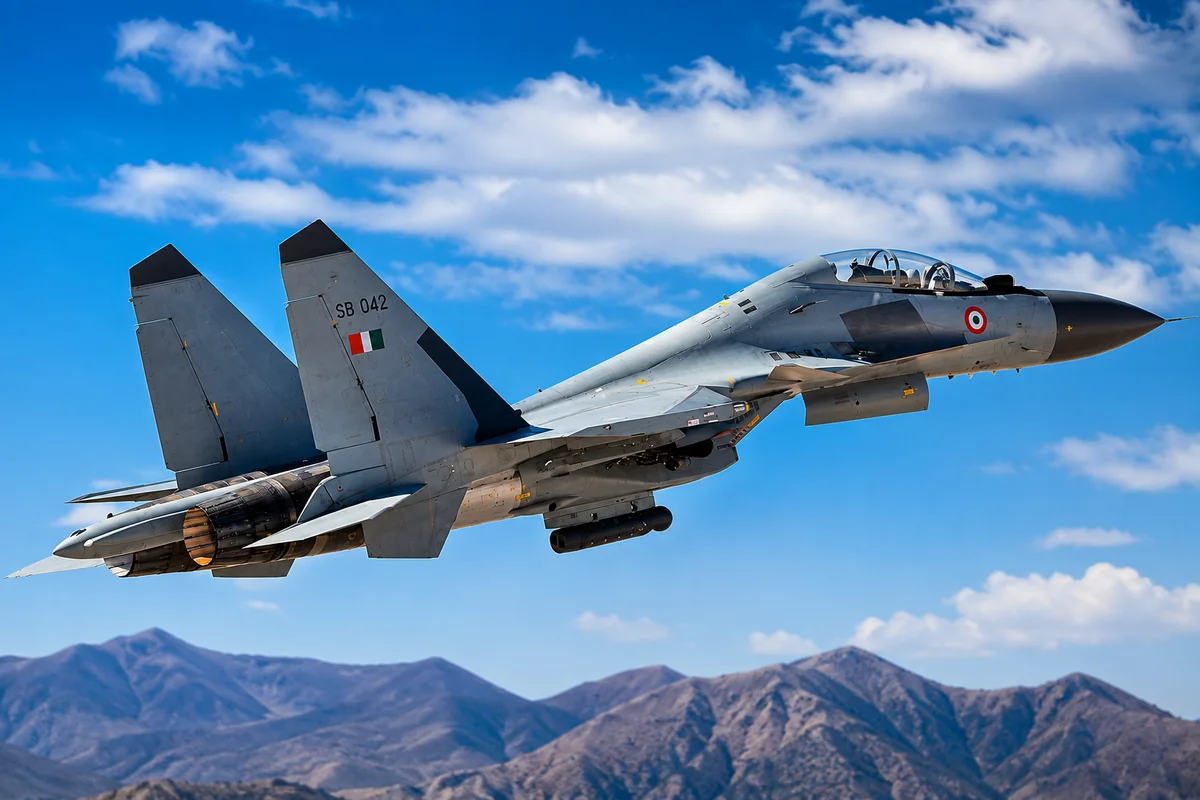
India has reportedly signed a $1.2 billion deal to acquire 300 Russian R-37M 'AWACS Killer' missiles for Su-30MKI fighter jets.

Royal Enfield launches the Shotgun 650 Limited Edition at ₹5.75 lakh in collaboration with Rough Crafts.
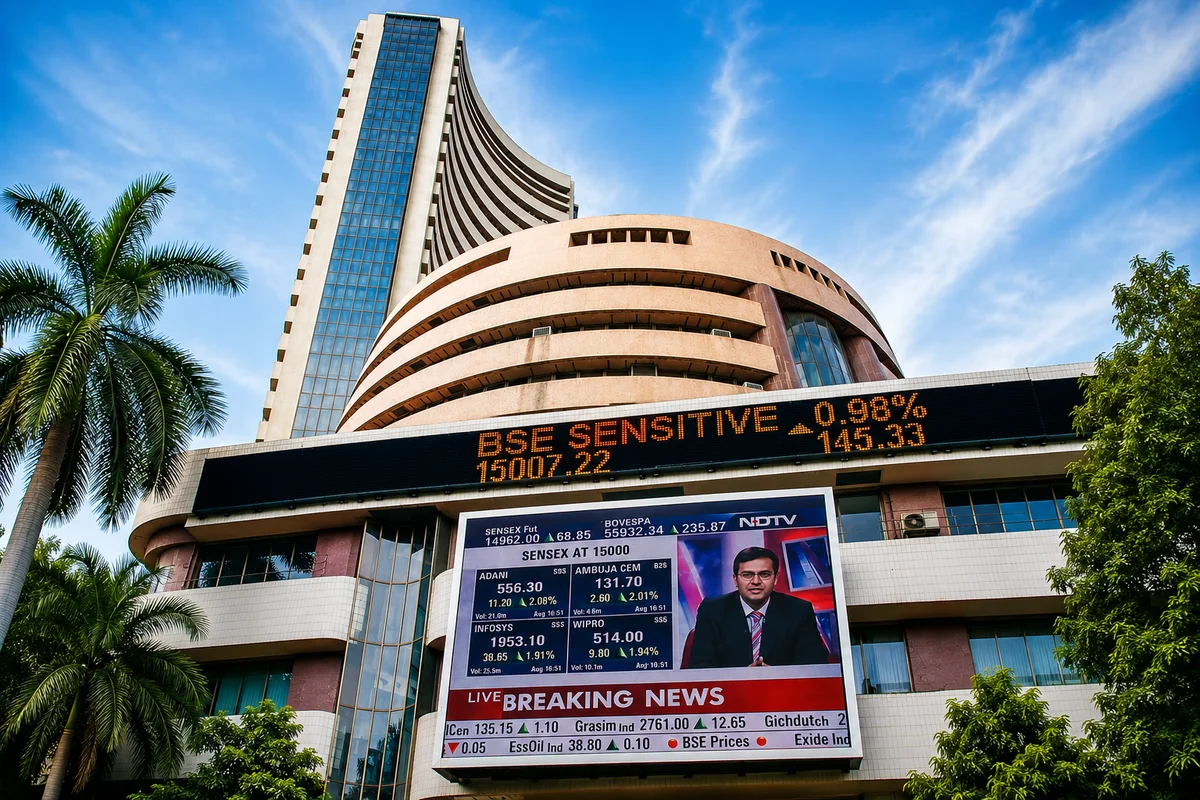
Q1 FY27 earnings season gathers pace as Reliance Industries, JSW Steel, Federal Bank, Havells, Tata Technologies and nearly 30 companies announce...
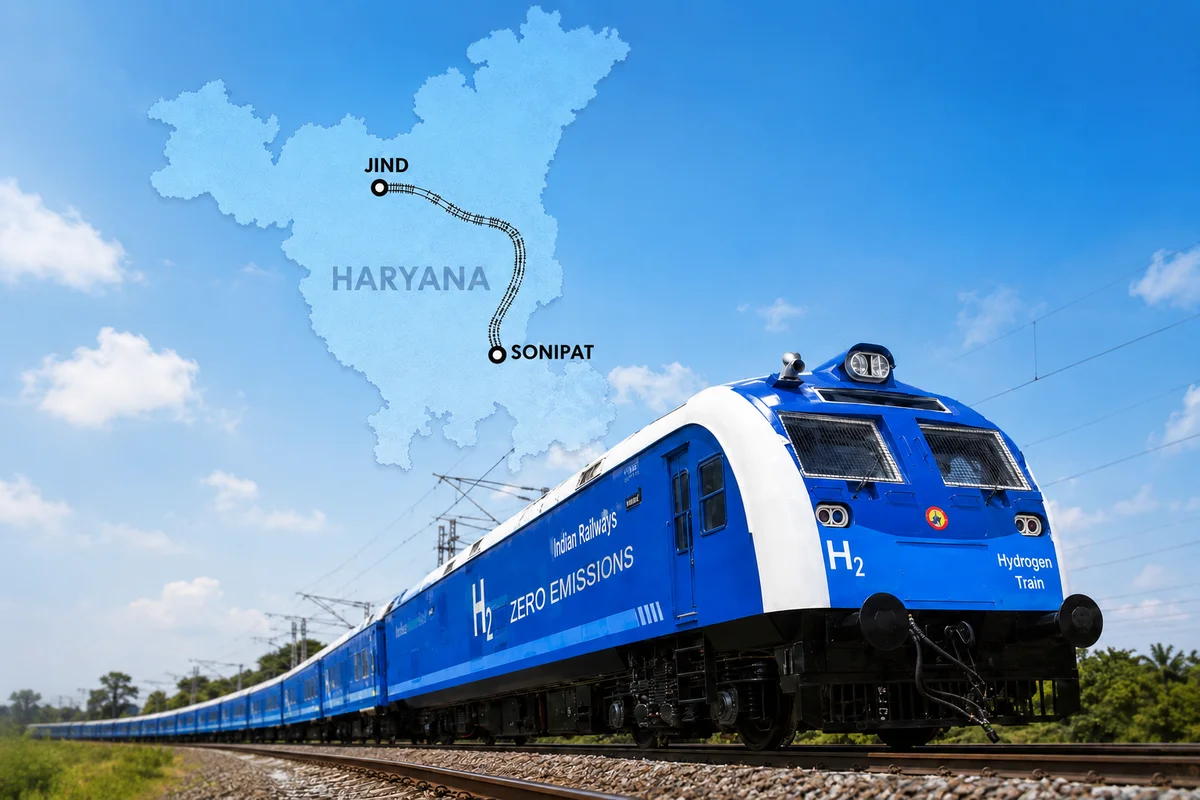
India is set to launch its first hydrogen-powered passenger train on July 17, marking a major milestone in green transportation.

Actor and entrepreneur Vivek Oberoi has revealed that his family office has invested in more than 30 companies, exited 11 investments, and generated...