Loading market data...
Sun, 19 Jul 2026
03:07:19 am
Sun, 19 Jul 2026
03:07:19 am

Rudransh Sangwan
Published at: March 25, 2026, 4:34 PM
Synopsis
NSE and BSE will remain closed on March 26 for Ram Navami. Learn how stock market holidays impact trading, settlement cycles, and investor strategies in 2026.
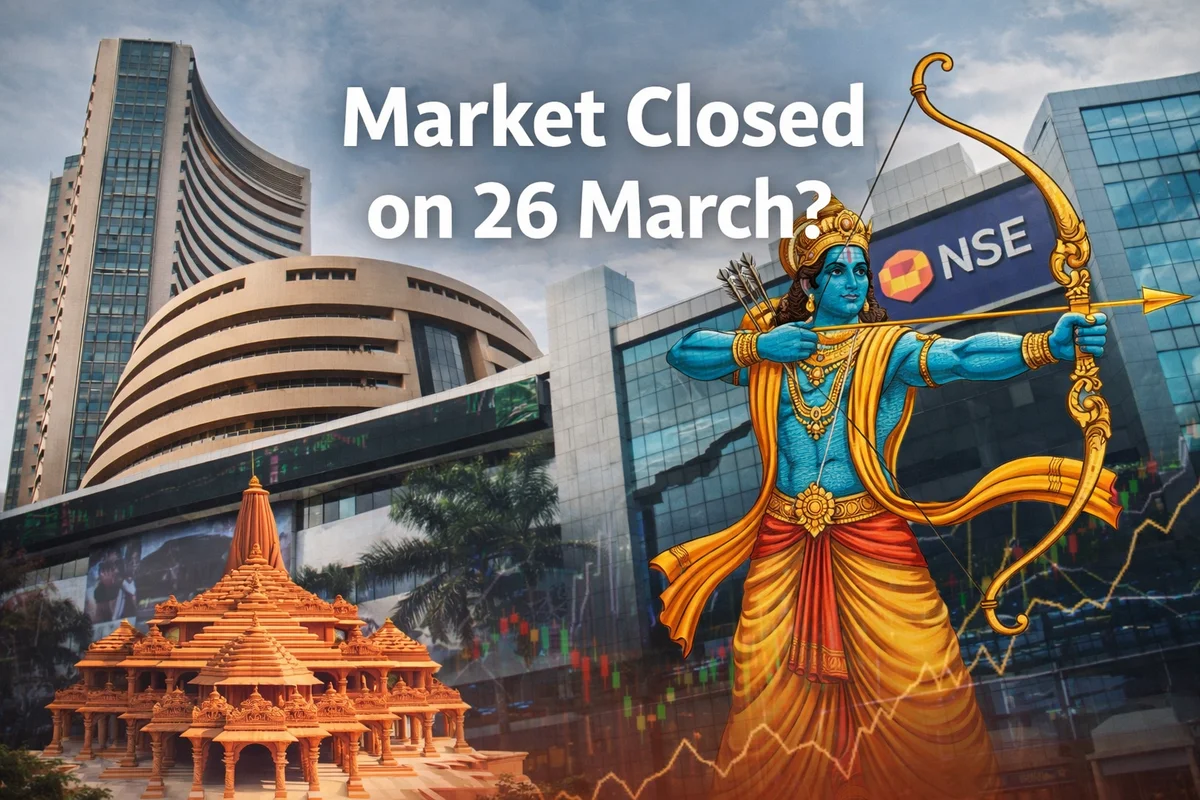
Stock market holidays in India are not random. They are pre-decided by exchanges like the National Stock Exchange (NSE) and the Bombay Stock Exchange (BSE) at the beginning of each year. These holidays are based on national events, major festivals, and important observances such as Diwali, Independence Day, and religious occasions like Ram Navami.
For March 26, many investors are asking a simple question: will NSE and BSE remain closed due to Ram Navami? The answer depends on whether the festival is officially listed in the stock market holiday calendar for 2026.
Unlike public holidays where banks or offices may close regionally, stock market holidays are standardized across the country. This means if the exchanges declare a holiday, all equity, derivatives, and currency trading segments remain closed nationwide.
In this case, Ram Navami is indeed observed in many parts of India, but not every religious festival leads to a trading halt. Investors need to rely on the official exchange calendar rather than assumptions based on public celebrations.
The key takeaway here is simple. Always check the official NSE and BSE holiday list before planning trades, especially around major festivals.
For March 26, 2026, both NSE and BSE are officially closed on account of Ram Navami. This means there will be no trading activity across all segments, including equity, derivatives, and currency markets.
This closure aligns with the exchanges’ annual holiday schedule, which includes selected religious and national holidays. Ram Navami, being a significant Hindu festival celebrating the birth of Lord Rama, has been recognized as a trading holiday this year.
For traders and investors, this means:
It is important to note that even though global markets remain open, Indian markets will stay closed for the day. This can sometimes lead to gap-up or gap-down openings on the next trading session depending on global cues.
In simple terms, if you were planning any trades on March 26, you will need to adjust your strategy and execute them either before or after the holiday.
Market holidays like Ram Navami do more than just pause trading for a day. They can influence short-term market momentum and trader behavior both before and after the holiday.
Typically, before a holiday, trading volumes tend to drop slightly. Many traders prefer to reduce positions to avoid unexpected global developments when markets are closed. This cautious approach can lead to lower volatility and sideways movement in the market.
However, things can change quickly after the holiday.
Before a holiday like Ram Navami, traders often:
This behavior is driven by uncertainty. Since markets are closed, traders cannot react to global news instantly. As a result, they prefer to stay cautious.
This often creates a temporary slowdown in market activity just before the holiday.
Once markets reopen, the reaction depends heavily on global cues. If major events occur during the holiday, markets may open with strong gaps.
For example, global stock movements, crude oil price changes, or geopolitical news can influence how NSE and BSE perform after reopening.
This is why experienced traders always monitor international markets during Indian holidays. It helps them prepare for the next session and adjust their strategies accordingly.
Understanding the full holiday calendar is essential for active traders and long-term investors alike. NSE and BSE release a detailed list of trading holidays at the start of each year, covering equity, derivatives, and other segments.
In 2026, the holiday list includes a mix of national holidays and major festivals. Some key ones include:
Each of these holidays results in a complete trading halt, except for special sessions like Muhurat Trading during Diwali.
Missing a holiday can disrupt your trading plan. For example:
By keeping track of the holiday schedule, you can plan trades better and avoid surprises.
Market holidays also affect settlement timelines. If a holiday falls near settlement dates, the clearing process may shift by one working day.
For derivatives traders, this becomes even more important. Weekly and monthly expiry dates may change slightly if they coincide with a holiday.
This is why serious traders always align their strategies with the official exchange calendar.
Market holidays like Ram Navami offer a good opportunity to step back and reassess strategies. Instead of seeing it as lost time, smart investors use it to prepare for upcoming market movements.
One important step is reviewing your portfolio. Are you overexposed to volatile sectors? Are your positions aligned with current market trends? These are questions worth asking during a break.
Here are a few practical steps traders can take:
This approach reduces risk and helps you stay prepared for sudden market movements.
Since markets are closed, it is a perfect time to focus on research. You can:
At Welomoney, we usually recommend using market holidays as planning days rather than idle time. A well-prepared trader often performs better than one reacting emotionally during live sessions.
The bottom line is simple. Market holidays are not interruptions. They are opportunities to refine your strategy and come back stronger in the next trading session.
Financial journalist specializing in market analysis, stock research, and investment trends. Dedicated to providing accurate, timely insights for informed decision-making.
Credentials: Experienced financial journalist with expertise in equity markets and economic analysis
The information provided in this article is for educational and informational purposes only and should not be construed as financial, investment, or legal advice. welomoney does not provide personalized investment recommendations.
For detailed terms and conditions, please read our Disclaimer and Terms of Service.
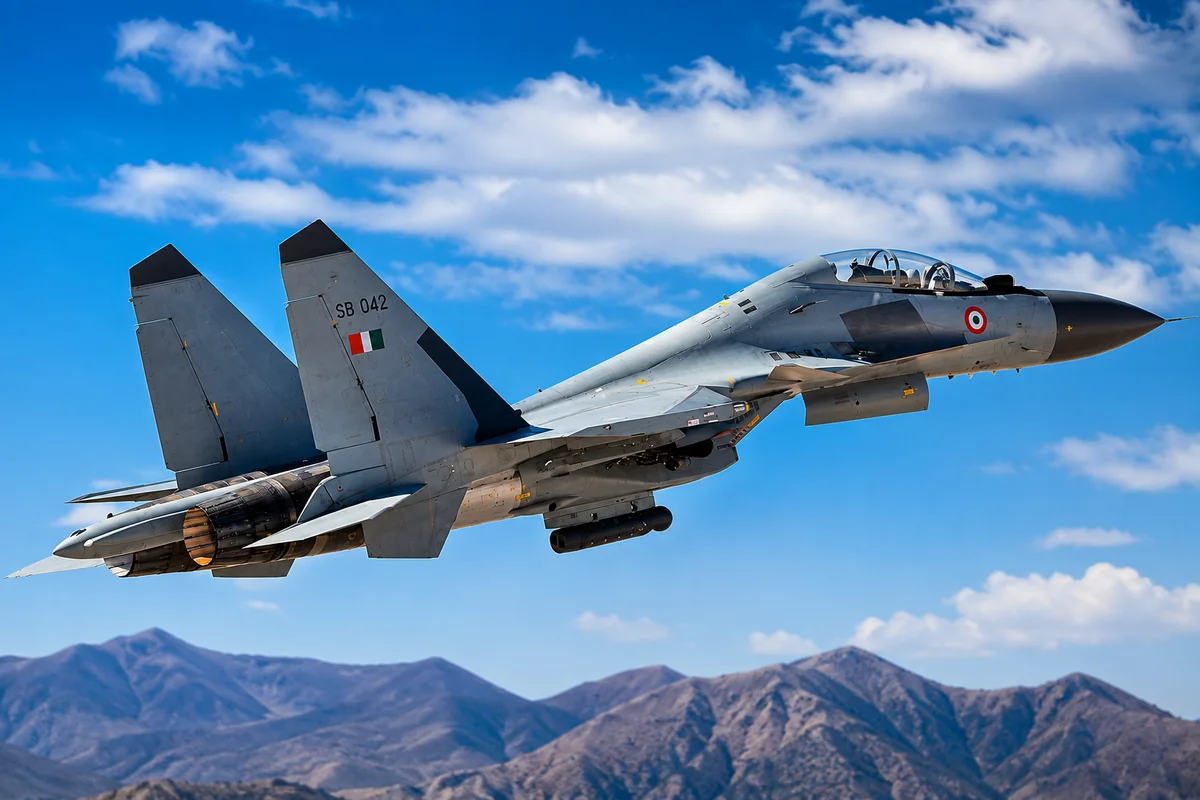
India has reportedly signed a $1.2 billion deal to acquire 300 Russian R-37M 'AWACS Killer' missiles for Su-30MKI fighter jets.

Royal Enfield launches the Shotgun 650 Limited Edition at ₹5.75 lakh in collaboration with Rough Crafts.
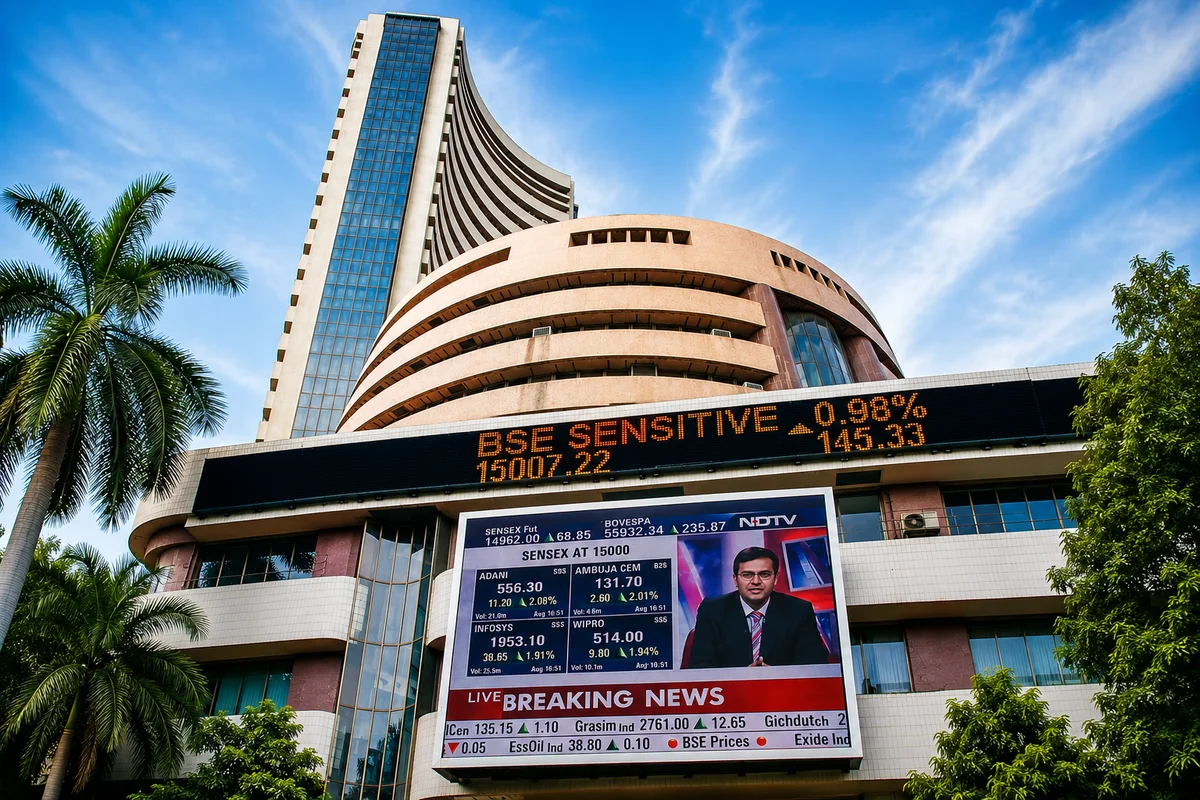
Q1 FY27 earnings season gathers pace as Reliance Industries, JSW Steel, Federal Bank, Havells, Tata Technologies and nearly 30 companies announce...
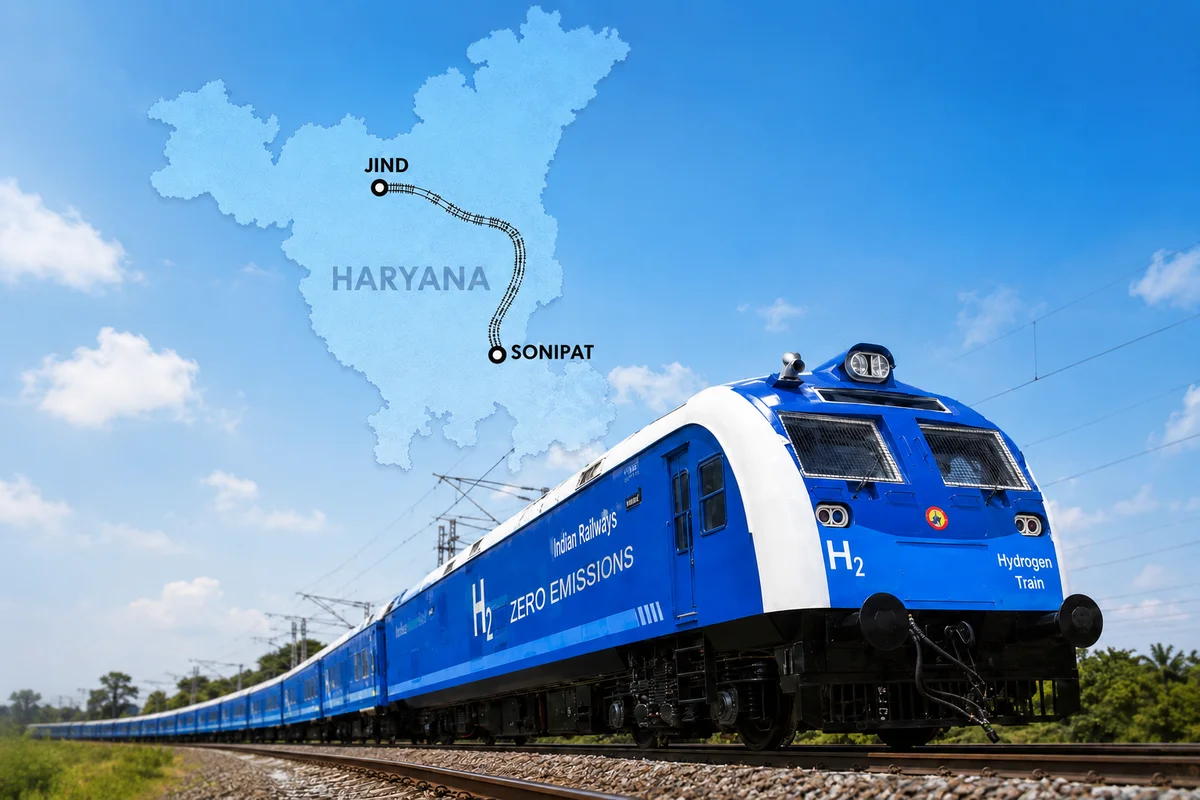
India is set to launch its first hydrogen-powered passenger train on July 17, marking a major milestone in green transportation.

Actor and entrepreneur Vivek Oberoi has revealed that his family office has invested in more than 30 companies, exited 11 investments, and generated...