Loading market data...
Sun, 13 Sept 2026
12:42:03 pm
Sun, 13 Sept 2026
12:42:03 pm

Rudransh Sangwan
Published at: July 30, 2026, 7:02 AM
Synopsis
Haryana has approved a 100% Motor Vehicle Tax exemption for electric vehicles priced up to ₹30 lakh. Premium EVs above ₹30 lakh will receive a 50% tax exemption under the revised policy.
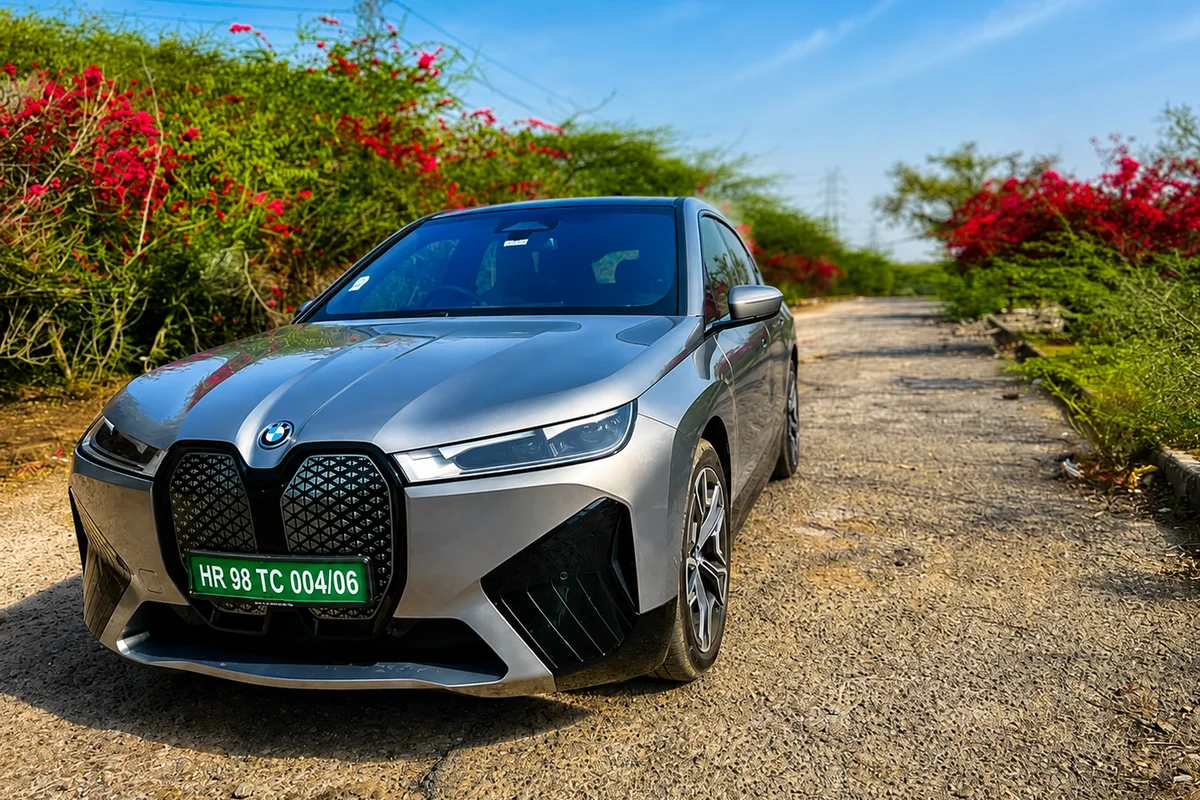
Buying an electric vehicle in Haryana is set to become significantly cheaper after the state government approved a revised Motor Vehicle Tax structure that grants a 100% tax exemption for eligible battery electric vehicles (BEVs) priced up to ₹30 lakh. The decision was approved by the Haryana Cabinet under the chairmanship of Chief Minister Nayab Singh Saini and is expected to accelerate electric vehicle adoption while reducing the upfront cost of ownership for buyers.
The revised tax benefit applies to newly purchased and registered electric two wheelers, three wheelers and four wheelers in Haryana. Electric vehicles with an ex showroom price above ₹30 lakh will continue to receive a 50% Motor Vehicle Tax exemption, extending the benefit to premium electric models as well.
The announcement marks one of the biggest updates to Haryana's EV policy since 2022. By replacing the earlier limited rebate structure with a wider tax exemption, the government aims to encourage more residents to register their vehicles within the state, reduce dependence on fossil fuel vehicles and support India's transition towards cleaner mobility.
| Policy Highlights | Details |
|---|---|
| 100% Tax Exemption | Battery electric vehicles up to ₹30 lakh |
| 50% Tax Exemption | Battery electric vehicles above ₹30 lakh |
| Eligible Vehicles | Electric two wheelers, three wheelers and four wheelers |
| Applicable On | New vehicles purchased and registered in Haryana |
| Additional Benefit | 1% Motor Vehicle Tax rebate for women registering non transport vehicles |
| Ex Showroom Price | Motor Vehicle Tax Benefit |
|---|---|
| Up to ₹30 lakh | 100% Tax Exemption |
| Above ₹30 lakh | 50% Tax Exemption |
The revised structure replaces Haryana's earlier incentive, under which electric vehicles were eligible for only a 20% rebate on one time Motor Vehicle Tax. The government believes the enhanced exemption will make electric vehicles more affordable, encourage local registrations and strengthen the state's clean mobility ecosystem.
| Vehicle Category | Earlier Policy | Revised Policy |
|---|---|---|
| Battery Electric Vehicles | 20% Tax Rebate | 100% Tax Exemption (Up to ₹30 lakh) |
| Premium Electric Vehicles | Standard Tax | 50% Tax Exemption |
| CNG Vehicles | 20% Tax Rebate | No Change |
| Electric Vehicle | Approx. Ex Showroom Price | Eligible |
|---|---|---|
| MG Comet EV | ₹7.4 lakh – ₹10 lakh | Yes |
| Tata Tiago EV | ₹8 lakh – ₹11.2 lakh | Yes |
| Tata Punch EV | ₹10 lakh – ₹15 lakh | Yes |
| Tata Nexon EV | ₹13 lakh – ₹17 lakh | Yes |
| MG Windsor EV | ₹14 lakh – ₹18 lakh | Yes |
| Mahindra XUV400 | ₹16 lakh – ₹18 lakh | Yes |
| Hyundai Creta Electric | ₹18 lakh – ₹24 lakh | Yes |
| Mahindra BE 6 | ₹19 lakh – ₹27 lakh | Yes |
| Mahindra XEV 9e | ₹22 lakh – ₹30 lakh | Yes |
| BYD Atto 3 | ₹24 lakh – ₹29 lakh | Yes |
| Hyundai Ioniq 5 | Around ₹46 lakh | 50% Exemption |
| Kia EV9 | Above ₹1 crore | 50% Exemption |
Prices are approximate ex showroom prices and may vary by variant and city.
| EV Price | Estimated Tax Saving* |
|---|---|
| ₹8 lakh | Up to ₹48,000 |
| ₹10 lakh | Up to ₹60,000 |
| ₹15 lakh | Up to ₹90,000 |
| ₹20 lakh | Up to ₹1.2 lakh |
| ₹25 lakh | Up to ₹1.5 lakh |
| ₹30 lakh | Up to ₹1.8 lakh |
Estimated using a 6% Motor Vehicle Tax rate. Actual savings may vary depending on vehicle category and applicable registration charges.
The revised policy is expected to benefit first time EV buyers, families upgrading from petrol or diesel vehicles and businesses looking to add electric vehicles to their fleets. Since most electric cars currently available in India are priced below ₹30 lakh, a large section of buyers will be eligible for the complete tax exemption. Lower registration costs could make electric vehicles a more attractive option compared with conventional internal combustion engine vehicles, especially as fuel prices and running costs continue to influence purchasing decisions.
Manufacturers including Tata Motors, Mahindra, MG Motor, Hyundai and BYD are also likely to benefit from stronger demand, as many of their popular electric models fall within the ₹30 lakh eligibility limit. Increased affordability could help drive higher sales while supporting the expansion of charging infrastructure and related services across the state.
Apart from the revised EV policy, the Haryana Cabinet has approved a 1% rebate in Motor Vehicle Tax for women registering non transport vehicles in their own name. The incentive is intended to encourage greater vehicle ownership among women while complementing the broader changes introduced under the revised tax framework.
The revised Motor Vehicle Tax structure is expected to encourage more vehicle buyers to register their electric vehicles within Haryana instead of neighbouring states, where lower registration costs have previously attracted buyers. Higher registrations could increase state revenue from related services while strengthening Haryana's position as an important market for electric mobility.
The policy also aligns with India's broader objective of increasing electric vehicle adoption and reducing carbon emissions. As manufacturers continue launching new electric cars across different price segments, lower registration costs are expected to improve affordability and encourage faster adoption of cleaner transportation across urban and semi urban areas.
The revised policy removes one of the biggest upfront costs associated with buying an electric vehicle. Instead of limiting incentives to a fixed number of registrations as under the 2022 policy, Haryana has introduced a broader benefit covering all eligible battery electric vehicles priced up to ₹30 lakh. The move is expected to support consumers, manufacturers and the state's long term clean mobility goals while making EV ownership more financially attractive.
Battery electric two wheelers, three wheelers and four wheelers with an ex showroom price of up to ₹30 lakh that are purchased and registered in Haryana.
Electric vehicles priced above ₹30 lakh will receive a 50% Motor Vehicle Tax exemption.
No. CNG vehicles will continue to receive the existing 20% Motor Vehicle Tax rebate.
Yes. The tax benefits apply only to eligible electric vehicles registered within Haryana.
The revised tax structure takes effect following the Haryana Cabinet's approval and applies according to the state's implementation guidelines.
Financial journalist specializing in market analysis, stock research, and investment trends. Dedicated to providing accurate, timely insights for informed decision-making.
Credentials: Experienced financial journalist with expertise in equity markets and economic analysis
The information provided in this article is for educational and informational purposes only and should not be construed as financial, investment, or legal advice. welomoney does not provide personalized investment recommendations.
For detailed terms and conditions, please read our Disclaimer and Terms of Service.

52 Week Low Stocks: Check the full list of stocks hitting fresh lows today, including HEG, Gujarat Energy, Muthoot Finance, IEX and Bikaji Foods,...

Groww, Angel One, ICICI Securities and other brokers rely on lending, interest income, distribution and advertising alongside trading fees.
Tata Boeing Aerospace remains in focus as its latest Apache fuselage milestone highlights India's growing role in the global aerospace and defence...
RBI liquidity conditions remain in focus as the banking system adjusts to changing money market conditions and evolving financial trends.
Explore the best bond ETFs for 2026, including popular funds for income, Treasury exposure, high yield bonds, mortgage backed securities and...