Loading market data...
Fri, 23 Oct 2026
12:49:31 pm
Fri, 23 Oct 2026
12:49:31 pm

Rudransh Sangwan
Published at: September 8, 2026, 9:12 AM
Synopsis
RBI liquidity conditions remain in focus as the banking system adjusts to changing money market conditions and evolving financial trends.
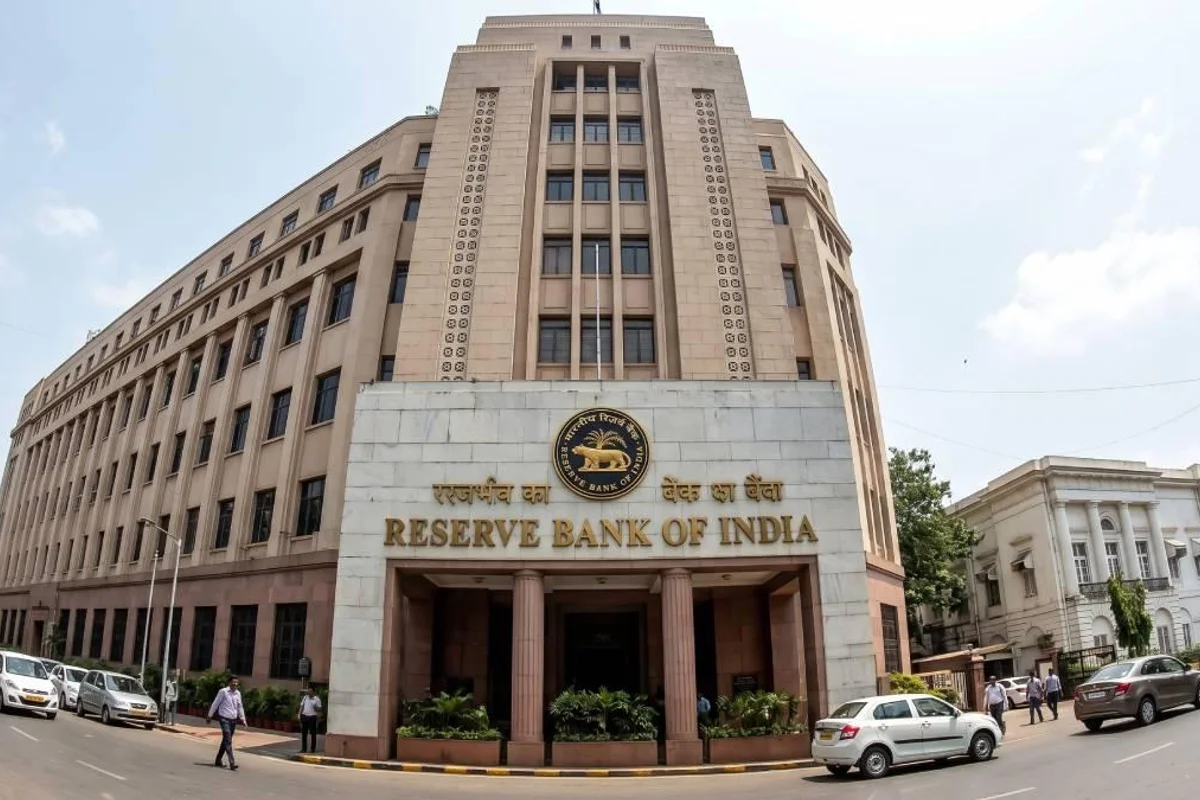
The Reserve Bank of India mopped up more than ₹6 lakh crore of surplus funds from the banking system through two auctions on Monday, September 7, as it worked to absorb excess liquidity. However, banks showed a mixed response to the central bank's liquidity operations.
The first 30 day variable rate reverse repo auction received bids of just over ₹2.59 lakh crore against the notified amount of ₹7 lakh crore, pointing to a relatively weak response from banks.
The RBI had announced the 30 day VRRR auction the previous week to absorb surplus liquidity from the banking system. The response from banks was lower than the notified amount, prompting the central bank to announce another auction during the first half of Monday.
Through the two auctions, the RBI absorbed more than ₹6 lakh crore from the banking system. The move comes as banks continue to hold surplus funds, giving the central bank a way to manage liquidity conditions in the financial system.
A variable rate reverse repo allows banks to park surplus funds with the RBI for a specified period. The central bank uses such operations to manage the amount of money available in the banking system and keep short term liquidity conditions in line with its monetary policy stance.
Unlike a fixed rate operation, the interest rate in a VRRR auction is determined through the bids submitted by participating banks. The 30 day tenor in Monday's auction gave banks an option to park excess funds with the RBI for a longer period.
The latest auctions show the RBI's continued focus on managing surplus liquidity in the banking system. The central bank can use liquidity operations alongside other monetary tools depending on prevailing conditions.
Banks' response to future VRRR auctions will be closely watched as the RBI continues to assess liquidity conditions and the amount of surplus funds available in the financial system.
Financial journalist specializing in market analysis, stock research, and investment trends. Dedicated to providing accurate, timely insights for informed decision-making.
Credentials: Experienced financial journalist with expertise in equity markets and economic analysis
The information provided in this article is for educational and informational purposes only and should not be construed as financial, investment, or legal advice. welomoney does not provide personalized investment recommendations.
For detailed terms and conditions, please read our Disclaimer and Terms of Service.

Indian stock market fell as Nifty slipped below 22,500 and Sensex lost nearly 600 points. Higher crude oil prices and metal stock losses weighed on...

The Nifty IT index climbed 3.3% as Q2 results eased fears over AI disruption and weak demand. See broker views, stock moves and sector risks.
Indian IT stocks rose 2.6% as LTTS shares jumped 15% after Q2 FY27 results. Jefferies sees scope for a valuation re-rating across the sector.

Diwali Muhurat Trading 2026 is scheduled for November 8 from 2:20 PM to 3:30 PM. See NSE and BSE timings, pre-open session and market schedule.

Sugar stocks fell up to 5.79% after the government barred sugarcane juice and syrup for FY27 ethanol procurement. Analysts flag earnings pressure.