Loading market data...
Sun, 19 Jul 2026
04:41:00 am
Sun, 19 Jul 2026
04:41:00 am

Rudransh Sangwan
Published at: March 21, 2026, 7:07 AM
Synopsis
Global markets face risk aversion as West Asia conflict drives oil prices higher. Fed maintains neutral stance amid rising inflation risks.
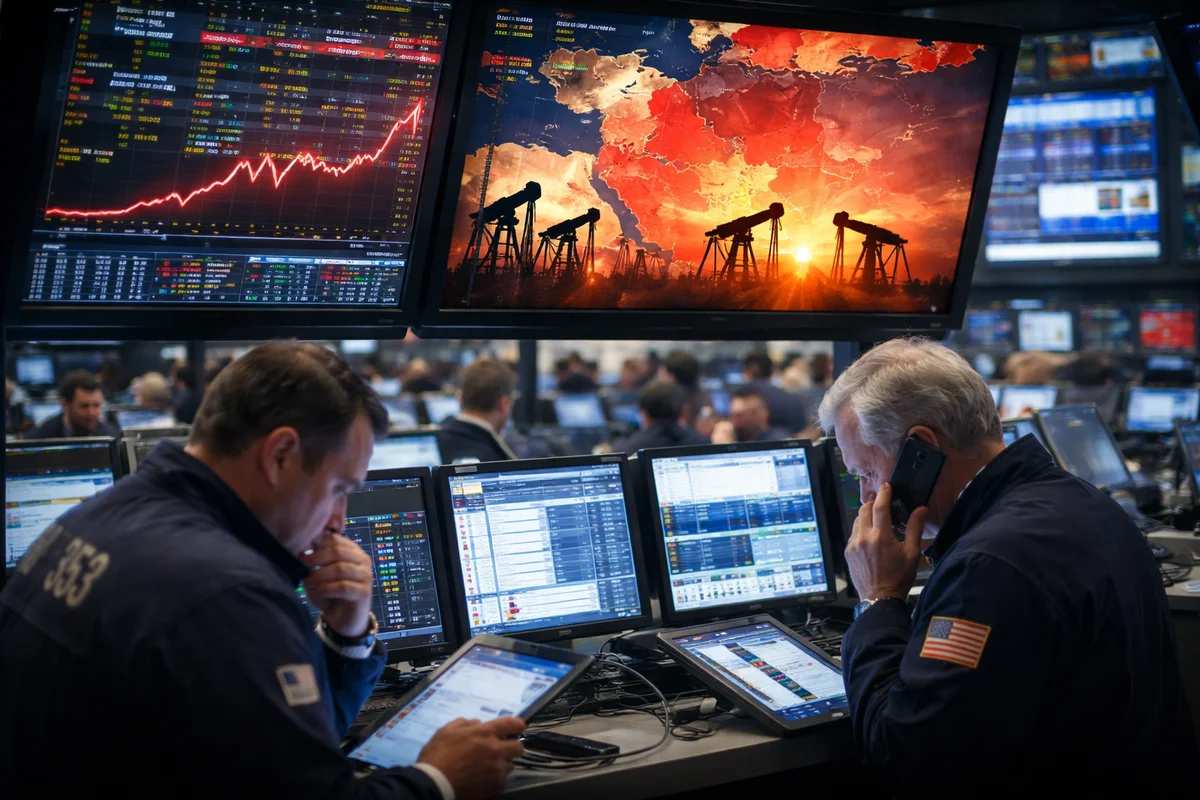
Global financial markets are expected to remain heavily influenced by the ongoing conflict in West Asia, with rising geopolitical uncertainty continuing to shape investor sentiment, inflation expectations, and monetary policy outlooks. According to recent institutional analysis, risk aversion is likely to dominate global markets in the near term, as elevated crude oil prices and supply disruptions complicate the macroeconomic landscape. At the same time, the US Federal Reserve’s neutral policy stance reflects growing uncertainty, with policymakers acknowledging both improving growth prospects and rising inflation risks.
Key Market Snapshot
| Key Metric | Details |
|---|---|
| Core Driver | West Asia conflict |
| Market Sentiment | Risk aversion |
| Fed Policy Stance | Neutral / data-dependent |
| Inflation Outlook | Revised upward |
| Rate Cut Expectation | 25 bps (2026), 25 bps (2027) |
| Key Risk Factor | Elevated crude oil prices |
Geopolitical Conflict Continues to Dominate Market Direction
Global markets are increasingly being driven by geopolitical developments rather than traditional economic fundamentals, as the ongoing conflict in West Asia shows little sign of de-escalation. Investors are closely monitoring the situation, particularly its impact on energy supply chains and global trade routes.
Analysts tracking Global oil markets highlight that sustained disruptions in crude supply—especially through critical chokepoints like the Strait of Hormuz—are contributing to elevated oil prices, which in turn are feeding into inflation expectations worldwide. The persistence of such disruptions is reinforcing a cautious stance among investors, leading to reduced risk appetite across equity and bond markets.
This environment of uncertainty is also triggering capital flows into safe-haven assets, strengthening the US dollar and putting pressure on emerging market currencies. Market participants suggest that until there is clear visibility on geopolitical outcomes, volatility is likely to remain elevated.
Federal Reserve Maintains Neutral Stance Amid Rising Uncertainty
The Federal Open Market Committee (FOMC) has opted to maintain its current policy stance, signaling a wait-and-watch approach as it navigates a complex economic environment. While growth projections have been revised upward, reflecting resilience in the US economy, inflation forecasts have also been adjusted higher due to rising energy prices.
According to policymakers, the central bank remains committed to a data-dependent approach, with future decisions hinging on incoming economic indicators. Observers following Monetary policy transmission note that central banks often adopt a cautious stance during periods of geopolitical instability, balancing the need to control inflation with the risk of slowing economic growth.
Fed Chair Jerome Powell has emphasized that uncertainty remains a key factor shaping policy decisions, particularly given the unpredictable nature of the conflict and its potential long-term impact on global energy markets.
Inflation Risks Rise as Oil Prices Stay Elevated
One of the most significant consequences of the ongoing conflict is the upward pressure on inflation, driven largely by rising energy costs. Crude oil prices have surged in recent weeks, increasing input costs across multiple sectors, including transportation, manufacturing, and agriculture.
Market experts tracking Commodity price cycles suggest that sustained high energy prices can lead to second-round inflation effects, where increased production costs are passed on to consumers. This dynamic poses a challenge for central banks, as it limits their ability to ease monetary policy without risking further inflationary pressure.
If oil prices remain elevated for an extended period, the timeline for achieving inflation targets could be pushed back, forcing policymakers to delay anticipated rate cuts.
Interest Rate Outlook: Cuts Expected but Timing Uncertain
Despite rising inflation risks, the broader expectation remains that the Federal Reserve will implement gradual rate cuts over the coming years. Current projections suggest a cumulative 50 basis points reduction, split across 2026 and 2027.
However, analysts caution that the timing of these cuts could be delayed if energy-driven inflation persists. The possibility of “back-loaded easing,” where rate cuts are pushed further into the future, is increasingly being discussed among market participants.
Experts tracking Interest rate cycles note that central banks often adjust their policy trajectories in response to external shocks, particularly those affecting inflation expectations. In this case, the trajectory of oil prices and the duration of the conflict will be critical factors.
Global Market Impact: Yields, Dollar Strength, and Risk Assets
The combined effect of geopolitical tension and monetary policy uncertainty is shaping global financial markets in multiple ways. US bond yields are expected to drift higher as inflation concerns persist, while the US dollar is likely to remain supported due to safe-haven demand.
Equity markets, particularly in emerging economies, may face continued pressure as investors shift toward lower-risk assets. Sectors sensitive to energy costs, such as aviation, logistics, and manufacturing, are particularly vulnerable to rising oil prices.
Market observers tracking Global capital flows indicate that periods of heightened uncertainty often lead to reduced liquidity in riskier markets, amplifying volatility and price swings.
India and Emerging Markets: Elevated Vulnerability
Emerging markets, including India, are particularly exposed to rising oil prices and global risk aversion. Higher crude prices increase import bills, weaken currencies, and create inflationary pressure, complicating domestic monetary policy.
For India, which imports a significant portion of its energy needs, sustained high oil prices could impact fiscal balances and economic growth. Sectors dependent on fuel inputs may face margin pressures, while consumers could see higher costs across goods and services.
At the same time, strong domestic demand and policy support may help cushion some of the impact, although the overall outlook remains closely tied to global developments.
Outlook: Markets to Remain Geopolitically Driven
Looking ahead, global markets are expected to remain highly sensitive to developments in the West Asia conflict. While the Federal Reserve’s neutral stance provides some stability, it also underscores the level of uncertainty currently facing policymakers.
The interplay between geopolitical risks, oil prices, and monetary policy will continue to define market direction in the coming weeks and months. Until there is a clear resolution to the conflict or a stabilization in energy markets, risk aversion is likely to remain a dominant theme.
For investors and policymakers alike, the current environment demands close monitoring of both economic indicators and geopolitical developments, as the balance between growth and inflation becomes increasingly delicate.
Financial journalist specializing in market analysis, stock research, and investment trends. Dedicated to providing accurate, timely insights for informed decision-making.
Credentials: Experienced financial journalist with expertise in equity markets and economic analysis
The information provided in this article is for educational and informational purposes only and should not be construed as financial, investment, or legal advice. welomoney does not provide personalized investment recommendations.
For detailed terms and conditions, please read our Disclaimer and Terms of Service.
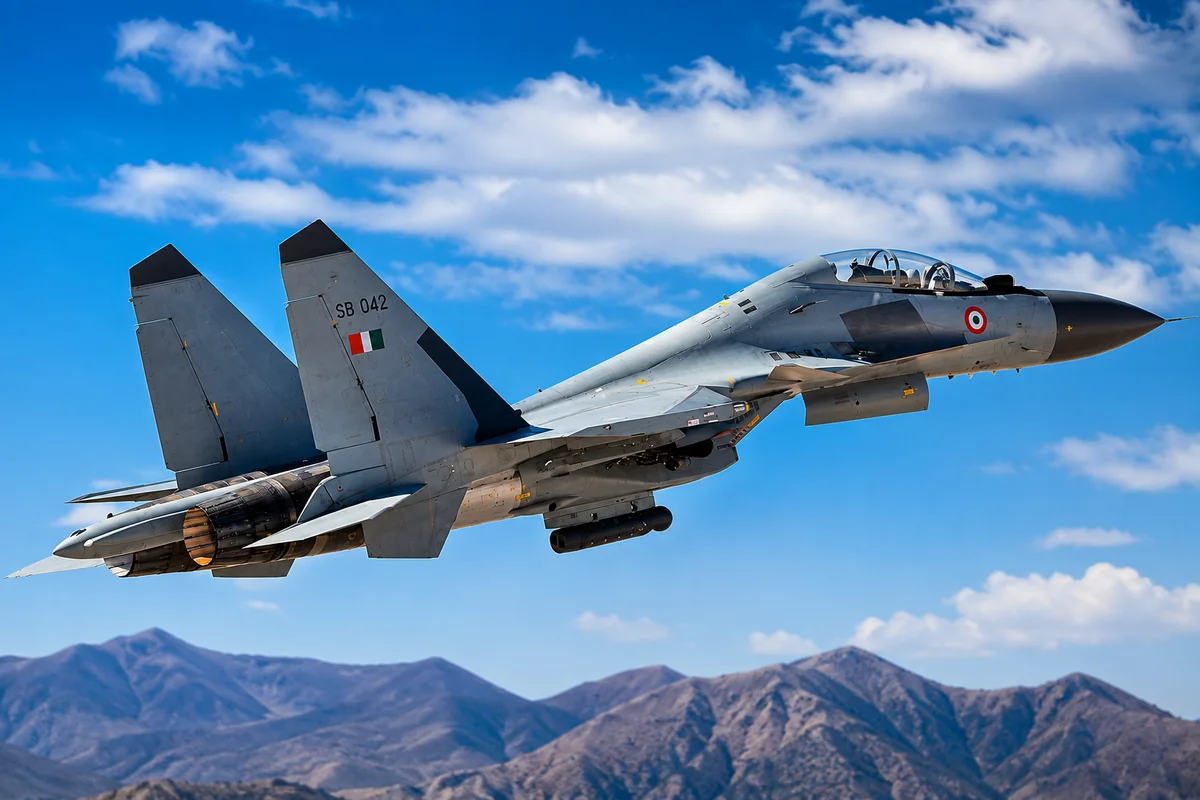
India has reportedly signed a $1.2 billion deal to acquire 300 Russian R-37M 'AWACS Killer' missiles for Su-30MKI fighter jets.

Royal Enfield launches the Shotgun 650 Limited Edition at ₹5.75 lakh in collaboration with Rough Crafts.
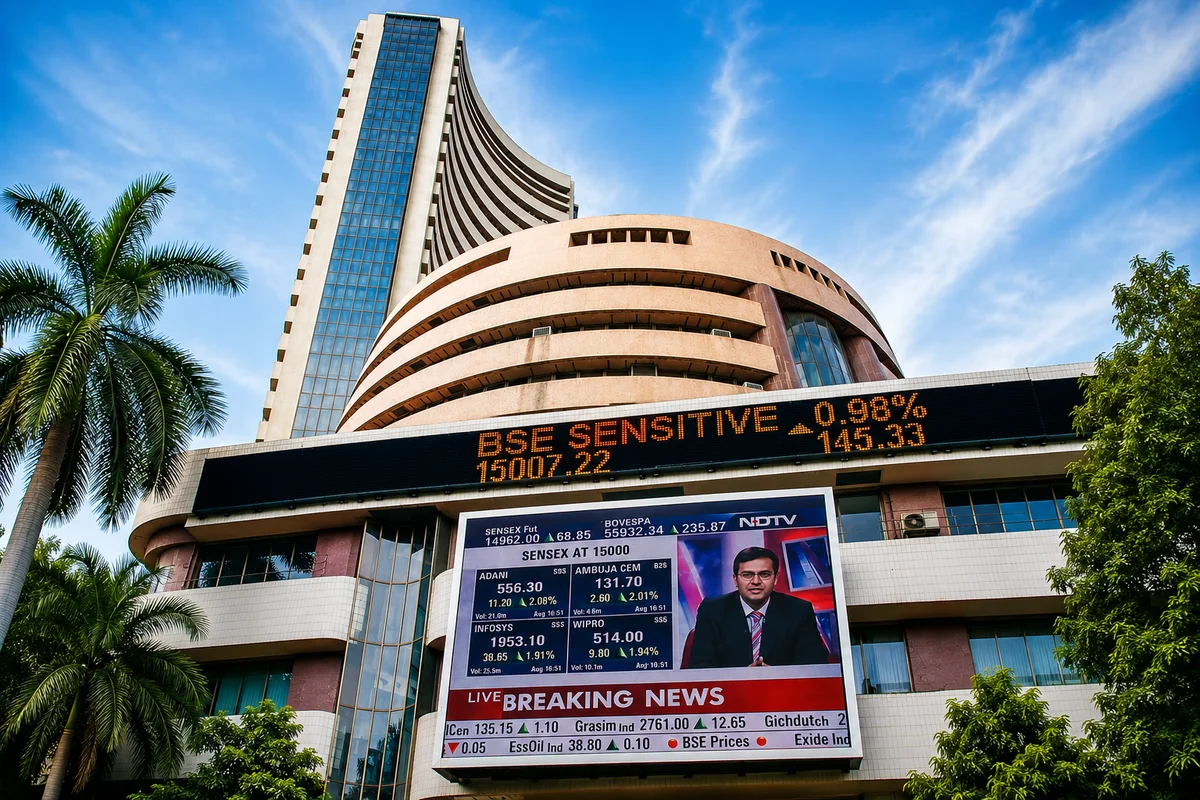
Q1 FY27 earnings season gathers pace as Reliance Industries, JSW Steel, Federal Bank, Havells, Tata Technologies and nearly 30 companies announce...
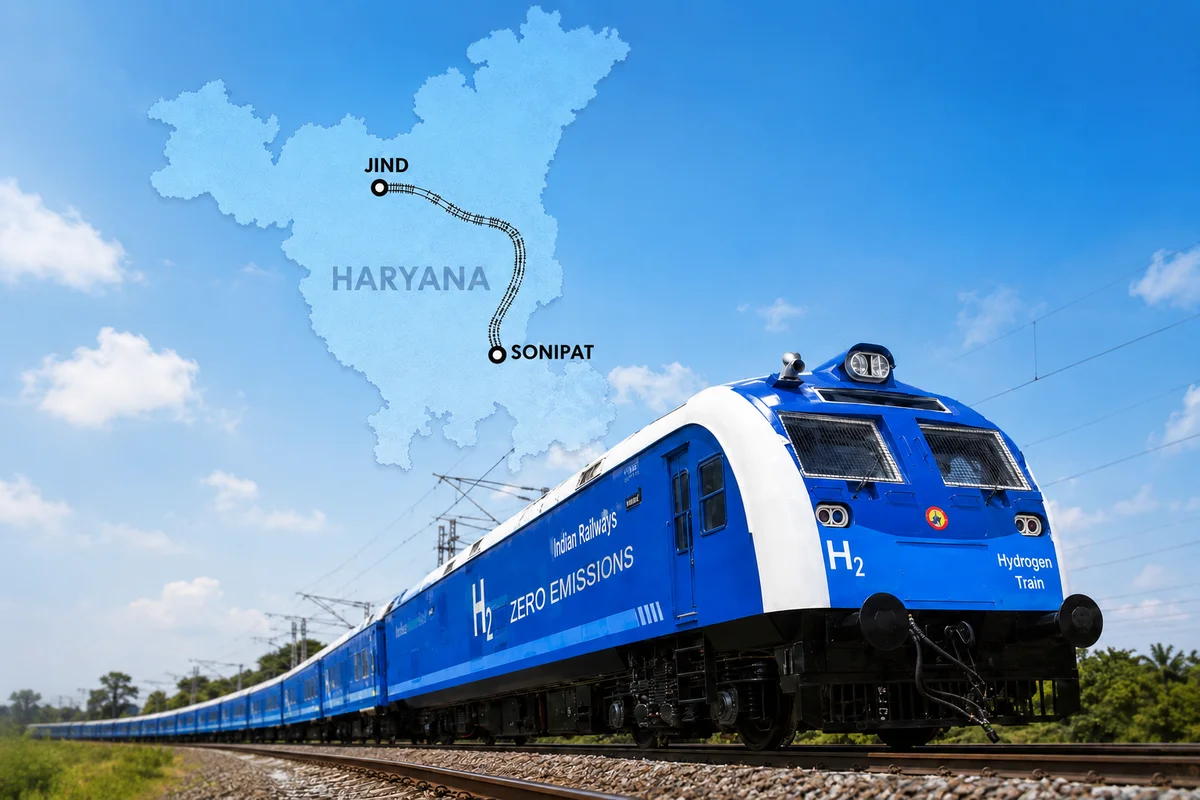
India is set to launch its first hydrogen-powered passenger train on July 17, marking a major milestone in green transportation.

Actor and entrepreneur Vivek Oberoi has revealed that his family office has invested in more than 30 companies, exited 11 investments, and generated...