Loading market data...
Tue, 06 Oct 2026
10:01:37 pm
Tue, 06 Oct 2026
10:01:37 pm

Rudransh Sangwan
Published at: August 22, 2026, 11:37 AM
Synopsis
Bengaluru airport UDF 300 from September 1 2026, Bengaluru airport passenger fee cut 45 percent, Bengaluru airport domestic passenger fee 300, Bengaluru airport UDF latest news, Bengaluru airport user development fee September 2026, why is Bengaluru airport UDF being reduced, Bengaluru airport new charges for domestic passengers, Bengaluru airport international UDF 997, Bengaluru airport charges from September 1 2026, AERA Bengaluru airport UDF 2026, Bengaluru airport UDF old vs new charges, Bengaluru airport passenger fee reduction 2026, will Bengaluru airport flights become cheaper, does airport UDF affect flight ticket prices, Bengaluru airport fee reduction impact on passengers, Bengaluru airport tariff 2026 to 2031, Bengaluru airport fourth control period 2026 2031, AERA airport tariff Bengaluru 2026, Bengaluru airport T2 Phase 2 charges, Bengaluru airport Eastern Cross Taxiway charges, Bengaluru airport infrastructure projects 2026, Bengaluru airport aviation news August 2026, Bengaluru airport travel news today, Indian aviation latest news 2026, airport passenger charges India 2026
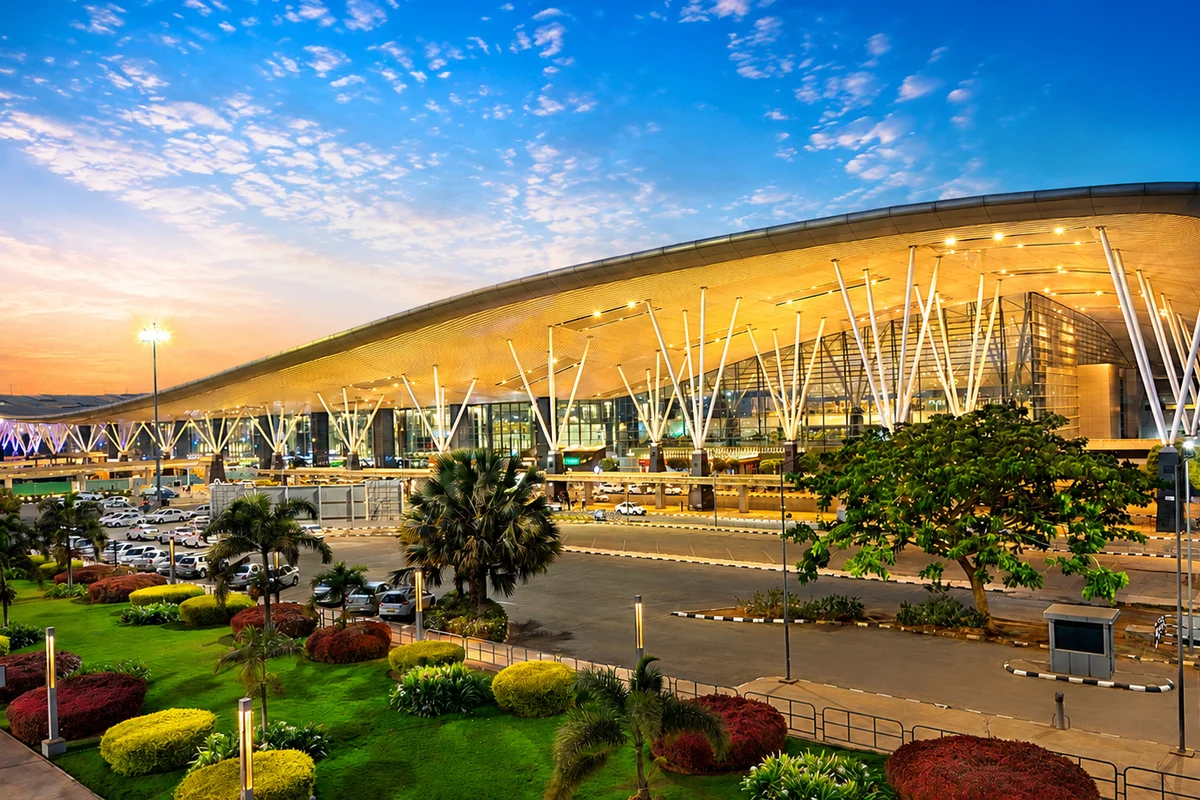
Domestic passengers flying from Bengaluru's Kempegowda International Airport will pay a significantly lower User Development Fee (UDF) from September 1, 2026, after the Airports Economic Regulatory Authority of India (AERA) fixed the charge at ₹300 per departing passenger. The revised fee is 45% below the existing ₹550 charge and is also lower than the ₹450 proposed by Bangalore International Airport Ltd (BIAL).
The reduction comes as AERA finalises the tariff framework for Bengaluru airport for the five-year control period running from April 1, 2026, to March 31, 2031. The decision is expected to make air travel more affordable for domestic passengers while changing how future airport infrastructure costs are recovered from travellers.
Under the revised tariff, departing domestic passengers will pay a UDF of ₹300 from September 1, compared with ₹550 currently. International passengers will also benefit from a lower charge, with the UDF reduced to ₹997 from ₹1,500.
The reduction is particularly relevant for Bengaluru because domestic passengers account for around 84% of the airport's total passenger traffic. The lower charge could therefore directly benefit a large portion of travellers using the airport.
| Particulars | Existing | Revised from Sept 1 |
|---|---|---|
| Domestic UDF | ₹550 | ₹300 |
| International UDF | ₹1,500 | ₹997 |
| Domestic reduction | - | 45% |
| Tariff period | - | FY27-FY31 |
AERA has adopted an incremental Average Revenue Requirement (ARR) framework for Bengaluru airport for the first time. Under this approach, passengers will not be charged for certain major infrastructure projects until those projects are completed, commissioned and available for use.
The regulator said this approach links tariff recovery more closely to the actual availability of airport infrastructure. It also aims to reduce the possibility of passengers and airlines paying for projects that are delayed, deferred or ultimately not executed.
The new framework applies to major projects including the Eastern Cross Taxiway, T2 Phase 2 terminal and T2 Phase 2 apron. AERA said incremental tariff recovery related to these projects will begin only after the assets become operational.
These projects are expected to enter the tariff calculation from 2029-30. The change effectively shifts part of the cost-recovery timeline, meaning passengers are not required to immediately bear charges associated with infrastructure that is still under development.
International passengers departing from Bengaluru airport will see their UDF fall to ₹997, compared with the existing ₹1,500. The revised amount is also below BIAL's proposed charge of ₹1,215.
The reduction could support passenger demand and improve the overall cost competitiveness of flying from Bengaluru. However, the eventual impact on ticket prices will depend on how airlines and other airport charges are reflected in the final airfare paid by travellers.
Alongside the UDF changes, AERA has also revised landing charges for the new control period. The landing charge has been set at ₹442 per metric tonne for domestic flights and ₹652 per metric tonne for international flights.
AERA also considered a substantially lower baseline Average Revenue Requirement than the amount proposed by BIAL. The regulator's baseline ARR was ₹14,604.31 crore, compared with BIAL's proposed ₹41,398.93 crore.
The reduction in UDF is expected to benefit domestic passengers most directly because of Bengaluru's large domestic traffic base. Lower airport charges could help contain the overall cost of air travel and support continued growth in passenger traffic.
For the airport operator, the revised framework places greater emphasis on completing major infrastructure projects before recovering their associated costs through tariffs. The approach could therefore create stronger incentives for timely project execution while reducing the risk of premature cost recovery from passengers.
From September 1, 2026, departing domestic passengers at Bengaluru airport will pay ₹300 as UDF, down from ₹550. International passengers will pay ₹997, compared with ₹1,500 previously.
The new tariff structure will remain applicable within AERA's fourth control period through March 31, 2031, subject to the regulator's framework for recovering costs associated with future airport infrastructure.
From September 1, 2026, the User Development Fee for departing domestic passengers at Bengaluru airport will be ₹300 per passenger.
The passenger fee has been revised by AERA as part of the new tariff structure for the 2026–31 control period, with the aim of keeping air travel more affordable while linking future infrastructure-related tariff recovery to completed projects.
The new UDF for departing international passengers will be ₹997 per passenger from September 1, 2026, compared with the existing ₹1,500.
Yes. From September 1, 2026, arriving passengers will also be subject to a UDF. The charge will be ₹125 for domestic arrivals and ₹426 for international arrivals.
The lower UDF reduces one component of the overall cost of flying from Bengaluru, but it does not guarantee lower ticket prices. Airfares also depend on fuel costs, airline pricing, demand, taxes and other charges.
The departing domestic UDF will fall from ₹550 to ₹300, resulting in a ₹250 reduction per departing passenger.
The revised UDF structure will come into effect from September 1, 2026, as part of the five-year tariff framework covering the period up to March 31, 2031.
UDF stands for User Development Fee. It is an airport charge collected from passengers to support approved airport costs and infrastructure-related requirements.
From September 1, departing domestic passengers will pay a ₹300 UDF, while arriving domestic passengers will pay ₹125.
Departing international passengers will pay ₹997, while arriving international passengers will pay ₹426 under the revised structure from September 1, 2026.
The current tariff framework covers the fourth control period from April 1, 2026, to March 31, 2031. However, specific charges may change based on the applicable regulatory framework and approved infrastructure-related adjustments.
AERA's incremental Average Revenue Requirement framework links recovery of certain infrastructure costs to the completion, commissioning and actual use of the relevant airport assets.
Major projects include the Eastern Cross Taxiway, T2 Phase 2 terminal and T2 Phase 2 apron. Incremental tariff recovery for these projects is expected after the relevant infrastructure is completed and put into use.
The lower UDF is intended to make air travel more affordable for passengers and support the growth of domestic aviation. Domestic travellers account for a large majority of Bengaluru airport's passenger traffic.
Financial journalist specializing in market analysis, stock research, and investment trends. Dedicated to providing accurate, timely insights for informed decision-making.
Credentials: Experienced financial journalist with expertise in equity markets and economic analysis
The information provided in this article is for educational and informational purposes only and should not be construed as financial, investment, or legal advice. welomoney does not provide personalized investment recommendations.
For detailed terms and conditions, please read our Disclaimer and Terms of Service.
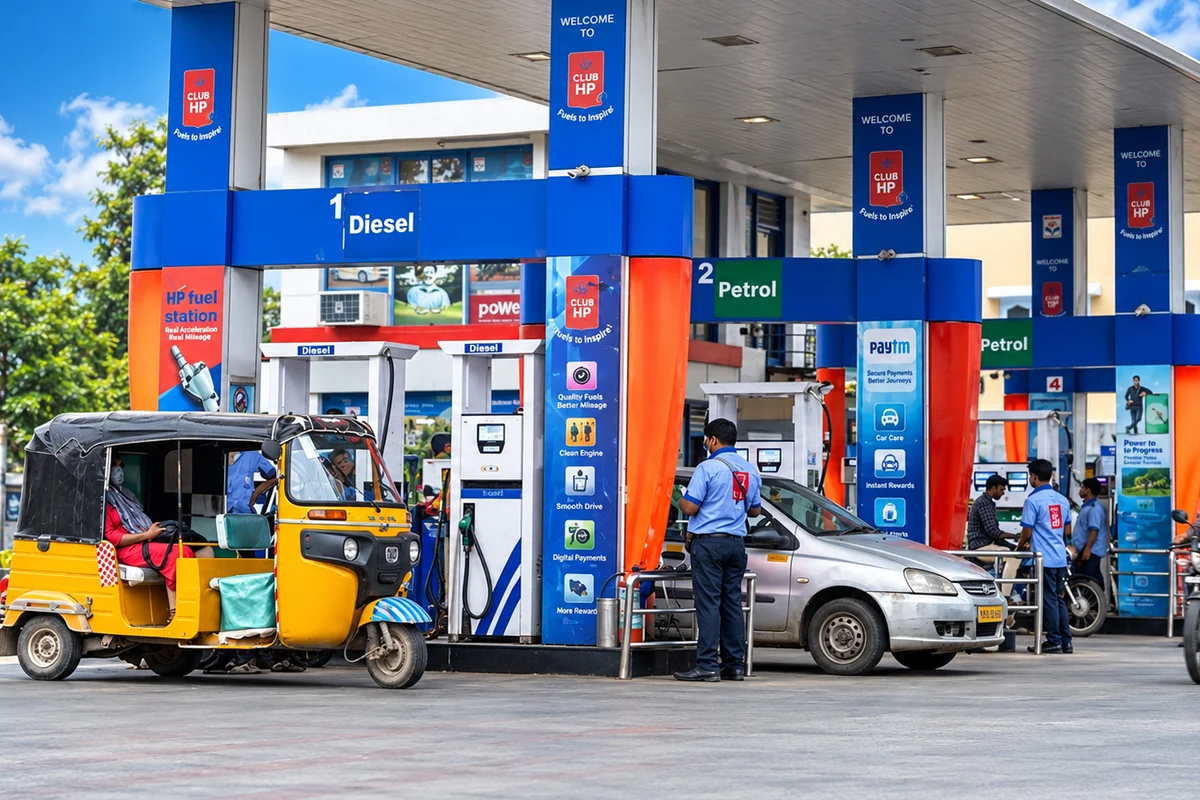
Petrol prices rise by ₹5 and diesel by ₹3 per litre as crude oil prices climb, raising concerns over fuel costs, transport expenses and inflation.
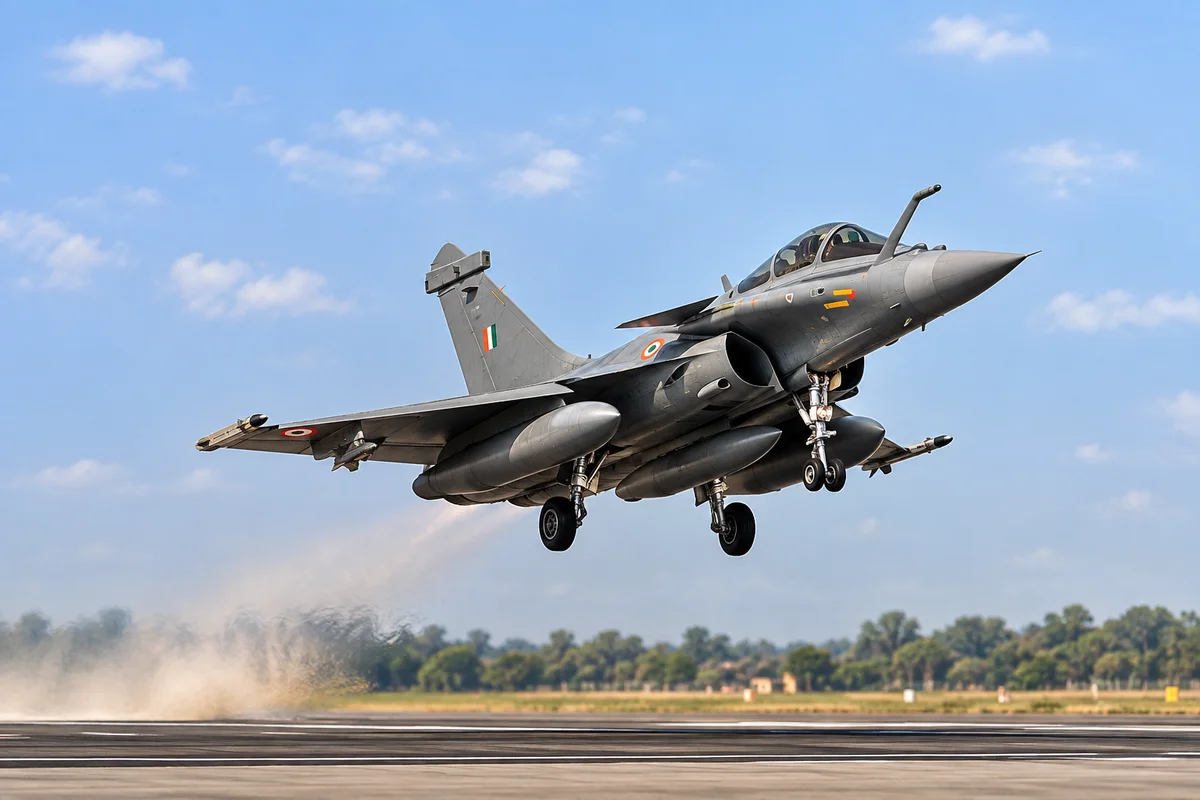
India’s Rafale plan could create a second fighter jet production line, expand local manufacturing and continue alongside the indigenous Tejas Mk1A...

Cabinet approves higher MSPs for six Rabi crops, an AI-based traffic system for Delhi and Green Energy Corridor Phase 3 to expand renewable power...

ITC buys the remaining Yoga Bar stake for ₹645 crore, taking full ownership of Sproutlife Foods. Here's what the acquisition means.

Explore the 8-week losing streak, FPI selling, crude oil prices, US bond yields, rupee weakness and key market factors.