Loading market data...
Wed, 02 Sept 2026
11:29:48 am
Wed, 02 Sept 2026
11:29:48 am

Rudransh Sangwan
Published at: April 16, 2026, 5:57 AM
Synopsis
Markets are volatile due to geopolitical tensions and oil price swings. Discover 5 proven strategies to make money, manage risk, and invest smartly in uncertain markets.

The stock market today is no longer moving purely on earnings or economic data. Instead, it is being driven by global events, especially geopolitical tensions and sharp movements in crude oil prices. This has created a market environment where indices can swing rapidly within days, making traditional investing approaches less effective in the short term.
In recent weeks, the Nifty 50 saw a sharp correction of nearly 10 percent, followed by a partial recovery of around 8 percent, highlighting how unpredictable price action has become. At the same time, crude oil prices have fluctuated between $90 and $120, directly impacting inflation, currency, and corporate margins.
Data suggests that volatility is no longer temporary but structural. This leads to frequent sharp moves in both directions, which results in opportunities for disciplined investors rather than risks for prepared ones.
In volatile markets, expensive stocks tend to fall the hardest because they are driven more by sentiment than fundamentals. When uncertainty rises, investors quickly exit overvalued stocks, leading to sharper corrections.
A smarter approach is to focus on companies trading at reasonable valuations with strong earnings visibility. These stocks provide a margin of safety and are less likely to see extreme downside.
Key approach
The logic is simple. If a stock is fairly valued, even a market correction will not significantly damage its long-term potential.
Markets may react to headlines, but long-term wealth is created by strong businesses. Reacting to every geopolitical update often leads to poor decisions and unnecessary trades.
Instead, investors should evaluate
When fundamentals remain strong, price volatility becomes noise rather than a signal. This shift in mindset is what separates successful investors from reactive traders.
Timing the market perfectly is nearly impossible, especially in a volatile environment. Prices can reverse sharply based on a single news event, making lump sum investing risky.
A phased investment strategy helps reduce this risk
This approach ensures that investors do not miss opportunities while also protecting against sharp downside moves.
Volatility does not impact all assets equally. While equities may fall, other assets like gold or even digital assets may perform differently.
Diversification helps balance risk
| Asset Class | Role in Portfolio | Behavior in Volatility |
|---|---|---|
| Equities | Growth | High volatility |
| Gold | Hedge | Performs well in uncertainty |
| Debt | Stability | Low volatility |
| Cash | Liquidity | Opportunity buffer |
Gold, in particular, has historically acted as a hedge during geopolitical uncertainty, while equities provide long-term growth. A balanced allocation ensures that losses in one asset are offset by gains in another.
The biggest mistake investors make during volatile markets is emotional decision-making. Panic selling during corrections or aggressive buying during rallies often leads to losses.
A disciplined strategy focuses on
Liquidity plays a critical role. Having cash allows investors to take advantage of market corrections instead of being forced to sell assets.
One factor often overlooked is the role of domestic liquidity. Retail participation through SIPs and institutional flows continues to support the market even during corrections.
This means that dips are increasingly being bought, reducing the chances of prolonged bear markets.
Many investors believe that predicting market direction is the key to success. In reality, consistent returns come from disciplined execution, not prediction.
Trying to time every move often leads to missed opportunities and higher risk.
While most investors fear volatility, experienced investors use it to their advantage. Sharp corrections provide entry points into quality stocks at better valuations.
Instead of avoiding volatile markets, the focus should be on managing risk while staying invested.
Looking ahead, volatility is likely to remain due to
However, markets tend to reward disciplined investors over time, regardless of short-term fluctuations.
Making money in a volatile market is not about predicting the next move but about preparing for every move. Investors who focus on valuations, fundamentals, diversification, and disciplined execution are better positioned to turn volatility into opportunity. The market may remain uncertain, but a structured approach ensures consistent long-term growth.
Yes, volatility creates both risks and opportunities. Investors who follow disciplined strategies like phased investing and diversification can benefit from price swings.
A combination of valuation-based investing, diversification, and risk management works best. No single strategy is enough on its own.
No, stopping investments can lead to missed opportunities. Systematic investing during volatile phases often results in better long-term returns due to cost averaging.
Financial journalist specializing in market analysis, stock research, and investment trends. Dedicated to providing accurate, timely insights for informed decision-making.
Credentials: Experienced financial journalist with expertise in equity markets and economic analysis
The information provided in this article is for educational and informational purposes only and should not be construed as financial, investment, or legal advice. welomoney does not provide personalized investment recommendations.
For detailed terms and conditions, please read our Disclaimer and Terms of Service.
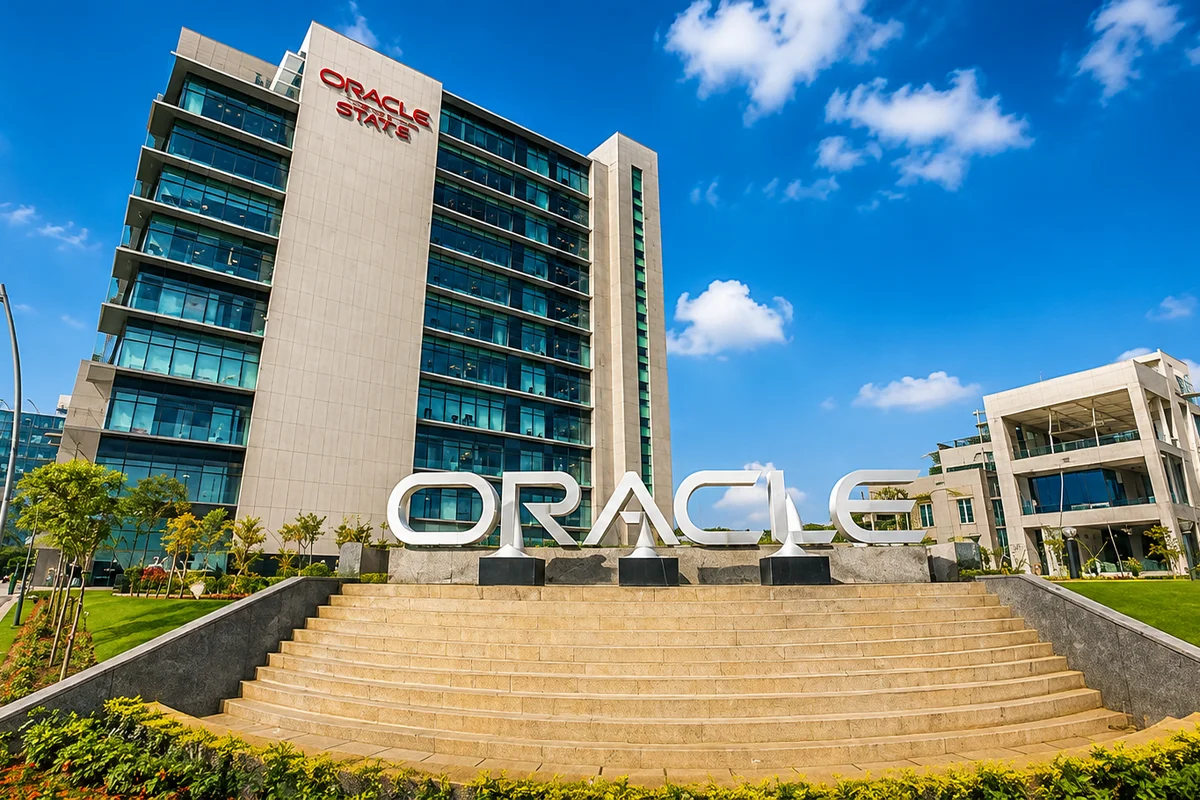
Oracle layoffs 2026: Employees brace for possible September 1 job cuts after 21,000 layoffs.

Mumbai warehouse raid uncovers tampered food labels on popular packaged food products, raising fresh concerns over food safety and export supply...

RBI plans polymer ₹10 and ₹20 notes with strict tender conditions. Check the latest on animal fat, China-Pakistan links, companies in the race and...
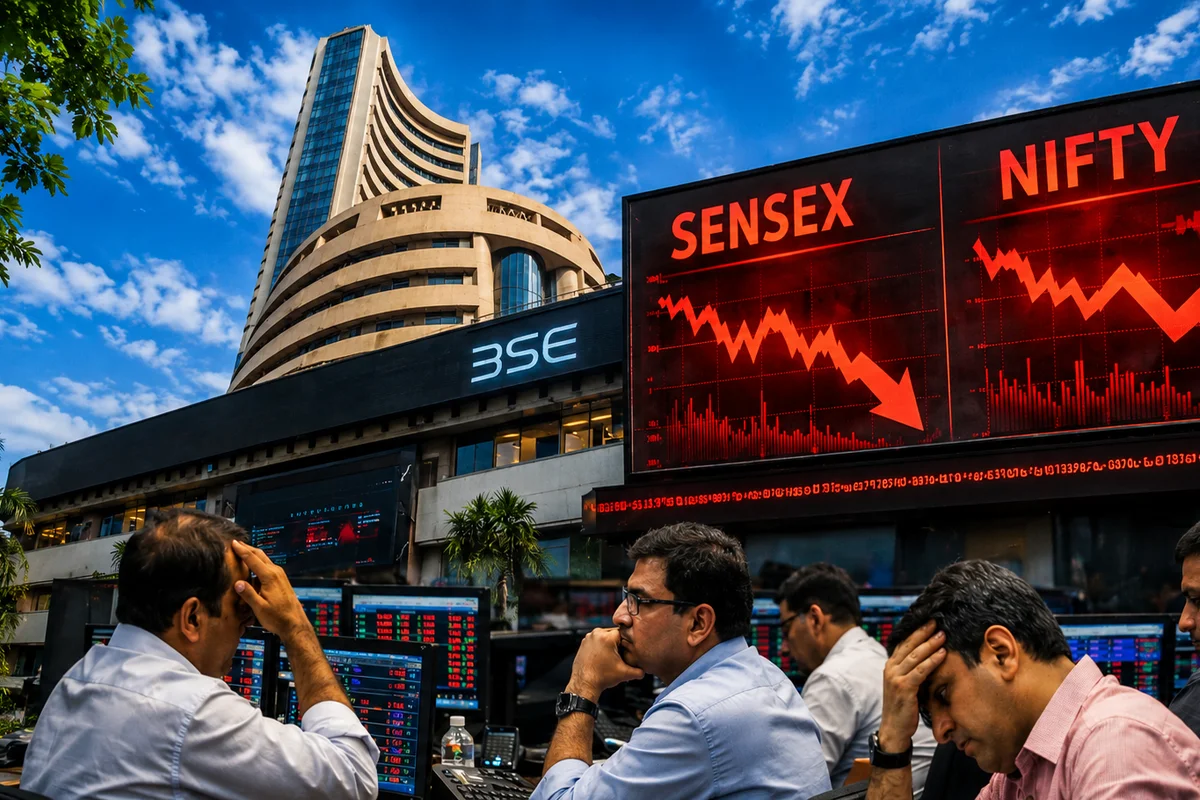
Indian stock markets fell on August 31, 2026, as renewed West Asia tensions pushed crude oil prices higher.

Indian stock market today saw sharp movements across key sectors, with major gainers and losers driving notable volatility on the NSE.