Loading market data...
Sun, 20 Sept 2026
05:38:05 am
Sun, 20 Sept 2026
05:38:05 am

Rudransh Sangwan
Published at: June 21, 2026, 11:54 PM
Synopsis
Basmati rice prices may fall 5–10% as the Strait of Hormuz closure disrupts exports to key Middle Eastern markets. Tea exports also face pressure due to rising freight costs and shipping delays.
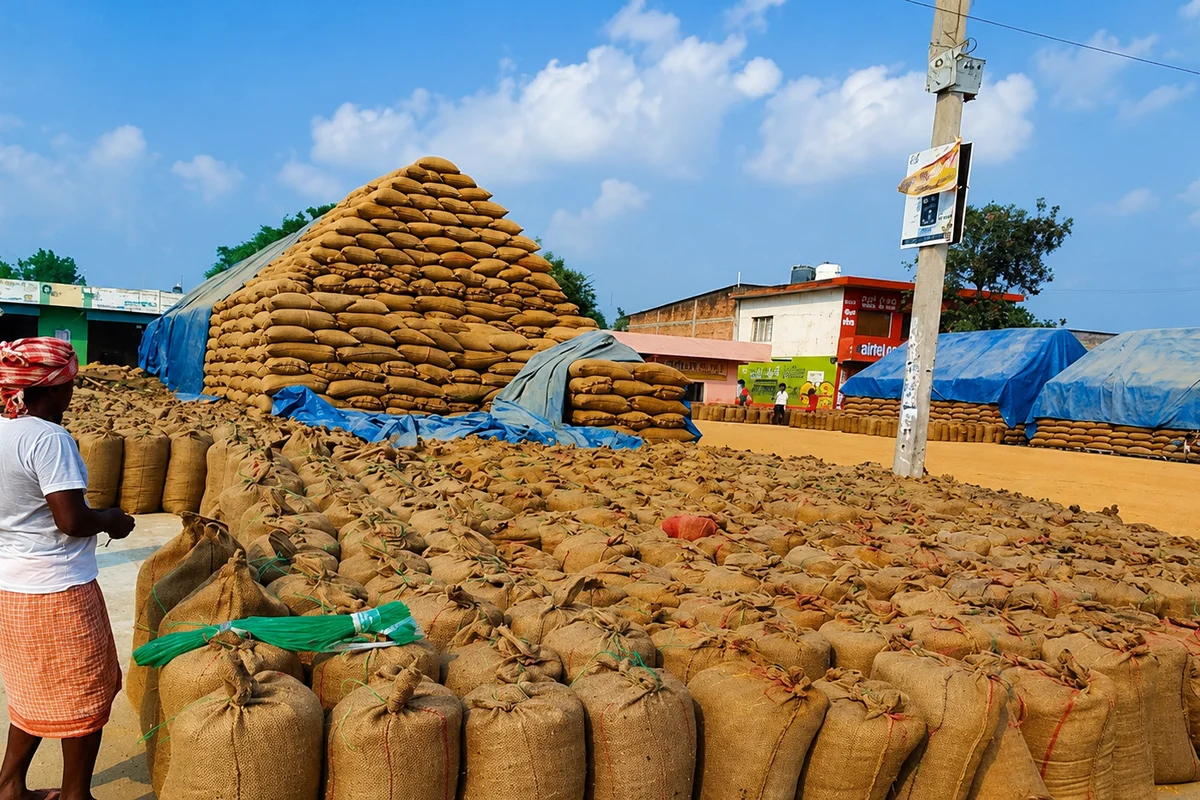
India's basmati rice industry is facing fresh uncertainty after Iran announced the closure of the Strait of Hormuz, a key global shipping route. Industry experts warn that basmati rice prices could decline by 5–10% as export shipments to major Middle Eastern markets face disruptions and freight costs surge.
The development comes shortly after basmati prices had rallied sharply following the interim US-Iran peace agreement, which had triggered strong buying activity from exporters targeting West Asian markets.
According to industry estimates, nearly 60,000 tonnes of basmati rice destined for West Asian countries are currently in transit and could face logistical challenges due to shipping disruptions.
| Particulars | Details |
|---|---|
| India's Annual Basmati Production | 7.2 Million Tonnes |
| Annual Basmati Exports | 6 Million Tonnes |
| Share of Exports to West Asia | Around 50% |
| Rice Currently in Transit | 60,000 Tonnes |
| Expected Price Impact | 5–10% Decline |
Industry representatives believe export demand could weaken if shipping routes remain blocked for an extended period.
Following the temporary easing of geopolitical tensions between the US and Iran, exporters had increased procurement activities, causing basmati prices to rise by nearly 15–20% in recent weeks.
However, the sudden announcement regarding the Strait of Hormuz closure has changed market sentiment.
| Factor | Impact |
|---|---|
| Shipping Disruptions | Negative |
| Export Delays | Negative |
| Higher Freight Costs | Negative |
| Weak Export Demand | Negative |
| Inventory Build-Up | Negative |
As export orders slow down, domestic basmati prices may come under pressure in the short term.
The Middle East remains one of the largest destinations for Indian basmati rice exports.
| Country | Importance |
|---|---|
| Saudi Arabia | Major Importer |
| Iran | Key Market |
| Iraq | Large Buyer |
| UAE | Strategic Market |
| Yemen | Growing Demand |
Together, these countries account for nearly half of India's total basmati rice exports, making the region critical for the industry.
The crisis is not limited to rice exports.
India's tea industry, which achieved a record 285 million kg of exports in 2025, is also facing significant challenges as nearly 50% of tea shipments are linked to Middle Eastern markets.
| Metric | Details |
|---|---|
| Tea Exports in 2025 | 285 Million Kg |
| Share Going to Middle East | Around 50% |
| Current Situation | Export Slowdown |
| Key Challenge | Higher Freight Charges |
Exporters have reported that rising shipping costs through alternative routes and disruptions in the Red Sea corridor have significantly impacted tea shipments.
The Strait of Hormuz is one of the world's most important maritime trade routes, handling a significant portion of global energy and commodity shipments.
For India, prolonged disruptions could result in:
| Sector | Impact Level |
|---|---|
| Basmati Rice | High |
| Tea Exports | High |
| Logistics | High |
| Shipping | High |
| Agricultural Exports | Moderate to High |
While the current situation remains fluid, exporters are closely monitoring developments in the Middle East.
If shipping operations normalize quickly, the impact may remain temporary. However, prolonged disruptions could lead to sustained pressure on export-oriented agricultural commodities, especially basmati rice and premium tea exports.
The closure of the Strait of Hormuz has created fresh uncertainty for India's agricultural export sector. While basmati rice prices may correct by 5–10% in the near term due to export disruptions, the long-term impact will depend on how quickly shipping routes reopen. With the Middle East accounting for a significant share of India's rice and tea exports, industry participants remain cautious amid rising geopolitical risks.
Prices may decline due to export disruptions, higher freight costs, and weaker demand from Middle Eastern markets following the Strait of Hormuz closure.
Approximately 60,000 tonnes of basmati rice shipments are currently in transit to West Asian countries.
Saudi Arabia, Iran, Iraq, UAE, and Yemen are among the largest importers of Indian basmati rice.
Around 50% of India's total basmati rice exports are shipped to West Asian markets.
Yes, nearly 50% of India's tea exports are linked to Middle Eastern markets, making the sector vulnerable to shipping disruptions.
Financial journalist specializing in market analysis, stock research, and investment trends. Dedicated to providing accurate, timely insights for informed decision-making.
Credentials: Experienced financial journalist with expertise in equity markets and economic analysis
The information provided in this article is for educational and informational purposes only and should not be construed as financial, investment, or legal advice. welomoney does not provide personalized investment recommendations.
For detailed terms and conditions, please read our Disclaimer and Terms of Service.

Share market today updates as Tata stocks come under pressure amid developments at Tata Sons.

Explore Mukul Agrawal’s portfolio, including his latest stock holdings, stake details, major positions, new additions and historical investments.

Sensex and Nifty trade higher as investors assess the Federal Reserve's latest rate decision, rupee movement, IT stocks and broader market trends.

Stock market today: Sensex and Nifty trade higher as HCL Tech, M&M and Axis Bank gain, while broader markets remain under pressure amid volatile...

UPI payments up to ₹2,000 remain protected from direct or indirect charges under the latest government notification.