Loading market data...
Sat, 19 Sept 2026
10:00:40 am
Sat, 19 Sept 2026
10:00:40 am

Rudransh Sangwan
Published at: August 5, 2026, 4:48 AM
Synopsis
The government is considering reintroducing Merchant Discount Rate (MDR) of 25 to 30 basis points on select UPI merchant transactions. Here's what the proposal means for merchants, banks, fintech companies, digital payments, and India's growing UPI ecosystem.
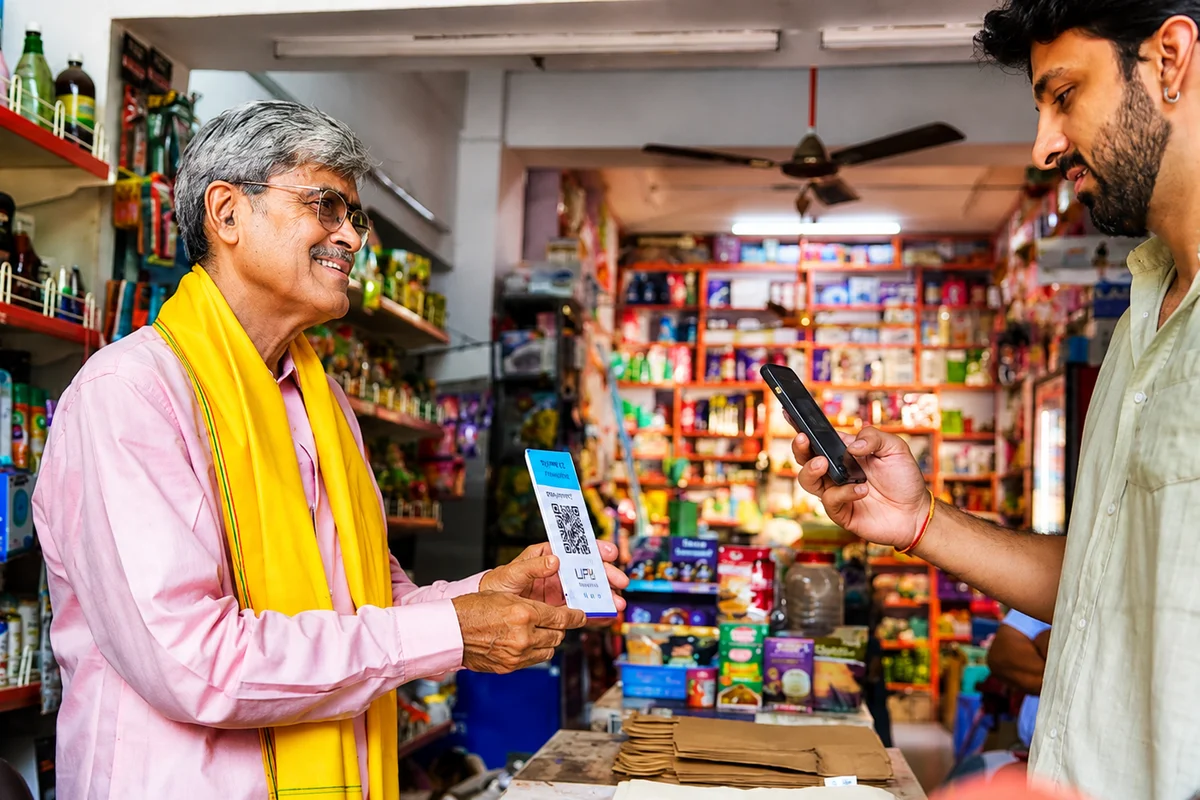
India's digital payments ecosystem could be on the verge of a major policy shift as the government is expected to reintroduce the Merchant Discount Rate (MDR) on select UPI transactions. According to reports, the proposed MDR is likely to be between 25 and 30 basis points (bps) and would primarily apply to high value merchant payments and large commercial establishments, rather than everyday consumer transactions. If implemented, the move could generate nearly ₹13,000 crore in annual revenue while creating a more sustainable business model for banks, fintech companies and payment service providers.
The proposal follows the introduction of the Digital Payments Bill in Parliament, which seeks to amend the legal framework that has enforced zero MDR on UPI transactions since 2020. While the legislation does not explicitly restore MDR, industry sources indicate that the removal of the legal restriction is expected to pave the way for the government to notify fresh MDR rules after the Bill receives legislative approval.
| Particulars | Details |
|---|---|
| Proposed MDR | 25 to 30 Basis Points |
| Likely Applicability | High Value Merchant Transactions |
| Consumer Charges | No Direct Charge to Consumers |
| Estimated Annual Revenue | Around ₹13,000 Crore |
| Current UPI MDR | Zero Since 2020 |
| Expected Next Step | Government Gazette Notification |
Merchant Discount Rate (MDR) is the commission that merchants pay to banks and payment service providers for processing digital transactions. Unlike customer charges, MDR is borne by businesses that accept digital payments and is shared among acquiring banks, issuing banks and payment infrastructure providers.
Before 2020, UPI transactions attracted an MDR of around 30 basis points, but the government removed these charges to accelerate digital payment adoption across the country. While the policy helped make UPI India's most widely used payment platform, industry participants have increasingly argued that zero MDR has made the ecosystem financially challenging for banks and fintech companies responsible for maintaining payment infrastructure.
| Category | Proposed Framework |
|---|---|
| MDR Rate | 25 to 30 bps |
| Applies To | Merchant Transactions |
| Consumer Payments | No Additional Charges |
| Target Users | Large Businesses & High Value Payments |
| Threshold | Under Government Discussion |
According to discussions currently underway, the proposed MDR is expected to be restricted to high value UPI payments and transactions involving large commercial entities. The exact transaction threshold and merchant categories are still being finalised, meaning smaller merchants and low value payments may continue to remain outside the MDR framework.
For perspective, 25 basis points translates to 25 paise for every ₹100 processed through UPI or ₹25 on a transaction worth ₹10,000. Compared with other payment instruments, the proposed UPI MDR remains relatively modest. Debit cards currently attract MDR of around 80 to 90 basis points, while credit card MDR can reach nearly 250 basis points, making the proposed UPI rate significantly lower.
The discussion around reintroducing MDR comes as the UPI ecosystem continues to expand at an unprecedented pace. India now processes more than 23 billion UPI transactions every month, with monthly transaction values approaching ₹30 lakh crore. UPI currently accounts for nearly 88% of all digital payment transactions in the country.
A recent report by the Standing Committee on Finance observed that while zero MDR played an important role in encouraging digital payment adoption, the absence of a sustainable revenue model has placed increasing financial pressure on banks, fintech firms and payment service providers. The committee noted that India's digital payment ecosystem could eventually process 100 to 150 billion transactions every month, adding another 600 million users over the coming years. Supporting that level of growth would require continuous investments in technology, cybersecurity, fraud prevention and payment infrastructure.
| Metric | Estimate |
|---|---|
| Proposed MDR | 25 bps |
| Transaction Threshold | Above ₹2,000 (Under Discussion) |
| Estimated Annual MDR Collection | ₹13,000 Crore |
| Monthly UPI Transactions | Over 23 Billion |
| Monthly Transaction Value | Nearly ₹30 Lakh Crore |
One of the biggest objectives behind reintroducing MDR is to improve the financial sustainability of India's digital payments ecosystem. At present, banks and payment companies continue to process massive UPI transaction volumes without earning MDR from merchants, while government incentive payments have also faced delays in recent years.
Industry participants believe that introducing a limited MDR framework would create a stable revenue stream that can be reinvested into payment infrastructure, fraud detection systems, innovation and customer services. A sustainable monetisation model could also encourage greater investments from fintech companies as India's digital payments market continues to expand.
The proposal is also expected to benefit payment ecosystem participants already investing heavily in India's digital infrastructure. Companies involved in fintech and digital payments may receive a stronger long term revenue opportunity if MDR is implemented selectively for eligible merchant transactions.
Following Parliamentary approval of the Bill, the government is expected to issue an official Gazette Notification detailing the MDR framework, including applicable merchant categories, transaction thresholds and commission rates. After that, the Reserve Bank of India (RBI) is likely to provide operational guidelines explaining how MDR revenue will be distributed among banks, payment service providers and other stakeholders within the digital payments ecosystem.
Until the final notification is released, the proposed MDR rates and eligibility criteria remain under discussion. Investors, merchants, fintech companies and banks will closely monitor the government's final framework, as it could reshape the economics of India's rapidly growing UPI ecosystem while maintaining the country's leadership in digital payments.
Financial journalist specializing in market analysis, stock research, and investment trends. Dedicated to providing accurate, timely insights for informed decision-making.
Credentials: Experienced financial journalist with expertise in equity markets and economic analysis
The information provided in this article is for educational and informational purposes only and should not be construed as financial, investment, or legal advice. welomoney does not provide personalized investment recommendations.
For detailed terms and conditions, please read our Disclaimer and Terms of Service.
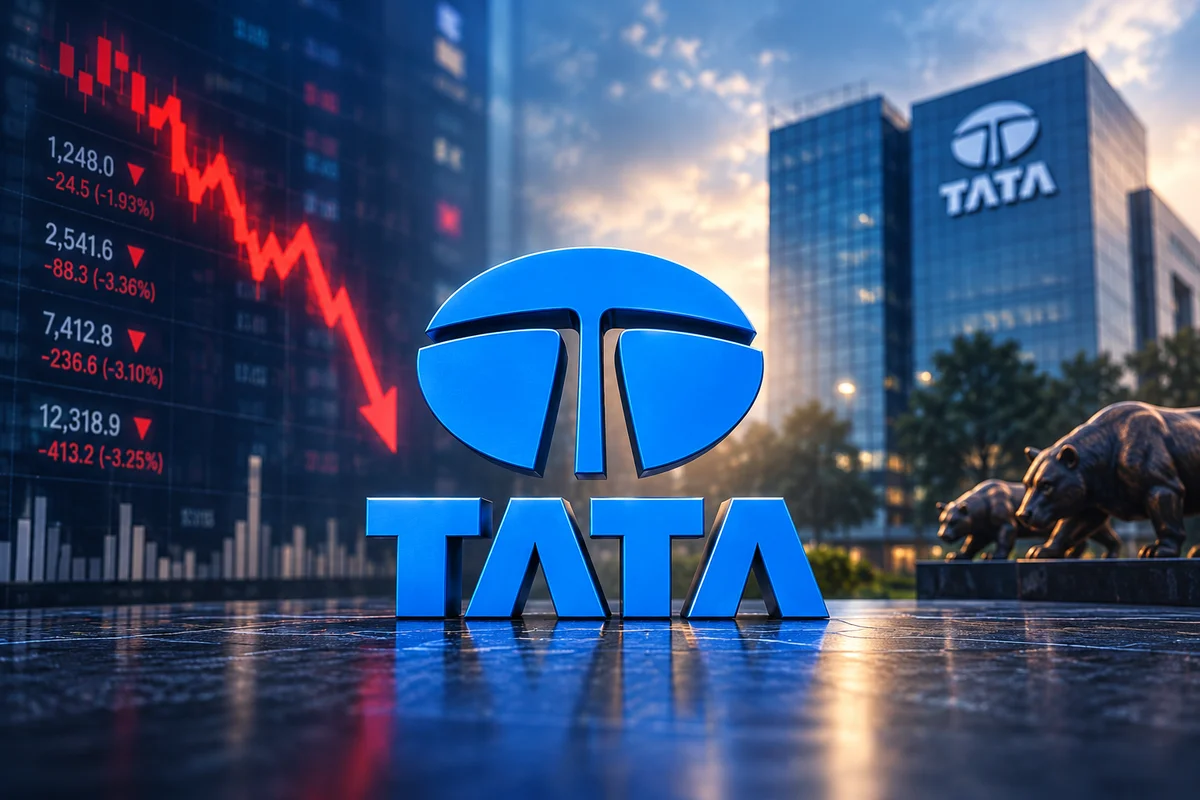
Share market today updates as Tata stocks come under pressure amid developments at Tata Sons.

Explore Mukul Agrawal’s portfolio, including his latest stock holdings, stake details, major positions, new additions and historical investments.
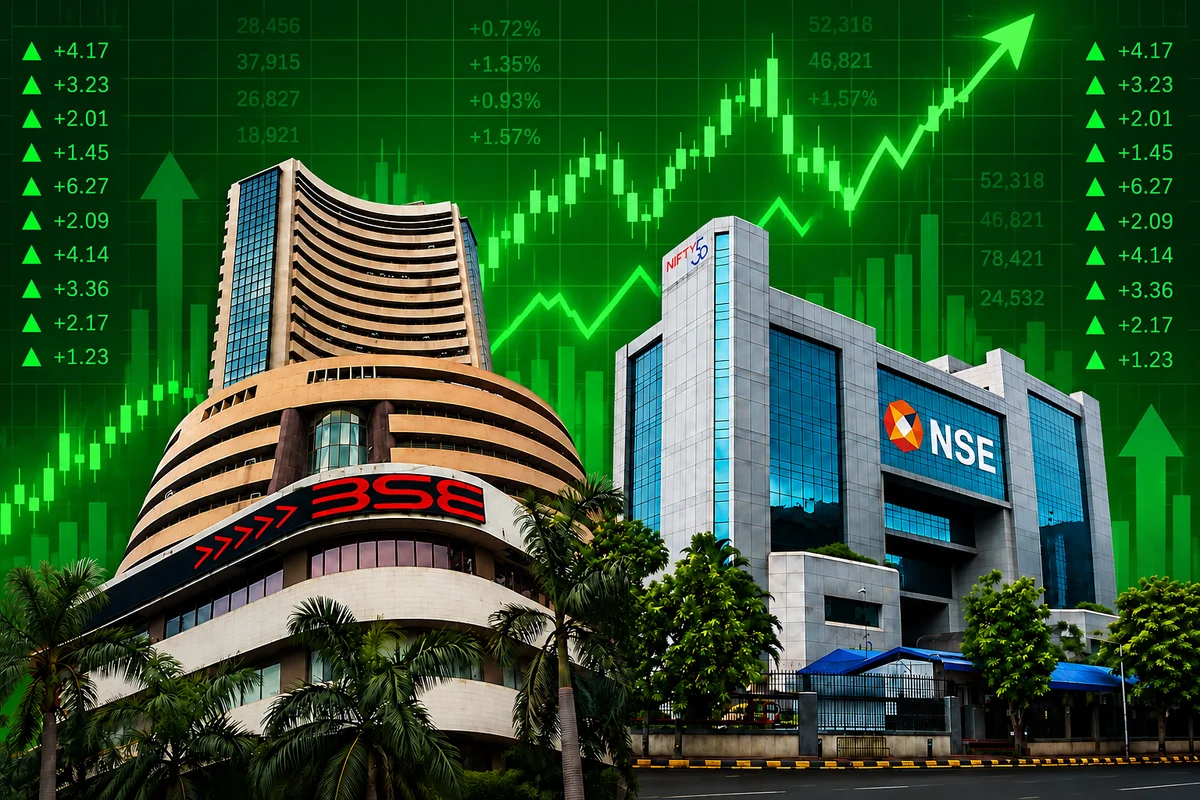
Sensex and Nifty trade higher as investors assess the Federal Reserve's latest rate decision, rupee movement, IT stocks and broader market trends.
Stock market today: Sensex and Nifty trade higher as HCL Tech, M&M and Axis Bank gain, while broader markets remain under pressure amid volatile...
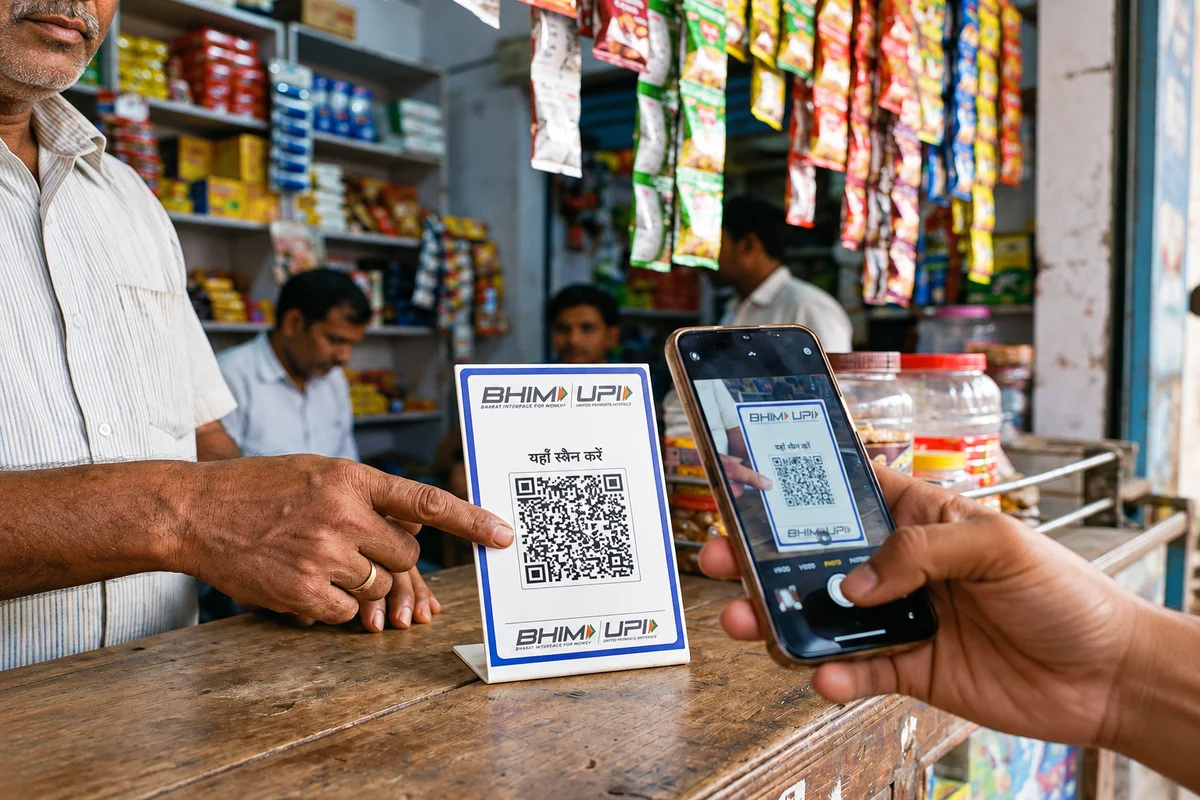
UPI payments up to ₹2,000 remain protected from direct or indirect charges under the latest government notification.