Loading market data...
Tue, 15 Sept 2026
07:09:33 pm
Tue, 15 Sept 2026
07:09:33 pm
Synopsis
Dixon Technologies, HFCL, VVDN and 14 other companies have committed ₹3,500 crore to India's first telecom manufacturing zone in Gwalior. Here's how the project, government incentives, major investments and job creation could strengthen India's telecom manufacturing ecosystem.

India is taking another major step towards becoming a global electronics and telecom manufacturing hub. More than 14 leading companies, including Dixon Technologies, HFCL, VVDN Technologies, Syrma SGS, and Sparsh CCTV, have collectively committed around ₹3,500 crore to establish manufacturing facilities in India's first dedicated telecom manufacturing zone at Gwalior, Madhya Pradesh.
The project is being developed jointly by the Central Government and the Government of Madhya Pradesh with the objective of creating a complete telecom manufacturing ecosystem covering research and development, design, testing, manufacturing and exports. The Centre has already committed ₹493 crore towards developing the required infrastructure, while the state government has announced one of the country's most attractive incentive packages to attract large scale investments.
The telecom manufacturing zone is expected to strengthen India's domestic production capabilities in 5G, 6G, optical networking, telecom equipment and satellite communications, while reducing import dependence and creating thousands of new jobs.
| Particulars | Details |
|---|---|
| Location | Gwalior, Madhya Pradesh |
| Total Initial Private Investment | ₹3,500 Crore |
| Central Government Infrastructure Support | ₹493 Crore |
| Initial Land Allocated | 170 Acres |
| Companies Committed | 14+ |
| Expected Employment | 14,000 Jobs |
| Long Term Investment Target | ₹10,000 Crore |
Unlike traditional industrial parks, the new telecom manufacturing zone is designed to house the entire telecom value chain in one location. Companies will be able to undertake research, product design, component manufacturing, testing, certification and large scale production from a single integrated ecosystem.
According to Communications Minister Jyotiraditya Scindia, bringing every stage of telecom manufacturing under one roof will improve India's competitiveness in global telecom equipment manufacturing while encouraging higher exports and faster innovation.
A Special Purpose Vehicle (SPV) will be formed to manage the project, with the Madhya Pradesh Government holding a 51% stake and the Central Government holding the remaining 49%.
| Component | Details |
|---|---|
| Ownership Model | Centre and Madhya Pradesh Joint Venture |
| State Government Stake | 51% |
| Central Government Stake | 49% |
| Focus Areas | R&D, Design, Manufacturing, Testing |
| Target Industries | Telecom, Networking, Optical Equipment, Satellite Communications |
To make the project attractive for manufacturers, both governments have announced significant financial support. The Central Government's ₹493 crore investment will be used to develop internal infrastructure, establish advanced testing laboratories, technology centres and promote the manufacturing hub globally.
The Madhya Pradesh Government has announced multiple incentives for companies establishing production facilities, including capital subsidies, R&D support, subsidised land and lower utility costs.
| Incentive | Details |
|---|---|
| Capital Support | Up to 50%, maximum ₹200 Crore |
| R&D Support | Up to ₹25 Crore |
| Land Lease | ₹1 per sq. metre annually for 30 years |
| Power Tariff Rebate | ₹2 per unit |
| Water Charges | Subsidised |
| Initial Land Allocation | 170 Acres |
Several leading Indian electronics and telecom manufacturers have already announced investment commitments.
HFCL will invest ₹700 crore during the first phase to establish an optical connectivity solutions manufacturing facility. The company expects nearly 80% of production from the facility to be exported while creating around 750 jobs.
VVDN Technologies has committed ₹500 crore to establish a research and development centre along with manufacturing facilities focused on 5G, 6G and satellite communication technologies. The company expects the project to generate nearly 5,000 jobs.
Dixon Technologies plans to invest around ₹200 crore for manufacturing telecom customer premises equipment (CPE), networking equipment, telecom components and optical transceivers supporting India's expanding data centre industry.
Other companies including Syrma SGS and Sparsh CCTV have also announced investment commitments of ₹250 crore and ₹300 crore, respectively.
| Company | Investment | Focus Area |
|---|---|---|
| HFCL | ₹700 Crore | Optical Connectivity Solutions |
| VVDN Technologies | ₹500 Crore | 5G, 6G, Satellite Communications R&D |
| Sparsh CCTV | ₹300 Crore | Electronics Manufacturing |
| Syrma SGS | ₹250 Crore | Electronics Manufacturing |
| Dixon Technologies | ₹200 Crore | Telecom Equipment and Components |
The manufacturing zone will focus on products that are expected to see significant global demand over the coming decade. These include 5G infrastructure, 6G communication equipment, optical networking products, customer premises equipment, telecom components, optical transceivers and satellite communication systems.
Many participating companies have also indicated that a significant portion of production will be exported, supporting India's ambition to become a global telecom manufacturing destination rather than serving only domestic demand.
| Technology | Purpose |
|---|---|
| 5G Equipment | Telecom Network Expansion |
| 6G Technologies | Future Communication Systems |
| Optical Networking | High Speed Data Transmission |
| Satellite Communication | Advanced Connectivity |
| Optical Transceivers | Data Centres and Networks |
| Customer Premises Equipment | Broadband Infrastructure |
The telecom manufacturing zone represents one of India's largest coordinated efforts to develop a complete domestic telecom manufacturing ecosystem. By bringing manufacturers, designers, testing facilities and research centres together, the project aims to reduce import dependence while strengthening India's position in the global telecom supply chain.
The Centre has set a long term target of attracting ₹10,000 crore of investments into the zone, while the Madhya Pradesh Government estimates that overall investments could eventually reach ₹12,000 crore over the next decade. If these targets are achieved, the project could become one of India's most important manufacturing clusters for next generation telecom technologies and generate thousands of high skill employment opportunities across the state.
India's first telecom manufacturing zone is a dedicated industrial hub being developed in Gwalior, Madhya Pradesh, to bring together telecom equipment design, research, manufacturing, testing and exports under one integrated ecosystem.
Major companies that have announced investments include Dixon Technologies, HFCL, VVDN Technologies, Syrma SGS, Sparsh CCTV, along with several other telecom and electronics manufacturers.
More than 14 companies have collectively committed around ₹3,500 crore in the first phase. The Central Government has also committed ₹493 crore for infrastructure development.
HFCL has announced an investment of ₹700 crore to establish an optical connectivity solutions manufacturing facility. The company expects around 80% of production to be exported.
VVDN Technologies plans to invest ₹500 crore to establish a research and development centre along with manufacturing facilities focused on 5G, 6G and satellite communication technologies.
The manufacturing hub will focus on products including 5G equipment, 6G technologies, optical networking products, telecom components, optical transceivers, customer premises equipment (CPE) and satellite communication solutions.
The Madhya Pradesh Government is offering up to 50% capital support (maximum ₹200 crore), R&D assistance up to ₹25 crore, land on lease at ₹1 per square metre annually for 30 years, ₹2 per unit power tariff rebate, subsidised water charges and other incentives.
The project is expected to generate around 14,000 direct and indirect employment opportunities during its development and operational phases.
The Central Government aims to attract around ₹10,000 crore of total investments into the telecom manufacturing zone over the long term, while the Madhya Pradesh Government expects investments to eventually reach ₹12,000 crore.
The project aims to strengthen India's domestic telecom manufacturing capabilities, reduce dependence on imports, increase exports, support Make in India, promote 5G and 6G innovation, and position India as a global telecom equipment manufacturing hub.

Financial journalist specializing in market analysis, stock research, and investment trends. Dedicated to providing accurate, timely insights for informed decision-making.
Credentials: Experienced financial journalist with expertise in equity markets and economic analysis
The information provided in this article is for educational and informational purposes only and should not be construed as financial, investment, or legal advice. welomoney does not provide personalized investment recommendations.
For detailed terms and conditions, please read our Disclaimer and Terms of Service.

UPI payments up to ₹2,000 remain protected from direct or indirect charges under the latest government notification.

52 Week Low Stocks: Check the full list of stocks hitting fresh lows today, including HEG, Gujarat Energy, Muthoot Finance, IEX and Bikaji Foods,...

Groww, Angel One, ICICI Securities and other brokers rely on lending, interest income, distribution and advertising alongside trading fees.
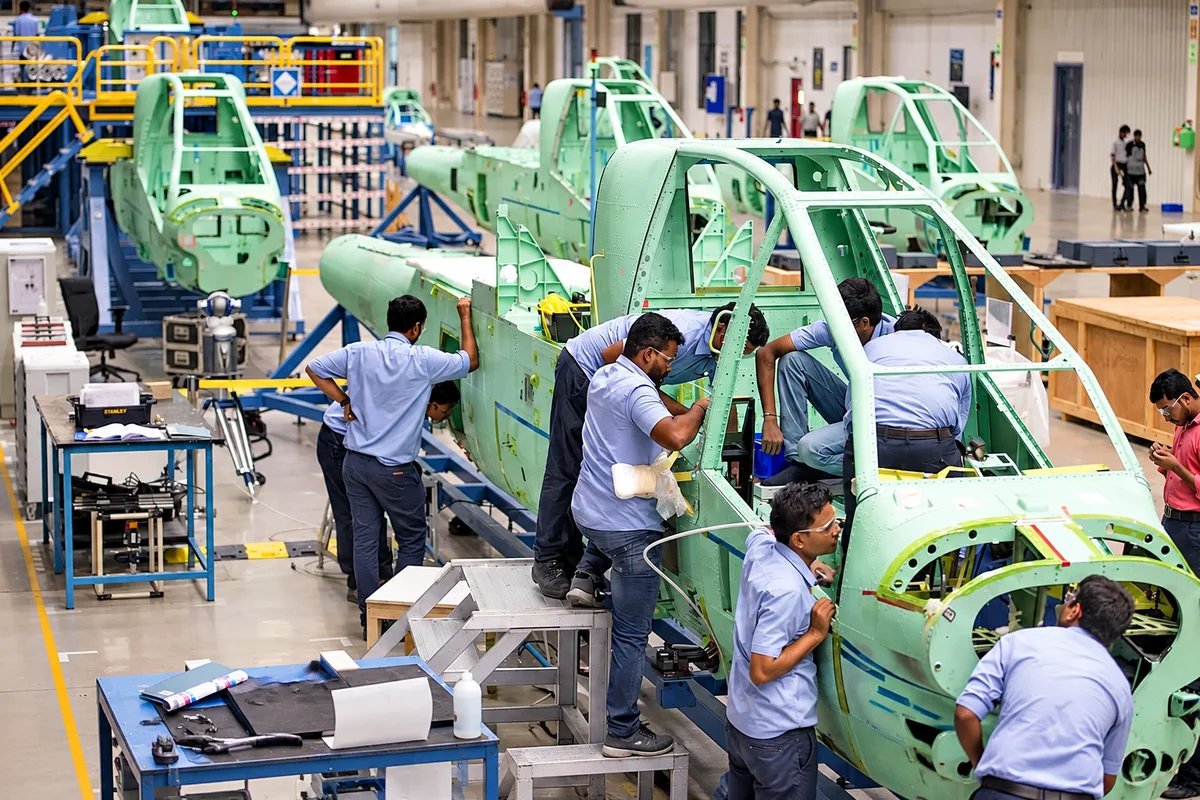
Tata Boeing Aerospace remains in focus as its latest Apache fuselage milestone highlights India's growing role in the global aerospace and defence...

RBI liquidity conditions remain in focus as the banking system adjusts to changing money market conditions and evolving financial trends.