Loading market data...
Tue, 20 Oct 2026
03:51:41 pm
Tue, 20 Oct 2026
03:51:41 pm

Rudransh Sangwan
Published at: October 8, 2026, 5:53 PM
Synopsis
US suspends permanent labour certification access for Microsoft, Infosys, TCS, Wipro and others amid federal investigations into visa abuse allegations.
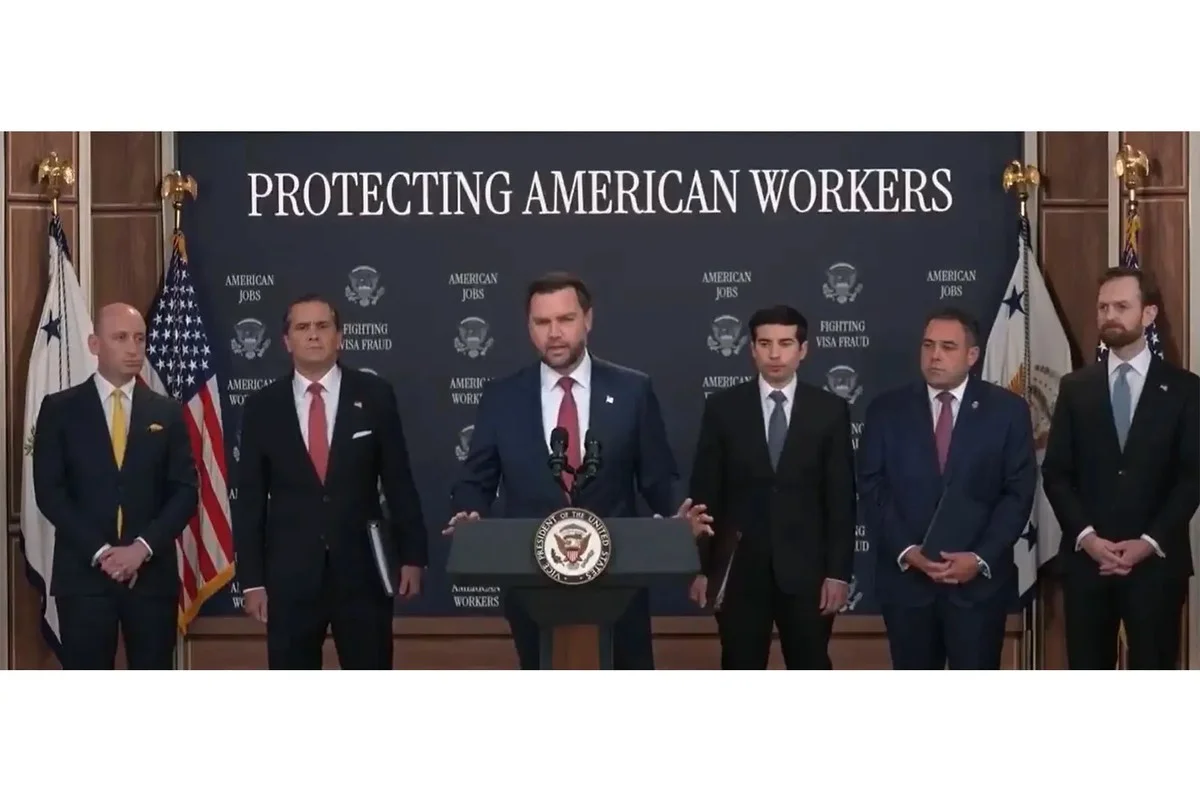
The US administration has suspended access to the Permanent Labor Certification Program for Microsoft and several large Indian IT companies, citing alleged abuse of the worker visa system. The companies named include Cognizant Technology Solutions, Infosys, Tata Consultancy Services, Wipro, HCL Technologies and Capgemini.
Vice President JD Vance said the suspensions would be indefinite. Labor Secretary Keith Sonderling said multiple federal investigations were active in relation to the program.
The decision puts fresh pressure on technology companies that rely on foreign workers for their US operations. It also adds to the administration's wider effort to increase hiring and training of American workers.
The administration named Microsoft along with six major technology services companies in connection with the suspension.
| Company | Action mentioned | US market reaction |
|---|---|---|
| Microsoft | Permanent Labor Certification Program suspended | Earlier gains were pared |
| Cognizant Technology Solutions | Program suspended | Shares fell nearly 1.4% |
| Infosys | Program suspended | ADRs fell more than 3.5% |
| Tata Consultancy Services | Program suspended | No market reaction provided |
| Wipro | Program suspended | ADRs fell more than 3.5% |
| HCL Technologies | Program suspended | No market reaction provided |
| Capgemini | Program suspended | No market reaction provided |
Sonderling said the administration had multiple active federal investigations into the matter. The named companies did not immediately respond to requests for comment, while the vice president's office and the US Labor Department also had not provided an immediate response to those requests.
Vance accused companies of making improper representations when applying for the labour certification program. He said the administration believed the representations were fundamentally illegitimate and therefore illegal.
The Permanent Labor Certification Program allows US employers to support foreign workers seeking permanent residency. For technology companies, the program can be important because it gives workers on temporary visas a route towards permanent legal status.
The suspension therefore affects more than a single visa application process. It can also affect how companies retain foreign employees who are already working in the US and seeking longer term immigration status.
Microsoft has a long history of employing workers in the US through H 1B visas, intracompany transfer visas and visas for recent university graduates. The labour certification process has been an important part of its support for some guest workers seeking permanent legal status.
The development adds to recent Microsoft workforce changes in 2026, although the suspension is an immigration policy action and is separate from the company's workforce restructuring.
Vance singled out Microsoft during a briefing in Washington. He alleged that the company had abused the system more than any other company in the US.
He also said the administration did not want to harm Microsoft. Instead, he said the company should grow by employing and supporting American workers.
Vance also named Adobe while urging technology companies to change their employment policies. His comments reflect the administration's broader focus on increasing the share of US workers employed by major technology companies.
The remarks came shortly before President Donald Trump was scheduled to honour Microsoft CEO Satya Nadella with a National Medal of Science award at a Washington summit focused on US technology and innovation.
Nadella had also joined other technology and artificial intelligence executives at a White House luncheon the previous week to discuss safeguards for artificial intelligence.
The suspension triggered a negative reaction in some of the listed technology companies with US traded securities.
Cognizant shares fell nearly 1.4% in New York trading. American depositary receipts of Infosys and Wipro each fell more than 3.5%.
Microsoft initially gained before giving up part of those gains.
The move comes against a broader backdrop of pressure on Indian IT companies from developments in the US technology and employment market. WeloMoney has also tracked Indian IT stock movements as investors assess changes affecting the sector.
The immediate share price moves show that investors are watching the effect of US immigration policy on technology companies with significant exposure to American operations. However, the source does not provide estimates of the financial impact of the suspension on individual companies.
Indian technology companies have large US operations and depend on access to skilled workers to serve clients in the American market. Changes to immigration rules can affect how companies recruit workers, move employees across borders and retain foreign employees over longer periods.
The H 1B visa system has been an important route for foreign technology workers entering the US. The administration has also taken steps to make it harder for companies to use H 1B visas to attract foreign talent.
The latest suspension involves the Permanent Labor Certification Program, which is different from the H 1B program. The labour certification process is linked to permanent residency applications for foreign workers, while H 1B visas provide temporary employment status.
For companies such as Infosys, TCS, Wipro, HCL Technologies and Cognizant, any restrictions on foreign worker pathways could affect workforce planning in the US. The source, however, does not quantify how many employees at each company could be affected.
The suspension comes as the US technology industry faces greater pressure over its use of foreign workers.
The Trump administration has argued that technology companies should train and hire more American workers. Business groups, meanwhile, have warned that restrictions on foreign workers could reduce the available labour supply and affect growth.
The disagreement is particularly relevant for technology companies because many rely on specialised workers. The administration's position is that companies should create more opportunities for American workers, while industry groups have raised concerns about access to skilled labour.
The issue is also broader than Indian IT services companies. The action against Microsoft shows that large US technology companies are also facing scrutiny over their use of foreign workers.
The administration also announced investigations involving foreign exchange visa holders at nine universities, including Harvard University, Stanford University and MIT.
The US Labor Department's inspector general said the investigations would focus on J 1 visa holders. At universities, these workers and researchers often include international PhD candidates and visiting scholars.
The separate investigations show that the administration's scrutiny is extending across different categories of foreign workers and institutions.
For technology companies, the immediate issue is the suspension of the labour certification program. The duration of the suspension is uncertain because Vance said it would remain in place until the administration believed its concerns had been addressed.
The next developments will depend on the federal investigations and whether the administration changes or maintains the suspensions.
Companies will also need to assess how the policy affects their ability to support foreign employees seeking permanent residency in the US. Any further changes to H 1B rules could add another layer of pressure on technology employers.
For investors, the developments to watch include:
The source does not provide a timeline for the investigations or say when the suspended companies could regain access to the program. Vance's statement that the suspensions are indefinite means the next official announcements from the US administration will be important for the affected companies.
The US administration suspended access to the Permanent Labor Certification Program for Microsoft and several major technology companies, including Cognizant, Infosys, TCS, Wipro, HCL Technologies and Capgemini. The administration cited alleged abuse of the worker visa system and said multiple federal investigations were active.
The Indian IT companies named were Cognizant Technology Solutions, Infosys, Tata Consultancy Services, Wipro and HCL Technologies. Capgemini and Microsoft were also named in connection with the suspension.
Infosys and Wipro American depositary receipts each fell more than 3.5% during the reported trading session. Cognizant shares fell nearly 1.4% in New York trading, while Microsoft pared earlier gains.
The Permanent Labor Certification Program allows US employers to support foreign workers seeking permanent residency. The program can therefore help companies retain foreign employees who are seeking longer term legal status in the US.
Microsoft has a large US workforce that includes employees using H 1B visas, intracompany transfer visas and visas for recent university graduates. The company also uses the permanent labour certification process to support some guest workers seeking permanent legal status.
The administration has said the suspensions are indefinite, not that they are permanently closed. Vance said they would remain in place until the administration believed its concerns had been addressed.
Financial journalist specializing in market analysis, stock research, and investment trends. Dedicated to providing accurate, timely insights for informed decision-making.
Credentials: Experienced financial journalist with expertise in equity markets and economic analysis
The information provided in this article is for educational and informational purposes only and should not be construed as financial, investment, or legal advice. welomoney does not provide personalized investment recommendations.
For detailed terms and conditions, please read our Disclaimer and Terms of Service.

China GDP growth reached 4.5% in Q3 2026, beating the 4.4% forecast. Retail sales improved, but falling property investment keeps recovery risks in...
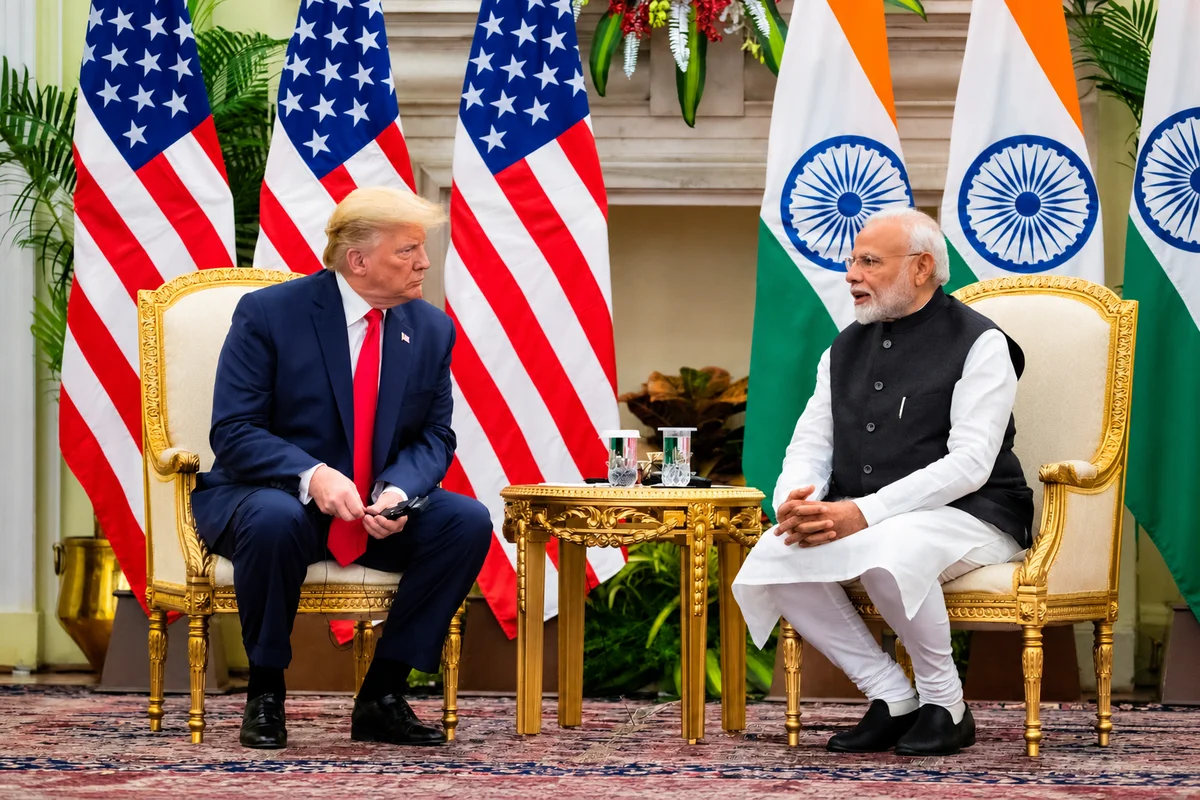
India-US trade deal could create opportunities for Indian home décor and handicraft exporters. Here's what it means for exports, businesses and stocks
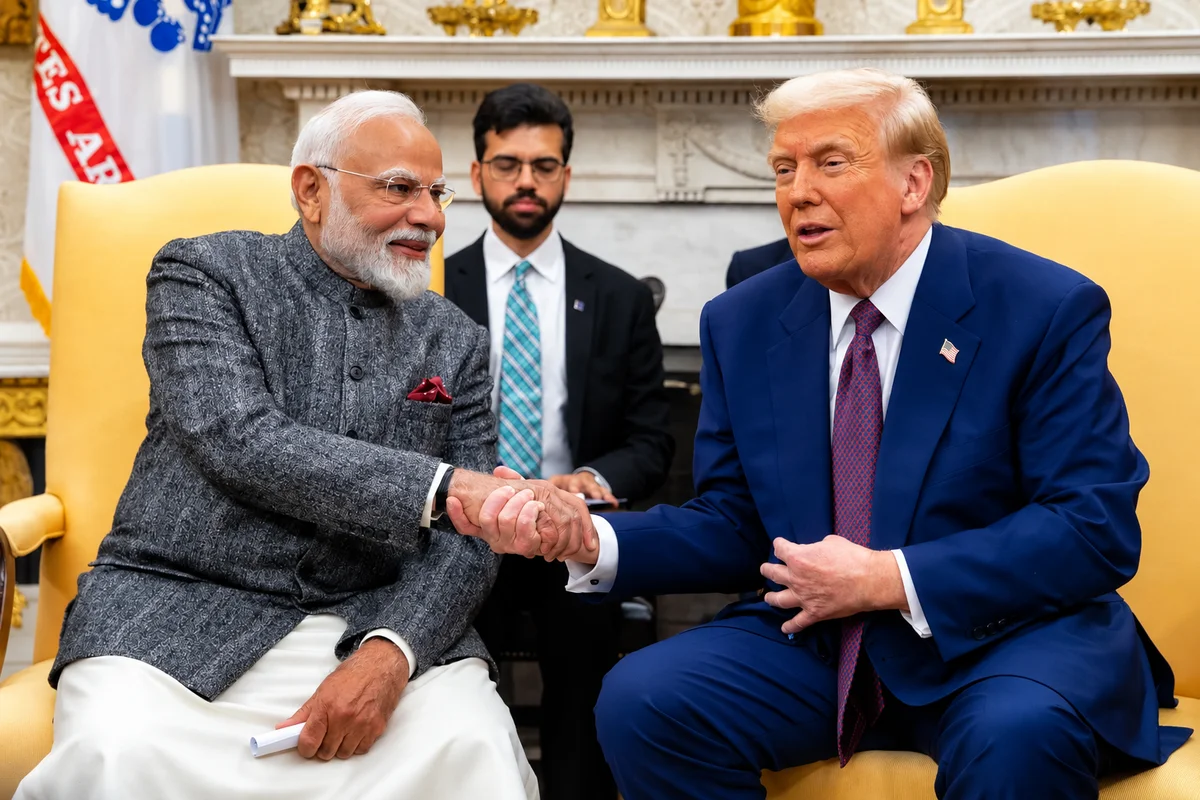
India-US trade deal could affect textiles, pharmaceuticals, chemicals, engineering goods and gems and jewellery. Here are 5 sectors to watch.
Fed rate hike odds for October 28 jumped to 53.7% from 22.1% in a day. September inflation has complicated the outlook for December rate decisions.

Zoho has cut marketing spending as Sridhar Vembu cites fourfold server price increases, 18 months without employee growth and plans to avoid mass...