Loading market data...
Tue, 20 Oct 2026
03:45:22 pm
Tue, 20 Oct 2026
03:45:22 pm

Rudransh Sangwan
Published at: October 15, 2026, 5:47 PM
Synopsis
India-US trade deal could create opportunities for Indian home décor and handicraft exporters. Here's what it means for exports, businesses and stocks
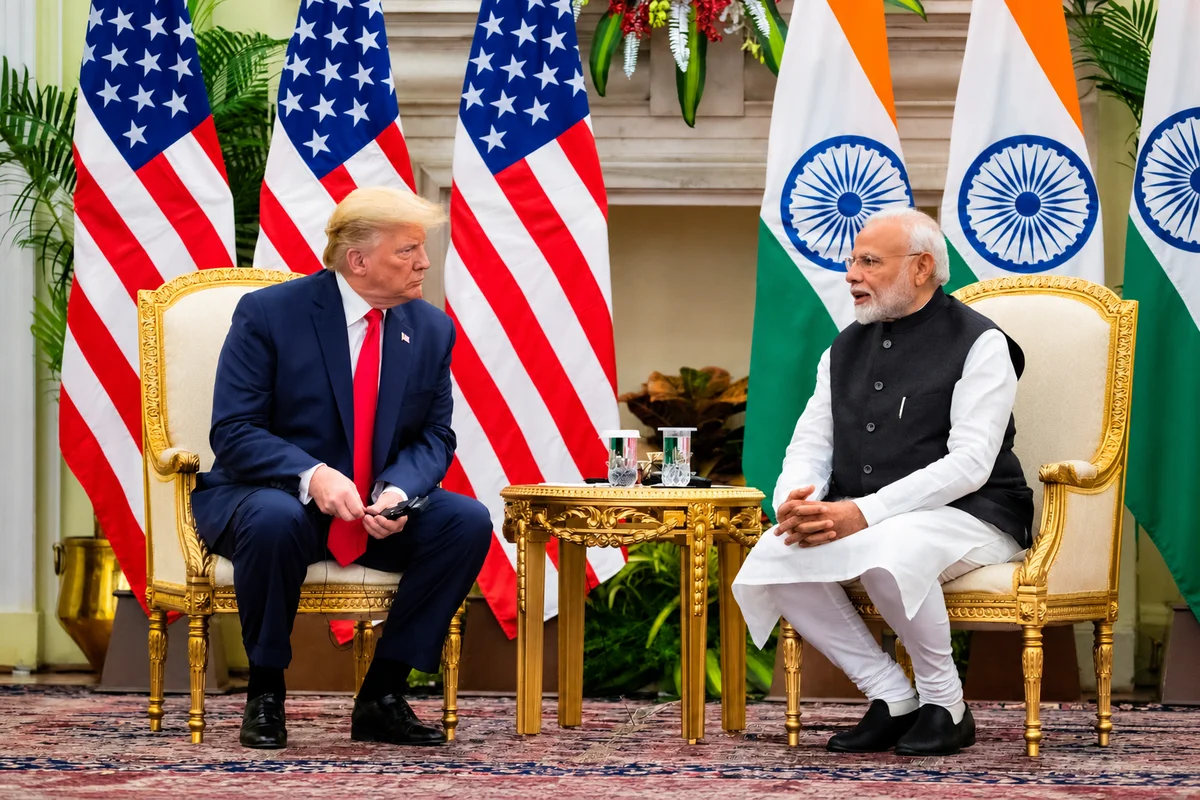
India's proposed trade deal with the US could benefit Indian home décor and handicraft exporters. The February 2026 US India joint statement included these products among the categories proposed for preferential tariff treatment.
Commerce Minister Piyush Goyal said on October 15 that the first phase had been finalised and was undergoing legal drafting. The final terms will determine which products qualify.
India exports decorative items, handcrafted products and home accessories to the US. Lower tariffs on eligible products could help Indian exporters compete for orders from US retailers and wholesalers.
However, tariff benefits are not confirmed for every product in these categories.
Better pricing: Lower applicable tariffs could improve the competitiveness of eligible Indian products against overseas suppliers.
More export orders: Greater certainty around trade rules could help businesses plan production and shipments. Actual demand will depend on US buyers and consumer spending.
Opportunities for smaller manufacturers: Handicraft businesses could gain access to more buyers if they meet quality, volume and delivery requirements.
Wider export markets: Businesses could expand their US customer base and reduce dependence on a limited number of overseas markets.
These benefits remain potential outcomes. Freight charges, compliance costs and competition could limit the gains.
Home décor and handicrafts span several business categories, including furnishings, textiles, lifestyle products and handcrafted goods. Investors should focus on listed companies with clear exposure to US exports rather than assume that the entire sector will benefit.
Useful indicators include US revenue share, export growth, operating margins and new order disclosures. Companies with established overseas customers and the capacity to fulfil larger orders may be better placed to benefit.
However, company level gains will depend on the final agreement and actual export performance.
The agreement may cover only specified products, with different tariff terms across categories. Exporters must also meet applicable origin rules, quality standards and delivery requirements.
Lower tariffs may not lead to higher profits if buyers negotiate lower prices or operating costs rise. Weak US demand and currency movements could also affect export earnings.
The official US India joint statement outlines the proposed framework. Investors should watch for the final tariff schedule, implementation date and evidence of fresh export orders.
Home décor and handicrafts offer a less discussed angle on the India US trade deal. However, confirmed tariff concessions and measurable export growth will be needed to establish the actual benefits.
It could benefit eligible exporters if the final agreement provides more favourable tariff treatment. Actual gains will depend on product eligibility, costs and US demand.
Exports could increase if Indian products become more competitive and US buyers place additional orders. The final agreement and market demand will determine the outcome.
Eligible home décor, decorative furnishing and handicraft products could benefit, depending on the final product list and tariff rules.
Companies with meaningful US export exposure in home furnishings, textiles, lifestyle products or handicrafts could be affected. Investors should verify each company's export revenue and product eligibility.
As of October 15, 2026, the first phase was undergoing legal drafting, according to Commerce Minister Piyush Goyal. Final terms and implementation details remain important.
Investors should track US export revenue, order growth, operating margins, customer concentration and disclosures about tariff eligibility.
The official US-India joint statement outlines the proposed framework.
Financial journalist specializing in market analysis, stock research, and investment trends. Dedicated to providing accurate, timely insights for informed decision-making.
Credentials: Experienced financial journalist with expertise in equity markets and economic analysis
The information provided in this article is for educational and informational purposes only and should not be construed as financial, investment, or legal advice. welomoney does not provide personalized investment recommendations.
For detailed terms and conditions, please read our Disclaimer and Terms of Service.

China GDP growth reached 4.5% in Q3 2026, beating the 4.4% forecast. Retail sales improved, but falling property investment keeps recovery risks in...
India-US trade deal could affect textiles, pharmaceuticals, chemicals, engineering goods and gems and jewellery. Here are 5 sectors to watch.

Fed rate hike odds for October 28 jumped to 53.7% from 22.1% in a day. September inflation has complicated the outlook for December rate decisions.

Zoho has cut marketing spending as Sridhar Vembu cites fourfold server price increases, 18 months without employee growth and plans to avoid mass...